Public Steam disclosure research25,497 disclosures tracked
Where do games disclose AI use?
Search developers’ Steam disclosures, compare classified AI use across
games, and follow recorded changes.
This index adds cross-game classifications and statistics to
statements published on individual store pages.
Groups reflect automatic analysis of public disclosures; mature records are excluded. These counts do not measure AI use across all of Steam.
Missing or unclear statements cannot establish whether a game uses AI.
Generative AI tools were used during development to assist with programming and to create or refine portions of the game’s artwork, visual assets, sound effects, and other audio. All AI-assisted content was selected, edited, integrated, and reviewed by the developer. The game does not generate AI content or connect to external AI services during gameplay.
Generative AI tools were used during development to create and refine the promotional capsule art, library graphics, and marketing assets for the store page. The game itself does not contain or generate any AI content during gameplay.
All graphics and sounds in Woolmates are calculated at runtime by the game itself; no AI-generated image, audio, or video files are delivered. AI assistance tools were used in the development of the program code as well as in text and marketing materials. No AI is used during the actual game.
This game uses AI-generated art assets (character portraits,
backgrounds, and promotional images) created during development.
AI tools also assisted with coding. All AI-generated content has
been reviewed and finalized by the developer. The game does NOT
generate any AI content in real-time during gameplay.
Some visual assets and promotional artwork were created with the assistance of generative AI tools and subsequently selected, edited, composited, and integrated by the developer.
We intend to use AI to help for translating and localizing the game.
Generative AI tools were used to assist in creating a limited number of 2D images included in the game and certain store-page graphical assets. All AI-assisted images were subsequently manually edited, corrected, and finalized by the developer. Other assets were created by the developer or obtained from appropriately licensed or free-to-use sources. The game does not use generative AI in real time.
We use generative AI tools to assist in producing some pre-rendered visual assets, including concept art and promotional imagery used on this store page. All AI-assisted output is reviewed, edited and art-directed by our team. The game contains no live-generated AI content.
This game was made by a two-person team specializing in storytelling. The entire narrative, all gameplay systems, UI, animations, core sound and game design were built entirely by our team. AI was used to generate some of audio and graphical assets due to the limited resources. Scenario was originally written in Ukrainian language, so translations might have minor mistakes. Thank you for your understanding.
Selected pre-generated visual materials used for the Steam store page, capsule artwork, promotional assets, and presentation screenshots were created or refined with the assistance of generative AI tools.
The game does not use live generative AI during gameplay. No gameplay content, dialogue, images, audio, or missions are generated in real time by AI, and the game does not connect to external AI services during play.
All video, voice and music content in this game was pre-generated using AI tools under full human direction. The story, characters, dialogue, game design, editing and code are original work by a solo developer. No content is generated while the game is running; players only ever see pre-produced, human-reviewed material.
Generative AI tools were used during development to assist with the creation of some voice-over content, images, and written content. All AI-assisted content was generated and reviewed by the developer before being included in the game or its promotional materials. No generative AI is used during gameplay.
Generative AI tools were used as part of the development workflow for selected visual and audio asset refinement and production. All final content is reviewed and edited by the developer. No generative AI is used during gameplay.
This game uses generative AI as an assistive tool for creating some artwork and store assets. All AI-assisted content has been reviewed, edited, and approved by the developer before inclusion. The game does not generate AI content during gameplay.
Neverrest uses generative AI tools during development to assist with the creation of some pre-rendered 2D artwork and visual assets. All AI-assisted content is reviewed, edited, and integrated by the developer. The game does not generate AI content during gameplay.
Generative AI tools were used during development to assist with programming and Unreal Engine Blueprint creation, the creation of some 3D assets, selected music and audio, and some promotional artwork and marketing materials. AI-generated content is reviewed and edited by the development team before use. The game does not generate AI content during gameplay.
This game uses generative AI for the following:
Images: the source material for both the scene artwork and the item icons (backpack, hand cart and so on) is photographs taken by the developer — the scenes in the lanes, stairwells and apartment courtyards of Anping, Tainan; the items shot as physical objects. Each photograph is processed first — removing things that should not appear in frame, commercial branding, and anything touching on privacy — and then stylised into animation by AI.
Music: planned to be AI-generated (not yet implemented).
Localisation: Traditional Chinese is the language the game is written in. Every other language — English, Japanese, German, and Taiwanese Pe̍h-ōe-jī — is AI-translated, with no native-speaker editing pass. If you find a mistake, please do tell me.
Store page and marketing images also include AI-generated elements.
Some music, sound effects, and UI icons in this game were created with the assistance of generative AI tools during development. All AI-generated content has been directly reviewed, selected, and retouched for optimal integration.
Human solo dev made: writing, music, game design, game production, voice acting, SFX, and basically everything else. In addition, some 3D and VFX asset packs (plus additional SFX) were purchased from third-party marketplaces, where they are explicitly labeled as non-AI, human-made content, and credited in-game.
AI usage: AI helped with localization corrections, and was used to refine assets, strictly following human artistic direction and human-made examples — no generation from scratch. Example: Plum's character portraits are in-game mesh screenshots, inserted by me into pre-designed empty icon frames, then refined with AI for a more polished result.
Note: I would be happy to replace AI-refined assets with human artist's work, if this becomes financially possible in the future.
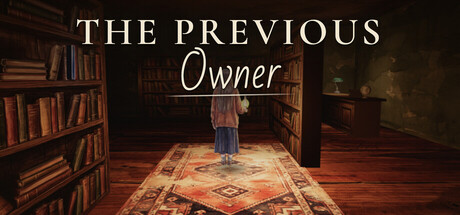
The Previous Owner uses generative AI as an assistive tool under human art direction and editorial control. The game's painted artwork — scene plates, room and prop textures, character and portrait art, the found photographs, the book spreads and the store art — was pre-generated with generative image tools, then curated, keyed, composited and hand-corrected by the developer; a small number of props are AI-generated 3D meshes, and some looping scene animations are AI-generated video. Music and sound effects are pre-generated with AI tools and edited by the developer. The narrative text is human–AI co-written under the author's direction and human-edited; the story, its structure and the game design are the author's. Everything ships pre-rendered in the build — the game generates nothing live during play. No real people are depicted; every character, book, photograph and document in the game is fictional.
Generative AI tools were used during development to assist with the creation of selected pre-generated assets, including visual artwork, character assets, music, and sound effects. These tools were used as part of the development workflow, while the game's design, direction, gameplay systems, implementation, level design, and final integration were created and curated by the developer. No generative AI is used to create new content during gameplay.
Some visual assets in this game, including character designs, were initially
generated using AI image tools and subsequently refined and adapted by the developer.
All AI-generated visual assets (character designs, icons, screenshots/trailer materials,
etc.) are being fully replaced with hand-crafted or licensed content.
Generative AI tools were used during development to assist with debugging code, audio production, and the creation of some item and UI illustrations. AI-generated or AI-assisted content was reviewed and edited by the development team before being included in the final game.
Generative tools were used during development to assist with portions of the game's source code and to create or refine some visual assets and promotional artwork. All included content was reviewed and edited by the developer. The game does not generate content during gameplay.
Generative AI was used during development to assist with some pre-generated visual artwork. The development team reviewed and curated the AI-assisted artwork before including it in the game. No generative AI content is created during gameplay, and no player data or input is sent to an AI service.
Generative AI tools were used during development to assist with pre-generated content only.
AI-assisted content includes one promotional artwork asset used in the Steam store capsule and library assets, AI-generated imagery used in the game's story description, some in-game sound assets, localization and translation, and portions of certain 3D models.
All AI-assisted outputs were reviewed, selected, edited where necessary, and integrated by the developer before being included in the game or on the Steam store page.
The game does not generate content using AI while it is running, does not connect players to any generative AI service, and does not send player input to an AI service.
Generative AI has been used for concepts and early sketches of some backgrounds. No final graphical assets included in the game have been generated by AI.
Some promotional images have been enhanced using AI.
Some music tracks have been created with the help of AI.
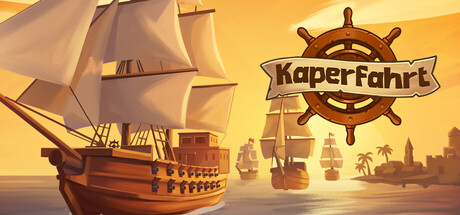
Kaperfahrt uses AI generated assets in two places. Both are placeholders and are being replaced with commissioned work.
The portrait illustrations on the wanted posters of the 23 Blacklist pirates were made with an AI image generator. They were bought as finished assets.
The soundtrack, the ambient audio and the spoken lines of the Blacklist pirates were made with Suno under a paid commercial licence.
Some pre-rendered visual artwork, promotional material, as well as game elements were created with AI and then selected, edited, and integrated by the developer. The game does not generate AI content during gameplay and does not connect to third-party AI services during gameplay.
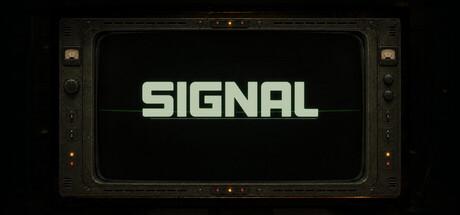
Generative AI tools were used to create pre-generated visual assets used in the game and its marketing, including the station environment, CRT console artwork, and selected trailer, store, and event artwork.
All outputs were art-directed, edited, composited, and approved by Ruldae before inclusion.
SIGNAL does not use generative AI while the game is running. No player input or personal data is sent to an AI service, and the game contains no live-generated AI content.
Generative AI tools were used during development to assist with programming and to create or refine portions of the game’s artwork, visual assets, sound effects, and other audio. All AI-assisted content was selected, edited, integrated, and reviewed by the developer. The game does not generate AI content or connect to external AI services during gameplay.
Generative AI tools were used during development to create and refine the promotional capsule art, library graphics, and marketing assets for the store page. The game itself does not contain or generate any AI content during gameplay.
All graphics and sounds in Woolmates are calculated at runtime by the game itself; no AI-generated image, audio, or video files are delivered. AI assistance tools were used in the development of the program code as well as in text and marketing materials. No AI is used during the actual game.
This game uses AI-generated art assets (character portraits,
backgrounds, and promotional images) created during development.
AI tools also assisted with coding. All AI-generated content has
been reviewed and finalized by the developer. The game does NOT
generate any AI content in real-time during gameplay.
Some visual assets and promotional artwork were created with the assistance of generative AI tools and subsequently selected, edited, composited, and integrated by the developer.
We intend to use AI to help for translating and localizing the game.
Generative AI tools were used to assist in creating a limited number of 2D images included in the game and certain store-page graphical assets. All AI-assisted images were subsequently manually edited, corrected, and finalized by the developer. Other assets were created by the developer or obtained from appropriately licensed or free-to-use sources. The game does not use generative AI in real time.
We use generative AI tools to assist in producing some pre-rendered visual assets, including concept art and promotional imagery used on this store page. All AI-assisted output is reviewed, edited and art-directed by our team. The game contains no live-generated AI content.
This game was made by a two-person team specializing in storytelling. The entire narrative, all gameplay systems, UI, animations, core sound and game design were built entirely by our team. AI was used to generate some of audio and graphical assets due to the limited resources. Scenario was originally written in Ukrainian language, so translations might have minor mistakes. Thank you for your understanding.
Selected pre-generated visual materials used for the Steam store page, capsule artwork, promotional assets, and presentation screenshots were created or refined with the assistance of generative AI tools.
The game does not use live generative AI during gameplay. No gameplay content, dialogue, images, audio, or missions are generated in real time by AI, and the game does not connect to external AI services during play.
All video, voice and music content in this game was pre-generated using AI tools under full human direction. The story, characters, dialogue, game design, editing and code are original work by a solo developer. No content is generated while the game is running; players only ever see pre-produced, human-reviewed material.
Generative AI tools were used during development to assist with the creation of some voice-over content, images, and written content. All AI-assisted content was generated and reviewed by the developer before being included in the game or its promotional materials. No generative AI is used during gameplay.
Generative AI tools were used as part of the development workflow for selected visual and audio asset refinement and production. All final content is reviewed and edited by the developer. No generative AI is used during gameplay.
This game uses generative AI as an assistive tool for creating some artwork and store assets. All AI-assisted content has been reviewed, edited, and approved by the developer before inclusion. The game does not generate AI content during gameplay.
Neverrest uses generative AI tools during development to assist with the creation of some pre-rendered 2D artwork and visual assets. All AI-assisted content is reviewed, edited, and integrated by the developer. The game does not generate AI content during gameplay.
Generative AI tools were used during development to assist with programming and Unreal Engine Blueprint creation, the creation of some 3D assets, selected music and audio, and some promotional artwork and marketing materials. AI-generated content is reviewed and edited by the development team before use. The game does not generate AI content during gameplay.
This game uses generative AI for the following:
Images: the source material for both the scene artwork and the item icons (backpack, hand cart and so on) is photographs taken by the developer — the scenes in the lanes, stairwells and apartment courtyards of Anping, Tainan; the items shot as physical objects. Each photograph is processed first — removing things that should not appear in frame, commercial branding, and anything touching on privacy — and then stylised into animation by AI.
Music: planned to be AI-generated (not yet implemented).
Localisation: Traditional Chinese is the language the game is written in. Every other language — English, Japanese, German, and Taiwanese Pe̍h-ōe-jī — is AI-translated, with no native-speaker editing pass. If you find a mistake, please do tell me.
Store page and marketing images also include AI-generated elements.
Some music, sound effects, and UI icons in this game were created with the assistance of generative AI tools during development. All AI-generated content has been directly reviewed, selected, and retouched for optimal integration.
Human solo dev made: writing, music, game design, game production, voice acting, SFX, and basically everything else. In addition, some 3D and VFX asset packs (plus additional SFX) were purchased from third-party marketplaces, where they are explicitly labeled as non-AI, human-made content, and credited in-game.
AI usage: AI helped with localization corrections, and was used to refine assets, strictly following human artistic direction and human-made examples — no generation from scratch. Example: Plum's character portraits are in-game mesh screenshots, inserted by me into pre-designed empty icon frames, then refined with AI for a more polished result.
Note: I would be happy to replace AI-refined assets with human artist's work, if this becomes financially possible in the future.
The Previous Owner uses generative AI as an assistive tool under human art direction and editorial control. The game's painted artwork — scene plates, room and prop textures, character and portrait art, the found photographs, the book spreads and the store art — was pre-generated with generative image tools, then curated, keyed, composited and hand-corrected by the developer; a small number of props are AI-generated 3D meshes, and some looping scene animations are AI-generated video. Music and sound effects are pre-generated with AI tools and edited by the developer. The narrative text is human–AI co-written under the author's direction and human-edited; the story, its structure and the game design are the author's. Everything ships pre-rendered in the build — the game generates nothing live during play. No real people are depicted; every character, book, photograph and document in the game is fictional.
Generative AI tools were used during development to assist with the creation of selected pre-generated assets, including visual artwork, character assets, music, and sound effects. These tools were used as part of the development workflow, while the game's design, direction, gameplay systems, implementation, level design, and final integration were created and curated by the developer. No generative AI is used to create new content during gameplay.
Some visual assets in this game, including character designs, were initially
generated using AI image tools and subsequently refined and adapted by the developer.
All AI-generated visual assets (character designs, icons, screenshots/trailer materials,
etc.) are being fully replaced with hand-crafted or licensed content.
Generative AI tools were used during development to assist with debugging code, audio production, and the creation of some item and UI illustrations. AI-generated or AI-assisted content was reviewed and edited by the development team before being included in the final game.
Generative tools were used during development to assist with portions of the game's source code and to create or refine some visual assets and promotional artwork. All included content was reviewed and edited by the developer. The game does not generate content during gameplay.
Generative AI was used during development to assist with some pre-generated visual artwork. The development team reviewed and curated the AI-assisted artwork before including it in the game. No generative AI content is created during gameplay, and no player data or input is sent to an AI service.
Generative AI tools were used during development to assist with pre-generated content only.
AI-assisted content includes one promotional artwork asset used in the Steam store capsule and library assets, AI-generated imagery used in the game's story description, some in-game sound assets, localization and translation, and portions of certain 3D models.
All AI-assisted outputs were reviewed, selected, edited where necessary, and integrated by the developer before being included in the game or on the Steam store page.
The game does not generate content using AI while it is running, does not connect players to any generative AI service, and does not send player input to an AI service.
Generative AI has been used for concepts and early sketches of some backgrounds. No final graphical assets included in the game have been generated by AI.
Some promotional images have been enhanced using AI.
Some music tracks have been created with the help of AI.
Kaperfahrt uses AI generated assets in two places. Both are placeholders and are being replaced with commissioned work.
The portrait illustrations on the wanted posters of the 23 Blacklist pirates were made with an AI image generator. They were bought as finished assets.
The soundtrack, the ambient audio and the spoken lines of the Blacklist pirates were made with Suno under a paid commercial licence.
Some pre-rendered visual artwork, promotional material, as well as game elements were created with AI and then selected, edited, and integrated by the developer. The game does not generate AI content during gameplay and does not connect to third-party AI services during gameplay.
Generative AI tools were used to create pre-generated visual assets used in the game and its marketing, including the station environment, CRT console artwork, and selected trailer, store, and event artwork.
All outputs were art-directed, edited, composited, and approved by Ruldae before inclusion.
SIGNAL does not use generative AI while the game is running. No player input or personal data is sent to an AI service, and the game contains no live-generated AI content.