Public Steam disclosure research25,508 disclosures tracked
Where do games disclose AI use?
Search developers’ Steam disclosures, compare classified AI use across
games, and follow recorded changes.
This index adds cross-game classifications and statistics to
statements published on individual store pages.
Groups reflect automatic analysis of public disclosures; mature records are excluded. These counts do not measure AI use across all of Steam.
Missing or unclear statements cannot establish whether a game uses AI.
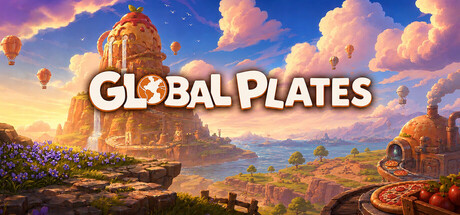
Global Plates uses generative AI in limited, development-time ways only:
• Music: the game's soundtrack was created using AI music generation tools, then selected and edited by the developer.
• Store page artwork: the key art is based on real screenshots rendered directly from the game, stylized with AI image tools.
All other content — 3D environments, machines, characters, and game design — was hand-crafted by the developer or licensed from professional asset libraries. The game does not use generative AI at runtime: nothing is AI-generated while you play.
AI tools were used in writing the game's code. No AI generated images, music, audio, or models were used. All artwork is Public-Domain paintings from famous, historical artists.
Pre-generated AI content is used in the following ways, with every piece reviewed, edited, and placed by hand by the developer:
Voice acting: character voice lines (the tutorial narrator and tenant voices) are generated with AI text to speech from scripts written by the developer.
2D artwork: some in-game 2D art (such as the travel map illustration and map icons) and some marketing and store page artwork (capsule backgrounds and logo concepts) started from AI generated images that were then selected, edited, and integrated by the developer.
Monotony Idle is made by a two-person team working alongside AI tools, and we want to be straightforward about where that shows up.
Some in-game text, imagery, and data were drafted with AI assistance.
Our store page materials - capsule art, store text, and trailer - were built from the game's real assets. All screenshots and trailer footage are captures of actual gameplay, not AI-fabricated imagery.
Live-generated content: none. The game does not use AI at runtime - nothing is generated while you play, and the game never sends your data to any AI service.
Every AI-assisted asset was directed, reviewed, and approved by a human before shipping.
Some audio in Fill The Bucket, including sound effects and ambient music, is procedurally generated by code using generative techniques. All such content is created during development and ships with the game; no AI content is generated live during gameplay.
An AI assistant (Anthropic's Claude) helped write the game's code and draft store/marketing text, all reviewed by the developer. All art is hand-made and procedurally rendered; all music and sound effects are human-created or licensed (CC0 / commissioned). No AI-generated art, audio, or voice ships in the game, and no AI content is generated during play.
"AI offered the seeds, but I am the one who selected them with care, nurtured them with devotion, and waited for them to bloom.
I serve as a humble gardener, cultivating a flower that never fades, right there on your desktop. Within this space lies the fruit of countless nights at my desk; it holds the tenderness I wish to share—a sincere greeting to every lonely soul. May this bloom rest quietly on your screen, bringing a breath of peace and fragrance to your day."
This game uses generative AI to assist with creating some visual assets, including the default keyboard skin, decorative elements, and store promotional images. AI-generated content is manually reviewed, edited, and integrated before use. The game does not generate AI content in real time during gameplay.
Generative AI was used during development to assist in the creation of certain visual assets, including some textures and artwork featured in story sequences. All generated assets were reviewed, modified where necessary, and curated by the development team before inclusion in the game. No AI-generated content is created during gameplay.
AI tools were used during development to assist with the creation and refinement of some visual assets. All content included in the final game was selected, edited, and integrated by the developer.
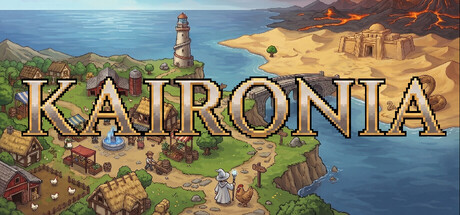
Kaironia uses generative AI tools during the development process to create pre-rendered assets. Specifically, AI-assisted tools were used to help create background music tracks, certain 2D environmental icons and images, and to assist with multi-language text localization. None of these assets are generated dynamically or live during gameplay.
Generative AI was used to assist in the development of the game, including parts of the game engine code, internal development tools, some visual assets, and language proofreading. All AI-generated output was reviewed and supervised by a human. The game's audio was sourced from third-party providers outside the studio and, to the best of our knowledge, was not created using generative AI.
Every visual asset in the game is an open-source, licensed, open-source pixel icon, or a real in-game render. no AI image production. Some of the game codes were written with AI-assisted development tools under the direct supervision of the developer, and localization was human-inspired for all sentences after machine translation initials. There is no real-time AI creation in the game
Fish species artwork in Swimcraft is pre-rendered AI-generated imagery. All venue photography is the developer's own, and all audio, UI and game code are non-generated. No AI content is generated live during play.
This game uses generative AI to create its 2D artwork, including character and avatar portraits, monster and pet illustrations, item and equipment icons, location banners, and store/marketing assets.
All AI-generated art was created during development, then hand-reviewed, curated, and edited by the developer before being included in the game.
No AI content is generated live at runtime — everything players see ships as fixed, pre-made assets. The game's design, writing, code, and balancing are human-made.
Generative AI tools were used during development to create and manually refine some illustrations, store page artwork, and music tracks, as well as to assist with text preparation and localization. The game does not generate any AI content in real time.
Some static visual assets used for Jigsaw Sweeper were created or refined with generative AI under developer direction, then manually selected, reviewed, edited, and integrated by the developer. This includes Steam achievement icons and may include selected store or marketing artwork.
The game does not generate AI content during gameplay, does not use AI to respond to player input, and does not connect to any external AI service while the game is running.
The Custom Image Puzzle feature lets players import local images from their own device. These images are not generated by the game, are not processed by an AI service, and are not shared through an online service.
Pocket Chief! uses generative AI for optional text conversations, activity summaries, and task organization. Some artwork and localization used in the product and its marketing were also created with AI assistance. Users can choose Pocket Chief Cloud, connect their own compatible model provider (BYOK), or use a local model endpoint.
Generative AI was used during development to create certain music, assist with localization, and produce some icon assets. All AI-generated content included in the final game was reviewed, edited, and approved by the development team before release.
Some of Tapis's visual assets were created with the help of generative AI tools. These elements are produced ahead of time, then art-directed, selected and reworked by the studio to fit the game's world. No AI generates any content while you play: the gameplay, rules, balancing and all systems are entirely designed and hand-validated.
During gameplay, the AI generates regional information and sightseeing guides (utilizing the Google Gemini API ). These generated texts change in real time and may occasionally contain inaccurate information.
Additionally, some images displayed within the game and on the store page utilize assets pre-generated by Google Gemini. (These are pre-generated contents, not live-generated during gameplay.)
Some visual assets and portions of the game's development were created with the assistance of generative AI. AI was used as a creative and productivity tool during development, with all generated content reviewed, edited, and integrated by the solo developer.
Generative AI was used to assist with the creation and refinement of selected visual assets, promotional images, Steam store page graphics, and localization materials.
Generative AI tools were used during the development of this game to assist with early concept art generation, texture optimization, and fine-tuning certain visual assets. All final in-game assets have been reviewed and refined by the development team.
During Early Access, we use AI-generated voice-overs as temporary placeholders for some characters. These will be replaced with professionally recorded voice-overs during development or, at the latest, after the end of the Early Access period.
AI tools were used to create pre-rendered assets during development, including background illustrations, item images, some video cutscenes, and background music. All AI-generated content was curated, edited, and integrated by the developer. The game does not generate any content at runtime (no live-generated AI content).
Some graphical assets (capsule images, etc.) and music tracks
were created using AI generation tools.
No AI generates content in real time during gameplay.
All AI-generated materials were reviewed and selected by a human.
Global Plates uses generative AI in limited, development-time ways only:
• Music: the game's soundtrack was created using AI music generation tools, then selected and edited by the developer.
• Store page artwork: the key art is based on real screenshots rendered directly from the game, stylized with AI image tools.
All other content — 3D environments, machines, characters, and game design — was hand-crafted by the developer or licensed from professional asset libraries. The game does not use generative AI at runtime: nothing is AI-generated while you play.
AI tools were used in writing the game's code. No AI generated images, music, audio, or models were used. All artwork is Public-Domain paintings from famous, historical artists.
Pre-generated AI content is used in the following ways, with every piece reviewed, edited, and placed by hand by the developer:
Voice acting: character voice lines (the tutorial narrator and tenant voices) are generated with AI text to speech from scripts written by the developer.
2D artwork: some in-game 2D art (such as the travel map illustration and map icons) and some marketing and store page artwork (capsule backgrounds and logo concepts) started from AI generated images that were then selected, edited, and integrated by the developer.
Monotony Idle is made by a two-person team working alongside AI tools, and we want to be straightforward about where that shows up.
Some in-game text, imagery, and data were drafted with AI assistance.
Our store page materials - capsule art, store text, and trailer - were built from the game's real assets. All screenshots and trailer footage are captures of actual gameplay, not AI-fabricated imagery.
Live-generated content: none. The game does not use AI at runtime - nothing is generated while you play, and the game never sends your data to any AI service.
Every AI-assisted asset was directed, reviewed, and approved by a human before shipping.
Some audio in Fill The Bucket, including sound effects and ambient music, is procedurally generated by code using generative techniques. All such content is created during development and ships with the game; no AI content is generated live during gameplay.
An AI assistant (Anthropic's Claude) helped write the game's code and draft store/marketing text, all reviewed by the developer. All art is hand-made and procedurally rendered; all music and sound effects are human-created or licensed (CC0 / commissioned). No AI-generated art, audio, or voice ships in the game, and no AI content is generated during play.
"AI offered the seeds, but I am the one who selected them with care, nurtured them with devotion, and waited for them to bloom.
I serve as a humble gardener, cultivating a flower that never fades, right there on your desktop. Within this space lies the fruit of countless nights at my desk; it holds the tenderness I wish to share—a sincere greeting to every lonely soul. May this bloom rest quietly on your screen, bringing a breath of peace and fragrance to your day."
This game uses generative AI to assist with creating some visual assets, including the default keyboard skin, decorative elements, and store promotional images. AI-generated content is manually reviewed, edited, and integrated before use. The game does not generate AI content in real time during gameplay.
Generative AI was used during development to assist in the creation of certain visual assets, including some textures and artwork featured in story sequences. All generated assets were reviewed, modified where necessary, and curated by the development team before inclusion in the game. No AI-generated content is created during gameplay.
AI tools were used during development to assist with the creation and refinement of some visual assets. All content included in the final game was selected, edited, and integrated by the developer.
Kaironia uses generative AI tools during the development process to create pre-rendered assets. Specifically, AI-assisted tools were used to help create background music tracks, certain 2D environmental icons and images, and to assist with multi-language text localization. None of these assets are generated dynamically or live during gameplay.
Generative AI was used to assist in the development of the game, including parts of the game engine code, internal development tools, some visual assets, and language proofreading. All AI-generated output was reviewed and supervised by a human. The game's audio was sourced from third-party providers outside the studio and, to the best of our knowledge, was not created using generative AI.
Every visual asset in the game is an open-source, licensed, open-source pixel icon, or a real in-game render. no AI image production. Some of the game codes were written with AI-assisted development tools under the direct supervision of the developer, and localization was human-inspired for all sentences after machine translation initials. There is no real-time AI creation in the game
Fish species artwork in Swimcraft is pre-rendered AI-generated imagery. All venue photography is the developer's own, and all audio, UI and game code are non-generated. No AI content is generated live during play.
This game uses generative AI to create its 2D artwork, including character and avatar portraits, monster and pet illustrations, item and equipment icons, location banners, and store/marketing assets.
All AI-generated art was created during development, then hand-reviewed, curated, and edited by the developer before being included in the game.
No AI content is generated live at runtime — everything players see ships as fixed, pre-made assets. The game's design, writing, code, and balancing are human-made.
Generative AI tools were used during development to create and manually refine some illustrations, store page artwork, and music tracks, as well as to assist with text preparation and localization. The game does not generate any AI content in real time.
Some static visual assets used for Jigsaw Sweeper were created or refined with generative AI under developer direction, then manually selected, reviewed, edited, and integrated by the developer. This includes Steam achievement icons and may include selected store or marketing artwork.
The game does not generate AI content during gameplay, does not use AI to respond to player input, and does not connect to any external AI service while the game is running.
The Custom Image Puzzle feature lets players import local images from their own device. These images are not generated by the game, are not processed by an AI service, and are not shared through an online service.
Pocket Chief! uses generative AI for optional text conversations, activity summaries, and task organization. Some artwork and localization used in the product and its marketing were also created with AI assistance. Users can choose Pocket Chief Cloud, connect their own compatible model provider (BYOK), or use a local model endpoint.
Generative AI was used during development to create certain music, assist with localization, and produce some icon assets. All AI-generated content included in the final game was reviewed, edited, and approved by the development team before release.
Some of Tapis's visual assets were created with the help of generative AI tools. These elements are produced ahead of time, then art-directed, selected and reworked by the studio to fit the game's world. No AI generates any content while you play: the gameplay, rules, balancing and all systems are entirely designed and hand-validated.
During gameplay, the AI generates regional information and sightseeing guides (utilizing the Google Gemini API ). These generated texts change in real time and may occasionally contain inaccurate information.
Additionally, some images displayed within the game and on the store page utilize assets pre-generated by Google Gemini. (These are pre-generated contents, not live-generated during gameplay.)
Some visual assets and portions of the game's development were created with the assistance of generative AI. AI was used as a creative and productivity tool during development, with all generated content reviewed, edited, and integrated by the solo developer.
Generative AI was used to assist with the creation and refinement of selected visual assets, promotional images, Steam store page graphics, and localization materials.
Generative AI tools were used during the development of this game to assist with early concept art generation, texture optimization, and fine-tuning certain visual assets. All final in-game assets have been reviewed and refined by the development team.
During Early Access, we use AI-generated voice-overs as temporary placeholders for some characters. These will be replaced with professionally recorded voice-overs during development or, at the latest, after the end of the Early Access period.
AI tools were used to create pre-rendered assets during development, including background illustrations, item images, some video cutscenes, and background music. All AI-generated content was curated, edited, and integrated by the developer. The game does not generate any content at runtime (no live-generated AI content).
Some graphical assets (capsule images, etc.) and music tracks
were created using AI generation tools.
No AI generates content in real time during gameplay.
All AI-generated materials were reviewed and selected by a human.