Public Steam disclosure research25,508 disclosures tracked
Where do games disclose AI use?
Search developers’ Steam disclosures, compare classified AI use across
games, and follow recorded changes.
This index adds cross-game classifications and statistics to
statements published on individual store pages.
Groups reflect automatic analysis of public disclosures; mature records are excluded. These counts do not measure AI use across all of Steam.
Missing or unclear statements cannot establish whether a game uses AI.
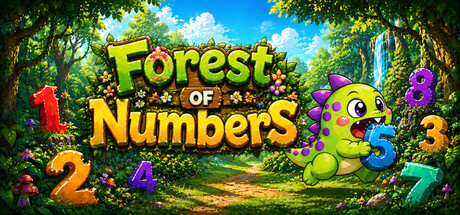
Some visual assets and parts of the development workflow for Forest of Numbers were created with the assistance of generative artificial intelligence tools. All content was curated, reviewed, and refined by the developer before being included in the final game.
Generative AI was used to assist in the creation of the game's soundtrack and audio assets. All AI-generated content has been reviewed and edited to ensure it meets quality standards and does not infringe on existing copyrights.
Generative AI was used to assist with parts of development (including some code drafting) and store page writing. All content was reviewed and finalized by the developer, and no AI-generated runtime content is included.
AI tools were used to assist with certain visual marketing assets, localized text translations, and music production. All generated content was reviewed, edited, and integrated by the developer before inclusion in the game and store materials.
Death Before Decaf uses generative AI tools to assist with visual asset production. This includes character and enemy sprites, environment art, and marketing capsule images, all created using a fine-tuned model trained on reference materials owned by Overdose Interactive (Scenario.gg with a custom DBD LoRA, plus Replicate/Flux for select assets). All AI-generated outputs are reviewed, edited, and approved by a human art director before being shipped in the game.
The game itself does not generate any AI content at runtime: all assets are pre-rendered and bundled with the build. The game does not connect to any external AI services during gameplay.
Donut Smash uses generative AI for selected voice acting, music creation, and early prototyping support. All AI-assisted content has been reviewed and adjusted by the development team.
WinBolo's core engine and gameplay code was originally written by John Morrison between 1998 and 2008. The 2.0 modernization — including build system updates, the networking rewrite and platform ports — was developed with assistance from AI coding tools, with all architectural decisions, code review, and final integration handled by John Morrison.
Some non-gameplay marketing materials — including images and video elements used in trailers, social media, and the store page — were created using AI image generation as a starting point, with composition, editing, effects, and final selection done by hand. Gameplay screenshots and video footage are unedited captures from the actual game.
The game itself contains no generative AI content at runtime. Player-facing in-game assets (graphics, sound, music, text, UI) are human-created. The in-game AI opponents ("Brains," including NewAutopilot and future ML-trained agents) use traditional game AI techniques and trained reinforcement-learning models — they don't generate text, images, or audio during play.
Some visual assets were generated with AI tools as a starting
point, then hand-edited, pixel-refined, and composited by the
developer. All creative direction, design, and final polish
is human-made.
The game was made with the help of generative AI tools for visual assets, store artwork, music, localization support, and development assistance. AI-assisted materials were reviewed, selected, edited where necessary, and integrated by the developer.
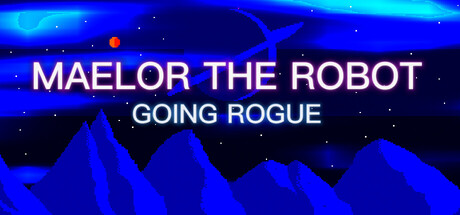
Some 2D graphic assets in this game, including character concept art and background images, were pre-rendered using generative AI tools. These AI-generated assets were then manually edited, refined, and optimized by the developer to fit the game's specific space theme and pixel art aesthetic.
Thunder Infinity was developed by a single person with no resources or financial support.
The artwork for the project was produced by generative AI under strict artistic guidelines.
In the future, if the game is well-received and sells well, a redesign by professional artists could be considered.
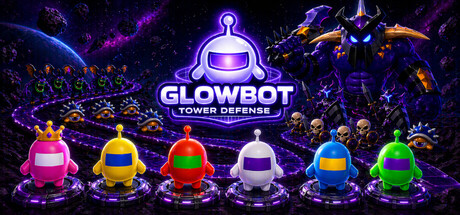
Some store assets (such as capsules and promotional images) were created with the assistance of AI tools due to limited resources during development. All gameplay, design, and core content of Glowbot Tower Defense are fully original and developed by me.
As future projects grow, I plan to collaborate with artists to further enhance the visual presentation.
This game uses generative AI to assist in creating certain in-game assets, including pixel-style character art, environmental backgrounds, and music. All AI-generated content was created using licensed commercial services.
Some promo art elements (promo character) and logo for the game were created using AI tools. Also parts of trailer and in-game soundtrack was created using AI-based tools.
This game was developed with the assistance of generative AI tools for portions of code, store text, and some marketing/supporting visual assets. The game does not generate AI content during gameplay.
Some visual assets in this game (including the main menu background and Steam store page capsule images) were created using generative AI tools (Google Gemini). All AI-generated content was pre-rendered during development and reviewed by the developer. The game does not use any AI generation during gameplay — all assets are static and packaged with the game.
1. In-game artwork
Some visual assets (e.g., character/decor sprites, UI icons) are generated with Google Gemini and OpenAI ChatGPT
(image generation) and further edited, retouched, and composed by the developer in the final art pipeline.
2. Store page and marketing graphical assets
Capsule art, library hero, library capsule, and promotional images are generated with Google Gemini and OpenAI
ChatGPT, and further edited, retouched, and composed by the developer before upload.
3. In-game localization
Text translations are AI-assisted using Anthropic Claude, with developer review for tone and accuracy.
Runtime behavior:
- No generative AI models are bundled with or called from the shipped game binary.
- All AI-generated content is pre-rendered and baked into final assets at build time.
- No user inputs are sent to any AI service during gameplay.
At combo 32, a full synth pad blooms into the void. That peak harmonic layer is generated by Google's Lyria 3 Pro music model, then mastered, EQ'd, and timed by hand to fit each track's BPM and key. The other audio layers — kick, bass, arpeggio — are synthesized live in the Web Audio API. All beat charts, timing windows, and gameplay are hand-designed. No procedural or AI-generated content drives play.
Some visual assets and audio elements in the game were created using AI-assisted tools and then refined and integrated into the final experience by the developer.
Loopfall uses generative AI for select shipped content:
• Music — created in collaboration with ElevenLabs.
• Sound effects — generated with ElevenLabs Sound Effects.
• Localization — store text and in-game UI strings are translated from English to 14 other languages via the Anthropic Claude API.
All AI-generated content is pre-rendered and baked into the build — no live AI runs at runtime. Every asset is licensed under each provider's commercial-use terms and was reviewed by the developer before release.
During the development process, we may use procedural- and AI-based tools to assist with content creation. In all such cases, the final product reflects the creativity and expression of our own development team.
This title uses generative AI for part of its localization process.
AI-generated translation drafts are reviewed and edited by the developer before implementation.
No content is dynamically generated by generative AI during gameplay.
Some of Bitroca's visual assets, UI elements, and audio were created with the help of generative AI tools, then
reviewed and finalized by a human developer before shipping. All content is pre-rendered and baked into the build no AI content is generated during gameplay.
This game was made available in many languages thanks to generative AI. Creation of some assets was performed or aided by generative AI tools.
If you ever beat an open-world game, you probably used more power than was used to generate all the assets in this game, including the ones that went unused. If you 100%'d that game, you used much, much more.
Some store page artwork, marketing text, and game code were created with the assistance of AI tools (including this text), with direction, editing, and curation by the developer. All game design and creative decisions are human-made.
This game uses generative AI tools during development to create some visual assets, including store capsule artwork, and to assist with localization. All AI-generated content has been reviewed, edited, and refined to ensure consistency and quality.
AI tools were used to help create the game’s soundtrack by generating the initial instrumental stems and raw audio elements. Those materials were then brought into Logic Pro, where the developer manually arranged, remixed, edited, and mastered them into the final tracks.
AI Disclosure
This game uses pre-generated AI assets for specific visual elements:
The beach background featured in branding and the title screen.
Selected environmental details and decorative art within the game world (such as shop window graphics).
AI tools were also used as efficiency aids during the development process (coding and reviews).
This game uses generative artificial intelligence to assist in the creation of certain visual elements. AI tools are used during development to help generate concept art, and refine environmental details. All AI-assisted content is carefully reviewed, edited, and integrated by the development team to ensure originality and consistency with the game’s style and design.
Some visual assets and parts of the development workflow for Forest of Numbers were created with the assistance of generative artificial intelligence tools. All content was curated, reviewed, and refined by the developer before being included in the final game.
Generative AI was used to assist in the creation of the game's soundtrack and audio assets. All AI-generated content has been reviewed and edited to ensure it meets quality standards and does not infringe on existing copyrights.
Generative AI was used to assist with parts of development (including some code drafting) and store page writing. All content was reviewed and finalized by the developer, and no AI-generated runtime content is included.
AI tools were used to assist with certain visual marketing assets, localized text translations, and music production. All generated content was reviewed, edited, and integrated by the developer before inclusion in the game and store materials.
Death Before Decaf uses generative AI tools to assist with visual asset production. This includes character and enemy sprites, environment art, and marketing capsule images, all created using a fine-tuned model trained on reference materials owned by Overdose Interactive (Scenario.gg with a custom DBD LoRA, plus Replicate/Flux for select assets). All AI-generated outputs are reviewed, edited, and approved by a human art director before being shipped in the game.
The game itself does not generate any AI content at runtime: all assets are pre-rendered and bundled with the build. The game does not connect to any external AI services during gameplay.
Donut Smash uses generative AI for selected voice acting, music creation, and early prototyping support. All AI-assisted content has been reviewed and adjusted by the development team.
WinBolo's core engine and gameplay code was originally written by John Morrison between 1998 and 2008. The 2.0 modernization — including build system updates, the networking rewrite and platform ports — was developed with assistance from AI coding tools, with all architectural decisions, code review, and final integration handled by John Morrison.
Some non-gameplay marketing materials — including images and video elements used in trailers, social media, and the store page — were created using AI image generation as a starting point, with composition, editing, effects, and final selection done by hand. Gameplay screenshots and video footage are unedited captures from the actual game.
The game itself contains no generative AI content at runtime. Player-facing in-game assets (graphics, sound, music, text, UI) are human-created. The in-game AI opponents ("Brains," including NewAutopilot and future ML-trained agents) use traditional game AI techniques and trained reinforcement-learning models — they don't generate text, images, or audio during play.
Some visual assets were generated with AI tools as a starting
point, then hand-edited, pixel-refined, and composited by the
developer. All creative direction, design, and final polish
is human-made.
The game was made with the help of generative AI tools for visual assets, store artwork, music, localization support, and development assistance. AI-assisted materials were reviewed, selected, edited where necessary, and integrated by the developer.
Some 2D graphic assets in this game, including character concept art and background images, were pre-rendered using generative AI tools. These AI-generated assets were then manually edited, refined, and optimized by the developer to fit the game's specific space theme and pixel art aesthetic.
Thunder Infinity was developed by a single person with no resources or financial support.
The artwork for the project was produced by generative AI under strict artistic guidelines.
In the future, if the game is well-received and sells well, a redesign by professional artists could be considered.
Some store assets (such as capsules and promotional images) were created with the assistance of AI tools due to limited resources during development. All gameplay, design, and core content of Glowbot Tower Defense are fully original and developed by me.
As future projects grow, I plan to collaborate with artists to further enhance the visual presentation.
This game uses generative AI to assist in creating certain in-game assets, including pixel-style character art, environmental backgrounds, and music. All AI-generated content was created using licensed commercial services.
Some promo art elements (promo character) and logo for the game were created using AI tools. Also parts of trailer and in-game soundtrack was created using AI-based tools.
This game was developed with the assistance of generative AI tools for portions of code, store text, and some marketing/supporting visual assets. The game does not generate AI content during gameplay.
Some visual assets in this game (including the main menu background and Steam store page capsule images) were created using generative AI tools (Google Gemini). All AI-generated content was pre-rendered during development and reviewed by the developer. The game does not use any AI generation during gameplay — all assets are static and packaged with the game.
1. In-game artwork
Some visual assets (e.g., character/decor sprites, UI icons) are generated with Google Gemini and OpenAI ChatGPT
(image generation) and further edited, retouched, and composed by the developer in the final art pipeline.
2. Store page and marketing graphical assets
Capsule art, library hero, library capsule, and promotional images are generated with Google Gemini and OpenAI
ChatGPT, and further edited, retouched, and composed by the developer before upload.
3. In-game localization
Text translations are AI-assisted using Anthropic Claude, with developer review for tone and accuracy.
Runtime behavior:
- No generative AI models are bundled with or called from the shipped game binary.
- All AI-generated content is pre-rendered and baked into final assets at build time.
- No user inputs are sent to any AI service during gameplay.
At combo 32, a full synth pad blooms into the void. That peak harmonic layer is generated by Google's Lyria 3 Pro music model, then mastered, EQ'd, and timed by hand to fit each track's BPM and key. The other audio layers — kick, bass, arpeggio — are synthesized live in the Web Audio API. All beat charts, timing windows, and gameplay are hand-designed. No procedural or AI-generated content drives play.
Some visual assets and audio elements in the game were created using AI-assisted tools and then refined and integrated into the final experience by the developer.
Loopfall uses generative AI for select shipped content:
• Music — created in collaboration with ElevenLabs.
• Sound effects — generated with ElevenLabs Sound Effects.
• Localization — store text and in-game UI strings are translated from English to 14 other languages via the Anthropic Claude API.
All AI-generated content is pre-rendered and baked into the build — no live AI runs at runtime. Every asset is licensed under each provider's commercial-use terms and was reviewed by the developer before release.
During the development process, we may use procedural- and AI-based tools to assist with content creation. In all such cases, the final product reflects the creativity and expression of our own development team.
This title uses generative AI for part of its localization process.
AI-generated translation drafts are reviewed and edited by the developer before implementation.
No content is dynamically generated by generative AI during gameplay.
Some of Bitroca's visual assets, UI elements, and audio were created with the help of generative AI tools, then
reviewed and finalized by a human developer before shipping. All content is pre-rendered and baked into the build no AI content is generated during gameplay.
This game was made available in many languages thanks to generative AI. Creation of some assets was performed or aided by generative AI tools.
If you ever beat an open-world game, you probably used more power than was used to generate all the assets in this game, including the ones that went unused. If you 100%'d that game, you used much, much more.
Some store page artwork, marketing text, and game code were created with the assistance of AI tools (including this text), with direction, editing, and curation by the developer. All game design and creative decisions are human-made.
This game uses generative AI tools during development to create some visual assets, including store capsule artwork, and to assist with localization. All AI-generated content has been reviewed, edited, and refined to ensure consistency and quality.
AI tools were used to help create the game’s soundtrack by generating the initial instrumental stems and raw audio elements. Those materials were then brought into Logic Pro, where the developer manually arranged, remixed, edited, and mastered them into the final tracks.
AI Disclosure
This game uses pre-generated AI assets for specific visual elements:
The beach background featured in branding and the title screen.
Selected environmental details and decorative art within the game world (such as shop window graphics).
AI tools were also used as efficiency aids during the development process (coding and reviews).
This game uses generative artificial intelligence to assist in the creation of certain visual elements. AI tools are used during development to help generate concept art, and refine environmental details. All AI-assisted content is carefully reviewed, edited, and integrated by the development team to ensure originality and consistency with the game’s style and design.