Public Steam disclosure research25,508 disclosures tracked
Where do games disclose AI use?
Search developers’ Steam disclosures, compare classified AI use across
games, and follow recorded changes.
This index adds cross-game classifications and statistics to
statements published on individual store pages.
Groups reflect automatic analysis of public disclosures; mature records are excluded. These counts do not measure AI use across all of Steam.
Missing or unclear statements cannot establish whether a game uses AI.
Some of the 2D visual assets in this game, background images, and UI elements, were created with the assistance of generative AI tools. Additionally, AI tools were utilized to assist with coding and script optimization during the development process.
We have used AI as a translation tool to translate this game from Japanese to English.
As a result, some parts of the text may contain unnatural phrasing or content that differs from the original intent.
This game does not contain any real-time generative AI features. Some game assets, including but not limited to animation effects, videos, and similar materials, were created with the assistance of AI.
This game uses generative AI for the translation of in-game text.
AI-generated translations are reviewed using translation services and human editing, and are revised or expanded as needed.
Generative AI is also used as a production aid for some UI images. Generated materials are manually edited and adjusted by humans.
Generative AI is not used to generate content while the game is running.
This game was created with the assistance of generative AI during development.
Generative AI tools were used to help produce parts of the game’s art, written content, and soundtrack. All AI-assisted content was selected, refined, and assembled by the developer as part of the final game experience.
Parts of development (coding assistance) and the store/marketing page's text and graphics were created using AI-assisted tools (including Anthropic Claude). In-game graphics and audio come from licensed asset packs or were assembled manually; no content is generated by AI at runtime within the game.
We use generative AI as an assistive tool during development to help with code writing and to generate drafts or concept materials for 일부 visual assets. All final in-game content is reviewed, edited, and produced by the development team.
In order to realize my childhood dream of building this game, I have leveraged AI in every step of the development process, augmenting my capabilities as an engineer and visual designer by having AI generate some of the sprites, music, sound effects, voices, and code used to build this game.
I pledge that if Card Knight: Astral Arcana is successful, the sequel title will be brought to life by a team of human artists, composers, and programmers.
We use generative AI tools to assist with:- Machine translation (MT) of interface and data text, reviewed before release.- Drafts of store page text and marketing materials.All content is reviewed by a human before publication.Art, creatures, and music [adjust to reflect reality] do not use generative AI / use AI for [X].
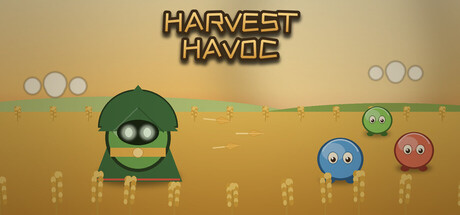
Some non-interactive assets in Harvest Havoc were produced with AI-assisted tools:
- Background music tracks were generated via AI music synthesis models, then curated and mixed by the developer.
- Sound effects were produced with AI-assisted audio generation tools.
- English and Japanese in-game text was drafted with AI translation assistance and then reviewed by the developer.
All gameplay code, level design, sprite art, and character animations were created by the developer without AI generation. No AI content is generated at runtime.
Google AI Studio Build and Antigravity were used for coding.
ChatGPT was used for design.
Stable Diffusion, Gemini 3.1 Flash Image, DALLE-3, MAI-image-1, and GPT-4o were used for images.
Suno was used for the BGM.
ElevenLabs Sound Effects was used for the sound effects.
Generative AI was used to create promotional video content for the game's marketing materials (specifically, a cinematic trailer generated with Kling AI). The game's core assets, gameplay, artwork, and audio were created by the development team. No AI-generated content is included in the in-game experience itself.
Generative AI was used to assist in creating certain visual assets and concept art. All AI-generated content was reviewed, edited, and integrated by the developer into the final game.
Generative AI tools are used to assist the development process, including concept art generation, programming support, and localization. All final content is reviewed and edited by the developer.
Some of this game's art, including certain item icons, UI elements, and the store/library and promotional images was created with the help of generative AI tools. Some background music was generated with AI and edited by the developer. All AI-generated content was reviewed by the developer for quality and to ensure it doesn't infringe third-party rights. No AI content is generated live during gameplay.
"Generative AI tools were utilized during the pre-production and development phases to assist in creating certain 2D visual assets and concept art. These assets were pre-generated, reviewed, and integrated into the game files prior to launch. No AI content is generated dynamically or in real-time by the game software itself. All final assets have been checked to ensure they adhere to proper copyright regulations."
AI tools were used strictly as a minor supplementary aid for light editing of select images and textures. Additionally, AI was partially utilized to generate specific ambient sound effects and assist with voiceover processing. All core game mechanics, 3D models, and primary assets were created manually by the developer.
During the development process, we may use procedural- and AI-based tools to assist with content creation. In all such cases, the final product reflects the creativity and expression of our own development team.
AI-assisted tools were used during visual exploration and iteration for some marketing materials, select visual drafts and music. Final design, creative direction, editing, asset selection, and implementation were handled by the developer.
Some of the meshes are generated with AI (its just for pre- alpha), in the final build all AI generated meshes and things will get replaced with handmade stuffs...
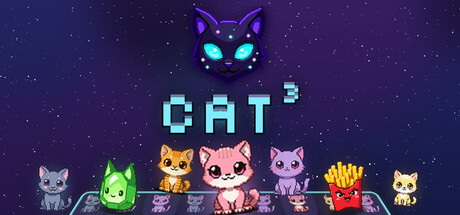
The visual art in Cat 3. The cat sprites, enemies, icons, relic, UI art, and the store/marketing images were created with the help of generative AI tools. I'm a solo developer and a programmer at heart: I can't draw, so I set up a local pixel-art generation pipeline to make the game's artwork. No AI-generated content is produced during gameplay.
This game was made with the help of AI. The music was generated using Suno, and AI tools assisted with other content and store materials, all reviewed and curated by the developer.
This game was developed with the assistance of generative AI. Generative AI was used to help create portions of the game's source code and some game assets (including certain artwork and prototype assets). All AI-generated content has been reviewed, modified, or integrated by the developer before being included in the game.
Some portions of the game's source code were developed with the assistance of generative AI tools. All gameplay design, story, puzzles, dialogue, creative direction, and final implementation decisions were created, reviewed, and controlled by the developer.
Some promotional artwork and marketing materials may also have been created with the assistance of generative AI tools and subsequently reviewed and edited by the developer.
No generative AI is used during gameplay, and no content is generated dynamically for players.
This game utilizes generative AI technologies for certain assets to enhance the game content and localization:
- Part of the vocal tracks and select background music (BGM) outside of the main gameplay.
- Specific visual assets used in music videos (MVs).
- Translation and localization assistance for the store page and game text.
This game was developed with coding assistance from Gemini, and the illustrations were created by first drawing the initial artwork and then using ChatGPT.
Some of this game's code and the tools that procedurally generate its visual assets were created with the assistance of an AI development assistant. All output was reviewed, edited, and tested by the developer. The game contains no AI-generated artwork from image-generation models, and no AI runs during gameplay.
Some of the 2D visual assets in this game, background images, and UI elements, were created with the assistance of generative AI tools. Additionally, AI tools were utilized to assist with coding and script optimization during the development process.
We have used AI as a translation tool to translate this game from Japanese to English.
As a result, some parts of the text may contain unnatural phrasing or content that differs from the original intent.
This game does not contain any real-time generative AI features. Some game assets, including but not limited to animation effects, videos, and similar materials, were created with the assistance of AI.
This game uses generative AI for the translation of in-game text.
AI-generated translations are reviewed using translation services and human editing, and are revised or expanded as needed.
Generative AI is also used as a production aid for some UI images. Generated materials are manually edited and adjusted by humans.
Generative AI is not used to generate content while the game is running.
This game was created with the assistance of generative AI during development.
Generative AI tools were used to help produce parts of the game’s art, written content, and soundtrack. All AI-assisted content was selected, refined, and assembled by the developer as part of the final game experience.
Parts of development (coding assistance) and the store/marketing page's text and graphics were created using AI-assisted tools (including Anthropic Claude). In-game graphics and audio come from licensed asset packs or were assembled manually; no content is generated by AI at runtime within the game.
We use generative AI as an assistive tool during development to help with code writing and to generate drafts or concept materials for 일부 visual assets. All final in-game content is reviewed, edited, and produced by the development team.
In order to realize my childhood dream of building this game, I have leveraged AI in every step of the development process, augmenting my capabilities as an engineer and visual designer by having AI generate some of the sprites, music, sound effects, voices, and code used to build this game.
I pledge that if Card Knight: Astral Arcana is successful, the sequel title will be brought to life by a team of human artists, composers, and programmers.
We use generative AI tools to assist with:- Machine translation (MT) of interface and data text, reviewed before release.- Drafts of store page text and marketing materials.All content is reviewed by a human before publication.Art, creatures, and music [adjust to reflect reality] do not use generative AI / use AI for [X].
Some non-interactive assets in Harvest Havoc were produced with AI-assisted tools:
- Background music tracks were generated via AI music synthesis models, then curated and mixed by the developer.
- Sound effects were produced with AI-assisted audio generation tools.
- English and Japanese in-game text was drafted with AI translation assistance and then reviewed by the developer.
All gameplay code, level design, sprite art, and character animations were created by the developer without AI generation. No AI content is generated at runtime.
Google AI Studio Build and Antigravity were used for coding.
ChatGPT was used for design.
Stable Diffusion, Gemini 3.1 Flash Image, DALLE-3, MAI-image-1, and GPT-4o were used for images.
Suno was used for the BGM.
ElevenLabs Sound Effects was used for the sound effects.
Generative AI was used to create promotional video content for the game's marketing materials (specifically, a cinematic trailer generated with Kling AI). The game's core assets, gameplay, artwork, and audio were created by the development team. No AI-generated content is included in the in-game experience itself.
Generative AI was used to assist in creating certain visual assets and concept art. All AI-generated content was reviewed, edited, and integrated by the developer into the final game.
Generative AI tools are used to assist the development process, including concept art generation, programming support, and localization. All final content is reviewed and edited by the developer.
Some of this game's art, including certain item icons, UI elements, and the store/library and promotional images was created with the help of generative AI tools. Some background music was generated with AI and edited by the developer. All AI-generated content was reviewed by the developer for quality and to ensure it doesn't infringe third-party rights. No AI content is generated live during gameplay.
"Generative AI tools were utilized during the pre-production and development phases to assist in creating certain 2D visual assets and concept art. These assets were pre-generated, reviewed, and integrated into the game files prior to launch. No AI content is generated dynamically or in real-time by the game software itself. All final assets have been checked to ensure they adhere to proper copyright regulations."
AI tools were used strictly as a minor supplementary aid for light editing of select images and textures. Additionally, AI was partially utilized to generate specific ambient sound effects and assist with voiceover processing. All core game mechanics, 3D models, and primary assets were created manually by the developer.
During the development process, we may use procedural- and AI-based tools to assist with content creation. In all such cases, the final product reflects the creativity and expression of our own development team.
AI-assisted tools were used during visual exploration and iteration for some marketing materials, select visual drafts and music. Final design, creative direction, editing, asset selection, and implementation were handled by the developer.
Some of the meshes are generated with AI (its just for pre- alpha), in the final build all AI generated meshes and things will get replaced with handmade stuffs...
The visual art in Cat 3. The cat sprites, enemies, icons, relic, UI art, and the store/marketing images were created with the help of generative AI tools. I'm a solo developer and a programmer at heart: I can't draw, so I set up a local pixel-art generation pipeline to make the game's artwork. No AI-generated content is produced during gameplay.
This game was made with the help of AI. The music was generated using Suno, and AI tools assisted with other content and store materials, all reviewed and curated by the developer.
This game was developed with the assistance of generative AI. Generative AI was used to help create portions of the game's source code and some game assets (including certain artwork and prototype assets). All AI-generated content has been reviewed, modified, or integrated by the developer before being included in the game.
Some portions of the game's source code were developed with the assistance of generative AI tools. All gameplay design, story, puzzles, dialogue, creative direction, and final implementation decisions were created, reviewed, and controlled by the developer.
Some promotional artwork and marketing materials may also have been created with the assistance of generative AI tools and subsequently reviewed and edited by the developer.
No generative AI is used during gameplay, and no content is generated dynamically for players.
This game utilizes generative AI technologies for certain assets to enhance the game content and localization:
- Part of the vocal tracks and select background music (BGM) outside of the main gameplay.
- Specific visual assets used in music videos (MVs).
- Translation and localization assistance for the store page and game text.
This game was developed with coding assistance from Gemini, and the illustrations were created by first drawing the initial artwork and then using ChatGPT.
Some of this game's code and the tools that procedurally generate its visual assets were created with the assistance of an AI development assistant. All output was reviewed, edited, and tested by the developer. The game contains no AI-generated artwork from image-generation models, and no AI runs during gameplay.