Public Steam disclosure research25,508 disclosures tracked
Where do games disclose AI use?
Search developers’ Steam disclosures, compare classified AI use across
games, and follow recorded changes.
This index adds cross-game classifications and statistics to
statements published on individual store pages.
Groups reflect automatic analysis of public disclosures; mature records are excluded. These counts do not measure AI use across all of Steam.
Missing or unclear statements cannot establish whether a game uses AI.
Some visual assets, images, or concept materials used in this game are created with AI-assisted tools and further selected, adjusted, integrated, or refined by the author for use in the game's artistic presentation and content production.
This game includes some AI-generated and AI-assisted content:
1. Some in-game sprites were adjusted or edited using AI tools.
2. AI was used to correct spelling and grammar in the game's text and on the store page.
3. Adjusting some of the chiptune tracks in the game to sound more musical by putting them all in key
4. Some Steam store and achievement assets were created with AI assistance, specifically generating the greyed-out (inactive) versions of the achievement icons from the colored originals, and producing the various required store image sizes from the original promotional artwork.
All AI-assisted content was manually reviewed before release.
Some art and music in Cookiesaner were created with AI-assisted tools: Image generation for sprites and backdrops, and AI-assisted music, then curated, edited, and finished by the solo developer alongside hand-craft and original composition. No AI-generated content is created at runtime; every asset is fixed and reviewed before it ships.
This game uses text-to-speech to generate character voices, image-to-3D tools to create ship models, and image-to-video tools to produce cinematic sequences you may encounter during gameplay.
AI-generated content has been used to enhance and enrich the in-game experience.
The promotional images, image graphics, and library asset images of the game are rendered using AI, with the main elements being in-game content and only rendering the atmosphere.
Other game models, scenes, and music did not use AI.
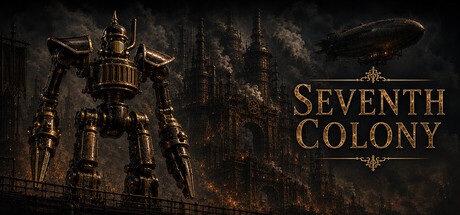
Cogfall was developed solo by Nodding Panda Studios. To bring the steampunk Clockwork Kingdom to life, AI tools were used to generate artwork and music under the creative direction of the developer. Every image and track was intentionally prompted, selected, and refined to fit the game's vision — AI served as a creative tool, not a replacement for creative decisions. All gameplay systems, code, game design, writing, and balancing were created entirely by the developer.
"AI tools (Leonardo AI) were used to generate some concept art and UI textures during development. AI tools (Gemini) were used to generate background music assets. All assets were pre-generated before being integrated into the game."
AI tools were only used in the development phase for code, textures, texts, audio and music production. There is no player-accessible AI generation feature or external AI service connection in the released game, and all built-in content has passed full manual compliance review.
We currently use AI for some of the audio dialogue as well as some of the placeholder 2D art assets. Our goal is to get art made for these where possible and we already have a voice actor and musician on board who is working on our audio.
The Early Access build includes some static pre-generated AI placeholder artwork used as temporary in-game assets during development. This content is not generated during gameplay, is not user-generated, and does not connect to any external AI service. Placeholder artwork may be replaced or polished during Early Access as final art is completed.
Generative AI tools were used to assist with drafting and editing store page text and marketing descriptions. All final content is reviewed and edited by the developer.
Character art and event scene illustrations in this game were created using AI image generation tools. All generated images were curated, edited, and refined by the developer to produce the final in-game assets. No AI content is generated in real time during gameplay.
Generative AI tools were used only to assist in the creation of certain store page and marketing images. No AI-generated content is created during gameplay, and the game does not use live AI systems or connect to external AI services while running.
Some of the textures of the game is created using AI. Some of the images are taking personal own stills and rendered into 2D pixel images using AI tools.
Generative AI was used in this game’s development and related asset creation, including the game code, three music tracks, selected visual assets, and multilingual localization translation.
The game's narration engine is a deterministic template system with zero runtime AI. The template/fragment library it draws from was hand-crafted in English, and then mass-localized during development using a large language model and then human-curated. No AI image generation was used: all art, icons, and store assets are procedurally rasterized from hand-authored primitive op-lists. The game contains no live/runtime AI generation.
Some Steam store page promotional images were created or edited with the assistance of generative AI tools. These assets are used only for store page or marketing presentation.
The playable game itself does not include generative AI features, does not connect to any AI service, and does not generate images, audio, text, or other content at runtime. No AI-generated images, audio, or text are included in the playable game build.
Hollow Signal contains pre-generated AI-assisted content, including portions of visual artwork, promotional imagery, and certain game assets. All content has been reviewed, curated, edited, and integrated into the final game by the solo developer.
This game contains pre-generated AI-generated and AI-assisted visual content.
Generative AI tools were used as part of the art creation process for certain visual assets appearing in the game and on the Steam store page. This may include building artwork, ability cards, character artwork, menu artwork, user interface elements, promotional images, store capsules, library assets, and other graphical materials.
All such content was reviewed, curated, modified where necessary, and approved by the developer before inclusion in the final game. The developer is responsible for the final content presented to players.
The game does not use live AI generation, AI-powered gameplay systems, or AI-generated user content. All AI-assisted content is pre-generated during development and distributed as part of the game files.
Character portraits and story illustrations received an AI enhancement pass based on the original hand-painted artwork. Each image was then refined with a manual hand-drawn pass.
This game uses pre-generated content created with the assistance of generative AI tools during development. This may include character concepts, 3D model source assets, capsule artwork, store page artwork, and other marketing visuals. All AI-assisted content is reviewed, edited, and integrated by the developer before being included in the game or store materials. The game does not use live-generated AI content during gameplay.
Artwork note: some visuals were generated with AI models in this early version. For now the focus is on mechanics, so they are placeholders. Over time I will make the style more consistent and replace them with assets designed specifically for AoNW.
During development, procedural and AI-assisted tools may be used to support certain content creation tasks. All content is reviewed, refined, and integrated by the developer. Examples include artwork coloring and sound effect generation.
This game uses generative AI tools as part of its development and content production process. AI-assisted workflows were used for selected visual assets, video materials, music or audio drafts, localization/text drafts, code assistance, and marketing/store page materials. All AI-assisted outputs are reviewed, edited, and integrated by the developer before inclusion.
The game does not generate AI content during gameplay and does not connect to external AI services while the game is running.
Generative AI was utilized exclusively during development to assist with writing and optimizing code. The game does not contain any AI-generated art, music, or other in-game assets.
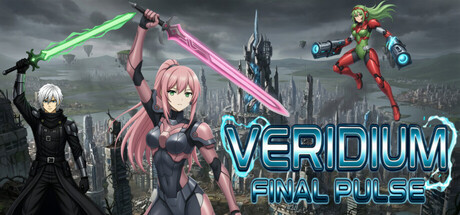
As the sole developer of Veridium: Final Pulse, I utilize generative AI tools as development assistants to create pre-rendered assets. AI technologies were used to generate 2D artwork, animations, music, sound effects, coding workflows, and promotional store texts. Crucially, all AI-generated elements have been thoroughly reviewed and curated, and were manually edited, modified, or refined wherever necessary to ensure high quality and artistic cohesion. The game contains no real-time or dynamically generated AI content during gameplay, and all tools are used under valid commercial licenses.
Some Library images are AI generated. Some (small amount) of in-game images are AI generated. 95% of all assets are created by real artists and in future going for the 100%.
AI tools were used to assist with concept art direction, store artwork iteration, written content, UI text refinement, and creative planning. All final content was reviewed, edited, and implemented by the developer.
Some visual assets, images, or concept materials used in this game are created with AI-assisted tools and further selected, adjusted, integrated, or refined by the author for use in the game's artistic presentation and content production.
This game includes some AI-generated and AI-assisted content:
1. Some in-game sprites were adjusted or edited using AI tools.
2. AI was used to correct spelling and grammar in the game's text and on the store page.
3. Adjusting some of the chiptune tracks in the game to sound more musical by putting them all in key
4. Some Steam store and achievement assets were created with AI assistance, specifically generating the greyed-out (inactive) versions of the achievement icons from the colored originals, and producing the various required store image sizes from the original promotional artwork.
All AI-assisted content was manually reviewed before release.
Some art and music in Cookiesaner were created with AI-assisted tools: Image generation for sprites and backdrops, and AI-assisted music, then curated, edited, and finished by the solo developer alongside hand-craft and original composition. No AI-generated content is created at runtime; every asset is fixed and reviewed before it ships.
This game uses text-to-speech to generate character voices, image-to-3D tools to create ship models, and image-to-video tools to produce cinematic sequences you may encounter during gameplay.
AI-generated content has been used to enhance and enrich the in-game experience.
The promotional images, image graphics, and library asset images of the game are rendered using AI, with the main elements being in-game content and only rendering the atmosphere.
Other game models, scenes, and music did not use AI.
Cogfall was developed solo by Nodding Panda Studios. To bring the steampunk Clockwork Kingdom to life, AI tools were used to generate artwork and music under the creative direction of the developer. Every image and track was intentionally prompted, selected, and refined to fit the game's vision — AI served as a creative tool, not a replacement for creative decisions. All gameplay systems, code, game design, writing, and balancing were created entirely by the developer.
"AI tools (Leonardo AI) were used to generate some concept art and UI textures during development. AI tools (Gemini) were used to generate background music assets. All assets were pre-generated before being integrated into the game."
AI tools were only used in the development phase for code, textures, texts, audio and music production. There is no player-accessible AI generation feature or external AI service connection in the released game, and all built-in content has passed full manual compliance review.
We currently use AI for some of the audio dialogue as well as some of the placeholder 2D art assets. Our goal is to get art made for these where possible and we already have a voice actor and musician on board who is working on our audio.
The Early Access build includes some static pre-generated AI placeholder artwork used as temporary in-game assets during development. This content is not generated during gameplay, is not user-generated, and does not connect to any external AI service. Placeholder artwork may be replaced or polished during Early Access as final art is completed.
Generative AI tools were used to assist with drafting and editing store page text and marketing descriptions. All final content is reviewed and edited by the developer.
Character art and event scene illustrations in this game were created using AI image generation tools. All generated images were curated, edited, and refined by the developer to produce the final in-game assets. No AI content is generated in real time during gameplay.
Generative AI tools were used only to assist in the creation of certain store page and marketing images. No AI-generated content is created during gameplay, and the game does not use live AI systems or connect to external AI services while running.
Some of the textures of the game is created using AI. Some of the images are taking personal own stills and rendered into 2D pixel images using AI tools.
Generative AI was used in this game’s development and related asset creation, including the game code, three music tracks, selected visual assets, and multilingual localization translation.
The game's narration engine is a deterministic template system with zero runtime AI. The template/fragment library it draws from was hand-crafted in English, and then mass-localized during development using a large language model and then human-curated. No AI image generation was used: all art, icons, and store assets are procedurally rasterized from hand-authored primitive op-lists. The game contains no live/runtime AI generation.
Some Steam store page promotional images were created or edited with the assistance of generative AI tools. These assets are used only for store page or marketing presentation.
The playable game itself does not include generative AI features, does not connect to any AI service, and does not generate images, audio, text, or other content at runtime. No AI-generated images, audio, or text are included in the playable game build.
Hollow Signal contains pre-generated AI-assisted content, including portions of visual artwork, promotional imagery, and certain game assets. All content has been reviewed, curated, edited, and integrated into the final game by the solo developer.
This game contains pre-generated AI-generated and AI-assisted visual content.
Generative AI tools were used as part of the art creation process for certain visual assets appearing in the game and on the Steam store page. This may include building artwork, ability cards, character artwork, menu artwork, user interface elements, promotional images, store capsules, library assets, and other graphical materials.
All such content was reviewed, curated, modified where necessary, and approved by the developer before inclusion in the final game. The developer is responsible for the final content presented to players.
The game does not use live AI generation, AI-powered gameplay systems, or AI-generated user content. All AI-assisted content is pre-generated during development and distributed as part of the game files.
Character portraits and story illustrations received an AI enhancement pass based on the original hand-painted artwork. Each image was then refined with a manual hand-drawn pass.
This game uses pre-generated content created with the assistance of generative AI tools during development. This may include character concepts, 3D model source assets, capsule artwork, store page artwork, and other marketing visuals. All AI-assisted content is reviewed, edited, and integrated by the developer before being included in the game or store materials. The game does not use live-generated AI content during gameplay.
Artwork note: some visuals were generated with AI models in this early version. For now the focus is on mechanics, so they are placeholders. Over time I will make the style more consistent and replace them with assets designed specifically for AoNW.
During development, procedural and AI-assisted tools may be used to support certain content creation tasks. All content is reviewed, refined, and integrated by the developer. Examples include artwork coloring and sound effect generation.
This game uses generative AI tools as part of its development and content production process. AI-assisted workflows were used for selected visual assets, video materials, music or audio drafts, localization/text drafts, code assistance, and marketing/store page materials. All AI-assisted outputs are reviewed, edited, and integrated by the developer before inclusion.
The game does not generate AI content during gameplay and does not connect to external AI services while the game is running.
Generative AI was utilized exclusively during development to assist with writing and optimizing code. The game does not contain any AI-generated art, music, or other in-game assets.
As the sole developer of Veridium: Final Pulse, I utilize generative AI tools as development assistants to create pre-rendered assets. AI technologies were used to generate 2D artwork, animations, music, sound effects, coding workflows, and promotional store texts. Crucially, all AI-generated elements have been thoroughly reviewed and curated, and were manually edited, modified, or refined wherever necessary to ensure high quality and artistic cohesion. The game contains no real-time or dynamically generated AI content during gameplay, and all tools are used under valid commercial licenses.
Some Library images are AI generated. Some (small amount) of in-game images are AI generated. 95% of all assets are created by real artists and in future going for the 100%.
AI tools were used to assist with concept art direction, store artwork iteration, written content, UI text refinement, and creative planning. All final content was reviewed, edited, and implemented by the developer.