Public Steam disclosure research25,508 disclosures tracked
Where do games disclose AI use?
Search developers’ Steam disclosures, compare classified AI use across
games, and follow recorded changes.
This index adds cross-game classifications and statistics to
statements published on individual store pages.
Groups reflect automatic analysis of public disclosures; mature records are excluded. These counts do not measure AI use across all of Steam.
Missing or unclear statements cannot establish whether a game uses AI.
This game uses a small amount of AI-assisted imagery for some background or supplementary visuals.
These assets were created using open-source AI tools and do not contain any copyrighted material.
All main character designs, animations, gameplay graphics, and the overall artistic direction were manually created by the developer.
Some visual materials of the game (such as logo, banner, or icon designs) were created using generative AI tools and then refined by the developer. All gameplay content and programming were fully created by the developer.
This project may contain minimum AI generated content such as 2D sprite & voice lines, etc. We try to hand make everything as much as possible but we are a small team and occasionally we do use AI generated content.
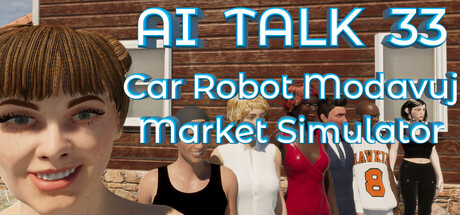
This title uses lightweight local AI to generate character conversations in real time.
Each playthrough features dynamic character interactions and evolving stories, letting you enjoy action within a living, breathing world.
This game uses AI-assisted tools to help create some concept art, promotional materials, and certain background visuals.
No live AI generation occurs during gameplay. All AI-assisted content has been reviewed, edited, and integrated by the developer to ensure originality and quality.
We utilized generative AI to create the game’s intro video, as well as to assist in the production of minor in-game assets such as handwritten notes, paintings, and certain textures. These tools were used to enhance visual variety and accelerate asset creation, while all core gameplay elements, design decisions, and final integrations were handled and refined by the development team.
This game utilizes a generative AI tool for the creation of its BGM (background music), some logos and localization.
The data was pre-rendered by the developer during the game's development and integrated as final game assets before release.
The game does not contain any features that generate content in real-time during gameplay. All content has been checked by the developer for compliance with the AI tool's commercial terms, and careful attention has been paid to avoid any copyright infringement or violation of general decency standards.
Our game leverages the power of AI in two key areas:
Visual Content: Some in-game graphics and visual assets were created using AI tools, enhancing the artistic quality and ensuring a unique experience for players.
Promotional Materials: The images and descriptions you see on this store page were generated with the help of AI, designed to provide clear and engaging information about the game.
This ensures a creative and dynamic approach to both the game’s design and its presentation to the community.
AI tools were used during development to draft some sound effects and musical ideas; these drafts were then re-edited, mixed, and curated by the team to match the intended tone. We also used AI-assisted coding to help write small utility systems. No AI runs at runtime: the game does not generate content or code while you play, and no player data is sent to AI services.
Some of the promotional and storefront images were created with AI tools and then refined by hand. All of the in-game assets were designed by a 3D artist.
AI-assisted tools were used during the development of this game, including assistance with writing game code, some audio assets, and certain promotional materials for this store page. All AI-assisted content was directed, reviewed, and integrated by the developer, and the game's design and creative direction are the developer's own. The game does not use AI at runtime: no gameplay content, player-facing text, or other material is generated by AI while playing.
This game does not use artificial intelligence during gameplay. However, AI tools were used to assist in creating certain promotional and marketing materials, such as key art and visual assets for the store page.
Using artificial intelligence:
Some famous games (example, lyrics, partial usage, and musical accompaniment) were created to promote technological progress. The lecture, one way or another, is dedicated to (OpenAI) and Mubert.
This helped expand the creative possibilities and add a unique atmosphere, while maintaining full creative control on the part of the developer.
Artificial intelligence (AI) was leveraged for key aspects of the game's development, including in-game logic, support systems, and certain artistic assets.
1. In-game voice lines are dubbed using AI.
2. The game includes one original BGM track by the developer; all other in-game sound effects are generated using AI.
3. Some AI-generated images are used as widgets.
4. A portion of the in-game models (about 5%) were initially created with AI and then modified.
The vending machine and island promo art were AI-generated; the final assets were later hand-retouched. The vending-machine’s facial animations were NOT made with AI.
This game used generative AI in a limited capacity during development to assist with Blueprint/code writing and debugging. It does not include any features that generate content or code in real time during gameplay, and no art, textures, sounds, story elements, marketing images were created using generative AI.
Trailer section and some of the game’s models were created with the assistance of AI. However, the overall content and design of the game were designed by us. AI was used only to support us in the visual aspects of the project.
This game uses Artificial Intelligence tools only to generate pre-rendered content such as promotional images, concept art, and some non-essential visual elements. The music tracks are also AI-generated. No part of the gameplay uses AI in real time; no levels, code, or dynamic content are generated during play.
All gameplay, level design, programming, and mechanics were created manually, with AI assistance only used to solve specific issues and speed up the development process. Artificial Intelligence does not intervene in or modify the player’s experience during gameplay.
This game does not use AI during gameplay.
However, certain promotional images on the store page were partially created or enhanced using AI-based tools.
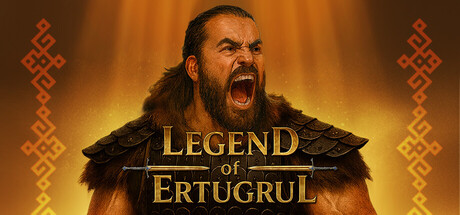
Legend of Ertuğrul is a story-driven action game featuring fixed content created by the development team.
During development, AI tools were used only for idea generation, text drafting, and the initial design stage of certain character visuals.
These visuals were then edited, repainted, or composited by the development team to create the final versions.
The game does not include any real-time AI content generation or user-created content features.
All texts, sounds, models, and code in the game were originally created by the developers or obtained from licensed sources.
we use AI across multiple areas of our creative process. This includes generating and enhancing textures, videos, stories, logos, concepts and ideas, music, voice acting, sound effects, and even 3D models. AI tools help us experiment faster, explore new artistic directions, and bring our worlds to life with greater efficiency and creativity.
Umbra Survivors does not use artificial intelligence during runtime.
AI tools were only used as development assistance to help prepare, optimize, or comment on code.
All in-game content (graphics, sounds, text, and code) has been manually reviewed and originates from internal development or properly licensed sources.
There's one painting inside the mansion building, in chapter 2 called "Full House" chapter.
That painting was generated by OpenAI ChatGpt as texture for painting mesh.
it's not live-generate content, but it's pre-rendered by AI.
Libra Apocrypha combines traditional art creation methods with generative AI practices to create hybrid designs for some 2D artworks featured within the game. Typically this is used to conform existing artworks to an aesthetic style by using AI-based tools to recolour and adjust composition of pre-rendered shots of characters, locations and effects, most notably present in current card designs.
ElevenLabs was utilized to produce several in-game audio elements, primarily VFX sounds, while GitHub Copilot assisted us in efficiently completing repetitive or time-consuming tasks.
During the development of RAEN: Survival Frontier, AI tools were used in a limited way during the concept phase to assist with early visual ideas and text drafts.
AI does not control gameplay, mechanics, character behavior, or in-game systems in real time.
All content in the game has been reviewed, edited, and implemented by the development team.
AI-generated content has been used very little in the game: text correction and translation for the Steam page and in-game text.
UI generation, which will likely be replaced later with non-AI-created assets.
Occasional code corrections, but 90% of the code was written by myself.
Generative AI helped me make this project from start to finish. It helped me write code, organize my work, stay focused, and build the art, sound, and design. Grammarly helped me polish my writing. Claude Code helped me repair code. ChatGPT helped me plan and think through systems and color. The Unity engine brought it all together. There is AI in this project, just as there is in almost every tool we all use today.
This game uses a small amount of AI-assisted imagery for some background or supplementary visuals.
These assets were created using open-source AI tools and do not contain any copyrighted material.
All main character designs, animations, gameplay graphics, and the overall artistic direction were manually created by the developer.
Some visual materials of the game (such as logo, banner, or icon designs) were created using generative AI tools and then refined by the developer. All gameplay content and programming were fully created by the developer.
This project may contain minimum AI generated content such as 2D sprite & voice lines, etc. We try to hand make everything as much as possible but we are a small team and occasionally we do use AI generated content.
This title uses lightweight local AI to generate character conversations in real time.
Each playthrough features dynamic character interactions and evolving stories, letting you enjoy action within a living, breathing world.
This game uses AI-assisted tools to help create some concept art, promotional materials, and certain background visuals.
No live AI generation occurs during gameplay. All AI-assisted content has been reviewed, edited, and integrated by the developer to ensure originality and quality.
We utilized generative AI to create the game’s intro video, as well as to assist in the production of minor in-game assets such as handwritten notes, paintings, and certain textures. These tools were used to enhance visual variety and accelerate asset creation, while all core gameplay elements, design decisions, and final integrations were handled and refined by the development team.
This game utilizes a generative AI tool for the creation of its BGM (background music), some logos and localization.
The data was pre-rendered by the developer during the game's development and integrated as final game assets before release.
The game does not contain any features that generate content in real-time during gameplay. All content has been checked by the developer for compliance with the AI tool's commercial terms, and careful attention has been paid to avoid any copyright infringement or violation of general decency standards.
Our game leverages the power of AI in two key areas:
Visual Content: Some in-game graphics and visual assets were created using AI tools, enhancing the artistic quality and ensuring a unique experience for players.
Promotional Materials: The images and descriptions you see on this store page were generated with the help of AI, designed to provide clear and engaging information about the game.
This ensures a creative and dynamic approach to both the game’s design and its presentation to the community.
AI tools were used during development to draft some sound effects and musical ideas; these drafts were then re-edited, mixed, and curated by the team to match the intended tone. We also used AI-assisted coding to help write small utility systems. No AI runs at runtime: the game does not generate content or code while you play, and no player data is sent to AI services.
Some of the promotional and storefront images were created with AI tools and then refined by hand. All of the in-game assets were designed by a 3D artist.
AI-assisted tools were used during the development of this game, including assistance with writing game code, some audio assets, and certain promotional materials for this store page. All AI-assisted content was directed, reviewed, and integrated by the developer, and the game's design and creative direction are the developer's own. The game does not use AI at runtime: no gameplay content, player-facing text, or other material is generated by AI while playing.
This game does not use artificial intelligence during gameplay. However, AI tools were used to assist in creating certain promotional and marketing materials, such as key art and visual assets for the store page.
Using artificial intelligence:
Some famous games (example, lyrics, partial usage, and musical accompaniment) were created to promote technological progress. The lecture, one way or another, is dedicated to (OpenAI) and Mubert.
This helped expand the creative possibilities and add a unique atmosphere, while maintaining full creative control on the part of the developer.
Artificial intelligence (AI) was leveraged for key aspects of the game's development, including in-game logic, support systems, and certain artistic assets.
1. In-game voice lines are dubbed using AI.
2. The game includes one original BGM track by the developer; all other in-game sound effects are generated using AI.
3. Some AI-generated images are used as widgets.
4. A portion of the in-game models (about 5%) were initially created with AI and then modified.
The vending machine and island promo art were AI-generated; the final assets were later hand-retouched. The vending-machine’s facial animations were NOT made with AI.
This game used generative AI in a limited capacity during development to assist with Blueprint/code writing and debugging. It does not include any features that generate content or code in real time during gameplay, and no art, textures, sounds, story elements, marketing images were created using generative AI.
Trailer section and some of the game’s models were created with the assistance of AI. However, the overall content and design of the game were designed by us. AI was used only to support us in the visual aspects of the project.
This game uses Artificial Intelligence tools only to generate pre-rendered content such as promotional images, concept art, and some non-essential visual elements. The music tracks are also AI-generated. No part of the gameplay uses AI in real time; no levels, code, or dynamic content are generated during play.
All gameplay, level design, programming, and mechanics were created manually, with AI assistance only used to solve specific issues and speed up the development process. Artificial Intelligence does not intervene in or modify the player’s experience during gameplay.
This game does not use AI during gameplay.
However, certain promotional images on the store page were partially created or enhanced using AI-based tools.
Legend of Ertuğrul is a story-driven action game featuring fixed content created by the development team.
During development, AI tools were used only for idea generation, text drafting, and the initial design stage of certain character visuals.
These visuals were then edited, repainted, or composited by the development team to create the final versions.
The game does not include any real-time AI content generation or user-created content features.
All texts, sounds, models, and code in the game were originally created by the developers or obtained from licensed sources.
we use AI across multiple areas of our creative process. This includes generating and enhancing textures, videos, stories, logos, concepts and ideas, music, voice acting, sound effects, and even 3D models. AI tools help us experiment faster, explore new artistic directions, and bring our worlds to life with greater efficiency and creativity.
Umbra Survivors does not use artificial intelligence during runtime.
AI tools were only used as development assistance to help prepare, optimize, or comment on code.
All in-game content (graphics, sounds, text, and code) has been manually reviewed and originates from internal development or properly licensed sources.
There's one painting inside the mansion building, in chapter 2 called "Full House" chapter.
That painting was generated by OpenAI ChatGpt as texture for painting mesh.
it's not live-generate content, but it's pre-rendered by AI.
Libra Apocrypha combines traditional art creation methods with generative AI practices to create hybrid designs for some 2D artworks featured within the game. Typically this is used to conform existing artworks to an aesthetic style by using AI-based tools to recolour and adjust composition of pre-rendered shots of characters, locations and effects, most notably present in current card designs.
ElevenLabs was utilized to produce several in-game audio elements, primarily VFX sounds, while GitHub Copilot assisted us in efficiently completing repetitive or time-consuming tasks.
During the development of RAEN: Survival Frontier, AI tools were used in a limited way during the concept phase to assist with early visual ideas and text drafts.
AI does not control gameplay, mechanics, character behavior, or in-game systems in real time.
All content in the game has been reviewed, edited, and implemented by the development team.
AI-generated content has been used very little in the game: text correction and translation for the Steam page and in-game text.
UI generation, which will likely be replaced later with non-AI-created assets.
Occasional code corrections, but 90% of the code was written by myself.
Generative AI helped me make this project from start to finish. It helped me write code, organize my work, stay focused, and build the art, sound, and design. Grammarly helped me polish my writing. Claude Code helped me repair code. ChatGPT helped me plan and think through systems and color. The Unity engine brought it all together. There is AI in this project, just as there is in almost every tool we all use today.