Public Steam disclosure research25,380 disclosures tracked
Where do games disclose AI use?
Search developers’ Steam disclosures, compare classified AI use across
games, and follow recorded changes.
This index adds cross-game classifications and statistics to
statements published on individual store pages.
Groups reflect automatic analysis of public disclosures; mature records are excluded. These counts do not measure AI use across all of Steam.
Missing or unclear statements cannot establish whether a game uses AI.
Some elements of the game were created with the help of AI-assisted tools and were then further developed through manual work — modified, improved, and integrated to align with the game’s overall style and vision.
No AI art is used. I do use AI to help with programming sometimes. Some small functions in code were written with AI. Other times AI will give me ideas about how to approach a programming problem.
AI was used to generate the Splash Screen (used in the store) and Character Thumbnails only, during development. All code, models, story, and audio were created manually.
Campaign Clash features a blend of handcrafted and AI-assisted visuals to bring the game to life. While AI was used to help generate some of the game's imagery, all assets were carefully curated, edited, and refined to ensure they align with the game's style and feel.
A minimal amount of non-essential content (such as minor textures and some translations) was created with limited AI assistance. No core gameplay, narrative, or artistic content was generated using AI.
In our game, we utilize Artificial Intelligence (AI) technology to generate some of the card images you will encounter during gameplay. This innovative approach allows us to create unique and diverse visuals that enhance your gaming experience. Please note that these images are pre-rendered using AI before being implemented into the game, ensuring both quality and compliance with copyright standards.
We are committed to transparency and adherence to digital content standards, ensuring that all AI-generated images comply with current copyright laws and platform guidelines. If you have any concerns about the content or have feedback regarding the AI-generated images, please feel free to reach out to us through the Steam community page or directly via our support channels.
"Statement on Game Development Process:
During the early conceptual design and creative ideation phase of this game, we utilized AI technology as a supplementary tool to help us explore and validate various artistic styles and creative directions more efficiently. These AI-generated reference materials provided us with initial inspiration.
However, the core creative concepts, story writing, character design, and all final art assets presented in the game were personally conceived and carefully crafted by our creative team. Each game element has undergone multiple rounds of manual optimization and fine-tuning to ensure the best gaming experience.
AI was used solely as an assistive tool, while the final game content is the result of human craftsmanship. We remain committed to human-driven creation as our primary approach, dedicated to delivering a unique and meticulously polished gaming experience to our players."
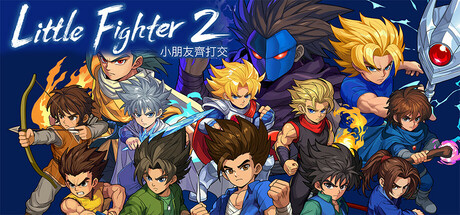
AI was used in the creation of certain visual assets, including character avatars, title screen artwork, promotional materials, and background art. However, these assets still required substantial manual work such as design, sketching, outline drawing, and polishing. The AI was used primarily as a tool for coloring and enhancement, and it did not dictate the creative direction. The visual style remains faithful to the original Little Fighter 2.
Some people assume that because AI was used in certain artwork, it must have been applied throughout the entire project. That is far from the truth. I used AI primarily for large-scale visual tasks. To give a clearer picture: the game includes over 3,000 hand-crafted sprite frames, composed from thousands of hand-drawn body parts. In contrast, only about 100 images were AI-assisted, and many of those, such as promotional artwork, don't even appear in the actual game.
I understand that some people may have concerns about the use of AI in the creative process. But I hope people can see the broader context and appreciate the amount of manual effort that went into making this game. Please know that I’m a solo developer working with a limited budget. I’ve been developing this project for around 3.5 years; even quitting my full-time job for a year to work on it full time, without expecting it to cover even half of my previous salary. I've done my best to balance quality and practicality. Your understanding and support mean a great deal to me.
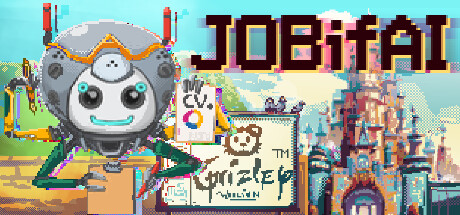
Our hero submitted a portfolio generated by an AI, and got a job interview.
After seeing the company's artwork (also AI generated) and the portfolio, the interview starts.
Using AI, the interviewer's reaction will be custom, based on the hero's text input.
All the rest (music, script...) is human.
Some of the 2D illustrations used in the game will be created with the help of generative AI technology like ChatGPT. These illustrations are designed to enhance the game's atmosphere and are combined with non-AI-generated content to create a cohesive artwork for the game. The use of generative AI is limited to 2D illustrations; no generative AI content will be used for other 3D assets.
Some of the store images are modified using artificial intelligence. In the game, the game background uses artificial intelligence, and some characters use artificial intelligence to make modifications on top of it.
In the creation of this game, generative AI technologies were utilized to enhance the player experience in the following ways:
- Question and Answer Creation: Generative AI was used to craft engaging and diverse questions, as well as corresponding answers, which form an essential part of the gameplay. This helped in generating a wide variety of content to keep the experience fresh and challenging for players.
- Voice Over: AI-powered voice synthesis was employed to produce dynamic voice-overs for various in-game dialogues and narrations. This technology allowed for the creation of multiple voices and accents, adding depth and diversity to the characters and world of the game.
- Translation: AI-driven translation services were used to provide multilingual support, allowing players from different linguistic backgrounds to enjoy the game in their native language. This approach enabled faster localization while maintaining accuracy and consistency across different languages.
These AI tools were used as part of our development process to improve efficiency and enrich the game's content, ensuring a more immersive experience for players.
Some of the music, sound effects, and visuals in this game have been generated using AI technologies, bringing a unique and creative twist to the game's overall experience.
AI was used to create translation, some game item icons, avatars and backgrounds for news. All locations, monsters, characters and items, as well as all original texts are created entirely by human artists.
The game contains images that were generated by the AI during the development process. The developer designed a specific prompt for each image that was requested from the AI and the generated images were stored in the game. No AI is used during the game and no internet connection is used.
Argillite Tamers connects to self hosted open source models on our personal kubernetes cluster in GCP. Players use an LLM and generative image model to create a Monster's likeness, stats, and moves.
Pre-generated AI was used during development to create 3D models and audio files. These assets were reviewed and edited by the developer before being included in the game.
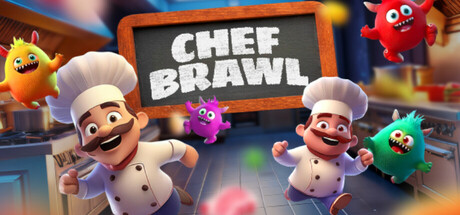
"In Chef Brawl, we have utilized AI in the following ways:
Content Generation: Some game content was initially generated using AI tools. This served as a starting point for our creative process.
Design References: AI was used to create design references and inspiration for our final product.
Human Refinement: While AI assisted in the initial stages, all AI-generated content and designs were reviewed, refined, and finalized by our human development team to ensure quality and coherence with our game vision.
No core gameplay mechanics or critical narrative elements rely on real-time AI processing. The AI was primarily used as a tool in our development process to enhance creativity and efficiency."
Some card and artifact graphics have been pre-rendered by generative AI - we're planning to replace these with non-generative art in future editions of the game.
In my game development process, I used GitHub Copilot to enhance coding efficiency.
During the creation of promotional images and videos, I may have used images generated by Stable Diffusion or music generated by Suno.
But these assets will NOT appear in the actual game!
Some elements of the game were created with the help of AI-assisted tools and were then further developed through manual work — modified, improved, and integrated to align with the game’s overall style and vision.
No AI art is used. I do use AI to help with programming sometimes. Some small functions in code were written with AI. Other times AI will give me ideas about how to approach a programming problem.
AI was used to generate the Splash Screen (used in the store) and Character Thumbnails only, during development. All code, models, story, and audio were created manually.
Campaign Clash features a blend of handcrafted and AI-assisted visuals to bring the game to life. While AI was used to help generate some of the game's imagery, all assets were carefully curated, edited, and refined to ensure they align with the game's style and feel.
A minimal amount of non-essential content (such as minor textures and some translations) was created with limited AI assistance. No core gameplay, narrative, or artistic content was generated using AI.
In our game, we utilize Artificial Intelligence (AI) technology to generate some of the card images you will encounter during gameplay. This innovative approach allows us to create unique and diverse visuals that enhance your gaming experience. Please note that these images are pre-rendered using AI before being implemented into the game, ensuring both quality and compliance with copyright standards.
We are committed to transparency and adherence to digital content standards, ensuring that all AI-generated images comply with current copyright laws and platform guidelines. If you have any concerns about the content or have feedback regarding the AI-generated images, please feel free to reach out to us through the Steam community page or directly via our support channels.
"Statement on Game Development Process:
During the early conceptual design and creative ideation phase of this game, we utilized AI technology as a supplementary tool to help us explore and validate various artistic styles and creative directions more efficiently. These AI-generated reference materials provided us with initial inspiration.
However, the core creative concepts, story writing, character design, and all final art assets presented in the game were personally conceived and carefully crafted by our creative team. Each game element has undergone multiple rounds of manual optimization and fine-tuning to ensure the best gaming experience.
AI was used solely as an assistive tool, while the final game content is the result of human craftsmanship. We remain committed to human-driven creation as our primary approach, dedicated to delivering a unique and meticulously polished gaming experience to our players."
AI was used in the creation of certain visual assets, including character avatars, title screen artwork, promotional materials, and background art. However, these assets still required substantial manual work such as design, sketching, outline drawing, and polishing. The AI was used primarily as a tool for coloring and enhancement, and it did not dictate the creative direction. The visual style remains faithful to the original Little Fighter 2.
Some people assume that because AI was used in certain artwork, it must have been applied throughout the entire project. That is far from the truth. I used AI primarily for large-scale visual tasks. To give a clearer picture: the game includes over 3,000 hand-crafted sprite frames, composed from thousands of hand-drawn body parts. In contrast, only about 100 images were AI-assisted, and many of those, such as promotional artwork, don't even appear in the actual game.
I understand that some people may have concerns about the use of AI in the creative process. But I hope people can see the broader context and appreciate the amount of manual effort that went into making this game. Please know that I’m a solo developer working with a limited budget. I’ve been developing this project for around 3.5 years; even quitting my full-time job for a year to work on it full time, without expecting it to cover even half of my previous salary. I've done my best to balance quality and practicality. Your understanding and support mean a great deal to me.
Our hero submitted a portfolio generated by an AI, and got a job interview.
After seeing the company's artwork (also AI generated) and the portfolio, the interview starts.
Using AI, the interviewer's reaction will be custom, based on the hero's text input.
All the rest (music, script...) is human.
Some of the 2D illustrations used in the game will be created with the help of generative AI technology like ChatGPT. These illustrations are designed to enhance the game's atmosphere and are combined with non-AI-generated content to create a cohesive artwork for the game. The use of generative AI is limited to 2D illustrations; no generative AI content will be used for other 3D assets.
Some of the store images are modified using artificial intelligence. In the game, the game background uses artificial intelligence, and some characters use artificial intelligence to make modifications on top of it.
In the creation of this game, generative AI technologies were utilized to enhance the player experience in the following ways:
- Question and Answer Creation: Generative AI was used to craft engaging and diverse questions, as well as corresponding answers, which form an essential part of the gameplay. This helped in generating a wide variety of content to keep the experience fresh and challenging for players.
- Voice Over: AI-powered voice synthesis was employed to produce dynamic voice-overs for various in-game dialogues and narrations. This technology allowed for the creation of multiple voices and accents, adding depth and diversity to the characters and world of the game.
- Translation: AI-driven translation services were used to provide multilingual support, allowing players from different linguistic backgrounds to enjoy the game in their native language. This approach enabled faster localization while maintaining accuracy and consistency across different languages.
These AI tools were used as part of our development process to improve efficiency and enrich the game's content, ensuring a more immersive experience for players.
Some of the music, sound effects, and visuals in this game have been generated using AI technologies, bringing a unique and creative twist to the game's overall experience.
AI was used to create translation, some game item icons, avatars and backgrounds for news. All locations, monsters, characters and items, as well as all original texts are created entirely by human artists.
The game contains images that were generated by the AI during the development process. The developer designed a specific prompt for each image that was requested from the AI and the generated images were stored in the game. No AI is used during the game and no internet connection is used.
Argillite Tamers connects to self hosted open source models on our personal kubernetes cluster in GCP. Players use an LLM and generative image model to create a Monster's likeness, stats, and moves.
Pre-generated AI was used during development to create 3D models and audio files. These assets were reviewed and edited by the developer before being included in the game.
"In Chef Brawl, we have utilized AI in the following ways:
Content Generation: Some game content was initially generated using AI tools. This served as a starting point for our creative process.
Design References: AI was used to create design references and inspiration for our final product.
Human Refinement: While AI assisted in the initial stages, all AI-generated content and designs were reviewed, refined, and finalized by our human development team to ensure quality and coherence with our game vision.
No core gameplay mechanics or critical narrative elements rely on real-time AI processing. The AI was primarily used as a tool in our development process to enhance creativity and efficiency."
Some card and artifact graphics have been pre-rendered by generative AI - we're planning to replace these with non-generative art in future editions of the game.
In my game development process, I used GitHub Copilot to enhance coding efficiency.
During the creation of promotional images and videos, I may have used images generated by Stable Diffusion or music generated by Suno.
But these assets will NOT appear in the actual game!