








Disclosure
Some images and music, as well as multilingual translations, etc.
- Creator
- Kim Star Game
- Reviews
- -
- Added
- Jun 12, 2026
Public Steam disclosure research 25,497 disclosures tracked
Search developers’ Steam disclosures, compare classified AI use across games, and follow recorded changes. This index adds cross-game classifications and statistics to statements published on individual store pages.
Code help, debugging and other development work.
Capsule art, trailers and promotional material.
Pre-made art, audio, writing and other game assets.
Interactive or runtime AI features disclosed by the developer.
Groups reflect automatic analysis of public disclosures; mature records are excluded. These counts do not measure AI use across all of Steam. Missing or unclear statements cannot establish whether a game uses AI.
Some images and music, as well as multilingual translations, etc.
Localizing the steam page and in-game text for non-English languages
During development, Some images we're made from AI assistance tools and later refined.
Generative AI tools were used to assist with development, including code support, store text drafting, and some visual/marketing assets. Final content was reviewed and edited by the developer.
This game uses AI-generated translation for localization in the following languages: Polish, Simplified Chinese, Brazilian Portuguese, Spanish, German, French, Korean, and Japanese.
The localization of store pages is done by generative AI.
Generative AI were used to assist in the creation of assets, and artwork. All generated content was reviewed and modified by the developers before inclusion in the final game.
This game uses generative AI only for content prepared prior to release, not while you play. • Store and marketing images (such as library artwork and app icons) may include elements created with generative image tools, then reviewed and edited by the developer. • Non-English interface text and localized Steam store descriptions may be produced or assisted by machine translation (including automated translation services), then reviewed where possible. Gameplay visuals are primarily programmatic pixel-style graphics generated by the game engine. Zone layouts are procedurally arranged by game logic, not by a generative AI model during play. The game does not use generative AI to create new images, audio, or narrative for you during gameplay, and it does not connect to third-party generative AI services while you are playing.
Terra Concordia was created by the solo developer at NCB Company with extensive use of generative artificial intelligence tools throughout the development process. Content created with AI assistance during development: • The 142 game cards (buildings, technologies, wonders, events, objectives): names, descriptions, costs, effects, and art were conceived and adjusted with AI assistance, under review and final decision by the human developer. • SVG vector art (cards, board, civilizations, store capsule arts, achievement icons, page banners): programmatically generated by scripts written with AI assistance. • Game mechanics and rules: brainstorming, balancing, and iteration done with AI assistance, always validated manually across hundreds of internal playtests. • The 6 solo-mode scenarios: themes, victory conditions, and difficulty designed with AI assistance, adjusted through playtesting. • Website, store descriptions, manuals, and Civilopedia: drafted with AI assistance, reviewed by the developer. • English and Spanish translations: pre-translated with AI, manually reviewed and polished. • Solo-mode opponent (Automa) logic: the script was written with AI assistance, but it is a fixed deterministic algorithm with no machine learning components. No content is generated by AI in real time during play. There are no images, texts, cards, or behaviors dynamically generated by AI while you play. The "Automa" (solo-mode AI opponent) is a script already embedded in the game code, executing pre-defined rules — without any alteration, generation, or learning during the match. All AI-assisted content was reviewed, tested, and approved by the human developer before release.
The marketing capsule images used on the Steam store page are AI‑generated.
Village Coop Clicker is a small hobby project created with extensive use of AI-assisted tools for programming, artwork, audio, localization, and store assets. The game design, balancing, progression systems, and overall creative direction were created and curated manually by the developer.
AI is used for generating game thumbnail with extra editing.
Some in-game audio, including phone call voices and ambient sounds, were generated using AI tools. Additionally, certain stickers and visual assets found in the Cancer's living area were created with the assistance of generative AI.
Ai was used to create 3D models and music.
Some visual assets used in the game and store page were created using a combination of licensed art assets, generative AI-assisted imagery, and manual editing by the developer. All AI-assisted content was reviewed and modified before being included in the final project.
All AI used to make this game has been limited to coordinating tasks and making minor images that will be replaced before release. Code assistance was a major portion of its use to find errors and fix script as needed. No AI is connecting to any third party or outside source during/before/after gameplay.
AI has helped creating the source code and store page text.
Some store visuals were created with artificial intelligence.
I used AI to help write the code for this game.
As an indie project, this game uses machine translation for some of the languages. No AI was used for the source text, artwork or sound.
Some of the scene and character illustrations are generated by AI.
This game contains AI-generated music used in promotional materials, including trailers. No AI-generated content is used in gameplay.
We use Emoji's not Ai for Game Assets. This game does contain code assets that were created with the assistance of generative AI tools. All AI-generated content was heavily curated, edited, and modified by our human development team to ensure it aligns with the game's unique vision and quality standards. We affirm that we have the appropriate rights to all assets, both AI-generated and human-created, used in our game.
Generative AI tools were used during development for technical planning, system architecture, building custom systems, code cleanup, and similar engineering support. Some current pre-release visual/model assets are AI-generated placeholders. These are intended to be replaced with final authored assets before release.
This game uses generative AI tools to create certain static visual assets, including background images, loading screens, character portraits, marketing materials, and ship illustrations. No generative AI is used during gameplay to create game mechanics, simulations, text content, or dynamic systems. All gameplay mechanics and simulation systems are entirely handcrafted and deterministic.
AI Usage Disclosure AI tools were used to assist in writing and reviewing portions of the game’s code, as well as for generating early marketing materials. All AI-generated content was reviewed, modified, and finalized by the developer.
AI was used to fix, format, and translate Steam Store Page assets and in-game text to various languages; to generate products icons (other sprites and textures are handmade)
Some visual assets (pixel art backgrounds, card sprites) and marketing copy (store descriptions) were created with the assistance of generative AI tools. All AI-generated content was reviewed, curated, and refined by the developer.
We believe that no person should be replaced by AI. All Primals — their models, animation, rigging, textures, SFX, and VFX — have been handcrafted by skilled artists. Our developers may choose to use generative AI as part of an iterative, exploratory development process, but how and when is left to individual team members, and the final product always reflects the creativity and expression of our own development team. As a small team, we have licensed some icons and 2D assets from external creators, and it is possible that some of these creators have used generative AI.
Music in Keeping Up is AI-assisted: tracks generated with Suno from prompts written, selected and edited by the developer. Code was written with the help of an AI coding assistant, under the developer's direction and review. Most in-game artwork (character portraits, board art, store capsules) are human-made by the project's artists. There are some placeholder AI artwork images.
Generative AI tools may be used during the development and marketing of WBS26 to assist with concept art, promotional images, placeholder visual materials, character portraits, text editing, localization support, and production workflow. Some character portraits or visual assets may be created or assisted by generative AI tools and then reviewed, selected, and edited by the developer before being included in the game. The game does not use generative AI to create gameplay content in real time for the player. AI-assisted materials are reviewed and edited by the developer before being included in the game or on the Steam store page.
Some 2D static art in this game (for example component icons in the UI, backgrounds, or similar decorative assets) was created with assistance from generative AI tools during development. Those assets were reviewed, edited, recolored, and cropped by humans before being included in the shipped build. The game does not call generative AI while you play—there is no live AI-generated story, dialogue, or imagery shown at runtime; gameplay rules, levels, and balance are implemented by design and code. We will update this statement and its localizations if our use of generative AI changes.
This game uses generative AI in the following areas: • Background artwork: All static background images displayed in menus and screen backdrops (e.g. brewery interior, fields, market, taverns) were created using generative AI. All images were carefully curated, selected, and post-processed by the developer to fit the game's "Soft Cinematic" 19th-century Belle Époque visual style. • Sound effects and ambient audio: Some in-game sounds were generated using AI audio tools under appropriate commercial licenses. All sounds were reviewed and selected by the developer. • Mission and narrative text: The campaign concept, story arc, and game design are the original work of the developer. Some campaign mission descriptions and in-game event texts were initially drafted with AI assistance based on the developer's outlines, and then reviewed, edited, and adapted to fit the game's tone and historical setting. No generative AI is used during gameplay. All gameplay logic, mechanics, character behaviors, and AI competitor strategies are implemented as deterministic code that does not generate content at runtime. The game does not connect to any external AI services.
AI-generated artifacts
Warning: This game contains trace amounts of human effort—mostly restricted to pressing "Ctrl+C" and "Ctrl+V." In the spirit of our title, "AI Slop" was created using generative artificial intelligence for practically every asset, line of code, and marketing material in existence. Here is exactly how we let the machine do our jobs: - Art & Assets: Every single visual asset, from the UI to the 6-fingered anime girls and the melting hands of our characters, was generated using text-to-image AI tools. No digital painters were harmed in the making of this game, because we didn't hire any. - Narrative & Writing: The dialogue, item descriptions, and this very disclosure statement were generated by LLMs. We simply prompted a chatbot to "be funny and cynical" and copied the output without editing the typos. - Code & Mechanics: The logic powering our card games and botnet automation was largely assembled by AI coding assistants. If the game crashes, please blame the algorithm, as our "lead developer" is actually just a prompt engineer. - Music & Sound: The background tracks were generated by synthetic audio engines to ensure a continuous stream of procedurally generated slop-lofi beats. We believe in a future where humans do not have to create things, freeing us up to spend more time looking at screens. We hope you enjoy consuming this premium, 100% synthetic digital garbage.
AI tools were used to generate some store icons and capsule-style promotional images. No AI-generated content is used as core gameplay, game code, or customer-facing interactive systems.
The music, dialogues, and artworks were partially created using AI tools.
All 3D models, music, and UI icons were created by humans. Generative AI was used for some in-game textures, localization, and translation.
A portion of the in-game assets and promotional images were created using AI generation tools.
Some visual assets and promotional materials for this game were created or assisted using generative AI tools. All content was reviewed, edited, and integrated by the developer.
Full release of the game will have NO AI generated content. Currently, I am using AI generated UI images temporarily only during development phase.
Generative AI has been used during development to create certain concept art, promotional materials, visual mockups, and marketing assets. These assets are used for early-stage presentation and community engagement. Gameplay systems, game design, programming, and final in-game content are developed and curated by the development team. No live-generated AI content is currently generated for players during gameplay.
Generative AI tools were used as part of the development process. For store page materials, AI-generated outputs were used as reference material. The final store assets were manually edited and assembled by the developer. For the game itself, generative AI tools were used to assist with the creation of some in-game visual assets, such as sprites, and to support programming and implementation work. All AI-assisted content is reviewed, edited, and integrated by the developer before inclusion. The game does not use live generative AI during gameplay and does not generate images, text, audio, or other content at runtime.
Generative AI was used to assist in the creation of some music and visual assets. All content is produced using licensed tools and reviewed by the development team to avoid copyright issues.
We are using AI generated images for our store page materials and some in game visuals (some icons etc.)
Generative AI tools were used during development to assist in creating select pre-rendered 2D background environments, UI icons, and character voice-over audio for cutscenes and narration. All AI-generated content was pre-generated and manually reviewed to ensure quality and compliance before being integrated into the game. The game does not generate any AI content live during gameplay.
AI tools were used to assist with the English localization of texts and dialogues. Additionally, some sound effects in the current Demo are AI-generated placeholders, which will be completely replaced with custom audio in the final release.
Some visual assets in OMNICORIUM were generated using AI tools, either directly during development or sourced from third-party creators who used AI-assisted generation. AI is used exclusively for selected visual assets. It is not used for gameplay systems, player interactions, procedural mechanics, or dynamic content generation.
Character, monster, and object sprites, as well as the app icon, were created using AI image generation tools and subsequently hand-edited and refined by the developer. Some in-game text was written with AI assistance.
This game was developed with the assistance of generative AI tools. However, AI does not generate any content in real-time or directly within the application. It was used exclusively during the production phase to create certain user interface elements, including visual components visible in-game. All AI-generated content was reviewed and approved by the development team prior to integration.
| Title⇅ | Disclosure | Creator⇅ | Src | Reviews⇅ | Added↓ |
|---|---|---|---|---|---|
 Drift Factory Unclear artaudiotext | Some images and music, as well as multilingual translations, etc. | Kim Star Game | - | Jun 12, 2026 | |
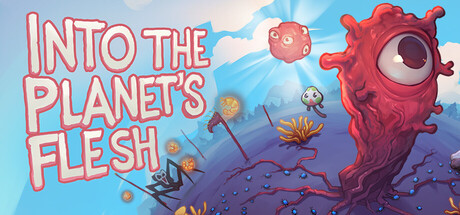 Into the Planet's Flesh In-game content text | Localizing the steam page and in-game text for non-English languages | Chugget | - | Jun 12, 2026 | |
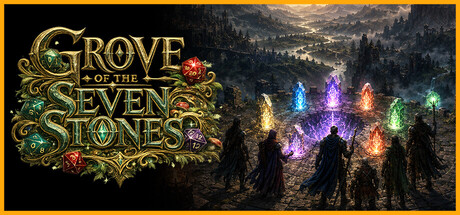 Grove of the Seven Stones In-game content art | During development, Some images we're made from AI assistance tools and later refined. | Mystic Dream Studio's | - | Jun 12, 2026 | |
 Castaway: Lost Horizon Store/marketing textartcode | Generative AI tools were used to assist with development, including code support, store text drafting, and some visual/marketing assets. Final content was reviewed and edited by the developer. | Fortuna Lectiones | - | Jun 12, 2026 | |
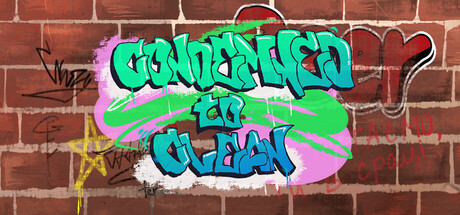 Condemned to Clean In-game content text | This game uses AI-generated translation for localization in the following languages: Polish, Simplified Chinese, Brazilian Portuguese, Spanish, German, French, Korean, and Japanese. | KOMA | - | Jun 11, 2026 | |
 Footballogy In-game content text | The localization of store pages is done by generative AI. | BRANE | - | Jun 11, 2026 | |
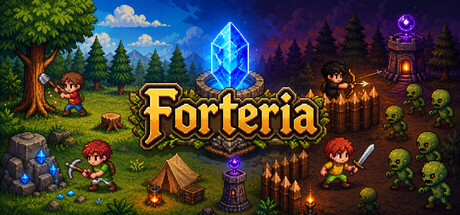 Forteria In-game content art | Generative AI were used to assist in the creation of assets, and artwork. All generated content was reviewed and modified by the developers before inclusion in the final game. | Sleepy Compiler | - | Jun 11, 2026 | |
 Never Ending Hero RPG In-game content arttext | This game uses generative AI only for content prepared prior to release, not while you play.
• Store and marketing images (such as library artwork and app icons) may include elements created with generative image tools, then reviewed and edited by the developer.
• Non-English interface text and localized Steam store descriptions may be produced or assisted by machine translation (including automated translation services), then reviewed where possible.
Gameplay visuals are primarily programmatic pixel-style graphics generated by the game engine. Zone layouts are procedurally arranged by game logic, not by a generative AI model during play.
The game does not use generative AI to create new images, audio, or narrative for you during gameplay, and it does not connect to third-party generative AI services while you are playing. | Missroot | 14 | Jun 11, 2026 | |
 Terra Concordia - Civilizações em Harmonia In-game content arttextcode | Terra Concordia was created by the solo developer at NCB Company with extensive use of generative artificial intelligence tools throughout the development process.
Content created with AI assistance during development:
• The 142 game cards (buildings, technologies, wonders, events, objectives): names, descriptions, costs, effects, and art were conceived and adjusted with AI assistance, under review and final decision by the human developer.
• SVG vector art (cards, board, civilizations, store capsule arts, achievement icons, page banners): programmatically generated by scripts written with AI assistance.
• Game mechanics and rules: brainstorming, balancing, and iteration done with AI assistance, always validated manually across hundreds of internal playtests.
• The 6 solo-mode scenarios: themes, victory conditions, and difficulty designed with AI assistance, adjusted through playtesting.
• Website, store descriptions, manuals, and Civilopedia: drafted with AI assistance, reviewed by the developer.
• English and Spanish translations: pre-translated with AI, manually reviewed and polished.
• Solo-mode opponent (Automa) logic: the script was written with AI assistance, but it is a fixed deterministic algorithm with no machine learning components.
No content is generated by AI in real time during play. There are no images, texts, cards, or behaviors dynamically generated by AI while you play. The "Automa" (solo-mode AI opponent) is a script already embedded in the game code, executing pre-defined rules — without any alteration, generation, or learning during the match.
All AI-assisted content was reviewed, tested, and approved by the human developer before release. | NCB Games | - | Jun 11, 2026 | |
 Restaurant Empire II | The marketing capsule images used on the Steam store page are AI‑generated. | Enlight Software Limited | 293 | Jun 11, 2026 | |
 Village Coop Clicker In-game content artaudiocodetext | Village Coop Clicker is a small hobby project created with extensive use of AI-assisted tools for programming, artwork, audio, localization, and store assets.
The game design, balancing, progression systems, and overall creative direction were created and curated manually by the developer. | DoMi Games | - | Jun 11, 2026 | |
 School Owner Simulator Store/marketing art | AI is used for generating game thumbnail with extra editing. | Bewolba Studios | - | Jun 10, 2026 | |
 GreenGas In-game content audioart | Some in-game audio, including phone call voices and ambient sounds, were generated using AI tools. Additionally, certain stickers and visual assets found in the Cancer's living area were created with the assistance of generative AI. | DanialEghtedari | - | Jun 10, 2026 | |
 OnGrid() In-game content artaudio | Ai was used to create 3D models and music. | Paranormality UK | - | Jun 10, 2026 | |
 Drug Dealer 2049 In-game content art | Some visual assets used in the game and store page were created using a combination of licensed art assets, generative AI-assisted imagery, and manual editing by the developer.
All AI-assisted content was reviewed and modified before being included in the final project. | Nextazio972 | - | Jun 10, 2026 | |
 3D Print Shop Simulator Dev only artcode | All AI used to make this game has been limited to coordinating tasks and making minor images that will be replaced before release. Code assistance was a major portion of its use to find errors and fix script as needed.
No AI is connecting to any third party or outside source during/before/after gameplay. | Spadez | - | Jun 10, 2026 | |
 Wetline Store/marketing codetext | AI has helped creating the source code and store page text. | AceBuffer | - | Jun 10, 2026 | |
 Deal Flipper Store/marketing art | Some store visuals were created with artificial intelligence. | Roovel Studio | - | Jun 10, 2026 | |
 Tech Empire Dev only code | I used AI to help write the code for this game. | sora5801 | - | Jun 9, 2026 | |
 The Line Must Not Stop In-game content text | As an indie project, this game uses machine translation for some of the languages.
No AI was used for the source text, artwork or sound. | ArcoDev | - | Jun 9, 2026 | |
 国王的游戏(King'sGame) In-game content art | Some of the scene and character illustrations are generated by AI. | Lazymangamestudio | - | Jun 9, 2026 | |
 Imperium of the Stars In-game content audio | This game contains AI-generated music used in promotional materials, including trailers. No AI-generated content is used in gameplay. | Imperium of the Stars | - | Jun 9, 2026 | |
 Idle Slots: Casino HQ In-game content code | We use Emoji's not Ai for Game Assets. This game does contain code assets that were created with the assistance of generative AI tools. All AI-generated content was heavily curated, edited, and modified by our human development team to ensure it aligns with the game's unique vision and quality standards. We affirm that we have the appropriate rights to all assets, both AI-generated and human-created, used in our game. | Bit Boy Games | - | Jun 9, 2026 | |
 augmenTD Dev only codeart | Generative AI tools were used during development for technical planning, system architecture, building custom systems, code cleanup, and similar engineering support.
Some current pre-release visual/model assets are AI-generated placeholders. These are intended to be replaced with final authored assets before release. | Brozilla_tv | - | Jun 9, 2026 | |
 European Seafreight Tycoon In-game content art | This game uses generative AI tools to create certain static visual assets, including background images, loading screens, character portraits, marketing materials, and ship illustrations.
No generative AI is used during gameplay to create game mechanics, simulations, text content, or dynamic systems. All gameplay mechanics and simulation systems are entirely handcrafted and deterministic. | Warnicke Gamedesign | 15 | Jun 9, 2026 | |
 Rockfall Store/marketing codeart | AI Usage Disclosure
AI tools were used to assist in writing and reviewing portions of the game’s code, as well as for generating early marketing materials. All AI-generated content was reviewed, modified, and finalized by the developer. | Kajter Games | - | Jun 9, 2026 | |
 Order Picker Simulator In-game content textart | AI was used to fix, format, and translate Steam Store Page assets and in-game text to various languages; to generate products icons (other sprites and textures are handmade) | trushkeen | - | Jun 9, 2026 | |
 Chopex In-game content arttext | Some visual assets (pixel art backgrounds, card sprites) and marketing copy (store descriptions) were created with the assistance of generative AI tools. All AI-generated content was reviewed, curated, and refined by the developer. | senator.ovh | - | Jun 8, 2026 | |
 Primal Tactica In-game content art | We believe that no person should be replaced by AI. All Primals — their models, animation, rigging, textures, SFX, and VFX — have been handcrafted by skilled artists.
Our developers may choose to use generative AI as part of an iterative, exploratory development process, but how and when is left to individual team members, and the final product always reflects the creativity and expression of our own development team.
As a small team, we have licensed some icons and 2D assets from external creators, and it is possible that some of these creators have used generative AI. | Errata Studio Ltd | - | Jun 8, 2026 | |
 Keeping Up In-game content audioart | Music in Keeping Up is AI-assisted: tracks generated with Suno from prompts written, selected and edited by the developer. Code was written with the help of an AI coding assistant, under the developer's direction and review. Most in-game artwork (character portraits, board art, store capsules) are human-made by the project's artists. There are some placeholder AI artwork images. | Nice Try Studios | - | Jun 8, 2026 | |
 WBS26 In-game content arttext | Generative AI tools may be used during the development and marketing of WBS26 to assist with concept art, promotional images, placeholder visual materials, character portraits, text editing, localization support, and production workflow.
Some character portraits or visual assets may be created or assisted by generative AI tools and then reviewed, selected, and edited by the developer before being included in the game.
The game does not use generative AI to create gameplay content in real time for the player. AI-assisted materials are reviewed and edited by the developer before being included in the game or on the Steam store page. | Maksym Lohvynenko | - | Jun 8, 2026 | |
 脉冲武装 In-game content art | Some 2D static art in this game (for example component icons in the UI, backgrounds, or similar decorative assets) was created with assistance from generative AI tools during development. Those assets were reviewed, edited, recolored, and cropped by humans before being included in the shipped build. The game does not call generative AI while you play—there is no live AI-generated story, dialogue, or imagery shown at runtime; gameplay rules, levels, and balance are implemented by design and code. We will update this statement and its localizations if our use of generative AI changes. | HuangJianJian | - | Jun 8, 2026 | |
 Braumeister: Der Brauerei-Tycoon In-game content artaudiotext | This game uses generative AI in the following areas:
• Background artwork: All static background images displayed in menus and screen backdrops (e.g. brewery interior, fields, market, taverns) were created using generative AI. All images were carefully curated, selected, and post-processed by the developer to fit the game's "Soft Cinematic" 19th-century Belle Époque visual style.
• Sound effects and ambient audio: Some in-game sounds were generated using AI audio tools under appropriate commercial licenses. All sounds were reviewed and selected by the developer.
• Mission and narrative text: The campaign concept, story arc, and game design are the original work of the developer. Some campaign mission descriptions and in-game event texts were initially drafted with AI assistance based on the developer's outlines, and then reviewed, edited, and adapted to fit the game's tone and historical setting.
No generative AI is used during gameplay. All gameplay logic, mechanics, character behaviors, and AI competitor strategies are implemented as deterministic code that does not generate content at runtime. The game does not connect to any external AI services. | Bernhard Robert Pichl | - | Jun 8, 2026 | |
 Port Logistics Simulator: Dockside Harbor Handling Unclear | AI-generated artifacts | Great Escape Games Publishing | - | Jun 8, 2026 | |
 AI Slop In-game content arttextcodeaudio | Warning: This game contains trace amounts of human effort—mostly restricted to pressing "Ctrl+C" and "Ctrl+V."
In the spirit of our title, "AI Slop" was created using generative artificial intelligence for practically every asset, line of code, and marketing material in existence.
Here is exactly how we let the machine do our jobs:
- Art & Assets: Every single visual asset, from the UI to the 6-fingered anime girls and the melting hands of our characters, was generated using text-to-image AI tools. No digital painters were harmed in the making of this game, because we didn't hire any.
- Narrative & Writing: The dialogue, item descriptions, and this very disclosure statement were generated by LLMs. We simply prompted a chatbot to "be funny and cynical" and copied the output without editing the typos.
- Code & Mechanics: The logic powering our card games and botnet automation was largely assembled by AI coding assistants. If the game crashes, please blame the algorithm, as our "lead developer" is actually just a prompt engineer.
- Music & Sound: The background tracks were generated by synthetic audio engines to ensure a continuous stream of procedurally generated slop-lofi beats.
We believe in a future where humans do not have to create things, freeing us up to spend more time looking at screens. We hope you enjoy consuming this premium, 100% synthetic digital garbage. | Recoil Mojo | - | Jun 7, 2026 | |
 Worst Shop in Town In-game content art | AI tools were used to generate some store icons and capsule-style promotional images. No AI-generated content is used as core gameplay, game code, or customer-facing interactive systems. | Antique Box Studio | - | Jun 7, 2026 | |
 Wild West Miner Simulator: First Gun In-game content audiotextart | The music, dialogues, and artworks were partially created using AI tools. | Digital Melody | 69 | Jun 6, 2026 | |
 Supermarket Chaos In-game content arttext | All 3D models, music, and UI icons were created by humans. Generative AI was used for some in-game textures, localization, and translation. | BunnyHop | 985 | Jun 6, 2026 | |
 Daily Brew Idle: Milk Tea Tycoon In-game content art | A portion of the in-game assets and promotional images were created using AI generation tools. | 天道(Tiandao Games) | - | Jun 6, 2026 | |
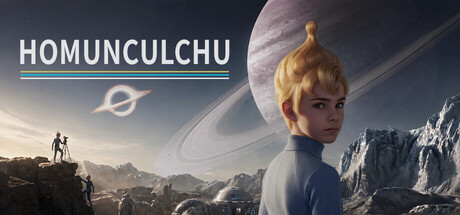 HOMUNCULCHU Store/marketing art | Some visual assets and promotional materials for this game were created or assisted using generative AI tools. All content was reviewed, edited, and integrated by the developer. | Okisyu | - | Jun 5, 2026 | |
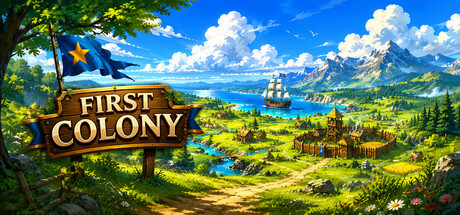 First Colony Dev only art | Full release of the game will have NO AI generated content. Currently, I am using AI generated UI images temporarily only during development phase. | Atesh Entertainment, Inc. | - | Jun 5, 2026 | |
 Urban Protocol In-game content art | Generative AI has been used during development to create certain concept art, promotional materials, visual mockups, and marketing assets. These assets are used for early-stage presentation and community engagement.
Gameplay systems, game design, programming, and final in-game content are developed and curated by the development team. No live-generated AI content is currently generated for players during gameplay. | Thomas Kraits | - | Jun 5, 2026 | |
 ATLASPIA: The Tower Manager In-game content artcode | Generative AI tools were used as part of the development process.
For store page materials, AI-generated outputs were used as reference material. The final store assets were manually edited and assembled by the developer.
For the game itself, generative AI tools were used to assist with the creation of some in-game visual assets, such as sprites, and to support programming and implementation work. All AI-assisted content is reviewed, edited, and integrated by the developer before inclusion.
The game does not use live generative AI during gameplay and does not generate images, text, audio, or other content at runtime. | IGM Studio | - | Jun 5, 2026 | |
 红楼梦华录 Red Chamber Chronicle In-game content audioart | Generative AI was used to assist in the creation of some music and visual assets. All content is produced using licensed tools and reviewed by the development team to avoid copyright issues. | Freedom Tree | - | Jun 5, 2026 | |
 All For $1 In-game content art | We are using AI generated images for our store page materials and some in game visuals (some icons etc.) | loot ducks | - | Jun 5, 2026 | |
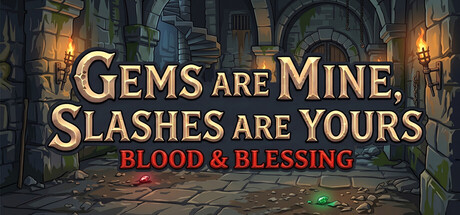 Gems are Mine, Slashes are Yours: Blood & Blessing In-game content artaudio | Generative AI tools were used during development to assist in creating select pre-rendered 2D background environments, UI icons, and character voice-over audio for cutscenes and narration. All AI-generated content was pre-generated and manually reviewed to ensure quality and compliance before being integrated into the game. The game does not generate any AI content live during gameplay. | DIM Games | - | Jun 5, 2026 | |
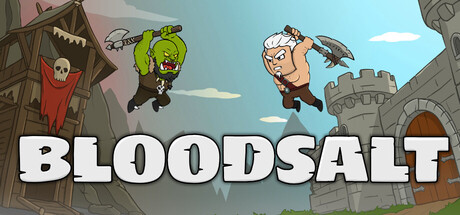 Bloodsalt In-game content textaudio | AI tools were used to assist with the English localization of texts and dialogues. Additionally, some sound effects in the current Demo are AI-generated placeholders, which will be completely replaced with custom audio in the final release. | LUKISGAMES | - | Jun 4, 2026 | |
 OMNICORIUM In-game content art | Some visual assets in OMNICORIUM were generated using AI tools, either directly during development or sourced from third-party creators who used AI-assisted generation.
AI is used exclusively for selected visual assets. It is not used for gameplay systems, player interactions, procedural mechanics, or dynamic content generation. | Malakyel | - | Jun 4, 2026 | |
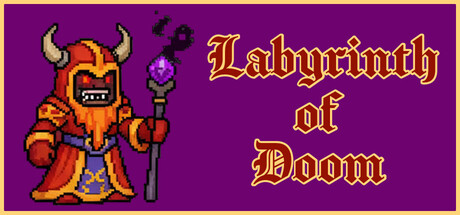 Labyrinth of Doom In-game content arttext | Character, monster, and object sprites, as well as the app icon, were created using AI image generation tools and subsequently hand-edited and refined by the developer. Some in-game text was written with AI assistance. | David Riggle | - | Jun 4, 2026 | |
 Farming Chillhood In-game content art | This game was developed with the assistance of generative AI tools. However, AI does not generate any content in real-time or directly within the application. It was used exclusively during the production phase to create certain user interface elements, including visual components visible in-game. All AI-generated content was reviewed and approved by the development team prior to integration. | Keyboard Smasherz | - | Jun 4, 2026 |


