Public Steam disclosure research25,508 disclosures tracked
Where do games disclose AI use?
Search developers’ Steam disclosures, compare classified AI use across
games, and follow recorded changes.
This index adds cross-game classifications and statistics to
statements published on individual store pages.
Groups reflect automatic analysis of public disclosures; mature records are excluded. These counts do not measure AI use across all of Steam.
Missing or unclear statements cannot establish whether a game uses AI.
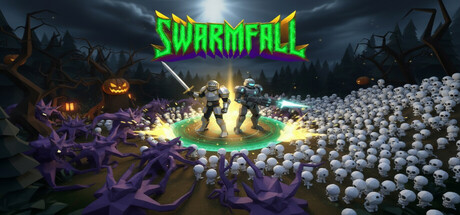
SWARMFALL uses generative AI only for the following 2D images:
Hero icons / profile pictures displayed in the UI and on the store page
Some marketing assets (Steam capsules, banners) and trailer music
All other content — 3D character models, levels, environments, gameplay mechanics and code — was created by hand in Blender or built from royalty-free assets, with no AI. No content is generated by AI during gameplay or in real-time.
This game uses generative artificial intelligence to assist with development.
AI tools were used to create concept art, textures, sound effects, music elements, dialogue, and portions of the game’s code.
All AI‑generated content was reviewed, edited, and integrated by the developer to ensure quality, consistency, and originality.
Specifically:
Tools used: ChatGPT
What was created with AI: Capsule images, library assets, and in-game artwork (backgrounds, visual elements, UI components).
Process: All AI-generated outputs were reviewed, curated, and edited by me to ensure they fit the game's pixel-neon aesthetic and overall style. Outputs that did not meet quality or style standards were discarded or further edited.
Rights & legal compliance: I have taken care to avoid generating content that infringes on existing copyrights or trademarks. No prompts referenced real persons, specific copyrighted characters, or trademarked properties. The final assets are used only within this game and its marketing materials.
No live-generated AI is used during gameplay. All AI-generated content was finalized during development and ships as static assets.
All design, writing, and creative direction in this game are human-made. Generative AI was used only as a workflow tool for pre-rendered assets — achievement icons, platform tilesets, zone backgrounds, the soundtrack, and the DE / FR / ES / IT translations
of the human-written English text. All assets were reviewed and finalised by the developer. The game runs no AI at runtime.
AI was used during development to assist with code generation, some graphical assets, and selected music or audio elements. All content was reviewed and edited by the developer before being included in the game.
A small number of icons and one minor 3D model were generated with AI tools and then edited by the developer. All AI-assisted assets were reviewed and refined before inclusion. No content is generated at runtime.
This is my first game project, created as a learning experience and a personal milestone in my journey as a developer.
Some of the game assets, including 3D models and music, have been generated using artificial intelligence tools. These resources are used to support the creative process and allow me to focus on gameplay design, programming, and overall game development.
All AI-generated content has been carefully selected, integrated, and refined to fit the artistic direction and gameplay experience of the project.
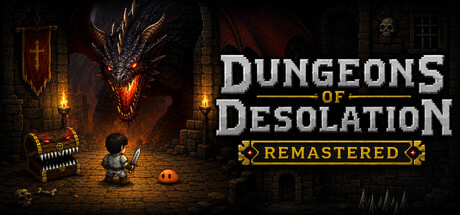
Dungeons of Desolation Remastered is based on my original 2012 Xbox Live Indie Games release. The original artwork, music, sound effects, code, game design, story, systems, and overall creative direction were created by me as an individual developer.
For this remastered PC version, I have used generative AI tools as part of the development process to assist with asset upscaling/enhancement and with porting/refactoring the original XNA codebase to a modern MonoGame version. AI-assisted work is reviewed, edited, and integrated by me.
Generative AI is not used to dynamically generate gameplay, story, dialogue, items, levels, or player-facing content at runtime.
Generative AI tools were used as part of the development workflow for programming assistance, debugging support, implementation planning, and visual refinement.
AI-assisted visual workflows were used to explore, refine, or produce some visual elements. All such content was reviewed and integrated manually by the developer.
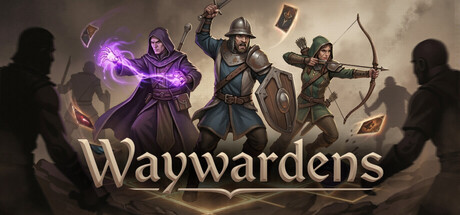
Waywardens does not use live generative AI during gameplay. The game does not generate AI content at runtime and does not send player input to AI services.
Generative AI tools may be used during development to assist with translations for supported languages. These translations may appear as in-game text. The game does not use live-generated AI content during gameplay.
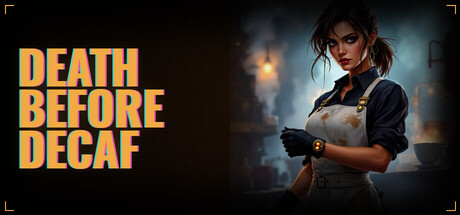
Death Before Decaf uses generative AI tools to assist with visual asset production. This includes character and enemy sprites, environment art, and marketing capsule images, all created using a fine-tuned model trained on reference materials owned by Overdose Interactive (Scenario.gg with a custom DBD LoRA, plus Replicate/Flux for select assets). All AI-generated outputs are reviewed, edited, and approved by a human art director before being shipped in the game.
The game itself does not generate any AI content at runtime: all assets are pre-rendered and bundled with the build. The game does not connect to any external AI services during gameplay.
AI image generation tools were used to create character artwork, background illustrations, and other visual assets in this game. AI coding assistance tools were used extensively throughout the development process for game logic and programming.
Some visual assets and concept art were created or assisted using AI tools during development. Everything has been reviewed and refined by the developer to match the game’s style and quality.
Some visual assets were generated with AI tools as a starting
point, then hand-edited, pixel-refined, and composited by the
developer. All creative direction, design, and final polish
is human-made.
AI tools were used to generate a small number of character portraits, sprite drafts, and some sound effect assets during development. All AI-generated content was reviewed, edited, and integrated by the development team.
Generative AI tools were used as an aid for localization and for some in-game animations. All results were reviewed and manually refined by the developer.
Some 2D graphic assets in this game, including character concept art and background images, were pre-rendered using generative AI tools. These AI-generated assets were then manually edited, refined, and optimized by the developer to fit the game's specific space theme and pixel art aesthetic.
Some visual assets and materials used in the game were created or enhanced with the help of AI tools during development.
All AI-assisted content was reviewed, edited, and integrated by the developer.
The game does not use AI to generate content during gameplay.
In order to provide accessibility, AI was used to create the narration for the tutorial and encyclopaedia. Also some of the background and encyclopaedia images were generated using AI, but will be replaced for 1.0 launch.
Generative AI tools were used as an assistive resource during the planning and development of this game.
All AI-generated outputs were reviewed and refined by the development team before inclusion in the final product.
Some visual, audio, and narrative assets in We Die Below were created using AI-assisted tools as part of the development process. All such content was reviewed, edited, and refined by the development team to ensure consistency and quality.
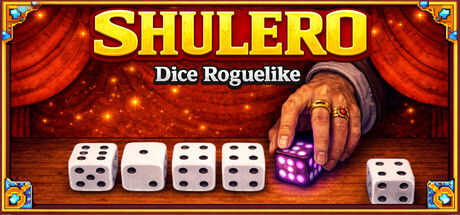
Visual assets (hero portraits, card art backgrounds, dice imagery, booster pack illustrations) were generated using Midjourney and refined/composed in Photopea. Suit pip icons are by Lorc and Delapouite via game-icons.net (CC BY 3.0). Sound effects and music were generated using AI tools. All AI-generated content was directed, curated, and integrated by the developer. No AI is used to generate content live at runtime — all assets are pre-rendered and embedded in the build.
Some visual prototype assets and early promotional materials may include content created with generative AI. Final gameplay design, implementation, balancing, and overall creative direction are developed by the creator.
Some visual assets (card art and character portraits) generated using Google Gemini image models. Some SFX partially generated via ElevenLabs where Unity Assets were not available. All licensed for commercial use. Game design, code, and text content are original.
This game uses AI tools to help assist in the development process. To ensure a high-quality experience, all element has been manually reviewed and refined by our development team to meet our creative standards and Steam's community guidelines.
During the development process, we may use procedural- and AI-based tools to assist with content creation. In all such cases, the final product reflects the creativity and expression of our own development team.
The model creation and icon production in the game used a combination of AI and manual editing. All translations were generated by AI. The store page promotional images were generated by AI and then manually edited.
SWARMFALL uses generative AI only for the following 2D images:
Hero icons / profile pictures displayed in the UI and on the store page
Some marketing assets (Steam capsules, banners) and trailer music
All other content — 3D character models, levels, environments, gameplay mechanics and code — was created by hand in Blender or built from royalty-free assets, with no AI. No content is generated by AI during gameplay or in real-time.
This game uses generative artificial intelligence to assist with development.
AI tools were used to create concept art, textures, sound effects, music elements, dialogue, and portions of the game’s code.
All AI‑generated content was reviewed, edited, and integrated by the developer to ensure quality, consistency, and originality.
Specifically:
Tools used: ChatGPT
What was created with AI: Capsule images, library assets, and in-game artwork (backgrounds, visual elements, UI components).
Process: All AI-generated outputs were reviewed, curated, and edited by me to ensure they fit the game's pixel-neon aesthetic and overall style. Outputs that did not meet quality or style standards were discarded or further edited.
Rights & legal compliance: I have taken care to avoid generating content that infringes on existing copyrights or trademarks. No prompts referenced real persons, specific copyrighted characters, or trademarked properties. The final assets are used only within this game and its marketing materials.
No live-generated AI is used during gameplay. All AI-generated content was finalized during development and ships as static assets.
All design, writing, and creative direction in this game are human-made. Generative AI was used only as a workflow tool for pre-rendered assets — achievement icons, platform tilesets, zone backgrounds, the soundtrack, and the DE / FR / ES / IT translations
of the human-written English text. All assets were reviewed and finalised by the developer. The game runs no AI at runtime.
AI was used during development to assist with code generation, some graphical assets, and selected music or audio elements. All content was reviewed and edited by the developer before being included in the game.
A small number of icons and one minor 3D model were generated with AI tools and then edited by the developer. All AI-assisted assets were reviewed and refined before inclusion. No content is generated at runtime.
This is my first game project, created as a learning experience and a personal milestone in my journey as a developer.
Some of the game assets, including 3D models and music, have been generated using artificial intelligence tools. These resources are used to support the creative process and allow me to focus on gameplay design, programming, and overall game development.
All AI-generated content has been carefully selected, integrated, and refined to fit the artistic direction and gameplay experience of the project.
Dungeons of Desolation Remastered is based on my original 2012 Xbox Live Indie Games release. The original artwork, music, sound effects, code, game design, story, systems, and overall creative direction were created by me as an individual developer.
For this remastered PC version, I have used generative AI tools as part of the development process to assist with asset upscaling/enhancement and with porting/refactoring the original XNA codebase to a modern MonoGame version. AI-assisted work is reviewed, edited, and integrated by me.
Generative AI is not used to dynamically generate gameplay, story, dialogue, items, levels, or player-facing content at runtime.
Generative AI tools were used as part of the development workflow for programming assistance, debugging support, implementation planning, and visual refinement.
AI-assisted visual workflows were used to explore, refine, or produce some visual elements. All such content was reviewed and integrated manually by the developer.
Waywardens does not use live generative AI during gameplay. The game does not generate AI content at runtime and does not send player input to AI services.
Generative AI tools may be used during development to assist with translations for supported languages. These translations may appear as in-game text. The game does not use live-generated AI content during gameplay.
Death Before Decaf uses generative AI tools to assist with visual asset production. This includes character and enemy sprites, environment art, and marketing capsule images, all created using a fine-tuned model trained on reference materials owned by Overdose Interactive (Scenario.gg with a custom DBD LoRA, plus Replicate/Flux for select assets). All AI-generated outputs are reviewed, edited, and approved by a human art director before being shipped in the game.
The game itself does not generate any AI content at runtime: all assets are pre-rendered and bundled with the build. The game does not connect to any external AI services during gameplay.
AI image generation tools were used to create character artwork, background illustrations, and other visual assets in this game. AI coding assistance tools were used extensively throughout the development process for game logic and programming.
Some visual assets and concept art were created or assisted using AI tools during development. Everything has been reviewed and refined by the developer to match the game’s style and quality.
Some visual assets were generated with AI tools as a starting
point, then hand-edited, pixel-refined, and composited by the
developer. All creative direction, design, and final polish
is human-made.
AI tools were used to generate a small number of character portraits, sprite drafts, and some sound effect assets during development. All AI-generated content was reviewed, edited, and integrated by the development team.
Generative AI tools were used as an aid for localization and for some in-game animations. All results were reviewed and manually refined by the developer.
Some 2D graphic assets in this game, including character concept art and background images, were pre-rendered using generative AI tools. These AI-generated assets were then manually edited, refined, and optimized by the developer to fit the game's specific space theme and pixel art aesthetic.
Some visual assets and materials used in the game were created or enhanced with the help of AI tools during development.
All AI-assisted content was reviewed, edited, and integrated by the developer.
The game does not use AI to generate content during gameplay.
In order to provide accessibility, AI was used to create the narration for the tutorial and encyclopaedia. Also some of the background and encyclopaedia images were generated using AI, but will be replaced for 1.0 launch.
Generative AI tools were used as an assistive resource during the planning and development of this game.
All AI-generated outputs were reviewed and refined by the development team before inclusion in the final product.
Some visual, audio, and narrative assets in We Die Below were created using AI-assisted tools as part of the development process. All such content was reviewed, edited, and refined by the development team to ensure consistency and quality.
Visual assets (hero portraits, card art backgrounds, dice imagery, booster pack illustrations) were generated using Midjourney and refined/composed in Photopea. Suit pip icons are by Lorc and Delapouite via game-icons.net (CC BY 3.0). Sound effects and music were generated using AI tools. All AI-generated content was directed, curated, and integrated by the developer. No AI is used to generate content live at runtime — all assets are pre-rendered and embedded in the build.
Some visual prototype assets and early promotional materials may include content created with generative AI. Final gameplay design, implementation, balancing, and overall creative direction are developed by the creator.
Some visual assets (card art and character portraits) generated using Google Gemini image models. Some SFX partially generated via ElevenLabs where Unity Assets were not available. All licensed for commercial use. Game design, code, and text content are original.
This game uses AI tools to help assist in the development process. To ensure a high-quality experience, all element has been manually reviewed and refined by our development team to meet our creative standards and Steam's community guidelines.
During the development process, we may use procedural- and AI-based tools to assist with content creation. In all such cases, the final product reflects the creativity and expression of our own development team.
The model creation and icon production in the game used a combination of AI and manual editing. All translations were generated by AI. The store page promotional images were generated by AI and then manually edited.