Public Steam disclosure research25,512 disclosures tracked
Where do games disclose AI use?
Search developers’ Steam disclosures, compare classified AI use across
games, and follow recorded changes.
This index adds cross-game classifications and statistics to
statements published on individual store pages.
Groups reflect automatic analysis of public disclosures; mature records are excluded. These counts do not measure AI use across all of Steam.
Missing or unclear statements cannot establish whether a game uses AI.
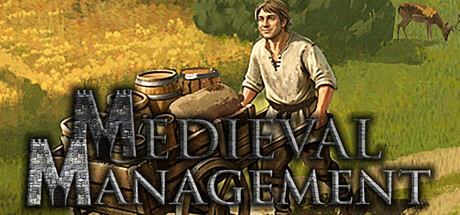
Daily code audits using AI, mainly focussed on optimization.
Some hud art is generated as concept art, then altered or remade to specifically fit the game theme. We plan to replace all before release.
Actual building blocks and pixelart is partly bought from isometric art sellers and most of them recrafted by hand.
No AI content is generated during gameplay.
We used AI-assisted tools during development to help create and iterate on internal game code, UI sprites, and some 3D model assets. All AI-assisted outputs were reviewed, edited, and approved by the development team before being included in the game. The game does not allow players to generate AI content during gameplay.
We use AI tools during development to help write and debug code, and to help produce some art assets. Everything AI-assisted is made during development and reviewed by us before it ships.
We also use third-party assets bought from the Unity Asset Store. These are sold to us as human-made, and we have no reason to doubt that, but we cannot independently verify how each one was produced. Character animation uses Mixamo.
AI was used for some store Art, random game Events, as well as assistance when coding. All artwork in game was created by artist, and all AI artwork in the store we plan to replace. Some to Half of the AI Random events will stay. We will continue to use AI to speed up development, but are also striving for the best quality on release.
This game includes limited use of generative artificial intelligence in the creation of certain visual and audio assets. These AI-assisted elements were used to support the development process and are integrated alongside original, human-created content. All assets have been reviewed and curated to ensure they meet the quality and artistic standards of the game.
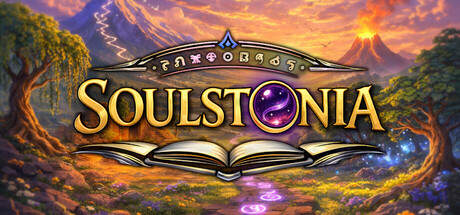
Generative AI tools were used during development to assist with creating and refining select 2D artwork, icons, and marketing materials, as well as game and marketing copy localization. All AI-assisted content is reviewed, edited, and curated by the developer before being included in the game. Soulstonia does not use generative AI to create content live during gameplay.
Generative AI tools were used during development to assist in creating selected pre-generated 3D assets and visual artwork used in the game. All generated outputs were reviewed, edited, and integrated by the developer. The game does not generate AI content during gameplay or connect to external AI services.
No Generative AI art was used in-game or in any of the promotional material. However, ai-assisted tools were used in development for coding assistance and image editing tasks such as upscaling and cleanup of screenshots to be used in capsule arts.
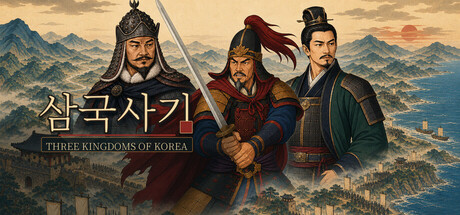
Some 2D art assets in this game — a portion of the character portraits, unit sprites, and city illustration backgrounds — were created with the assistance of AI image-generation tools (Google Gemini) during development. All such assets are pre-generated, then reviewed and curated by the developer before being included in the build; the game does not generate any AI content live at runtime. Game text, design, code, and systems are authored by the developer without live AI generation.
Some visual assets (logo, item cover art, character portraits), portions of in-game text, localizations into languages other than Turkish and English, and music/sound effects were created with the assistance of generative AI tools and then reviewed and edited by the developers. No content is generated by AI during gameplay.
Generative AI tools were used in the creation of certain visual art assets. All generated content was reviewed and edited by our development team before being included in the final game.
Some visual and audio assets in this game were created with the assistance of generative AI tools
and then reviewed, edited, and curated by the developer. The game does not use live generative AI
during gameplay and does not generate content from player input.
During development, generative AI tools were used to assist in creating fixed, pre-generated visual content, including brand illustrations, logo variants, Steam store graphics, UI decorative assets and icons, and seamless PBR material textures. All AI-assisted content was created before release and reviewed by the developer. The game does not generate AI content at runtime, does not accept player prompts for AI generation, and does not send player data to an AI service.
Some of the text content in this game was produced with the help of generative AI tools, then reviewed and edited by the developer:
- Localization into Ukrainian, Russian, Korean and Simplified Chinese
- Drafting of in-game news headline templates and procedural coin names
All of this content is generated ahead of time and ships as fixed text. The game uses no AI at runtime: it is fully offline, makes no network requests, and generates nothing while you play.
All game systems, market simulation and balance design are the developer's own work.
Generative AI tools were used during development to assist with the creation of selected promotional artwork and Steam store graphical assets. These assets were reviewed and curated by the development team before being used. The game does not currently use live generative AI during gameplay.
Generative AI tools are used to assist with porting the game text into additional languages. All AI-assisted translations are reviewed and edited by the developer before release. No generative AI is used during gameplay.
Blind Spot's writing, art, audio, and design were created without generative AI.
AI was used in one area: localization. Every language was handled identically. All in-game dialogue was translated entirely by human translators, with no AI involvement at any stage. The interface text, some menu text, options, and other short UI strings were given an AI first pass, which the same human translators then reviewed and corrected language by language before it shipped.
No AI-generated art, audio, or gameplay content appears in the game.
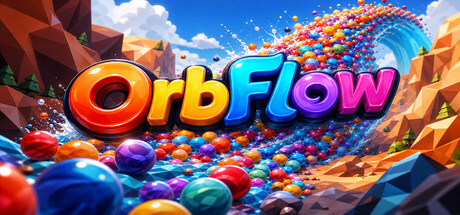
OrbFlow was created with the assistance of AI coding agents for script generation, physics optimization, and text drafting. All game design, level layouts, visual aesthetics, and quality assurance were directed, tested, and refined by the human developer.
Some of the game's content was created with the assistance of generative AI tools and was then reviewed, edited and curated by the developer. This includes portions of the art assets, some audio content, and the translation of interface and subtitle text into languages other than Turkish and English. No content is generated by AI at runtime.
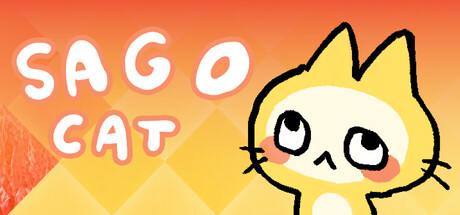
All visual art in SagoCat — characters, animation, and visual design — is hand-crafted, with no AI used.
Generative AI is used as follows: the pet's conversational replies are generated in real time by a third-party AI service and require an internet connection (use the built-in free quota or your own API key); during development, AI tools also assisted with parts of the code, some in-app text, and some sound effects.
Generative AI tools were used during development to assist with creating some visual assets. These assets were manually reviewed, edited, and finalized before being included in the game. AI tools were also used as a programming assistant during development. The game does not use generative AI during gameplay.
Generative AI tools were used to assist in creating some game assets, including visual and audio content. All AI-assisted content was reviewed and refined by the development team before being included in the game.
This game uses generative artificial intelligence in the production of some visual assets (environment textures/materials and promotional artwork), with human review and curation. No AI content is generated in real time during gameplay — the story, gameplay, and in-game experience are created and controlled by the team.
Generative AI was used only to assist with text localization and marketing assets; no AI-generated artwork, audio, or runtime content is included in the game.
Some assets used during the development of Agent Pro were created or assisted using generative AI tools. All content included in the released version of the game has been reviewed, edited, and approved by the developer before being integrated into the game. No AI-generated content is created by players or generated dynamically during gameplay.
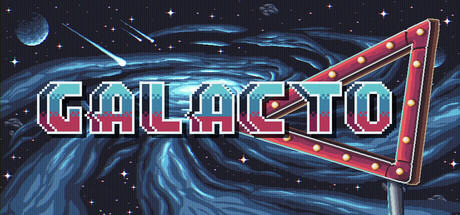
We used generative AI to assist with translating Galacto's in-game text into its supported languages. All game design, artwork, sound and music were created by hand without generative AI
This game generates content with AI, entirely on your machine: an embedded, frozen local model writes and illustrates the "Book" of each run (texts and fictional game covers). No internet connection is required, no data is collected, and nothing is generated by external services. The game's translations were AI-assisted, then human-reviewed.
Generative AI was not used to create any in-game content resources. AI was utilized solely for the translation of certain in-game languages and external content, such as our Steam page.
Generative AI was used selectively during
development, always under direct human
authorship and review:
• Code — An AI coding assistant supported
development as a productivity tool; all systems
were designed, reviewed, and tested by the
developer.
• Key art — The Steam key art was created with
generative AI, then curated and hand-finished by
the developer. All in-game tilesets and
character art are licensed, human-made asset
packs.
• Music — Background music tracks were produced
with the assistance of generative AI tools, then
selected, edited, and mixed by the developer.
The game contains no live-generated AI content:
nothing is generated by AI at runtime.
Generative AI was used as a development tool for this game. An AI assistant helped with programming, game design iteration, and text translation, always under the developer's direction and review. Some 3D models, such as mech parts, are based on assets created with generative AI tools and then adjusted and integrated by the developer. No content is generated by AI during gameplay: enemy behavior is not generative AI, but the same deterministic node-based algorithms that players build themselves.
Daily code audits using AI, mainly focussed on optimization.
Some hud art is generated as concept art, then altered or remade to specifically fit the game theme. We plan to replace all before release.
Actual building blocks and pixelart is partly bought from isometric art sellers and most of them recrafted by hand.
No AI content is generated during gameplay.
We used AI-assisted tools during development to help create and iterate on internal game code, UI sprites, and some 3D model assets. All AI-assisted outputs were reviewed, edited, and approved by the development team before being included in the game. The game does not allow players to generate AI content during gameplay.
We use AI tools during development to help write and debug code, and to help produce some art assets. Everything AI-assisted is made during development and reviewed by us before it ships.
We also use third-party assets bought from the Unity Asset Store. These are sold to us as human-made, and we have no reason to doubt that, but we cannot independently verify how each one was produced. Character animation uses Mixamo.
AI was used for some store Art, random game Events, as well as assistance when coding. All artwork in game was created by artist, and all AI artwork in the store we plan to replace. Some to Half of the AI Random events will stay. We will continue to use AI to speed up development, but are also striving for the best quality on release.
This game includes limited use of generative artificial intelligence in the creation of certain visual and audio assets. These AI-assisted elements were used to support the development process and are integrated alongside original, human-created content. All assets have been reviewed and curated to ensure they meet the quality and artistic standards of the game.
Generative AI tools were used during development to assist with creating and refining select 2D artwork, icons, and marketing materials, as well as game and marketing copy localization. All AI-assisted content is reviewed, edited, and curated by the developer before being included in the game. Soulstonia does not use generative AI to create content live during gameplay.
Generative AI tools were used during development to assist in creating selected pre-generated 3D assets and visual artwork used in the game. All generated outputs were reviewed, edited, and integrated by the developer. The game does not generate AI content during gameplay or connect to external AI services.
No Generative AI art was used in-game or in any of the promotional material. However, ai-assisted tools were used in development for coding assistance and image editing tasks such as upscaling and cleanup of screenshots to be used in capsule arts.
Some 2D art assets in this game — a portion of the character portraits, unit sprites, and city illustration backgrounds — were created with the assistance of AI image-generation tools (Google Gemini) during development. All such assets are pre-generated, then reviewed and curated by the developer before being included in the build; the game does not generate any AI content live at runtime. Game text, design, code, and systems are authored by the developer without live AI generation.
Some visual assets (logo, item cover art, character portraits), portions of in-game text, localizations into languages other than Turkish and English, and music/sound effects were created with the assistance of generative AI tools and then reviewed and edited by the developers. No content is generated by AI during gameplay.
Generative AI tools were used in the creation of certain visual art assets. All generated content was reviewed and edited by our development team before being included in the final game.
Some visual and audio assets in this game were created with the assistance of generative AI tools
and then reviewed, edited, and curated by the developer. The game does not use live generative AI
during gameplay and does not generate content from player input.
During development, generative AI tools were used to assist in creating fixed, pre-generated visual content, including brand illustrations, logo variants, Steam store graphics, UI decorative assets and icons, and seamless PBR material textures. All AI-assisted content was created before release and reviewed by the developer. The game does not generate AI content at runtime, does not accept player prompts for AI generation, and does not send player data to an AI service.
Some of the text content in this game was produced with the help of generative AI tools, then reviewed and edited by the developer:
- Localization into Ukrainian, Russian, Korean and Simplified Chinese
- Drafting of in-game news headline templates and procedural coin names
All of this content is generated ahead of time and ships as fixed text. The game uses no AI at runtime: it is fully offline, makes no network requests, and generates nothing while you play.
All game systems, market simulation and balance design are the developer's own work.
Generative AI tools were used during development to assist with the creation of selected promotional artwork and Steam store graphical assets. These assets were reviewed and curated by the development team before being used. The game does not currently use live generative AI during gameplay.
Generative AI tools are used to assist with porting the game text into additional languages. All AI-assisted translations are reviewed and edited by the developer before release. No generative AI is used during gameplay.
Blind Spot's writing, art, audio, and design were created without generative AI.
AI was used in one area: localization. Every language was handled identically. All in-game dialogue was translated entirely by human translators, with no AI involvement at any stage. The interface text, some menu text, options, and other short UI strings were given an AI first pass, which the same human translators then reviewed and corrected language by language before it shipped.
No AI-generated art, audio, or gameplay content appears in the game.
OrbFlow was created with the assistance of AI coding agents for script generation, physics optimization, and text drafting. All game design, level layouts, visual aesthetics, and quality assurance were directed, tested, and refined by the human developer.
Some of the game's content was created with the assistance of generative AI tools and was then reviewed, edited and curated by the developer. This includes portions of the art assets, some audio content, and the translation of interface and subtitle text into languages other than Turkish and English. No content is generated by AI at runtime.
All visual art in SagoCat — characters, animation, and visual design — is hand-crafted, with no AI used.
Generative AI is used as follows: the pet's conversational replies are generated in real time by a third-party AI service and require an internet connection (use the built-in free quota or your own API key); during development, AI tools also assisted with parts of the code, some in-app text, and some sound effects.
Generative AI tools were used during development to assist with creating some visual assets. These assets were manually reviewed, edited, and finalized before being included in the game. AI tools were also used as a programming assistant during development. The game does not use generative AI during gameplay.
Generative AI tools were used to assist in creating some game assets, including visual and audio content. All AI-assisted content was reviewed and refined by the development team before being included in the game.
This game uses generative artificial intelligence in the production of some visual assets (environment textures/materials and promotional artwork), with human review and curation. No AI content is generated in real time during gameplay — the story, gameplay, and in-game experience are created and controlled by the team.
Generative AI was used only to assist with text localization and marketing assets; no AI-generated artwork, audio, or runtime content is included in the game.
Some assets used during the development of Agent Pro were created or assisted using generative AI tools. All content included in the released version of the game has been reviewed, edited, and approved by the developer before being integrated into the game. No AI-generated content is created by players or generated dynamically during gameplay.
We used generative AI to assist with translating Galacto's in-game text into its supported languages. All game design, artwork, sound and music were created by hand without generative AI
This game generates content with AI, entirely on your machine: an embedded, frozen local model writes and illustrates the "Book" of each run (texts and fictional game covers). No internet connection is required, no data is collected, and nothing is generated by external services. The game's translations were AI-assisted, then human-reviewed.
Generative AI was not used to create any in-game content resources. AI was utilized solely for the translation of certain in-game languages and external content, such as our Steam page.
Generative AI was used selectively during
development, always under direct human
authorship and review:
• Code — An AI coding assistant supported
development as a productivity tool; all systems
were designed, reviewed, and tested by the
developer.
• Key art — The Steam key art was created with
generative AI, then curated and hand-finished by
the developer. All in-game tilesets and
character art are licensed, human-made asset
packs.
• Music — Background music tracks were produced
with the assistance of generative AI tools, then
selected, edited, and mixed by the developer.
The game contains no live-generated AI content:
nothing is generated by AI at runtime.
Generative AI was used as a development tool for this game. An AI assistant helped with programming, game design iteration, and text translation, always under the developer's direction and review. Some 3D models, such as mech parts, are based on assets created with generative AI tools and then adjusted and integrated by the developer. No content is generated by AI during gameplay: enemy behavior is not generative AI, but the same deterministic node-based algorithms that players build themselves.