Public Steam disclosure research25,383 disclosures tracked
Where do games disclose AI use?
Search developers’ Steam disclosures, compare classified AI use across
games, and follow recorded changes.
This index adds cross-game classifications and statistics to
statements published on individual store pages.
Groups reflect automatic analysis of public disclosures; mature records are excluded. These counts do not measure AI use across all of Steam.
Missing or unclear statements cannot establish whether a game uses AI.
This game uses AI-generated content. AI tools were utilized to create certain visual assets such as promotional capsule images, as well as to assist with translations into other languages. All AI-generated content was carefully reviewed and edited to ensure quality and relevance to the game.
This game includes pre-rendered content created using generative AI tools.
Battle card illustrations and store marketing images were generated with AI-based design software.
No content or code is generated via AI during gameplay. All in-game content is based on pre-created assets.
Some images, especially the erotic artwork, were created using AI as a visual supplement to the game.
I chosed to use AI-generated visuals as it allowed me to dedicate more time and budget to what truly matters - funny and long gameplay.
Some marketing visuals and a few in-game elements were generated using artificial intelligence tools, then refined by our team. As a small independent studio, we used these tools to compensate for limited resources and deliver a higher-quality experience, while ensuring the artistic direction and overall coherence of the game were preserved. All content was selected, adapted, and integrated by humans.
This game uses generative AI as part of its development process.
Specifically, generative AI was used for some 2D assets such as materials, and for a portion of the sound effects.
All gameplay systems, narrative design, visual direction, and decision-making elements were designed and created by humans.
Some of the graphical content on the store page was created with the help of artificial intelligence. We also used AI in the game to generate certain gameplay-related images and create some audio elements.
The capsule art for the game was initially created using an AI tool, with significant manual refinements made in a graphic editor to achieve the final look and quality. In-game photographs were also generated with AI assistance, but all were pre-generated and further edited manually as needed. No AI is used in real-time within the game.
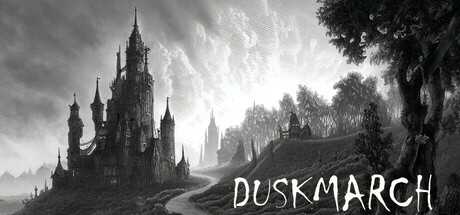
As a solo developer, I’ve leveraged AI tools to enhance various aspects of Duskmarch’s development while ensuring the game remains a deeply personal and creative project. Specifically, I’ve used AI to assist with the following:
Artwork Creation: AI has been instrumental in generating some of the game’s images, helping me bring the dark fantasy world of Duskmarch to life with visuals that match my vision. These AI-generated assets are carefully curated and often edited to ensure they align with the game’s unique aesthetic.
Text Polishing: To ensure clarity and professionalism, I’ve used AI to correct grammatical and lexical errors in the game’s text, including story content and UI elements. This helps me deliver a polished experience for players.
Localization: AI has also supported the localization process, assisting with translating the game’s stories and interface into multiple languages. This allows me to reach a broader audience while maintaining the integrity of the narrative. All AI-assisted translations are reviewed and refined to ensure accuracy and cultural sensitivity.
While AI has been a valuable tool in streamlining these aspects of development, the core design, storytelling, and gameplay mechanics of Duskmarch are crafted by me, reflecting my passion for creating an immersive and engaging experience. I’m committed to using AI responsibly and transparently, and I’m excited to share this journey with the community!
We used AI-based image generation tools to create our visual assets (store banners, concept art, and some in-game backgrounds). Voice performances were recorded manually, then processed with AI audio tools to enhance and modulate the actor’s voice (e.g. adjusting thickness and tone). No generative AI is used during actual gameplay or to create code or dialogue in real time.
Generative AI was utilized during development to create Steam capsule designs, in-game UI assets, and the trailer music. All assets produced using AI are fully owned and licensed for commercial use by us.
AI was used to create translation, some game item icons, avatars and backgrounds for news. All locations, monsters, characters and items, as well as all original texts are created entirely by human artists.
Some gen-AI was used to help with parts of the story trailer and for the artwork of the game.
All assets in the game are human-made, no gen-ai involved there.
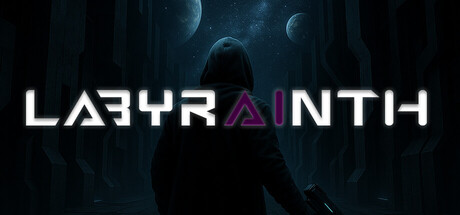
The "AI" in the name of the game is lore-driven, there's no actual gen-AI in game.
This game uses AI-generated content in limited ways:
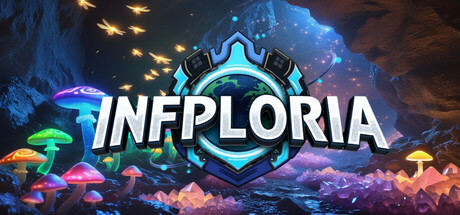
The logo was created using ChatGPT.
English voice acting was generated with ElevenLabs.
No other AI tools were used.
Some visual and textual materials used for the Steam store page were temporarily created with the assistance of generative AI tools. These assets are placeholders and will be replaced with fully original, handcrafted designs created by our team prior to the final release.
AI tools were used to assist in generating some of the visual assets in the game, including character avatars and other artwork, as well as for promotional materials. All AI-generated content was manually reviewed, adjusted, and edited before inclusion in the final product.
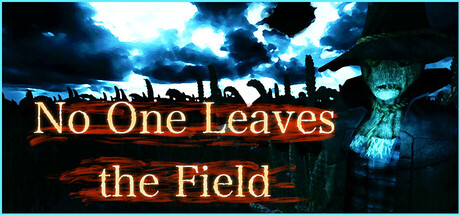
No One Leaves the Field uses AI tools in limited, assistive ways to support development.
Writing & Localization: Some in-game text and translations were initially drafted using AI-assisted tools, then reviewed, edited, and finalized by a human developer.
Code Support: AI was occasionally used to assist with routine scripting and debugging within Unity, but all gameplay systems, logic, and design decisions were implemented and tested by hand.
No AI Art or Audio: All visuals, characters, sound effects, and music were created by humans or sourced from licensed assets.
The final creative direction, story, and design were fully authored and curated by the development team at Digital Sagas LLC.
We used AI for generating concept art, but not in realtime.
We used AI for generating voice overs, but not in realtime.
We used AI for language translations, but not in realtime.
Some audio and visual assets were created using generative AI, including voice recordings, end credits music, and certain character images and achievement icons.
Gameplay systems and mechanics do not rely on AI-generated content.
All generated assets are owned and licensed by us.
Some Lua scripts and English translations in the game were initially drafted using AI(ChatGPT, Gemini) and then manually revised by the developer.
Additionally, certain character sprites were hand-drawn, refined with the help of AI-generated redrafts, and then redrawn manually to complete the final artwork. The AI(Stable Diffusion) was used as a supporting tool for enhancing quality.
This game uses AI-generated content. AI tools were utilized to create certain visual assets such as promotional capsule images, as well as to assist with translations into other languages. All AI-generated content was carefully reviewed and edited to ensure quality and relevance to the game.
This game includes pre-rendered content created using generative AI tools.
Battle card illustrations and store marketing images were generated with AI-based design software.
No content or code is generated via AI during gameplay. All in-game content is based on pre-created assets.
Some images, especially the erotic artwork, were created using AI as a visual supplement to the game.
I chosed to use AI-generated visuals as it allowed me to dedicate more time and budget to what truly matters - funny and long gameplay.
Some marketing visuals and a few in-game elements were generated using artificial intelligence tools, then refined by our team. As a small independent studio, we used these tools to compensate for limited resources and deliver a higher-quality experience, while ensuring the artistic direction and overall coherence of the game were preserved. All content was selected, adapted, and integrated by humans.
This game uses generative AI as part of its development process.
Specifically, generative AI was used for some 2D assets such as materials, and for a portion of the sound effects.
All gameplay systems, narrative design, visual direction, and decision-making elements were designed and created by humans.
Some of the graphical content on the store page was created with the help of artificial intelligence. We also used AI in the game to generate certain gameplay-related images and create some audio elements.
The capsule art for the game was initially created using an AI tool, with significant manual refinements made in a graphic editor to achieve the final look and quality. In-game photographs were also generated with AI assistance, but all were pre-generated and further edited manually as needed. No AI is used in real-time within the game.
As a solo developer, I’ve leveraged AI tools to enhance various aspects of Duskmarch’s development while ensuring the game remains a deeply personal and creative project. Specifically, I’ve used AI to assist with the following:
Artwork Creation: AI has been instrumental in generating some of the game’s images, helping me bring the dark fantasy world of Duskmarch to life with visuals that match my vision. These AI-generated assets are carefully curated and often edited to ensure they align with the game’s unique aesthetic.
Text Polishing: To ensure clarity and professionalism, I’ve used AI to correct grammatical and lexical errors in the game’s text, including story content and UI elements. This helps me deliver a polished experience for players.
Localization: AI has also supported the localization process, assisting with translating the game’s stories and interface into multiple languages. This allows me to reach a broader audience while maintaining the integrity of the narrative. All AI-assisted translations are reviewed and refined to ensure accuracy and cultural sensitivity.
While AI has been a valuable tool in streamlining these aspects of development, the core design, storytelling, and gameplay mechanics of Duskmarch are crafted by me, reflecting my passion for creating an immersive and engaging experience. I’m committed to using AI responsibly and transparently, and I’m excited to share this journey with the community!
We used AI-based image generation tools to create our visual assets (store banners, concept art, and some in-game backgrounds). Voice performances were recorded manually, then processed with AI audio tools to enhance and modulate the actor’s voice (e.g. adjusting thickness and tone). No generative AI is used during actual gameplay or to create code or dialogue in real time.
Generative AI was utilized during development to create Steam capsule designs, in-game UI assets, and the trailer music. All assets produced using AI are fully owned and licensed for commercial use by us.
AI was used to create translation, some game item icons, avatars and backgrounds for news. All locations, monsters, characters and items, as well as all original texts are created entirely by human artists.
Some gen-AI was used to help with parts of the story trailer and for the artwork of the game.
All assets in the game are human-made, no gen-ai involved there.
The "AI" in the name of the game is lore-driven, there's no actual gen-AI in game.
This game uses AI-generated content in limited ways:
The logo was created using ChatGPT.
English voice acting was generated with ElevenLabs.
No other AI tools were used.
Some visual and textual materials used for the Steam store page were temporarily created with the assistance of generative AI tools. These assets are placeholders and will be replaced with fully original, handcrafted designs created by our team prior to the final release.
AI tools were used to assist in generating some of the visual assets in the game, including character avatars and other artwork, as well as for promotional materials. All AI-generated content was manually reviewed, adjusted, and edited before inclusion in the final product.
No One Leaves the Field uses AI tools in limited, assistive ways to support development.
Writing & Localization: Some in-game text and translations were initially drafted using AI-assisted tools, then reviewed, edited, and finalized by a human developer.
Code Support: AI was occasionally used to assist with routine scripting and debugging within Unity, but all gameplay systems, logic, and design decisions were implemented and tested by hand.
No AI Art or Audio: All visuals, characters, sound effects, and music were created by humans or sourced from licensed assets.
The final creative direction, story, and design were fully authored and curated by the development team at Digital Sagas LLC.
We used AI for generating concept art, but not in realtime.
We used AI for generating voice overs, but not in realtime.
We used AI for language translations, but not in realtime.
Some audio and visual assets were created using generative AI, including voice recordings, end credits music, and certain character images and achievement icons.
Gameplay systems and mechanics do not rely on AI-generated content.
All generated assets are owned and licensed by us.
Some Lua scripts and English translations in the game were initially drafted using AI(ChatGPT, Gemini) and then manually revised by the developer.
Additionally, certain character sprites were hand-drawn, refined with the help of AI-generated redrafts, and then redrawn manually to complete the final artwork. The AI(Stable Diffusion) was used as a supporting tool for enhancing quality.