Public Steam disclosure research25,508 disclosures tracked
Where do games disclose AI use?
Search developers’ Steam disclosures, compare classified AI use across
games, and follow recorded changes.
This index adds cross-game classifications and statistics to
statements published on individual store pages.
Groups reflect automatic analysis of public disclosures; mature records are excluded. These counts do not measure AI use across all of Steam.
Missing or unclear statements cannot establish whether a game uses AI.
Generative AI was used to create a few very specific, minor promotional images and texture enhancements. Everything else; including plane textures, sprites, UI, and airport layouts, was entirely hand crafted by a single human developer using free editing tools like GIMP, Canva, PowerPoint, and MSPaint.
Generative AI technology was utilized during the development of this game (specifically for combat music and English localization).
Special thanks to Suno for generating the game's combat music.
Special thanks to Gemini for supporting the English localization.
AI tools were used during development to help generate select visual assets and concepts. These assets were reviewed, refined, and integrated into the game by the developer to ensure consistency with the overall style and experience.
This game was 100% developed using AI (Claude Code by Anthropic) — including game design, programming, balancing, and localization. No AI is used during gameplay.
Contains some optional AI generated voice samples, using Canva, strictly in order to comply with United States Twenty-First Century Communications and Video Accessibility Act (CVAA)
Some store and library marketing images were created with AI-assisted image generation. The game’s code, gameplay systems, balancing, ship behavior, upgrade systems, and implementation were developed by the developer.
Portions of the artwork in this game were created using AI-assisted tools and subsequently edited, curated, and integrated by the developer. The game's overall artistic direction, visual design, and asset integration remain the work of the human developer.
The game's code is written with the help of AI.
Every other gameplay aspects and assets, i.e. Art, Audio, etc., is human produced, with love and care sprinkled in.
Generative AI was used in a limited capacity to create initial drafts for certain visual assets, including some pre-rendered artwork and cutscene materials. These assets were then manually retouched, revised, and finalized by the development team.
For some cutscenes, AI-assisted video tools were also used to help animate pre-made visual materials.
AI is not used for real-time content generation, gameplay systems, or story generation.
Game development was accelerated through use of AI code assistants to help create and test the software code.
Language translations were provided by AI.
Some of the promotional and storefront images were created with AI tools and then refined by hand. All of the in-game assets were designed by a 3D artist.
AI was used to assist with language translation and the generation of certain images and music. All final content has been reviewed and refined by the Yajirushi Studio team to ensure quality and an authentic player experience.
Some store visual assets (promotional images and capsules) were created with the aid of generative AI tools and manually
edited. Sound effects were generated using ElevenLabs API and music was created with Suno AI. Translations for languages
beyond Portuguese, English and Spanish were automatically generated and reviewed. All game code, gameplay, level design and
in-game sprites were manually created.
Some visual and marketing materials for this game were created with the assistance of AI tools. All AI-generated content was reviewed, edited, and integrated by the developer.
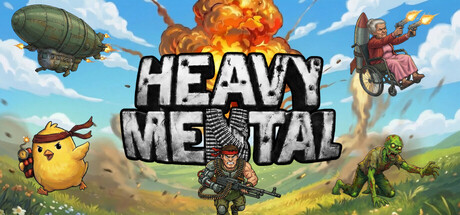
During the development of Heavy Mental, we utilized Meshy AI to assist in creating base 3D models and textures for several character assets and environmental props. Every asset generated through AI has been manually refined, rigged, and animated by our development team to ensure it fits the game's unique stylized art direction and meets our quality standards. Our use of AI is limited to the pre-production phase to streamline our artistic workflow.
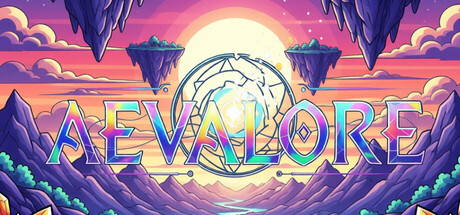
Developing Aevalore solo meant tackling a massive project on my own. To manage the 500+ sprite sheets required, I used generative AI for the artwork (most hand polished for finish) and 90% of the music. Some of the music was made by a friend and me. This allowed me to pour all my energy into coding the 81-ability system, 12+ unique characters and crafting the world. These tools didn't replace my vision; they made it possible for a solo dev to build it.
Extra Warp Games used generative artificial intelligence to assist in creating portions of its narrative text, while all gameplay and design remain entirely handcrafted.
Dominoir uses generative artificial intelligence as a supporting tool during development. AI was used to assist in the creation of certain audio elements and early visual concepts, including parts of the game’s music and logo.
All assets were curated, edited, and finalized by the developer to ensure consistency with the game’s handcrafted art direction and overall quality.
Generative AI is not used during gameplay, and no player data is processed by AI systems.
This game utilizes generative artificial intelligence tools to assist in the creation of its art assets and partial UI design. All AI-generated content has been manually reviewed, adjusted, and optimized to ensure it aligns with the game's overall artistic style and quality standards, and does not infringe upon any third-party intellectual property rights.
Description of AI Use:
In this project, Generative AI was used to create promotional artwork, various in-game art assets, and music tracks. Additionally, AI was employed as a coding assistant to help develop and optimize the game's source code. All final outputs have been curated and modified by our development team to meet our creative standards.
This game uses pre-generated AI-assisted content for certain store page assets and promotional materials, such as capsule images and marketing visuals.
No generative AI is used during gameplay. All gameplay mechanics, in-game visuals, progression systems, and player interactions are fully authored and do not rely on real-time AI generation.
The game does not connect to any external AI services during runtime.
This game uses artificial intelligence to analyze the player's drawings and generate guesses about what the drawing represents. The AI provides descriptive feedback and attempts to identify the object based on the sketch created by the player.
Generative AI was used to create a few very specific, minor promotional images and texture enhancements. Everything else; including plane textures, sprites, UI, and airport layouts, was entirely hand crafted by a single human developer using free editing tools like GIMP, Canva, PowerPoint, and MSPaint.
Generative AI technology was utilized during the development of this game (specifically for combat music and English localization).
Special thanks to Suno for generating the game's combat music.
Special thanks to Gemini for supporting the English localization.
AI tools were used during development to help generate select visual assets and concepts. These assets were reviewed, refined, and integrated into the game by the developer to ensure consistency with the overall style and experience.
This game was 100% developed using AI (Claude Code by Anthropic) — including game design, programming, balancing, and localization. No AI is used during gameplay.
Contains some optional AI generated voice samples, using Canva, strictly in order to comply with United States Twenty-First Century Communications and Video Accessibility Act (CVAA)
Some store and library marketing images were created with AI-assisted image generation. The game’s code, gameplay systems, balancing, ship behavior, upgrade systems, and implementation were developed by the developer.
Portions of the artwork in this game were created using AI-assisted tools and subsequently edited, curated, and integrated by the developer. The game's overall artistic direction, visual design, and asset integration remain the work of the human developer.
The game's code is written with the help of AI.
Every other gameplay aspects and assets, i.e. Art, Audio, etc., is human produced, with love and care sprinkled in.
Generative AI was used in a limited capacity to create initial drafts for certain visual assets, including some pre-rendered artwork and cutscene materials. These assets were then manually retouched, revised, and finalized by the development team.
For some cutscenes, AI-assisted video tools were also used to help animate pre-made visual materials.
AI is not used for real-time content generation, gameplay systems, or story generation.
Game development was accelerated through use of AI code assistants to help create and test the software code.
Language translations were provided by AI.
Some of the promotional and storefront images were created with AI tools and then refined by hand. All of the in-game assets were designed by a 3D artist.
AI was used to assist with language translation and the generation of certain images and music. All final content has been reviewed and refined by the Yajirushi Studio team to ensure quality and an authentic player experience.
Some store visual assets (promotional images and capsules) were created with the aid of generative AI tools and manually
edited. Sound effects were generated using ElevenLabs API and music was created with Suno AI. Translations for languages
beyond Portuguese, English and Spanish were automatically generated and reviewed. All game code, gameplay, level design and
in-game sprites were manually created.
Some visual and marketing materials for this game were created with the assistance of AI tools. All AI-generated content was reviewed, edited, and integrated by the developer.
During the development of Heavy Mental, we utilized Meshy AI to assist in creating base 3D models and textures for several character assets and environmental props. Every asset generated through AI has been manually refined, rigged, and animated by our development team to ensure it fits the game's unique stylized art direction and meets our quality standards. Our use of AI is limited to the pre-production phase to streamline our artistic workflow.
Developing Aevalore solo meant tackling a massive project on my own. To manage the 500+ sprite sheets required, I used generative AI for the artwork (most hand polished for finish) and 90% of the music. Some of the music was made by a friend and me. This allowed me to pour all my energy into coding the 81-ability system, 12+ unique characters and crafting the world. These tools didn't replace my vision; they made it possible for a solo dev to build it.
Extra Warp Games used generative artificial intelligence to assist in creating portions of its narrative text, while all gameplay and design remain entirely handcrafted.
Dominoir uses generative artificial intelligence as a supporting tool during development. AI was used to assist in the creation of certain audio elements and early visual concepts, including parts of the game’s music and logo.
All assets were curated, edited, and finalized by the developer to ensure consistency with the game’s handcrafted art direction and overall quality.
Generative AI is not used during gameplay, and no player data is processed by AI systems.
This game utilizes generative artificial intelligence tools to assist in the creation of its art assets and partial UI design. All AI-generated content has been manually reviewed, adjusted, and optimized to ensure it aligns with the game's overall artistic style and quality standards, and does not infringe upon any third-party intellectual property rights.
Description of AI Use:
In this project, Generative AI was used to create promotional artwork, various in-game art assets, and music tracks. Additionally, AI was employed as a coding assistant to help develop and optimize the game's source code. All final outputs have been curated and modified by our development team to meet our creative standards.
This game uses pre-generated AI-assisted content for certain store page assets and promotional materials, such as capsule images and marketing visuals.
No generative AI is used during gameplay. All gameplay mechanics, in-game visuals, progression systems, and player interactions are fully authored and do not rely on real-time AI generation.
The game does not connect to any external AI services during runtime.
This game uses artificial intelligence to analyze the player's drawings and generate guesses about what the drawing represents. The AI provides descriptive feedback and attempts to identify the object based on the sketch created by the player.