Public Steam disclosure research25,508 disclosures tracked
Where do games disclose AI use?
Search developers’ Steam disclosures, compare classified AI use across
games, and follow recorded changes.
This index adds cross-game classifications and statistics to
statements published on individual store pages.
Groups reflect automatic analysis of public disclosures; mature records are excluded. These counts do not measure AI use across all of Steam.
Missing or unclear statements cannot establish whether a game uses AI.
Generative AI was used to assist in the creation of visual assets, such as textures and UI backgrounds. Additionally, in-game text was refined and localized with the help of AI to ensure grammatical accuracy and a natural flow in English
Contains some optional AI generated voice samples, using Canva, strictly in order to comply with United States Twenty-First Century Communications and Video Accessibility Act (CVAA)
The game's code is written with the help of AI.
Every other gameplay aspects and assets, i.e. Art, Audio, etc., is human produced, with love and care sprinkled in.
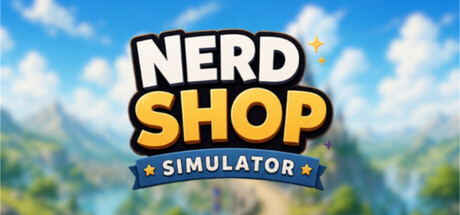
Some visual assets such as fictional product packaging, posters, decorative graphics, icons and marketing materials were created with the help of generative AI and then reviewed/edited before being included in the game.
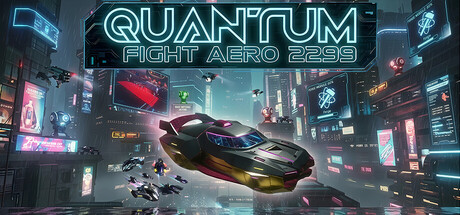
We use generative AI tools during our development process to assist in the creation of certain visual assets, such as concept art for environments and base textures for some 3D models. All AI-generated content is meticulously refined and integrated by our team to ensure it meets the artistic standards of Quantum Fight: Aero 2299. Our goal is to use these technologies as a support tool to enhance the game's atmosphere while maintaining full creative control over the final experience.
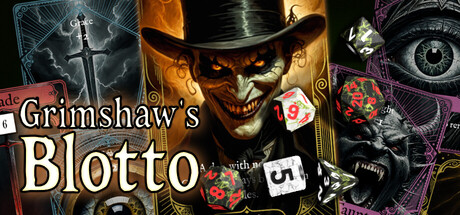
Some pre-generated visual assets in Grimshaw's Blotto were created with the assistance of generative AI during development. The game does not generate AI content during gameplay.
A small number of visual elements in this game have been created using generative artificial intelligence. These AI-generated images are limited to a few specific artworks, while the vast majority of visuals, as well as all gameplay, story, and mechanics, are crafted by professional artists and staff.
Some of the promotional and storefront images were created with AI tools and then refined by hand. All of the in-game assets were designed by a 3D artist.
This game uses generative AI to produce real-time, dialogue-based explanations, narrative content, and key summaries during gameplay (with optional AI-generated voice output).
The generated content dynamically adapts based on player inputs, such as uploaded papers or text, as well as in-game choices, and is used solely for in-game presentation.
Players are advised not to input sensitive personal information and to independently verify any important information.
Some visual assets, including text, promotional artwork and capsule images, were generated using AI tools and then reviewed and edited by the developer.
This game uses generative artificial intelligence to create skill icons, the title screen background image, and a very small portion of UI assets.
These elements were used as supportive tools during development, while the overall game design and gameplay experience were directly designed and implemented by the developer.
Voice overs, translations and character busts are currently being handled by AI.
As a budget limited studio, we want to have everything in place before an artist to work on. These placeholders would reduce the amount of back and forth, rework and hours invested. Everything is directed and supervised by humans.
Voice overs and character busts will be completely replaced by the work of artists by the 1.0 release.
During development, AI tools were used to assist with code generation, debugging, and drafting of game documentation. Voice callouts were generated using AI text-to-speech and processed with radio filters to simulate authentic ATC communications.
We use generative AI tools to assist with some game audio assets, such as dinosaur sounds and other sound effects, as well as some store page, marketing, and promotional artwork. These assets are reviewed, selected, edited, and integrated by the developer before use. Generative AI is not currently used to create live gameplay content during play.
Our store assets were created using a hybrid workflow. We used AI tools to generate initial concepts and textures, which were then extensively edited, refined, and combined with custom illustrations by an artist to ensure a unique, high-quality final result.
As a solo developer, I utilized generative AI tools during the development process in the following ways
- Visual Assets: AI was used to assist in the creation and enhancement of certain background images and textures. All final assets were manually reviewed and integrated to ensure quality and consistency.
- Text & Localization: I used AI for proofreading, refining the phrasing of in-game text, and assisting with translations into multiple languages to ensure a polished experience for players worldwide.
- Voice Generation: AI was used to generate certain voice lines in the game. All audio content was reviewed, selected, and integrated manually to ensure it fits the intended tone and quality.
All AI-assisted content was pre-generated and manually verified by me to ensure quality and compliance. The game does not feature any real-time AI generation during gameplay.
AI tools were used in a limited and supportive way during the visual development process for certain graphic elements such as the logo and parts of the user interface.
This game contains pre-rendered voice-over, generated by a machine learning model. All data usage is approved by the voice artist. It's used for the in-game virtual assistant, which is designed not to sound or act like a human, translated into multiple languages, and can be turned off by the player. All audio is pre-rendered and shipped with the game to save on server resources.
Most of this game's content was created with the assistance of AI generation tools, except for a small portion of
hand-crafted assets. All AI-generated content was reviewed and edited by the developer. No AI is used during gameplay.
This game uses generative AI tools in parts of development:
Music Design
Some background music and sound effects were generated using AI tools, then refined by human composers.
Visual Assets
Certain textures were AI-generated and refined by artists.
Programming Support
AI assisted with debugging and refining portions of the code. All output was reviewed and tested by developers.
No generative AI is used during gameplay, and the game does not generate new AI content at runtime.
This game utilizes generative AI tools to assist and enhance various aspects of our creative process. Specifically, AI technologies were employed to help design and refine visual artwork, generate dynamic variations of select musical tracks, assist in the editing of specific in-game assets, and support our localization efforts across multiple languages
Generative AI was used to assist in the creation of visual assets, such as textures and UI backgrounds. Additionally, in-game text was refined and localized with the help of AI to ensure grammatical accuracy and a natural flow in English
Contains some optional AI generated voice samples, using Canva, strictly in order to comply with United States Twenty-First Century Communications and Video Accessibility Act (CVAA)
The game's code is written with the help of AI.
Every other gameplay aspects and assets, i.e. Art, Audio, etc., is human produced, with love and care sprinkled in.
Some visual assets such as fictional product packaging, posters, decorative graphics, icons and marketing materials were created with the help of generative AI and then reviewed/edited before being included in the game.
We use generative AI tools during our development process to assist in the creation of certain visual assets, such as concept art for environments and base textures for some 3D models. All AI-generated content is meticulously refined and integrated by our team to ensure it meets the artistic standards of Quantum Fight: Aero 2299. Our goal is to use these technologies as a support tool to enhance the game's atmosphere while maintaining full creative control over the final experience.
Some pre-generated visual assets in Grimshaw's Blotto were created with the assistance of generative AI during development. The game does not generate AI content during gameplay.
A small number of visual elements in this game have been created using generative artificial intelligence. These AI-generated images are limited to a few specific artworks, while the vast majority of visuals, as well as all gameplay, story, and mechanics, are crafted by professional artists and staff.
Some of the promotional and storefront images were created with AI tools and then refined by hand. All of the in-game assets were designed by a 3D artist.
This game uses generative AI to produce real-time, dialogue-based explanations, narrative content, and key summaries during gameplay (with optional AI-generated voice output).
The generated content dynamically adapts based on player inputs, such as uploaded papers or text, as well as in-game choices, and is used solely for in-game presentation.
Players are advised not to input sensitive personal information and to independently verify any important information.
Some visual assets, including text, promotional artwork and capsule images, were generated using AI tools and then reviewed and edited by the developer.
This game uses generative artificial intelligence to create skill icons, the title screen background image, and a very small portion of UI assets.
These elements were used as supportive tools during development, while the overall game design and gameplay experience were directly designed and implemented by the developer.
Voice overs, translations and character busts are currently being handled by AI.
As a budget limited studio, we want to have everything in place before an artist to work on. These placeholders would reduce the amount of back and forth, rework and hours invested. Everything is directed and supervised by humans.
Voice overs and character busts will be completely replaced by the work of artists by the 1.0 release.
During development, AI tools were used to assist with code generation, debugging, and drafting of game documentation. Voice callouts were generated using AI text-to-speech and processed with radio filters to simulate authentic ATC communications.
We use generative AI tools to assist with some game audio assets, such as dinosaur sounds and other sound effects, as well as some store page, marketing, and promotional artwork. These assets are reviewed, selected, edited, and integrated by the developer before use. Generative AI is not currently used to create live gameplay content during play.
Our store assets were created using a hybrid workflow. We used AI tools to generate initial concepts and textures, which were then extensively edited, refined, and combined with custom illustrations by an artist to ensure a unique, high-quality final result.
As a solo developer, I utilized generative AI tools during the development process in the following ways
- Visual Assets: AI was used to assist in the creation and enhancement of certain background images and textures. All final assets were manually reviewed and integrated to ensure quality and consistency.
- Text & Localization: I used AI for proofreading, refining the phrasing of in-game text, and assisting with translations into multiple languages to ensure a polished experience for players worldwide.
- Voice Generation: AI was used to generate certain voice lines in the game. All audio content was reviewed, selected, and integrated manually to ensure it fits the intended tone and quality.
All AI-assisted content was pre-generated and manually verified by me to ensure quality and compliance. The game does not feature any real-time AI generation during gameplay.
AI tools were used in a limited and supportive way during the visual development process for certain graphic elements such as the logo and parts of the user interface.
This game contains pre-rendered voice-over, generated by a machine learning model. All data usage is approved by the voice artist. It's used for the in-game virtual assistant, which is designed not to sound or act like a human, translated into multiple languages, and can be turned off by the player. All audio is pre-rendered and shipped with the game to save on server resources.
Most of this game's content was created with the assistance of AI generation tools, except for a small portion of
hand-crafted assets. All AI-generated content was reviewed and edited by the developer. No AI is used during gameplay.
This game uses generative AI tools in parts of development:
Music Design
Some background music and sound effects were generated using AI tools, then refined by human composers.
Visual Assets
Certain textures were AI-generated and refined by artists.
Programming Support
AI assisted with debugging and refining portions of the code. All output was reviewed and tested by developers.
No generative AI is used during gameplay, and the game does not generate new AI content at runtime.
This game utilizes generative AI tools to assist and enhance various aspects of our creative process. Specifically, AI technologies were employed to help design and refine visual artwork, generate dynamic variations of select musical tracks, assist in the editing of specific in-game assets, and support our localization efforts across multiple languages