Public Steam disclosure research25,508 disclosures tracked
Where do games disclose AI use?
Search developers’ Steam disclosures, compare classified AI use across
games, and follow recorded changes.
This index adds cross-game classifications and statistics to
statements published on individual store pages.
Groups reflect automatic analysis of public disclosures; mature records are excluded. These counts do not measure AI use across all of Steam.
Missing or unclear statements cannot establish whether a game uses AI.
This game includes limited use of artificial intelligence in the creation process. Some translations, and a small number of voice lines may have been assisted, refined, or generated using AI tools. Most voice-acted dialogue was recorded traditionally, and the core narrative, writing, and overall creative direction were created by the development team.
Parts of the localization and most character portraits were created with the assistance of AI. All relevant content was manually reviewed and edited by me where possible and necessary.
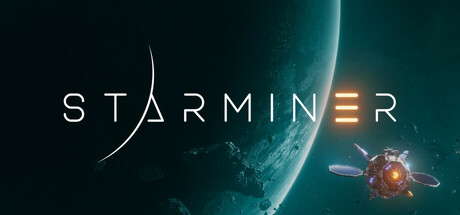
Some NPC portraits and player character face options in Starminer were created with the assistance of generative AI image tools during development. Generative AI was also used to help generate some informational dialogue, help texts, and tooltips. All AI-generated assets and text were reviewed, curated, and edited by our team before being integrated into the final build. No generative AI is used at runtime. All content shipped in the game is static and pre-authored.
Generative AI tools were used in a limited and supportive capacity during the development of this project. AI-generated imagery served primarily as visual reference material for the creation of certain 2D assets and textures. In addition, ChatGPT was utilized to assist with language translation, provide guidance during the debugging process, and support the setup and written presentation of the game’s Steam store page.
Generative AI tools were used during development to assist with the creation and refinement of certain visual assets, audio assets, and written content used in the game, its store page, and marketing materials. This includes AI-assisted images and music. All gameplay systems, programming, level design, game mechanics, story implementation, and final integration of content were created, reviewed, edited, and approved by the developer. The game does not generate AI content during gameplay.
This game includes limited use of generative AI for certain pre-rendered visual assets, specifically selected UI icons and selected store page images. No live-generated AI content is present in the game. All AI-assisted content has been reviewed, modified where necessary, and approved by the developer.
AI is used for cinematic cutscenes and certain art assets, but the majority of the work is done manually.
Similarly, code workflows include partial generation for certain C++, C#, and HLSL functions.
During development, we may use AI-assisted tools to prototype and iterate on content.
All assets in the final game are reviewed, refined, or recreated by our team.
If you spot something that looks like an unfinished AI placeholder, please let us know - we take that seriously.
Some visual assets used in this game, including character artwork, background images, UI-related artwork, and promotional images, were created or enhanced with the assistance of generative AI tools during development.
All AI-assisted assets were reviewed, selected, edited, and integrated by the development team before being included in the final game. The game does not generate AI content in real time during gameplay.
Generative AI was used only for pre-generation of some content. It was used to create some marketing materials for the store page, as well as music and some sound effects. All such content was reviewed, selected, and finalized by the developer before being included in the game or published on the store page.
The game does not utilize real-time generative AI. Generative AI does not contribute to the story, enemy behavior, gameplay, dialogue, or any other interaction with the player during gameplay.
This game uses pre-generated AI-assisted assets in some development and marketing materials, including draft visuals, voice work, localization support, and production references. Final content is reviewed and curated by the developer. The game does not generate AI content during gameplay.
Some visual assets, concept art, and creative materials used in the game and store page were assisted by generative AI tools. All generated content was reviewed, edited, and integrated by the developer.
Generative AI tools were used in a limited capacity to assist with marketing materials and early concept visuals during development. All AI-assisted content was reviewed and approved by the development team. The final shipped game contains no generative AI content.
Generative AI tools were used exclusively to assist in the creation of background ambient audio tracks. All code, environmental concept art, and level design were hand-crafted without the use of generative AI.
The things the player sees are mostly made manually by humans. But some visuals, like a couple of seamless textures that are used in the environment, were AI-generated and then modified by hand. AI was used to boost productivity generally, so it was used in a lot of workflows here and there to be finish tasks faster.
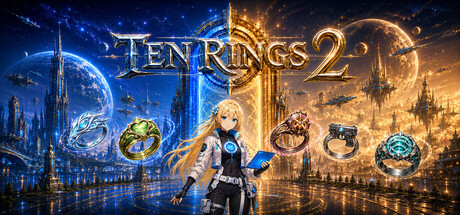
Ten Rings 2 uses generative AI during development to assist with some 2D visual asset production, concept iteration, and writing drafts. Final in-game content is selected, edited, integrated, and reviewed by the developer. Generative AI is not used to create live or personalized content during gameplay.
AI was used during development to help fix scripting errors and improve development efficiency. No AI was used in the creation of the game’s levels, menus, UI, or graphic designs.
Some of the English text content and translations in this game were created with the help of generative AI tools. All text has been reviewed and edited by our development team to ensure accuracy and educational quality.
This game uses generative AI (KlingAI) to create artwork, including characters and backgrounds. These images are directed, selected, and adjusted by the developer before being incorporated into the game.
All scenario text and scripts are written entirely by a human author. No generative AI is used for the writing.
The music is composed by a human and produced using a DAW (Cakewalk) and singing-voice synthesis software (VoiSona). No generative AI is used in the music production.
This game includes some visual and audio contents created with the assistance of generative A.I. All content included in the final release was curated, edited, and integrated by the developer as part of the creative process. The game engine and logic is 100% human created.
Some visual assets, including certain images and 3D models, were created or assisted using generative AI tools. All assets were reviewed and edited by the developer before being added to the game.
This game includes the use of generative AI tools in the creation of certain visual and audio elements. All content has been curated and integrated by the developer to ensure a cohesive artistic experience.
This game includes limited use of artificial intelligence in the creation process. Some translations, and a small number of voice lines may have been assisted, refined, or generated using AI tools. Most voice-acted dialogue was recorded traditionally, and the core narrative, writing, and overall creative direction were created by the development team.
Parts of the localization and most character portraits were created with the assistance of AI. All relevant content was manually reviewed and edited by me where possible and necessary.
Some NPC portraits and player character face options in Starminer were created with the assistance of generative AI image tools during development. Generative AI was also used to help generate some informational dialogue, help texts, and tooltips. All AI-generated assets and text were reviewed, curated, and edited by our team before being integrated into the final build. No generative AI is used at runtime. All content shipped in the game is static and pre-authored.
Generative AI tools were used in a limited and supportive capacity during the development of this project. AI-generated imagery served primarily as visual reference material for the creation of certain 2D assets and textures. In addition, ChatGPT was utilized to assist with language translation, provide guidance during the debugging process, and support the setup and written presentation of the game’s Steam store page.
Generative AI tools were used during development to assist with the creation and refinement of certain visual assets, audio assets, and written content used in the game, its store page, and marketing materials. This includes AI-assisted images and music. All gameplay systems, programming, level design, game mechanics, story implementation, and final integration of content were created, reviewed, edited, and approved by the developer. The game does not generate AI content during gameplay.
This game includes limited use of generative AI for certain pre-rendered visual assets, specifically selected UI icons and selected store page images. No live-generated AI content is present in the game. All AI-assisted content has been reviewed, modified where necessary, and approved by the developer.
AI is used for cinematic cutscenes and certain art assets, but the majority of the work is done manually.
Similarly, code workflows include partial generation for certain C++, C#, and HLSL functions.
During development, we may use AI-assisted tools to prototype and iterate on content.
All assets in the final game are reviewed, refined, or recreated by our team.
If you spot something that looks like an unfinished AI placeholder, please let us know - we take that seriously.
Some visual assets used in this game, including character artwork, background images, UI-related artwork, and promotional images, were created or enhanced with the assistance of generative AI tools during development.
All AI-assisted assets were reviewed, selected, edited, and integrated by the development team before being included in the final game. The game does not generate AI content in real time during gameplay.
Generative AI was used only for pre-generation of some content. It was used to create some marketing materials for the store page, as well as music and some sound effects. All such content was reviewed, selected, and finalized by the developer before being included in the game or published on the store page.
The game does not utilize real-time generative AI. Generative AI does not contribute to the story, enemy behavior, gameplay, dialogue, or any other interaction with the player during gameplay.
This game uses pre-generated AI-assisted assets in some development and marketing materials, including draft visuals, voice work, localization support, and production references. Final content is reviewed and curated by the developer. The game does not generate AI content during gameplay.
Some visual assets, concept art, and creative materials used in the game and store page were assisted by generative AI tools. All generated content was reviewed, edited, and integrated by the developer.
Generative AI tools were used in a limited capacity to assist with marketing materials and early concept visuals during development. All AI-assisted content was reviewed and approved by the development team. The final shipped game contains no generative AI content.
Generative AI tools were used exclusively to assist in the creation of background ambient audio tracks. All code, environmental concept art, and level design were hand-crafted without the use of generative AI.
The things the player sees are mostly made manually by humans. But some visuals, like a couple of seamless textures that are used in the environment, were AI-generated and then modified by hand. AI was used to boost productivity generally, so it was used in a lot of workflows here and there to be finish tasks faster.
Ten Rings 2 uses generative AI during development to assist with some 2D visual asset production, concept iteration, and writing drafts. Final in-game content is selected, edited, integrated, and reviewed by the developer. Generative AI is not used to create live or personalized content during gameplay.
AI was used during development to help fix scripting errors and improve development efficiency. No AI was used in the creation of the game’s levels, menus, UI, or graphic designs.
Some of the English text content and translations in this game were created with the help of generative AI tools. All text has been reviewed and edited by our development team to ensure accuracy and educational quality.
This game uses generative AI (KlingAI) to create artwork, including characters and backgrounds. These images are directed, selected, and adjusted by the developer before being incorporated into the game.
All scenario text and scripts are written entirely by a human author. No generative AI is used for the writing.
The music is composed by a human and produced using a DAW (Cakewalk) and singing-voice synthesis software (VoiSona). No generative AI is used in the music production.
This game includes some visual and audio contents created with the assistance of generative A.I. All content included in the final release was curated, edited, and integrated by the developer as part of the creative process. The game engine and logic is 100% human created.
Some visual assets, including certain images and 3D models, were created or assisted using generative AI tools. All assets were reviewed and edited by the developer before being added to the game.
This game includes the use of generative AI tools in the creation of certain visual and audio elements. All content has been curated and integrated by the developer to ensure a cohesive artistic experience.