Public Steam disclosure research25,383 disclosures tracked
Where do games disclose AI use?
Search developers’ Steam disclosures, compare classified AI use across
games, and follow recorded changes.
This index adds cross-game classifications and statistics to
statements published on individual store pages.
Groups reflect automatic analysis of public disclosures; mature records are excluded. These counts do not measure AI use across all of Steam.
Missing or unclear statements cannot establish whether a game uses AI.
During loading screens, the game displays abstract, AI-generated artwork. These visuals are separate from the in-game graphics and are not meant to depict actual gameplay. Much like the stylized, cartoon-like imagery used in other games during loading sequences, their sole purpose is to add visual interest while the game loads.
Additionally, the logo featured on the store page and the in-game menu was partially created with help of AI-generated design elements.
“This game includes a small number of static 3D meshes created with generative AI tools. All environments, gameplay, and narrative content are handcrafted.”
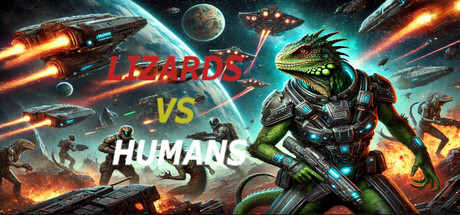
The game's store capsule image was created using AI tools. This is limited to promotional artwork only and does not affect the gameplay or in-game content.
Portions of the project were created with AI assistance: select art assets and some in-game commentary were AI-generated, then reviewed and refined by the developer.
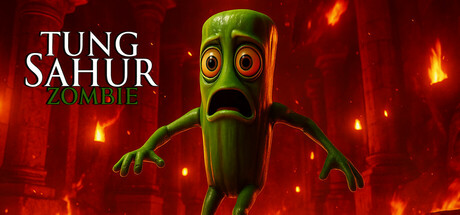
Some of the promotional materials (such as capsule images and library assets) were created using AI-based tools and then manually edited. In addition, the main character “Tung Tung Sahur” was initially generated using AI and then redesigned and animated manually. There is no AI-generated content during actual gameplay. AI usage is limited to marketing visuals and early character concept creation only.
We used AI to create static art assets: the store cover, in-game UI elements, and some in-game textures. Every AI-generated image was hand-edited, curated, and checked for copyright and content compliance. The game itself does not generate new content or code while you play, and no player data is ever sent to an AI service.
Yes, we use AI-generated images in our game, but they are heavily reworked by our artists to match the final visual style. The pre-story video is also primarily AI-generated.
Some of the game's music tracks were created using generative AI as a creative support tool. All compositions were manually selected, edited, and adapted to match the style and atmosphere of the game.
Artificial intelligence technologies were utilized in the development process of this game for the creation of audio and text-based content.
Character voiceovers, music, sound effects, and certain in-game text/dialogues were pre-generated using AI tools. All such generated audio and written content has been manually reviewed, verified, and edited by the developer to ensure it meets the game's quality standards. No live (runtime) AI generation occurs during gameplay.
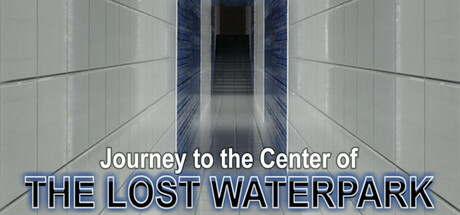
Some music in Journey to the Center of the Lost Waterpark has been created with the assistance of generative machine learning tools (short: "AI").
No content is generated by AI during live gameplay. All visual elements, mechanics, interactions, SFX, texts and story are hand-crafted by the (human) development team.
The AI tools that were used for generating some music tracks are commercially licensed to ensure compliance with the platform's terms of service and intellectual property guidelines.
There are 2 types of music in this game that were generated by AI:
- At the end of the game: The final credits song
- In-game: Everytime you see a song information in the bottom right corner of the screen when music starts to play
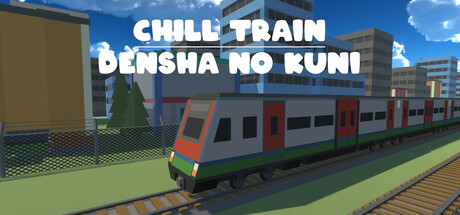
Some store artwork (such as capsule images and promotional banners) was created using AI tools and manually edited. The game content itself does not use AI-generated assets.
We use AI tools to generate pre-rendered content such as concept art from sketches, 3D model bases to sculpt on, voice AI for NPCs and for some marketing materials.
AI was used for production tasks such as background removal on digitized sprites, interpolation frame generation, and some UI elements. Core visuals are a mix of traditional pixel art and 90s-style digitized assets. All music and sound effects are original and human-made.
Some visual assets used in the game's main menu, promotional materials, and Steam page were created with the assistance of AI tools. These elements are designed to enhance the game's presentation but do not affect gameplay or generate content during runtime.
There is one soundtrack option for our own made (instrumental) songs and there are optional music styles you can unlock, these are all made using ai (including singing with funny mythic skijumping songs).
Some 3d environment parts were made using ai.
The portraits of the sponsors and trainers were made with ai. We do not have or use any AI Live / Online features, we only used it to help us to produce content parts that we control and improve before adding it to our game.
AI tooling is used during development to assist with programming, documentation, concept art, placeholder asset creation, and some marketing material. AI is a tool to that allows me more time to focus on important parts of the game - not a sloppy replacement for real people doing real people things.
Some visual assets used in this game, on its Steam store page, and in related marketing materials were created or enhanced with generative AI tools. All final assets were reviewed, manually edited where needed, and selected by the developer.
The game's music, art, and shader assets are supported by generative artificial intelligence.
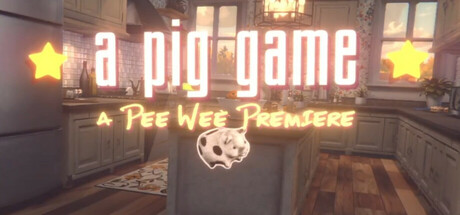
Pee Wee the Polka Dotted Pig and his jingle are copyright of PineyWoods Corner, LLC. Music and imagery is used with permission.
During loading screens, the game displays abstract, AI-generated artwork. These visuals are separate from the in-game graphics and are not meant to depict actual gameplay. Much like the stylized, cartoon-like imagery used in other games during loading sequences, their sole purpose is to add visual interest while the game loads.
Additionally, the logo featured on the store page and the in-game menu was partially created with help of AI-generated design elements.
“This game includes a small number of static 3D meshes created with generative AI tools. All environments, gameplay, and narrative content are handcrafted.”
The game's store capsule image was created using AI tools. This is limited to promotional artwork only and does not affect the gameplay or in-game content.
Portions of the project were created with AI assistance: select art assets and some in-game commentary were AI-generated, then reviewed and refined by the developer.
Some of the promotional materials (such as capsule images and library assets) were created using AI-based tools and then manually edited. In addition, the main character “Tung Tung Sahur” was initially generated using AI and then redesigned and animated manually. There is no AI-generated content during actual gameplay. AI usage is limited to marketing visuals and early character concept creation only.
We used AI to create static art assets: the store cover, in-game UI elements, and some in-game textures. Every AI-generated image was hand-edited, curated, and checked for copyright and content compliance. The game itself does not generate new content or code while you play, and no player data is ever sent to an AI service.
Yes, we use AI-generated images in our game, but they are heavily reworked by our artists to match the final visual style. The pre-story video is also primarily AI-generated.
Some of the game's music tracks were created using generative AI as a creative support tool. All compositions were manually selected, edited, and adapted to match the style and atmosphere of the game.
Artificial intelligence technologies were utilized in the development process of this game for the creation of audio and text-based content.
Character voiceovers, music, sound effects, and certain in-game text/dialogues were pre-generated using AI tools. All such generated audio and written content has been manually reviewed, verified, and edited by the developer to ensure it meets the game's quality standards. No live (runtime) AI generation occurs during gameplay.
Some music in Journey to the Center of the Lost Waterpark has been created with the assistance of generative machine learning tools (short: "AI").
No content is generated by AI during live gameplay. All visual elements, mechanics, interactions, SFX, texts and story are hand-crafted by the (human) development team.
The AI tools that were used for generating some music tracks are commercially licensed to ensure compliance with the platform's terms of service and intellectual property guidelines.
There are 2 types of music in this game that were generated by AI:
- At the end of the game: The final credits song
- In-game: Everytime you see a song information in the bottom right corner of the screen when music starts to play
Some store artwork (such as capsule images and promotional banners) was created using AI tools and manually edited. The game content itself does not use AI-generated assets.
We use AI tools to generate pre-rendered content such as concept art from sketches, 3D model bases to sculpt on, voice AI for NPCs and for some marketing materials.
AI was used for production tasks such as background removal on digitized sprites, interpolation frame generation, and some UI elements. Core visuals are a mix of traditional pixel art and 90s-style digitized assets. All music and sound effects are original and human-made.
Some visual assets used in the game's main menu, promotional materials, and Steam page were created with the assistance of AI tools. These elements are designed to enhance the game's presentation but do not affect gameplay or generate content during runtime.
There is one soundtrack option for our own made (instrumental) songs and there are optional music styles you can unlock, these are all made using ai (including singing with funny mythic skijumping songs).
Some 3d environment parts were made using ai.
The portraits of the sponsors and trainers were made with ai. We do not have or use any AI Live / Online features, we only used it to help us to produce content parts that we control and improve before adding it to our game.
AI tooling is used during development to assist with programming, documentation, concept art, placeholder asset creation, and some marketing material. AI is a tool to that allows me more time to focus on important parts of the game - not a sloppy replacement for real people doing real people things.
Some visual assets used in this game, on its Steam store page, and in related marketing materials were created or enhanced with generative AI tools. All final assets were reviewed, manually edited where needed, and selected by the developer.
The game's music, art, and shader assets are supported by generative artificial intelligence.
Pee Wee the Polka Dotted Pig and his jingle are copyright of PineyWoods Corner, LLC. Music and imagery is used with permission.