Public Steam disclosure research25,394 disclosures tracked
Where do games disclose AI use?
Search developers’ Steam disclosures, compare classified AI use across
games, and follow recorded changes.
This index adds cross-game classifications and statistics to
statements published on individual store pages.
Groups reflect automatic analysis of public disclosures; mature records are excluded. These counts do not measure AI use across all of Steam.
Missing or unclear statements cannot establish whether a game uses AI.
The key idea behind this game is to allow players to generate their own situations, scenarios, effects etc, and for that content to be visible by other players. This demands the use of AI and without AI this game can't exist.
The specific art and style shown so far is subject to change based on the general player feedback.
The skill display images are all generated using the text description of VIP Midjourney, based on the creative ideas of the author (myself). Not referencing any copyrighted images. Having specificity and uniqueness. There are no copyright related issues.
"Uncanny Valley: Machine" uses images and music generated by neural networks.
Images are generated using stable diffusion. When creating the models used, commercial use of the generated images is permitted.
When creating the images, no names of any authors or companies were indicated.
Most of the images were edited using photo editors.
The following types of images were generated by II:
Characters;
Backgrounds;
Interior objects.
All music in "Uncanny Valley: Machine" was generated by the MusicGen AI, which allows the generated music to be used for commercial purposes.
Some visual assets, such as icons and background art, are based on AI-generated images that have been manually edited. All final materials have been carefully curated and adjusted by human creators to ensure quality and consistency.
Due to limited development costs, in this game, we use AI to generate the map background and 2D buildings on the large map when building the map. We will replace all hand drawn materials within the official version in one year.
A few images have been made with AI for marketing / store images as we plan to have our artist finalize the final images that we will then upload before Early Access is over.
During the early development of Astro Felix, limited AI generated visuals were used specifically for select Steam artwork and a few temporary in-game placeholders. These assets were used solely to support of prototyping and vision shaping.
Our goal is to replace all placeholder material with original art as development progresses.
AI-Generated Artwork in A Tiny Space Adventure
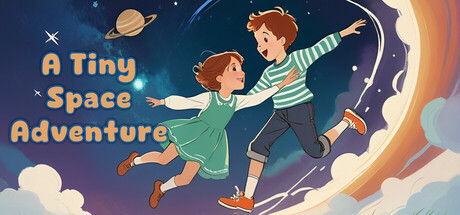
In A Tiny Space Adventure, we have used AI technology to create the majority of the visual elements, including backgrounds, characters, and in-game scenes. This approach allows us to bring a unique and imaginative visual style to the game, enhancing the storytelling and creating an engaging atmosphere for players.
All interface elements like buttons, indicators, and HUD elements were created manually to ensure smooth gameplay and user experience.
We are committed to delivering a high-quality experience, and the use of AI art has allowed us to explore creative possibilities while maintaining the charm and fun of the game.
The design of each character and location is thought out and created manually by me alone, but I also use neural networks in pre-production to help render fine details faster. No Live-Generated AI content is used.
All answers are created by generative ai (large language model inference), the complete chat is filtered by a stopword blocklist. We cannot control the output 100%, so it may be inaccurate or offending as for all generative ai.
In order to speed up the production level and progress of a small portion of posters and photos within frames, I used AI tools to generate this small piece. I maintain a cautious attitude towards using AI. It can only assist me with a small part of my art work, and the vast majority still require human brain design. For a highly creative game, I think there should still be human brain to complete the vast majority. AI can only do some art assistance work.
AI is used to generate the handful of character portraits. Original prompts describing each character is used, and iteratively adjusted to discover the final image that represents the character we imagine to be in our story world.
The creative process taken to generate each character starts first with an imagination of what the inhabitants of the game's fantasy world setting would look like, including the personalities, outfit, abilities, jobs, and overall stylistic theme of the game, while balancing between character uniqueness versus technical complexity to implement.
To avoid any legal issues, we use original prompts written by ourselves using generic descriptive keywords, without reference to any names of artists or existing creative works.
In order to create an experimental mystery game that focuses on interactive conversations with characters, I also used generative AI to create the visuals, as I don't have an artistic background or the funds to hire a professional artist.
Embrace the future of puzzle gaming crafted by AI, where every level is filled with wisdom and every puzzle is innovative. Explore your insights and inspire your imagination.
AI has been used in this game to create backgrounds and some flat illustrations in the game. Backgrounds and images have then been modified and retouched by the studio to fit the game.
Artificial intelligence has been used for:
- creating story videos for the game
- some single images for user interface (character portraits)
- game logo
We used generative AI for: art on the store page, and some in-game textures. Each AI-generated content was then manually adjusted by our in-house artist to ensure the presence of human input in the art and high quality of the game.
Ai is used in some of the background character's voices. The AI comes from Replica Studios (https://www.replicastudios.com/) and is legal and does not violate any copyright laws. The majority of the voice acting comes from hired professionals. Additionally, some of the artists I hired may have used AI to create or edit some of the art.
The key idea behind this game is to allow players to generate their own situations, scenarios, effects etc, and for that content to be visible by other players. This demands the use of AI and without AI this game can't exist.
The specific art and style shown so far is subject to change based on the general player feedback.
The skill display images are all generated using the text description of VIP Midjourney, based on the creative ideas of the author (myself). Not referencing any copyrighted images. Having specificity and uniqueness. There are no copyright related issues.
"Uncanny Valley: Machine" uses images and music generated by neural networks.
Images are generated using stable diffusion. When creating the models used, commercial use of the generated images is permitted.
When creating the images, no names of any authors or companies were indicated.
Most of the images were edited using photo editors.
The following types of images were generated by II:
Characters;
Backgrounds;
Interior objects.
All music in "Uncanny Valley: Machine" was generated by the MusicGen AI, which allows the generated music to be used for commercial purposes.
Some visual assets, such as icons and background art, are based on AI-generated images that have been manually edited. All final materials have been carefully curated and adjusted by human creators to ensure quality and consistency.
Due to limited development costs, in this game, we use AI to generate the map background and 2D buildings on the large map when building the map. We will replace all hand drawn materials within the official version in one year.
A few images have been made with AI for marketing / store images as we plan to have our artist finalize the final images that we will then upload before Early Access is over.
During the early development of Astro Felix, limited AI generated visuals were used specifically for select Steam artwork and a few temporary in-game placeholders. These assets were used solely to support of prototyping and vision shaping.
Our goal is to replace all placeholder material with original art as development progresses.
AI-Generated Artwork in A Tiny Space Adventure
In A Tiny Space Adventure, we have used AI technology to create the majority of the visual elements, including backgrounds, characters, and in-game scenes. This approach allows us to bring a unique and imaginative visual style to the game, enhancing the storytelling and creating an engaging atmosphere for players.
All interface elements like buttons, indicators, and HUD elements were created manually to ensure smooth gameplay and user experience.
We are committed to delivering a high-quality experience, and the use of AI art has allowed us to explore creative possibilities while maintaining the charm and fun of the game.
The design of each character and location is thought out and created manually by me alone, but I also use neural networks in pre-production to help render fine details faster. No Live-Generated AI content is used.
All answers are created by generative ai (large language model inference), the complete chat is filtered by a stopword blocklist. We cannot control the output 100%, so it may be inaccurate or offending as for all generative ai.
In order to speed up the production level and progress of a small portion of posters and photos within frames, I used AI tools to generate this small piece. I maintain a cautious attitude towards using AI. It can only assist me with a small part of my art work, and the vast majority still require human brain design. For a highly creative game, I think there should still be human brain to complete the vast majority. AI can only do some art assistance work.
AI is used to generate the handful of character portraits. Original prompts describing each character is used, and iteratively adjusted to discover the final image that represents the character we imagine to be in our story world.
The creative process taken to generate each character starts first with an imagination of what the inhabitants of the game's fantasy world setting would look like, including the personalities, outfit, abilities, jobs, and overall stylistic theme of the game, while balancing between character uniqueness versus technical complexity to implement.
To avoid any legal issues, we use original prompts written by ourselves using generic descriptive keywords, without reference to any names of artists or existing creative works.
In order to create an experimental mystery game that focuses on interactive conversations with characters, I also used generative AI to create the visuals, as I don't have an artistic background or the funds to hire a professional artist.
Embrace the future of puzzle gaming crafted by AI, where every level is filled with wisdom and every puzzle is innovative. Explore your insights and inspire your imagination.
AI has been used in this game to create backgrounds and some flat illustrations in the game. Backgrounds and images have then been modified and retouched by the studio to fit the game.
Artificial intelligence has been used for:
- creating story videos for the game
- some single images for user interface (character portraits)
- game logo
We used generative AI for: art on the store page, and some in-game textures. Each AI-generated content was then manually adjusted by our in-house artist to ensure the presence of human input in the art and high quality of the game.
Ai is used in some of the background character's voices. The AI comes from Replica Studios (https://www.replicastudios.com/) and is legal and does not violate any copyright laws. The majority of the voice acting comes from hired professionals. Additionally, some of the artists I hired may have used AI to create or edit some of the art.