Public Steam disclosure research25,508 disclosures tracked
Where do games disclose AI use?
Search developers’ Steam disclosures, compare classified AI use across
games, and follow recorded changes.
This index adds cross-game classifications and statistics to
statements published on individual store pages.
Groups reflect automatic analysis of public disclosures; mature records are excluded. These counts do not measure AI use across all of Steam.
Missing or unclear statements cannot establish whether a game uses AI.
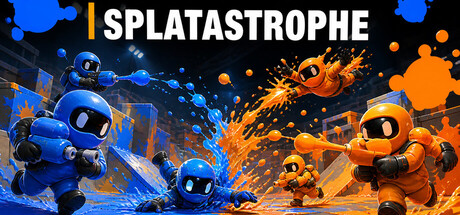
Generative AI tools were used during development to assist with portions of the game’s code, environmental design, visual assets, and promotional artwork. All AI-assisted content was reviewed, edited, and integrated by the developer. Splatastrophe does not generate AI content during gameplay and does not send player data to generative AI services.
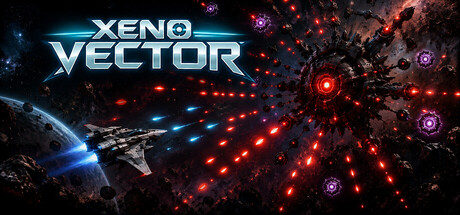
AI-assisted coding was used in the development of Xenovector, including systems responsible for procedural environments, visual effects and dynamically assembled in-game scenery.
AI-generated or AI-assisted artwork was also used for in-game backgrounds and graphical elements, in addition to promotional/store assets.
Some elements of this game were created using generative AI tools: part of the visual assets (including the logo), the music, and part of the translations. No generative AI is used during gameplay.
Some of the artwork in this game was created with the help of generative AI (Google Gemini). All AI-generated assets are pre-rendered and shipped with the game; no content is generated in real time during gameplay.
Some of the 2D images in SplatStick were created with the help of generative AI tools and then edited by hand. Parts of the source code and the in-game interface text were written with the help of an AI coding assistant.
Everything else is made by people: sound effects, particle effects and fonts come from licensed third-party asset packs.
The game does not use generative AI while you play. Nothing is generated at runtime.
Some in game and promotional visual assets were created using generative AI and then edited and integrated into FrogPop. No content is generated by AI during gameplay.
Some art, icons, music, sound effects, and marketing or store assets were created or assisted with generative AI tools during development, then reviewed and curated by the team. The game does not generate new AI content in real time during gameplay and does not connect to external AI services while you play.
Generative AI was used during the development of Between Jobs to assist in creating 2D graphical assets. This includes static background art, environmental textures, and store page graphics. No AI content is live-generated while playing the game.
All gameplay content is deterministic, hand-authored code with no AI generation at runtime. AI-assisted development tooling was used during production, including AI-assisted authoring of the code that renders the store artwork and achievement icons. No generative-AI images, audio, or text are shipped as game assets, and the game never connects to AI services.
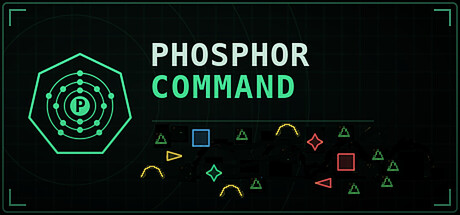
Some of Phosphor Command's store and marketing artwork. Notably, the library/hero image was created using a generative AI image tool, based on our own in‑game screenshots, and finalized by the developer. All AI‑generated content is pre‑generated; the game generates no AI content during gameplay. We hold the rights to use this content.
Some of this game's assets were produced with the help of generative AI tools: the 2D key art and cinematic stills used in the trailer, capsule art and main menu; the base meshes for the twelve zodiac fighters, generated with Meshy and then rigged, retextured and reworked by hand; and part of the music and sound effects. Every AI-generated asset was reviewed, edited and integrated manually before shipping. No generative AI runs at runtime — nothing is generated while you play.
LIMP MODE is made by a solo developer who uses generative AI as a tool during production.
Where AI was used: the game's code, the cover artwork that all store page capsule images are built from, the songs played on the in-game radio, the spoken lines of one story character (text-to-speech), parts of the in-game visual and audio assets, and the drafting of the English store page and marketing texts. The player character's voice lines are recorded by the developer himself and are not AI-generated.
All game design, mechanics, balancing and creative direction come from the developer. Every AI-assisted result was reviewed and edited by the developer before it shipped.
The game does not generate any content while it is running and does not connect to any AI service during gameplay.
Generative AI has been used to assist in the creation of certain promotional artwork and visual assets. AI tools have also been used during development to assist with programming, documentation, and iteration. All generated content has been reviewed, integrated, and validated by the developer before being included in the final product.
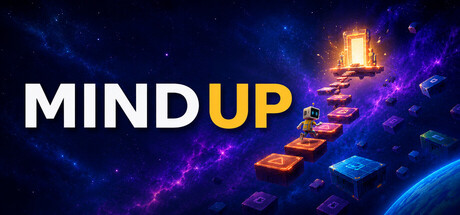
MindUP uses some pre-rendered AI-assisted visual, audio, and promotional assets. The game does not use live generative AI during gameplay, and no player prompts or AI-generated gameplay content are created at runtime.
RingOut uses generative AI to create part of its content. Some 2D artwork (character illustrations, key art and store/marketing images) and some audio (music and/or sound effects) were created with generative AI tools during development, then reviewed, edited and integrated by the developer. All 3D models are hand-made. No content is generated by AI in real time during gameplay.
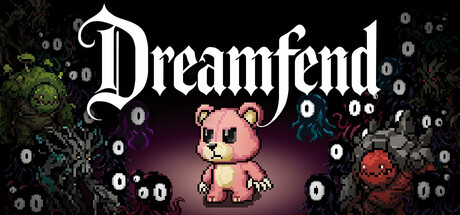
Some assets in Dreamfend were created using generative AI tools. This applies to the music and to some of the visual assets. All such content is reviewed and refined by hand to match the game's style and the author's intent. No content is generated during gameplay.
Generative AI tools were used during development to assist with creating and refining some pre-generated artwork and other media assets, including assets used in the game and on its Steam store page. All AI-assisted content was reviewed, edited, and integrated by the developer. The game does not generate AI content during gameplay or connect to external AI services.
AI generated content is used for store page and for meshes in game, I am a solo developer can't really afford the time to make custom meshes nor to pay and buy it.
Some temporary store page artwork (capsule images) and marketing text were created with the assistance of AI tools. The game itself does not contain AI-generated art, sound, or content, and does not use AI generation at runtime.
Stick Crisis was developed with assistance from generative AI tools. AI-assisted image and animation tools were used to create selected visual assets, character animation frames and pre-rendered cinematics; these materials were reviewed, edited and integrated by the developer. AI coding assistants also contributed to portions of the source code. The game does not generate content during gameplay or connect to generative AI services at runtime.
Generative AI tools were used to assist with translations of user interface text and game descriptions into some supported languages. All localization content is pre-generated and included in the game files. The game does not generate any content using AI at runtime.
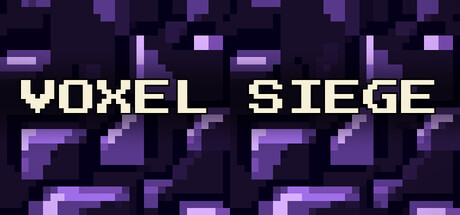
Voxel Siege uses generative AI for some pre-generated content, all reviewed by the developer before inclusion. Specifically: some in-game material/block textures were created with AI image tools; the music and sound effects were created with AI audio-generation tools; the store page description and some marketing copy were drafted with AI assistance; and some level/fortress layouts were generated with AI-assisted tooling. All AI-generated content was created during development (not live or at runtime), was reviewed by the developer, and does not incorporate third-party intellectual property. The game does not generate any AI content live during gameplay.
AI is used in part for translating text from Japanese into the supported languages.
AI is not used for game development, content generation, or any purposes other than translation.
Generative AI was used to assist in creating some visual assets, including certain background images and the game start screen artwork. Other game content, including gameplay, programming, character design, and world-building, was created independently by the development team.
Generative AI was used as an assistive tool during development to create certain visual assets and other supporting content. All AI-assisted content was reviewed, edited, and integrated by the developer. The game does not use live-generated AI.
Source code and store page copy were written with AI assistance (Claude), reviewed and edited by the developer before shipping. No AI-generated artwork, music, voice or narrative content ships in this game. All in-game visuals are hand-written shaders and code-drawn geometry; sound effects are procedurally synthesised by a deterministic script; music is licensed from a human artist; fonts are licensed typefaces. No generative AI runs at runtime.
We are committed to the ethical use of AI. As such, limited assistance with some text, spoken dialogue, narrative, localization, and store/marketing copy may have been utilized.
It is not used to generate artwork or live gameplay content, and all final content is reviewed by the team.
Generative AI tools were used during development to assist with portions of the game’s code, environmental design, visual assets, and promotional artwork. All AI-assisted content was reviewed, edited, and integrated by the developer. Splatastrophe does not generate AI content during gameplay and does not send player data to generative AI services.
AI-assisted coding was used in the development of Xenovector, including systems responsible for procedural environments, visual effects and dynamically assembled in-game scenery.
AI-generated or AI-assisted artwork was also used for in-game backgrounds and graphical elements, in addition to promotional/store assets.
Some elements of this game were created using generative AI tools: part of the visual assets (including the logo), the music, and part of the translations. No generative AI is used during gameplay.
Some of the artwork in this game was created with the help of generative AI (Google Gemini). All AI-generated assets are pre-rendered and shipped with the game; no content is generated in real time during gameplay.
Some of the 2D images in SplatStick were created with the help of generative AI tools and then edited by hand. Parts of the source code and the in-game interface text were written with the help of an AI coding assistant.
Everything else is made by people: sound effects, particle effects and fonts come from licensed third-party asset packs.
The game does not use generative AI while you play. Nothing is generated at runtime.
Some in game and promotional visual assets were created using generative AI and then edited and integrated into FrogPop. No content is generated by AI during gameplay.
Some art, icons, music, sound effects, and marketing or store assets were created or assisted with generative AI tools during development, then reviewed and curated by the team. The game does not generate new AI content in real time during gameplay and does not connect to external AI services while you play.
Generative AI was used during the development of Between Jobs to assist in creating 2D graphical assets. This includes static background art, environmental textures, and store page graphics. No AI content is live-generated while playing the game.
All gameplay content is deterministic, hand-authored code with no AI generation at runtime. AI-assisted development tooling was used during production, including AI-assisted authoring of the code that renders the store artwork and achievement icons. No generative-AI images, audio, or text are shipped as game assets, and the game never connects to AI services.
Some of Phosphor Command's store and marketing artwork. Notably, the library/hero image was created using a generative AI image tool, based on our own in‑game screenshots, and finalized by the developer. All AI‑generated content is pre‑generated; the game generates no AI content during gameplay. We hold the rights to use this content.
Some of this game's assets were produced with the help of generative AI tools: the 2D key art and cinematic stills used in the trailer, capsule art and main menu; the base meshes for the twelve zodiac fighters, generated with Meshy and then rigged, retextured and reworked by hand; and part of the music and sound effects. Every AI-generated asset was reviewed, edited and integrated manually before shipping. No generative AI runs at runtime — nothing is generated while you play.
LIMP MODE is made by a solo developer who uses generative AI as a tool during production.
Where AI was used: the game's code, the cover artwork that all store page capsule images are built from, the songs played on the in-game radio, the spoken lines of one story character (text-to-speech), parts of the in-game visual and audio assets, and the drafting of the English store page and marketing texts. The player character's voice lines are recorded by the developer himself and are not AI-generated.
All game design, mechanics, balancing and creative direction come from the developer. Every AI-assisted result was reviewed and edited by the developer before it shipped.
The game does not generate any content while it is running and does not connect to any AI service during gameplay.
Generative AI has been used to assist in the creation of certain promotional artwork and visual assets. AI tools have also been used during development to assist with programming, documentation, and iteration. All generated content has been reviewed, integrated, and validated by the developer before being included in the final product.
MindUP uses some pre-rendered AI-assisted visual, audio, and promotional assets. The game does not use live generative AI during gameplay, and no player prompts or AI-generated gameplay content are created at runtime.
RingOut uses generative AI to create part of its content. Some 2D artwork (character illustrations, key art and store/marketing images) and some audio (music and/or sound effects) were created with generative AI tools during development, then reviewed, edited and integrated by the developer. All 3D models are hand-made. No content is generated by AI in real time during gameplay.
Some assets in Dreamfend were created using generative AI tools. This applies to the music and to some of the visual assets. All such content is reviewed and refined by hand to match the game's style and the author's intent. No content is generated during gameplay.
Generative AI tools were used during development to assist with creating and refining some pre-generated artwork and other media assets, including assets used in the game and on its Steam store page. All AI-assisted content was reviewed, edited, and integrated by the developer. The game does not generate AI content during gameplay or connect to external AI services.
AI generated content is used for store page and for meshes in game, I am a solo developer can't really afford the time to make custom meshes nor to pay and buy it.
Some temporary store page artwork (capsule images) and marketing text were created with the assistance of AI tools. The game itself does not contain AI-generated art, sound, or content, and does not use AI generation at runtime.
Stick Crisis was developed with assistance from generative AI tools. AI-assisted image and animation tools were used to create selected visual assets, character animation frames and pre-rendered cinematics; these materials were reviewed, edited and integrated by the developer. AI coding assistants also contributed to portions of the source code. The game does not generate content during gameplay or connect to generative AI services at runtime.
Generative AI tools were used to assist with translations of user interface text and game descriptions into some supported languages. All localization content is pre-generated and included in the game files. The game does not generate any content using AI at runtime.
Voxel Siege uses generative AI for some pre-generated content, all reviewed by the developer before inclusion. Specifically: some in-game material/block textures were created with AI image tools; the music and sound effects were created with AI audio-generation tools; the store page description and some marketing copy were drafted with AI assistance; and some level/fortress layouts were generated with AI-assisted tooling. All AI-generated content was created during development (not live or at runtime), was reviewed by the developer, and does not incorporate third-party intellectual property. The game does not generate any AI content live during gameplay.
AI is used in part for translating text from Japanese into the supported languages.
AI is not used for game development, content generation, or any purposes other than translation.
Generative AI was used to assist in creating some visual assets, including certain background images and the game start screen artwork. Other game content, including gameplay, programming, character design, and world-building, was created independently by the development team.
Generative AI was used as an assistive tool during development to create certain visual assets and other supporting content. All AI-assisted content was reviewed, edited, and integrated by the developer. The game does not use live-generated AI.
Source code and store page copy were written with AI assistance (Claude), reviewed and edited by the developer before shipping. No AI-generated artwork, music, voice or narrative content ships in this game. All in-game visuals are hand-written shaders and code-drawn geometry; sound effects are procedurally synthesised by a deterministic script; music is licensed from a human artist; fonts are licensed typefaces. No generative AI runs at runtime.
We are committed to the ethical use of AI. As such, limited assistance with some text, spoken dialogue, narrative, localization, and store/marketing copy may have been utilized.
It is not used to generate artwork or live gameplay content, and all final content is reviewed by the team.