Public Steam disclosure research25,508 disclosures tracked
Where do games disclose AI use?
Search developers’ Steam disclosures, compare classified AI use across
games, and follow recorded changes.
This index adds cross-game classifications and statistics to
statements published on individual store pages.
Groups reflect automatic analysis of public disclosures; mature records are excluded. These counts do not measure AI use across all of Steam.
Missing or unclear statements cannot establish whether a game uses AI.
In the development process of this game, we utilized pre-generated AI tools as follows:
* 2D Assets (Backgrounds, Photos, Various Images): After generating base images using AI, we manually added, modified, and processed them before implementing them in the game.
* 3D Assets: AI generation was used for some 3D models, and the output models were then manually adjusted and processed before use.
* Audio: Generation AI tools (text-to-speech and speech synthesis) were used for some sound effects (SE) and character voices.
Please note that we did not use any live-generated AI systems that generate content in real time during game execution.
Some game text, procedural artwork, sound effects, and store page copy were created with AI assistance, then reviewed and curated by the developer. Character and enemy sprites are licensed, human-made pixel art. No content is AI-generated during gameplay.
AI tools were used during development to assist in creating portions of the game's code, text, and 2D artwork, including some store page assets. All AI-assisted content was generated during development and reviewed by the developer. The game does not use AI to generate any content at runtime.
Some visual concepts, promotional artwork, and certain written materials used for the game's presentation were created or refined with the assistance of generative AI. All AI-assisted content has been carefully reviewed, edited, and approved by the development team to ensure artistic consistency, originality, and quality. The gameplay, design decisions, and final player experience are fully curated by the developers.
This game uses generative AI only for in-game character dialogue. Players can communicate with certain characters using natural language, and the AI generates text responses based on the game's setting and the current conversation context. Apart from character dialogue text, the game's artwork, music, sound effects, code, store page assets, and marketing materials are not generated by AI.
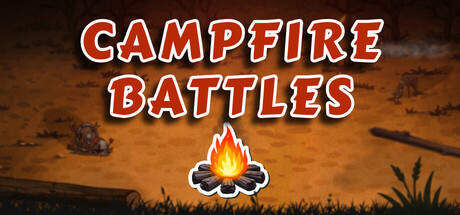
Campfire Battles is our attempt to bring an idea to life as a two-person team. AI tools helped us work quickly, particularly on the coding side, but every piece was reviewed and refined by hand.
It was found that some character art pieces in the game used AI references after artists received explicit instruction and legal binding not to use AI.
This will be rectified in the future. I am committed to providing a game without AI usage.
This game uses generative AI tools to assist with voiceover production and localization. All AI-assisted content is reviewed and integrated by the development team.
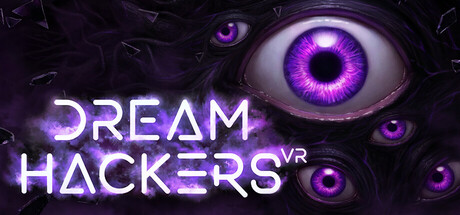
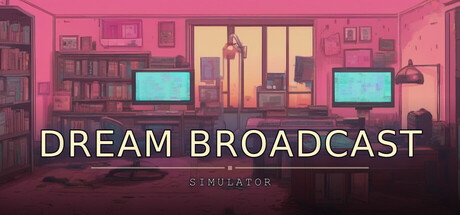
This game is built by a Master of the Fine Arts in Digital and New Media with a specialization in procedural content. Generative AI tools were used during development to create and iterate on pre-rendered visual assets, including dream artwork, backgrounds, capsule art, and marketing imagery. All AI-assisted content is selected, edited, and integrated by the development team. The game does not generate AI content during gameplay and does not connect to third-party AI services during play.
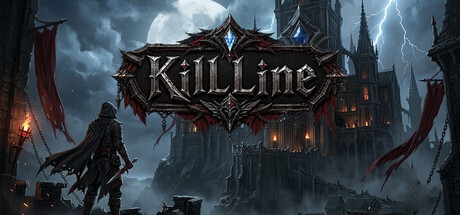
The game icon and store page artwork (capsules and key art backgrounds) were created with the assistance of AI image-generation tools, then edited and composited by the development team. The in-game title logo also used AI assistance. All game design, level design, code, and gameplay content were created by the development team. No AI-generated content is created live during gameplay.
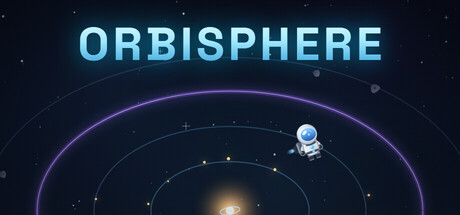
I built Orbisphere as a solo developer using AI tools under human direction. The soundtrack was created with generative AI music tools, with each track directed, selected, and edited by me. In-game vector artwork was authored with AI assistance from my terrible MS Paint references and designs. All game design, writing, systems, and balance are my own work.
Generative AI was used as a production tool to help create selected visual and audio assets and to assist with refining some written content. The game’s concept, narrative direction, scenes, mechanics, and final presentation were defined, directed, reviewed, and edited by the developer. No content is generated by AI during gameplay.
The art, audio, and writing in Refund Speedrun are created by hand. Generative AI was used only for the voice-over narration in our promotional teaser trailer (ElevenLabs). The game does not generate any content using AI at runtime.
AI generated art and other assets were referenced and partly used during development, but every effort is taken to make the game original. At UWS, we make every effort to support our art/design team and use AI very rarely to meet our production needs
Generative AI was used during production of some visual and audio assets. All generated material is selected, directed, edited, and integrated through a human-led creative process. The game does not generate content with AI during play.
AI-assisted. Developer-directed. Generative AI was used as a production tool during development: Claude assisted with prototyping and implementation, while Google Lyria was used to create the game's original 15-track soundtrack. The music and all other AI-assisted material were selected, edited, integrated, and play-tested by the developer to serve Boiler & Blood's dieselpunk folk-occult world.
Generative AI was used to create various graphical assets featured in the game. These assets were selected, edited, composited and integrated by the developer as part of the game’s visual design, alongside substantial human creative direction, implementation and refinement.
This game includes some pre-generated artwork and sound effects created with the assistance of generative AI. These assets were reviewed, selected, and integrated by the developer during development. The game does not use live generative AI during gameplay.
All content in this game was created by a single developer using generative AI tools, under full human supervision.
The scenario and script were written by the developer (writing assistance: Claude). All theme song lyrics were written by the developer. Backgrounds, character sprites, the logo, and the OP/ED movies were generated with Leonardo AI, based on the developer's own character designs, compositions, and art direction. The music and theme songs were produced with Suno AI. All voice acting was generated with ElevenLabs; every line in all three languages (Japanese, English, and Simplified Chinese, approx. 1,900 lines each) was individually reviewed by the developer for pronunciation, acting, and emotional delivery, and only approved takes were used. Localization was assisted by Claude Code, with every translation reviewed by the developer. Programming was assisted by Claude Code.
The store page and marketing assets (capsule images, logo, trailers, etc.) were likewise created with Leonardo AI (imagery) and Suno AI (music). Screenshots and trailer footage are captures of the actual game (the game itself contains the AI-generated assets described above).
Every AI-generated asset was reviewed, selected, and corrected by the developer before use. No content is generated by AI at runtime. A breakdown of tools by production stage is included in the end credits.
Some content in this game was created with the assistance of generative AI tools, then curated, edited, and integrated by hand by the solo developer. This includes: character and enemy sprite animations (AI-generated video processed by hand into sprite animations), environment and background artwork, the story tapestry illustrations, title and store artwork, music, and some sound effects. All such content is pre-rendered and ships with the game — nothing is generated live at runtime. All content was reviewed by the developer to ensure it does not include illegal or infringing material.
Pre-generated AI: GPT Image 2 was used during development to create 2D paper-cut-style images included in the app, including weather phenomena, collectible visitors, ecosystem entities, Steam achievement icons, and key art for Steam store capsules and library assets. The developer selected and edited these images, including cropping, background removal, color and alpha cleanup, and export. The app does not use generative AI at runtime.
This game uses content created with the assistance of generative AI. Some of the game's artwork and visual assets, along with its store page and marketing text, were produced with generative AI tools. The core gameplay — levels, mechanics, and the real-time 3D visuals rendered by the game engine — is hand-designed and code-generated by the developer. No generative AI content is created in real time during gameplay; all assets are finalized and reviewed before release.
Some of the sound effects in this game were created using generative AI tools. AI-generated audio is edited and mixed by the development team before being used in the game.
This game uses generative AI for some pre-generated content. Specifically, generative AI tools were used in the creation of some in-game background/wallpaper assets and some in-game background music. All such content has been reviewed, selected, and edited by the developer before being included in the game. The game does not use live-generated AI content during gameplay.
AI tools were used in writing the game's code. No AI generated images, music, audio, or models were used. All artwork is Public-Domain paintings from famous, historical artists.
"AI offered the seeds, but I am the one who selected them with care, nurtured them with devotion, and waited for them to bloom.
I serve as a humble gardener, cultivating a flower that never fades, right there on your desktop. Within this space lies the fruit of countless nights at my desk; it holds the tenderness I wish to share—a sincere greeting to every lonely soul. May this bloom rest quietly on your screen, bringing a breath of peace and fragrance to your day."
Generative AI tools were used during development to assist with the creation of some 3D assets, music, and draft visual materials. Character concepts were based on human-made sketches, and AI was used only for early draft exploration; the final in-game characters were created by humans. All AI-assisted materials were reviewed, edited, and integrated into the game by the developer. AI is not used to generate content during gameplay.
Generative AI was used during development to assist in the creation of certain visual assets, including some textures and artwork featured in story sequences. All generated assets were reviewed, modified where necessary, and curated by the development team before inclusion in the game. No AI-generated content is created during gameplay.
Generative AI was used during development to create a limited number of in-game images and to generate translations for multiple languages. All AI-generated content was reviewed and edited as needed by the development team.
This game uses AI-generated content in two areas: background music tracks were created using Mureka AI, and some pixel art assets were generated using PixelLab. All AI-generated content was reviewed, curated, and integrated by the developer.
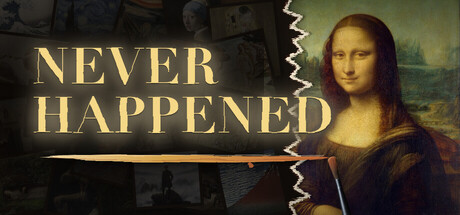
The masterpieces featured in this game are real public-domain paintings, digitized from high-resolution scans. They are not AI-generated.
Generative AI was used only in the following areas: some artwork other than the masterpieces (UI, characters, backgrounds), some sound, and localization.
The game includes pre-generated visual and audio assets created with the assistance of generative AI tools. These include character artwork, environmental backgrounds, music, and singing vocals. All lyrics were written entirely by the developer without the use of generative AI, while the music and vocals were created through a collaborative process involving human creative direction and generative AI tools. All AI-assisted outputs were reviewed, selected, edited, and integrated by the developer. The game does not generate content during gameplay and does not send player input to any AI service.
Every visual asset in the game is an open-source, licensed, open-source pixel icon, or a real in-game render. no AI image production. Some of the game codes were written with AI-assisted development tools under the direct supervision of the developer, and localization was human-inspired for all sentences after machine translation initials. There is no real-time AI creation in the game
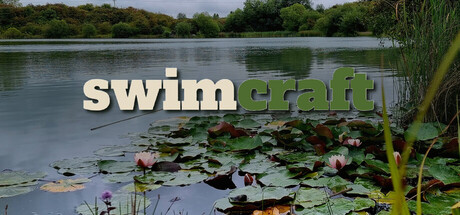
Fish species artwork in Swimcraft is pre-rendered AI-generated imagery. All venue photography is the developer's own, and all audio, UI and game code are non-generated. No AI content is generated live during play.
In the development process of this game, we utilized pre-generated AI tools as follows:
* 2D Assets (Backgrounds, Photos, Various Images): After generating base images using AI, we manually added, modified, and processed them before implementing them in the game.
* 3D Assets: AI generation was used for some 3D models, and the output models were then manually adjusted and processed before use.
* Audio: Generation AI tools (text-to-speech and speech synthesis) were used for some sound effects (SE) and character voices.
Please note that we did not use any live-generated AI systems that generate content in real time during game execution.
Some game text, procedural artwork, sound effects, and store page copy were created with AI assistance, then reviewed and curated by the developer. Character and enemy sprites are licensed, human-made pixel art. No content is AI-generated during gameplay.
AI tools were used during development to assist in creating portions of the game's code, text, and 2D artwork, including some store page assets. All AI-assisted content was generated during development and reviewed by the developer. The game does not use AI to generate any content at runtime.
Some visual concepts, promotional artwork, and certain written materials used for the game's presentation were created or refined with the assistance of generative AI. All AI-assisted content has been carefully reviewed, edited, and approved by the development team to ensure artistic consistency, originality, and quality. The gameplay, design decisions, and final player experience are fully curated by the developers.
This game uses generative AI only for in-game character dialogue. Players can communicate with certain characters using natural language, and the AI generates text responses based on the game's setting and the current conversation context. Apart from character dialogue text, the game's artwork, music, sound effects, code, store page assets, and marketing materials are not generated by AI.
Campfire Battles is our attempt to bring an idea to life as a two-person team. AI tools helped us work quickly, particularly on the coding side, but every piece was reviewed and refined by hand.
It was found that some character art pieces in the game used AI references after artists received explicit instruction and legal binding not to use AI.
This will be rectified in the future. I am committed to providing a game without AI usage.
This game uses generative AI tools to assist with voiceover production and localization. All AI-assisted content is reviewed and integrated by the development team.
This game is built by a Master of the Fine Arts in Digital and New Media with a specialization in procedural content. Generative AI tools were used during development to create and iterate on pre-rendered visual assets, including dream artwork, backgrounds, capsule art, and marketing imagery. All AI-assisted content is selected, edited, and integrated by the development team. The game does not generate AI content during gameplay and does not connect to third-party AI services during play.
The game icon and store page artwork (capsules and key art backgrounds) were created with the assistance of AI image-generation tools, then edited and composited by the development team. The in-game title logo also used AI assistance. All game design, level design, code, and gameplay content were created by the development team. No AI-generated content is created live during gameplay.
I built Orbisphere as a solo developer using AI tools under human direction. The soundtrack was created with generative AI music tools, with each track directed, selected, and edited by me. In-game vector artwork was authored with AI assistance from my terrible MS Paint references and designs. All game design, writing, systems, and balance are my own work.
Generative AI was used as a production tool to help create selected visual and audio assets and to assist with refining some written content. The game’s concept, narrative direction, scenes, mechanics, and final presentation were defined, directed, reviewed, and edited by the developer. No content is generated by AI during gameplay.
The art, audio, and writing in Refund Speedrun are created by hand. Generative AI was used only for the voice-over narration in our promotional teaser trailer (ElevenLabs). The game does not generate any content using AI at runtime.
AI generated art and other assets were referenced and partly used during development, but every effort is taken to make the game original. At UWS, we make every effort to support our art/design team and use AI very rarely to meet our production needs
Generative AI was used during production of some visual and audio assets. All generated material is selected, directed, edited, and integrated through a human-led creative process. The game does not generate content with AI during play.
AI-assisted. Developer-directed. Generative AI was used as a production tool during development: Claude assisted with prototyping and implementation, while Google Lyria was used to create the game's original 15-track soundtrack. The music and all other AI-assisted material were selected, edited, integrated, and play-tested by the developer to serve Boiler & Blood's dieselpunk folk-occult world.
Generative AI was used to create various graphical assets featured in the game. These assets were selected, edited, composited and integrated by the developer as part of the game’s visual design, alongside substantial human creative direction, implementation and refinement.
This game includes some pre-generated artwork and sound effects created with the assistance of generative AI. These assets were reviewed, selected, and integrated by the developer during development. The game does not use live generative AI during gameplay.
All content in this game was created by a single developer using generative AI tools, under full human supervision.
The scenario and script were written by the developer (writing assistance: Claude). All theme song lyrics were written by the developer. Backgrounds, character sprites, the logo, and the OP/ED movies were generated with Leonardo AI, based on the developer's own character designs, compositions, and art direction. The music and theme songs were produced with Suno AI. All voice acting was generated with ElevenLabs; every line in all three languages (Japanese, English, and Simplified Chinese, approx. 1,900 lines each) was individually reviewed by the developer for pronunciation, acting, and emotional delivery, and only approved takes were used. Localization was assisted by Claude Code, with every translation reviewed by the developer. Programming was assisted by Claude Code.
The store page and marketing assets (capsule images, logo, trailers, etc.) were likewise created with Leonardo AI (imagery) and Suno AI (music). Screenshots and trailer footage are captures of the actual game (the game itself contains the AI-generated assets described above).
Every AI-generated asset was reviewed, selected, and corrected by the developer before use. No content is generated by AI at runtime. A breakdown of tools by production stage is included in the end credits.
Some content in this game was created with the assistance of generative AI tools, then curated, edited, and integrated by hand by the solo developer. This includes: character and enemy sprite animations (AI-generated video processed by hand into sprite animations), environment and background artwork, the story tapestry illustrations, title and store artwork, music, and some sound effects. All such content is pre-rendered and ships with the game — nothing is generated live at runtime. All content was reviewed by the developer to ensure it does not include illegal or infringing material.
Pre-generated AI: GPT Image 2 was used during development to create 2D paper-cut-style images included in the app, including weather phenomena, collectible visitors, ecosystem entities, Steam achievement icons, and key art for Steam store capsules and library assets. The developer selected and edited these images, including cropping, background removal, color and alpha cleanup, and export. The app does not use generative AI at runtime.
This game uses content created with the assistance of generative AI. Some of the game's artwork and visual assets, along with its store page and marketing text, were produced with generative AI tools. The core gameplay — levels, mechanics, and the real-time 3D visuals rendered by the game engine — is hand-designed and code-generated by the developer. No generative AI content is created in real time during gameplay; all assets are finalized and reviewed before release.
Some of the sound effects in this game were created using generative AI tools. AI-generated audio is edited and mixed by the development team before being used in the game.
This game uses generative AI for some pre-generated content. Specifically, generative AI tools were used in the creation of some in-game background/wallpaper assets and some in-game background music. All such content has been reviewed, selected, and edited by the developer before being included in the game. The game does not use live-generated AI content during gameplay.
AI tools were used in writing the game's code. No AI generated images, music, audio, or models were used. All artwork is Public-Domain paintings from famous, historical artists.
"AI offered the seeds, but I am the one who selected them with care, nurtured them with devotion, and waited for them to bloom.
I serve as a humble gardener, cultivating a flower that never fades, right there on your desktop. Within this space lies the fruit of countless nights at my desk; it holds the tenderness I wish to share—a sincere greeting to every lonely soul. May this bloom rest quietly on your screen, bringing a breath of peace and fragrance to your day."
Generative AI tools were used during development to assist with the creation of some 3D assets, music, and draft visual materials. Character concepts were based on human-made sketches, and AI was used only for early draft exploration; the final in-game characters were created by humans. All AI-assisted materials were reviewed, edited, and integrated into the game by the developer. AI is not used to generate content during gameplay.
Generative AI was used during development to assist in the creation of certain visual assets, including some textures and artwork featured in story sequences. All generated assets were reviewed, modified where necessary, and curated by the development team before inclusion in the game. No AI-generated content is created during gameplay.
Generative AI was used during development to create a limited number of in-game images and to generate translations for multiple languages. All AI-generated content was reviewed and edited as needed by the development team.
This game uses AI-generated content in two areas: background music tracks were created using Mureka AI, and some pixel art assets were generated using PixelLab. All AI-generated content was reviewed, curated, and integrated by the developer.
The masterpieces featured in this game are real public-domain paintings, digitized from high-resolution scans. They are not AI-generated.
Generative AI was used only in the following areas: some artwork other than the masterpieces (UI, characters, backgrounds), some sound, and localization.
The game includes pre-generated visual and audio assets created with the assistance of generative AI tools. These include character artwork, environmental backgrounds, music, and singing vocals. All lyrics were written entirely by the developer without the use of generative AI, while the music and vocals were created through a collaborative process involving human creative direction and generative AI tools. All AI-assisted outputs were reviewed, selected, edited, and integrated by the developer. The game does not generate content during gameplay and does not send player input to any AI service.
Every visual asset in the game is an open-source, licensed, open-source pixel icon, or a real in-game render. no AI image production. Some of the game codes were written with AI-assisted development tools under the direct supervision of the developer, and localization was human-inspired for all sentences after machine translation initials. There is no real-time AI creation in the game
Fish species artwork in Swimcraft is pre-rendered AI-generated imagery. All venue photography is the developer's own, and all audio, UI and game code are non-generated. No AI content is generated live during play.