Public Steam disclosure research25,394 disclosures tracked
Where do games disclose AI use?
Search developers’ Steam disclosures, compare classified AI use across
games, and follow recorded changes.
This index adds cross-game classifications and statistics to
statements published on individual store pages.
Groups reflect automatic analysis of public disclosures; mature records are excluded. These counts do not measure AI use across all of Steam.
Missing or unclear statements cannot establish whether a game uses AI.
Some of the game's visual elements were created using AI tools during the development stage (for example, the design of Albums). Artists manually refined all such materials. Generative AI is not used in the gameplay and does not generate any content during the game.
As a solo developer, I wore a lot of hats while making this game, from coding to design and everything in between. To help speed things up and focus more on gameplay and polish, I used some generative AI tools during development:
Visuals: A few in-game and store assets, such as textures, images, and concept references, were created with the help of AI tools, then edited and refined to match the look and feel I was going for.
Code Assistance: I also occasionally used AI to help with coding, mostly for brainstorming solutions, catching bugs faster, or speeding up repetitive tasks.
At the end of the day, every part of this game went through my hands. AI was just one of many tools in the toolbox. All creative direction, design choices, and final implementations were made by me.
Use of AI in This Game:
This game uses AI-generated content to a limited extent. Some in-game images were created using AI tools, primarily due to budget constraints as we are an independent team without full-time graphic designers. Additionally, AI was used to assist in writing certain parts of the code to speed up development.
Some visual assets were created using generative AI tools as part of the concept art process, then refined and finalized by human artists. No AI content is generated during gameplay.
AI tools were used during development as a creative support tool.
They were primarily used for early graphical sketches and for code-related assistance such as debugging, helping me efficiently combine drawing, coding, composing, and story writing as a solo developer.
No AI-generated content is used directly in the final game.
All assets, code, music, and narrative content were created, refined, and implemented manually.
The use of AI was purely supportive and inspirational, serving as a catalyst for creativity rather than a source of finished content.
Transparency in the development process is important to me, which is why I am openly disclosing this here.
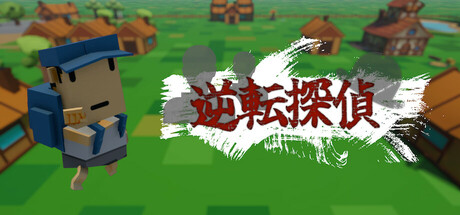
In this game, conversations with NPCs are powered by generative AI.
You can freely ask questions to villagers, and their responses are dynamically generated by AI on the spot.
Each character’s personality and background knowledge of the mystery are taken into account, allowing for natural dialogue and unique testimonies.
All AI-generated responses are carefully restricted to stay consistent with the game’s world and narrative, ensuring the mystery remains coherent and immersive.
Talking to AI characters is a key part of solving the case — gather clues, uncover keywords, and enjoy the thrill of free-form deduction as you get closer to the truth.
The game's music, art, and shader assets are supported by generative artificial intelligence.
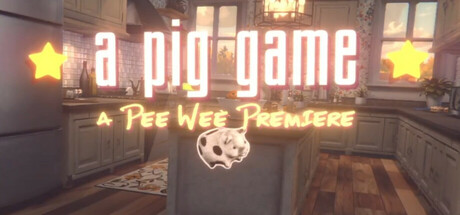
Pee Wee the Polka Dotted Pig and his jingle are copyright of PineyWoods Corner, LLC. Music and imagery is used with permission.
Certain marketing and store materials were partially assisted by generative AI tools to support the solo development process. All in-game visuals and assets were created manually by artists, reflecting genuine human artistry and design.
Some visual assets on this store page, including the game logo and promotional headers, were created using AI-based generative tools. No AI content is generated during gameplay.
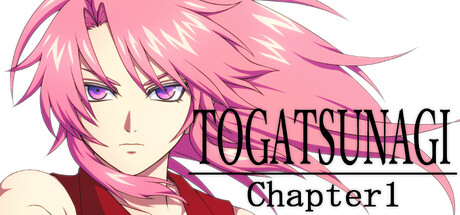
Some of the images were created using generative AI and then edited by hand.
The manual editing includes changes to parts of the characters' hair, eyes, and expressions, as well as elements of the background.
If there are not enough players to start a game, AI bots will temporarily join the game until more players join. AI will generate bot phrases and vote on user-created phrases.
ChatGPT was used only to assist with the translation of originally written Japanese text into English.
All translated text was reviewed and edited by the developer.
This game includes certain AI-generated images to enhance visual storytelling and design. All AI-generated content has been carefully curated to support the game's artistic vision and immersive experience.
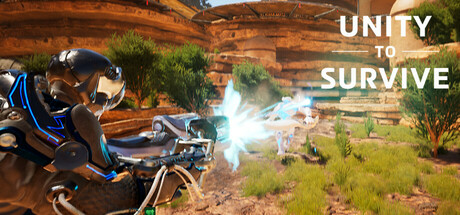
An AI tool (DALL·E or similar) was used to generate the "Unity to Survive" title image used in the game's UI. No AI-generated content appears in the gameplay or story content.
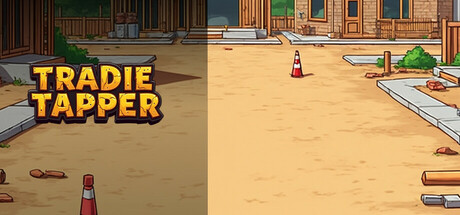
Some pre-rendered art assets for the store page (e.g. token pack icons, shop backgrounds) were created or enhanced using generative AI tools and manually edited to match the Tradie Tapper visual style. No AI is used during gameplay.
AI Is used only in the assorted photos that the player must spot the difference in. Ai was used to create the photos and Ai was used to adjust the photos
Character voices are AI and also some of the paintings in the scenes were generated using AI tools that I don't know which programs from, as I know they are pre-generated textures.
All voice acting was performed by humans who were compensated for their work. We have used ai-software in the post-production process when we've deemed appropriate.
The game also uses images and sounds from Pixabay, a royalty free image hosting website. Due to the nature of the site, we cannot always confirm the source of said assets, so they may also be ai-generated.
Some of the game's visual elements were created using AI tools during the development stage (for example, the design of Albums). Artists manually refined all such materials. Generative AI is not used in the gameplay and does not generate any content during the game.
As a solo developer, I wore a lot of hats while making this game, from coding to design and everything in between. To help speed things up and focus more on gameplay and polish, I used some generative AI tools during development:
Visuals: A few in-game and store assets, such as textures, images, and concept references, were created with the help of AI tools, then edited and refined to match the look and feel I was going for.
Code Assistance: I also occasionally used AI to help with coding, mostly for brainstorming solutions, catching bugs faster, or speeding up repetitive tasks.
At the end of the day, every part of this game went through my hands. AI was just one of many tools in the toolbox. All creative direction, design choices, and final implementations were made by me.
Use of AI in This Game:
This game uses AI-generated content to a limited extent. Some in-game images were created using AI tools, primarily due to budget constraints as we are an independent team without full-time graphic designers. Additionally, AI was used to assist in writing certain parts of the code to speed up development.
Some visual assets were created using generative AI tools as part of the concept art process, then refined and finalized by human artists. No AI content is generated during gameplay.
AI tools were used during development as a creative support tool.
They were primarily used for early graphical sketches and for code-related assistance such as debugging, helping me efficiently combine drawing, coding, composing, and story writing as a solo developer.
No AI-generated content is used directly in the final game.
All assets, code, music, and narrative content were created, refined, and implemented manually.
The use of AI was purely supportive and inspirational, serving as a catalyst for creativity rather than a source of finished content.
Transparency in the development process is important to me, which is why I am openly disclosing this here.
In this game, conversations with NPCs are powered by generative AI.
You can freely ask questions to villagers, and their responses are dynamically generated by AI on the spot.
Each character’s personality and background knowledge of the mystery are taken into account, allowing for natural dialogue and unique testimonies.
All AI-generated responses are carefully restricted to stay consistent with the game’s world and narrative, ensuring the mystery remains coherent and immersive.
Talking to AI characters is a key part of solving the case — gather clues, uncover keywords, and enjoy the thrill of free-form deduction as you get closer to the truth.
The game's music, art, and shader assets are supported by generative artificial intelligence.
Pee Wee the Polka Dotted Pig and his jingle are copyright of PineyWoods Corner, LLC. Music and imagery is used with permission.
Certain marketing and store materials were partially assisted by generative AI tools to support the solo development process. All in-game visuals and assets were created manually by artists, reflecting genuine human artistry and design.
Some visual assets on this store page, including the game logo and promotional headers, were created using AI-based generative tools. No AI content is generated during gameplay.
Some of the images were created using generative AI and then edited by hand.
The manual editing includes changes to parts of the characters' hair, eyes, and expressions, as well as elements of the background.
If there are not enough players to start a game, AI bots will temporarily join the game until more players join. AI will generate bot phrases and vote on user-created phrases.
ChatGPT was used only to assist with the translation of originally written Japanese text into English.
All translated text was reviewed and edited by the developer.
This game includes certain AI-generated images to enhance visual storytelling and design. All AI-generated content has been carefully curated to support the game's artistic vision and immersive experience.
An AI tool (DALL·E or similar) was used to generate the "Unity to Survive" title image used in the game's UI. No AI-generated content appears in the gameplay or story content.
Some pre-rendered art assets for the store page (e.g. token pack icons, shop backgrounds) were created or enhanced using generative AI tools and manually edited to match the Tradie Tapper visual style. No AI is used during gameplay.
AI Is used only in the assorted photos that the player must spot the difference in. Ai was used to create the photos and Ai was used to adjust the photos
Character voices are AI and also some of the paintings in the scenes were generated using AI tools that I don't know which programs from, as I know they are pre-generated textures.
All voice acting was performed by humans who were compensated for their work. We have used ai-software in the post-production process when we've deemed appropriate.
The game also uses images and sounds from Pixabay, a royalty free image hosting website. Due to the nature of the site, we cannot always confirm the source of said assets, so they may also be ai-generated.