Public Steam disclosure research25,508 disclosures tracked
Where do games disclose AI use?
Search developers’ Steam disclosures, compare classified AI use across
games, and follow recorded changes.
This index adds cross-game classifications and statistics to
statements published on individual store pages.
Groups reflect automatic analysis of public disclosures; mature records are excluded. These counts do not measure AI use across all of Steam.
Missing or unclear statements cannot establish whether a game uses AI.
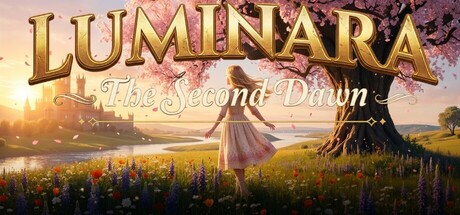
Luminara: The Second Dawn was created by a solo developer with the help of AI tools to bring the game to life. Every piece of content—art, music, story, and code—has been personally reviewed, curated, and directed by me to ensure it fits the game's vision and quality standards.
Generative AI was used only in a limited capacity for some sound effects, translations, and Steam store page marketing assets.
The game does not contain any real-time AI-generated content during gameplay.
Some audio and promotional materials were created with AI assistance and reviewed by the developer. All core visual artwork in the game is hand-drawn, with a small number of placeholder icons in the current demo to be replaced before full release.
Some 2D artwork (concept art, item icons, environmental textures)
in this game was created with the assistance of generative AI tools,
then reviewed and edited by our art team before inclusion in the game.
All gameplay code, design, music, and sound effects were created by humans.
This game uses generative AI (pre-rendered) in the creation process of the following in-game content:
- Character portraits/sprites
- Certain image assets such as backgrounds, UI, and items
- In-game background music (BGM)
All AI-generated materials are not used as-is; they are manually edited, retouched, and adjusted by the developer to ensure they perfectly fit the dark fantasy world of this game.
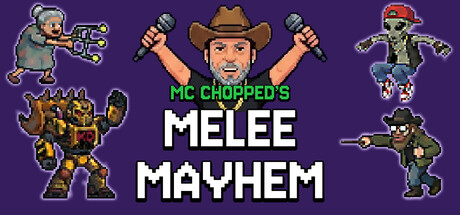
During the development of MC Chopped's Melee Mayhem, generative AI tools were used to assist in the creation of specific game assets to enhance variety and creative scale.
Visual Assets: Select character sprites and environmental elements were initially drafted using AI tools. However, every asset has been manually cleaned, converted to our specific pixel art style, and touched up by the development team to ensure visual consistency and quality.
Audio and Voice: Generative technologies were used to assist in the production of background music and select character vocalizations, providing a diverse and high-energy soundscape for the game’s various modes.
All AI-assisted content was commercially licensed and has been curated and refined by the developers to reflect our creative vision.
This message was partially generated by AI as well. (but not this sentence)
The only AI that was used for this game was placeholders and for research into the Norwegian culture. Everything else was designed and produced by humans.
I have used the help of AI for some of the levels design, drafts of the bosses and other parts of the game design. Also part of the data models I have had help from AI to implement them.
It is currently being used for generating sound background music and stage images.
Other characters and tiles were created directly using pixel art and are not the result of generative AI.
This game uses AI tools to assist in generating some art assets (card illustrations, character portraits, background images) and audio assets (background music, sound effects) during development. The game does not use any AI services at runtime and does not connect to any external AI APIs. All AI-generated content is completed during development. No AI generation is involved during gameplay.
As a small-scale indie game project, this title is developed under limited funding and team resources, and currently has no dedicated art staff. Therefore, generative AI has been used in parts of the content creation process to reduce basic production costs and help move development forward. All such content has been manually reviewed and adjusted.
Partial card art, UI interface art and promotional image assets of this game were created with the assistance of AI tools. All AI-generated content has been manually reviewed, refined, and recreated by the development team, with the final presentation centered on human creation and without any copyright issues.
Generative AI was used exclusively to assist in creating the promotional cover art (capsule images) for the Steam store page. All in-game assets are human-crafted and contain no AI-generated content.
AI was used to aid in translations into 11 Languages. This game was coded by a human.
All gameplay, design, and creative direction are fully handcrafted by myself.
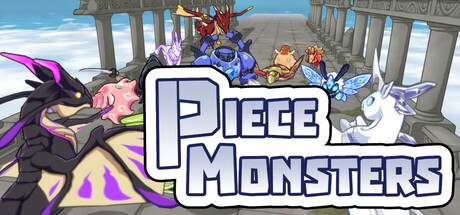
AI-generated art is used for monster illustrations (370+), equipment icons, background art, and promotional materials. AI-assisted translation is used for 10-language localization. All AI-generated content has been reviewed and curated by the developer. No AI is used for gameplay logic, player data processing, or real-time content generation during gameplay.
AI used for artwork and logo that used in Steam page. In-game, placeholder narrative dialogue sounds are AI generated and will be replaced further in development.
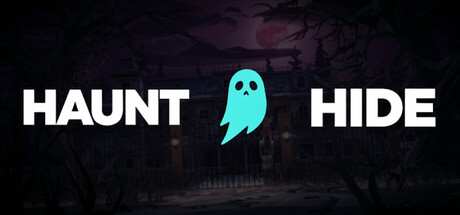
Haunt & Hide uses generative AI for two pre-production assets that ship in the final game:
1. The game logo was created using ChatGPT / DALL-E image generation tools. It appears in menus, loading screens, and promotional materials.
2. Background music tracks were generated using Producer.ai (a generative AI music tool) and pre-rendered as standard audio files that ship with the game.
All other content is human-created: game code (C#/Unity), 3D assets (Synty Studios asset packs used under license), level design, game mechanics, UI layout, voice chat content (player-driven at runtime), and written text. No generative AI is used at runtime — the game does not call any AI services during gameplay. All AI-generated assets were reviewed and integrated by the developer.
The developer used AI tools during the development process as a programming assistant to optimize and troubleshoot code. Additionally, a small number of 3D models utilized as game assets were created using AI generation tools. All core gameplay mechanics, level design, and the overall creative vision are strictly handcrafted.
The voice of Jessie, the assistant computer of the player, is generated with text to speech tools. Some of the store content (texts/images) is generated with AI tools.
Generative AI was used to assist in the creation of the game's codebase and logic. AI tools were also used to generate environmental art, background assets, and promotional marketing materials (including the Library Hero, Logo, and store page assets). All AI-generated content was reviewed and curated to ensure it meets quality standards and does not contain illegal or infringing material.
Some visual assets and background elements were created or enhanced using AI tools. All content has been reviewed, edited, and integrated manually to ensure consistency and quality. The game does not generate content in real-time during gameplay.
We utilized generative AI tools (such as Midjourney and Stable Diffusion) during the development phase to assist in creating 2D concept art, UI elements, and background textures for the game. We carefully reviewed, edited, and upscaled all generated assets manually to ensure they do not infringe on any existing intellectual property or copyrights. No content is generated in real-time during gameplay.
Some visual or written content in this game may have been assisted by AI tools during development. All content has been reviewed and finalized by the developer.
AI was used to generate the initial rough 3D base for the characters in the game. All further work, including detailing, texturing, and custom animations, was done completely by hand.
This game includes elements using Generative AI in some pre-produced content such as intro videos.
These contents were created during the development process and finally used after editing and post-processing by the development team, and no Generative AI was used for gameplay.
Questo gioco utilizza strumenti di intelligenza artificiale durante lo sviluppo. L’AI è stata utilizzata per supportare la creazione di alcune texture, suoni ed elementi visivi minori. Tutti i contenuti generati sono stati revisionati e modificati manualmente dallo sviluppatore per garantire qualità e coerenza con lo stile del gioco. Non è presente generazione AI in tempo reale durante il gameplay.
Generative AI was used to create some visual assets for the Steam Store Page (capsule images, promotional materials). All in-game art, gameplay mechanics, code, music, sound effects, and translations were created without generative AI.
Luminara: The Second Dawn was created by a solo developer with the help of AI tools to bring the game to life. Every piece of content—art, music, story, and code—has been personally reviewed, curated, and directed by me to ensure it fits the game's vision and quality standards.
Generative AI was used only in a limited capacity for some sound effects, translations, and Steam store page marketing assets.
The game does not contain any real-time AI-generated content during gameplay.
Some audio and promotional materials were created with AI assistance and reviewed by the developer. All core visual artwork in the game is hand-drawn, with a small number of placeholder icons in the current demo to be replaced before full release.
Some 2D artwork (concept art, item icons, environmental textures)
in this game was created with the assistance of generative AI tools,
then reviewed and edited by our art team before inclusion in the game.
All gameplay code, design, music, and sound effects were created by humans.
This game uses generative AI (pre-rendered) in the creation process of the following in-game content:
- Character portraits/sprites
- Certain image assets such as backgrounds, UI, and items
- In-game background music (BGM)
All AI-generated materials are not used as-is; they are manually edited, retouched, and adjusted by the developer to ensure they perfectly fit the dark fantasy world of this game.
During the development of MC Chopped's Melee Mayhem, generative AI tools were used to assist in the creation of specific game assets to enhance variety and creative scale.
Visual Assets: Select character sprites and environmental elements were initially drafted using AI tools. However, every asset has been manually cleaned, converted to our specific pixel art style, and touched up by the development team to ensure visual consistency and quality.
Audio and Voice: Generative technologies were used to assist in the production of background music and select character vocalizations, providing a diverse and high-energy soundscape for the game’s various modes.
All AI-assisted content was commercially licensed and has been curated and refined by the developers to reflect our creative vision.
This message was partially generated by AI as well. (but not this sentence)
The only AI that was used for this game was placeholders and for research into the Norwegian culture. Everything else was designed and produced by humans.
I have used the help of AI for some of the levels design, drafts of the bosses and other parts of the game design. Also part of the data models I have had help from AI to implement them.
It is currently being used for generating sound background music and stage images.
Other characters and tiles were created directly using pixel art and are not the result of generative AI.
This game uses AI tools to assist in generating some art assets (card illustrations, character portraits, background images) and audio assets (background music, sound effects) during development. The game does not use any AI services at runtime and does not connect to any external AI APIs. All AI-generated content is completed during development. No AI generation is involved during gameplay.
As a small-scale indie game project, this title is developed under limited funding and team resources, and currently has no dedicated art staff. Therefore, generative AI has been used in parts of the content creation process to reduce basic production costs and help move development forward. All such content has been manually reviewed and adjusted.
Partial card art, UI interface art and promotional image assets of this game were created with the assistance of AI tools. All AI-generated content has been manually reviewed, refined, and recreated by the development team, with the final presentation centered on human creation and without any copyright issues.
Generative AI was used exclusively to assist in creating the promotional cover art (capsule images) for the Steam store page. All in-game assets are human-crafted and contain no AI-generated content.
AI was used to aid in translations into 11 Languages. This game was coded by a human.
All gameplay, design, and creative direction are fully handcrafted by myself.
AI-generated art is used for monster illustrations (370+), equipment icons, background art, and promotional materials. AI-assisted translation is used for 10-language localization. All AI-generated content has been reviewed and curated by the developer. No AI is used for gameplay logic, player data processing, or real-time content generation during gameplay.
AI used for artwork and logo that used in Steam page. In-game, placeholder narrative dialogue sounds are AI generated and will be replaced further in development.
Haunt & Hide uses generative AI for two pre-production assets that ship in the final game:
1. The game logo was created using ChatGPT / DALL-E image generation tools. It appears in menus, loading screens, and promotional materials.
2. Background music tracks were generated using Producer.ai (a generative AI music tool) and pre-rendered as standard audio files that ship with the game.
All other content is human-created: game code (C#/Unity), 3D assets (Synty Studios asset packs used under license), level design, game mechanics, UI layout, voice chat content (player-driven at runtime), and written text. No generative AI is used at runtime — the game does not call any AI services during gameplay. All AI-generated assets were reviewed and integrated by the developer.
The developer used AI tools during the development process as a programming assistant to optimize and troubleshoot code. Additionally, a small number of 3D models utilized as game assets were created using AI generation tools. All core gameplay mechanics, level design, and the overall creative vision are strictly handcrafted.
The voice of Jessie, the assistant computer of the player, is generated with text to speech tools. Some of the store content (texts/images) is generated with AI tools.
Generative AI was used to assist in the creation of the game's codebase and logic. AI tools were also used to generate environmental art, background assets, and promotional marketing materials (including the Library Hero, Logo, and store page assets). All AI-generated content was reviewed and curated to ensure it meets quality standards and does not contain illegal or infringing material.
Some visual assets and background elements were created or enhanced using AI tools. All content has been reviewed, edited, and integrated manually to ensure consistency and quality. The game does not generate content in real-time during gameplay.
We utilized generative AI tools (such as Midjourney and Stable Diffusion) during the development phase to assist in creating 2D concept art, UI elements, and background textures for the game. We carefully reviewed, edited, and upscaled all generated assets manually to ensure they do not infringe on any existing intellectual property or copyrights. No content is generated in real-time during gameplay.
Some visual or written content in this game may have been assisted by AI tools during development. All content has been reviewed and finalized by the developer.
AI was used to generate the initial rough 3D base for the characters in the game. All further work, including detailing, texturing, and custom animations, was done completely by hand.
This game includes elements using Generative AI in some pre-produced content such as intro videos.
These contents were created during the development process and finally used after editing and post-processing by the development team, and no Generative AI was used for gameplay.
Questo gioco utilizza strumenti di intelligenza artificiale durante lo sviluppo. L’AI è stata utilizzata per supportare la creazione di alcune texture, suoni ed elementi visivi minori. Tutti i contenuti generati sono stati revisionati e modificati manualmente dallo sviluppatore per garantire qualità e coerenza con lo stile del gioco. Non è presente generazione AI in tempo reale durante il gameplay.
Generative AI was used to create some visual assets for the Steam Store Page (capsule images, promotional materials). All in-game art, gameplay mechanics, code, music, sound effects, and translations were created without generative AI.