Public Steam disclosure research25,380 disclosures tracked
Where do games disclose AI use?
Search developers’ Steam disclosures, compare classified AI use across
games, and follow recorded changes.
This index adds cross-game classifications and statistics to
statements published on individual store pages.
Groups reflect automatic analysis of public disclosures; mature records are excluded. These counts do not measure AI use across all of Steam.
Missing or unclear statements cannot establish whether a game uses AI.
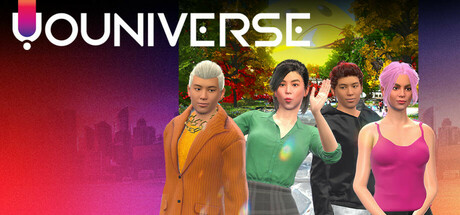
The game uses AI to generate NPC chat responses. If the player so chooses, they can also use generative AI to create images to customize wearables (eg. T-Shirts, hoodies) and their personal environment (apartment wallpaper). The user always has a choice to use the image generated or decline it.
1. NPC and Player Still Portraits (Planned to be replaced eventually)
2. Voice Narration
3. Some Menu Backgrounds were partially AI generated
Over 99% of the game image assets were purchased from the community, are free assets, or done custom by our partner, Deco Games.
We used AI to create the language for the game's store page and some of the visual assets. Specifically, the library images were generated using AI tools to ensure a high-quality and polished presentation. We aimed to deliver visually appealing content that matches the style and atmosphere of the game.
Our game uses GenAI at run time in our game engine to power various gameplay mechanics so that the game can respond to whatever players say and do in the moment.
We're excited to build on both known game dev tools and also develop new capabilities, all to be able to build games that are more improvisational and responsive to player creativity and agency.
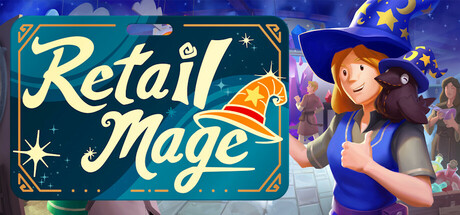
We did not use AI generation for any of our art assets, nor for the NPC customer motivations, personalities, or quests.
Our team’s mission is to pioneer a new category of narrative games. To do this, we use large language models to generate Aura dialog based on what you say to your Aura.
There is no generative AI art in this game.
The Everest Encounter leverages cutting-edge AI to create a uniquely immersive VR experience. Our game features Katherine, an AI-driven flight attendant powered by advanced language models and NVIDIA's AI technology. Players engage in natural conversations and dynamic interactions, with Katherine adapting her responses and behavior based on the player's choices and emotions. While the game's core content is pre-rendered for optimal performance, Katherine's dialogue and decision-making occur in real-time, ensuring each playthrough is unique. This innovative use of AI pushes the boundaries of narrative gaming, offering players an unparalleled level of engagement and realism in a virtual world.
Please be aware that some of the store images for "Unemployment Simulator," including capsule images, have been created with the assistance of generative AI technology. These images are placeholder assets and may be replaced before the game is available for purchase.
We want to emphasize that generative AI has only been used for creating certain store assets. The game itself does not contain any AI-generated content or use AI technology in its gameplay or mechanics.
Our commitment is to provide an authentic and immersive gaming experience that accurately reflects the challenges of unemployment in a modern setting, crafted entirely by our development team.
In my game development process, I used GitHub Copilot to enhance coding efficiency.
During the creation of promotional images and videos, I may have used images generated by Stable Diffusion or music generated by Suno.
But these assets will NOT appear in the actual game!
This game uses generative AI during development to create initial concepts and some game art, which are then carefully edited and arranged by hand by our artist. All final in-game assets are curated to ensure a cohesive artistic style and high-quality experience.
Some 2d content, some texts and simple sounds was made with AI help, but then than was careful polishing.
Thanks all, that you can help to make all it real!
For translations, we are using an online service which utilizes machine learning techniques to enhance translations. These translations are used on the store page for languages other than English and within the game's UI. All such content is text.
We do NOT use AI generated content in any other aspect of game production.
In the game, artificial intelligence is used only in a few aspects, specifically for generating voice acting and music. All the music featured in the game, as well as the voice acting for characters, is entirely created using AI technologies.
This game uses AI-assisted tools for localization. Some in-game translations and voice-over narration are generated with the support of artificial intelligence. While we strive for accuracy and quality, minor inconsistencies may occur.
Some of the images on our store page were created by artificial intelligence and edits were made on the images. and some images in the game were made by artificial intelligence.
AI tools were used during development for coding assistance, icon concepts, and marketing materials. All in-game 3D environments and gameplay are handcrafted.
Echoes Below uses AI-generated voiceovers as temporary placeholders for character dialogues. These will be replaced with professionally recorded voice acting during development.
The game uses AI to generate NPC chat responses. If the player so chooses, they can also use generative AI to create images to customize wearables (eg. T-Shirts, hoodies) and their personal environment (apartment wallpaper). The user always has a choice to use the image generated or decline it.
1. NPC and Player Still Portraits (Planned to be replaced eventually)
2. Voice Narration
3. Some Menu Backgrounds were partially AI generated
Over 99% of the game image assets were purchased from the community, are free assets, or done custom by our partner, Deco Games.
We used AI to create the language for the game's store page and some of the visual assets. Specifically, the library images were generated using AI tools to ensure a high-quality and polished presentation. We aimed to deliver visually appealing content that matches the style and atmosphere of the game.
Our game uses GenAI at run time in our game engine to power various gameplay mechanics so that the game can respond to whatever players say and do in the moment.
We're excited to build on both known game dev tools and also develop new capabilities, all to be able to build games that are more improvisational and responsive to player creativity and agency.
We did not use AI generation for any of our art assets, nor for the NPC customer motivations, personalities, or quests.
Our team’s mission is to pioneer a new category of narrative games. To do this, we use large language models to generate Aura dialog based on what you say to your Aura.
There is no generative AI art in this game.
The Everest Encounter leverages cutting-edge AI to create a uniquely immersive VR experience. Our game features Katherine, an AI-driven flight attendant powered by advanced language models and NVIDIA's AI technology. Players engage in natural conversations and dynamic interactions, with Katherine adapting her responses and behavior based on the player's choices and emotions. While the game's core content is pre-rendered for optimal performance, Katherine's dialogue and decision-making occur in real-time, ensuring each playthrough is unique. This innovative use of AI pushes the boundaries of narrative gaming, offering players an unparalleled level of engagement and realism in a virtual world.
Please be aware that some of the store images for "Unemployment Simulator," including capsule images, have been created with the assistance of generative AI technology. These images are placeholder assets and may be replaced before the game is available for purchase.
We want to emphasize that generative AI has only been used for creating certain store assets. The game itself does not contain any AI-generated content or use AI technology in its gameplay or mechanics.
Our commitment is to provide an authentic and immersive gaming experience that accurately reflects the challenges of unemployment in a modern setting, crafted entirely by our development team.
In my game development process, I used GitHub Copilot to enhance coding efficiency.
During the creation of promotional images and videos, I may have used images generated by Stable Diffusion or music generated by Suno.
But these assets will NOT appear in the actual game!
This game uses generative AI during development to create initial concepts and some game art, which are then carefully edited and arranged by hand by our artist. All final in-game assets are curated to ensure a cohesive artistic style and high-quality experience.
Some 2d content, some texts and simple sounds was made with AI help, but then than was careful polishing.
Thanks all, that you can help to make all it real!
For translations, we are using an online service which utilizes machine learning techniques to enhance translations. These translations are used on the store page for languages other than English and within the game's UI. All such content is text.
We do NOT use AI generated content in any other aspect of game production.
In the game, artificial intelligence is used only in a few aspects, specifically for generating voice acting and music. All the music featured in the game, as well as the voice acting for characters, is entirely created using AI technologies.
This game uses AI-assisted tools for localization. Some in-game translations and voice-over narration are generated with the support of artificial intelligence. While we strive for accuracy and quality, minor inconsistencies may occur.
Some of the images on our store page were created by artificial intelligence and edits were made on the images. and some images in the game were made by artificial intelligence.
AI tools were used during development for coding assistance, icon concepts, and marketing materials. All in-game 3D environments and gameplay are handcrafted.
Echoes Below uses AI-generated voiceovers as temporary placeholders for character dialogues. These will be replaced with professionally recorded voice acting during development.