Public Steam disclosure research25,376 disclosures tracked
Where do games disclose AI use?
Search developers’ Steam disclosures, compare classified AI use across
games, and follow recorded changes.
This index adds cross-game classifications and statistics to
statements published on individual store pages.
Groups reflect automatic analysis of public disclosures; mature records are excluded. These counts do not measure AI use across all of Steam.
Missing or unclear statements cannot establish whether a game uses AI.
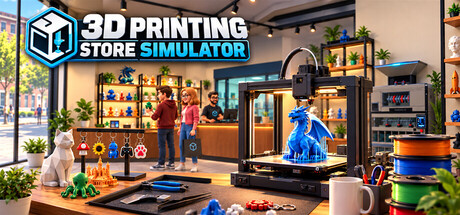
Pre-generated content: Many 3D models and textures used in the game, including cakes, fruit, items, tools, and environmental/shop assets, were generated using Meshy AI and then edited and integrated by the developer. Generative AI was also used to assist in drafting some store-page text, which was reviewed and edited by the developer. No generative AI is used at runtime. No AI-generated voice or music is used.
Some of the art in Planet Pilot was made with generative AI tools during development, then selected, edited and fitted into the game by the developer. This covers the store and key art, many 2D illustrations (mission briefing, Legends, ace, medal and loading pictures, hangar plane pictures, emblems and some painted ground textures), the picture thumbnails in the landmarks list, and the high-detail 3D models of more than 40 landmarks. The game's translations were made with AI tools and reviewed by the developer. In the trailers, the opening 30 seconds of the cinematic trailer and the trailer music and sound effects were made with AI tools. The world, aircraft, flight model and gameplay were built by the developer. Nothing in the game is generated by AI while you play.
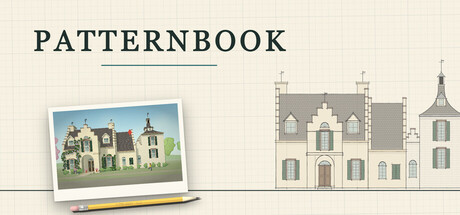
Some of the game's text, including the clients' letters and notes, and the store page text were drafted with the help of an AI language model and edited by the developer. The artwork comes from the game's own renderer and models, not from image-generating AI, and the music is played by the game's own code. Nothing is generated by AI while you play.
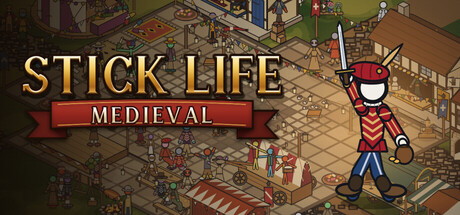
Stick Life: Medieval is designed and directed by a solo developer. Some of the game's code, its in-game writing, the artwork the game draws and parts of this store page were made with the help of generative AI tools, and some of its music was made with Suno, an AI music tool. All of it was played, reviewed and edited by the developer. Nothing is generated by AI while you play.
Pre-generated content: the character voices, some sound effects, ambience and the music were generated with AI audio tools (ElevenLabs), then selected, edited and mixed by the developer. Most 3D models (props, tools, vehicles) and some 2D artwork (signs, posters, in-game documents, interface illustrations and store art) were generated with AI tools and then integrated, adjusted and reviewed in the game by the developer. The people are built with the open-source MakeHuman tools and animated with motion capture (CMU), not with AI. Translations were made with AI assistance and reviewed. The levels and code were built with AI-assisted tools and reviewed and tested by the developer. No content is generated by AI while you play.
Much of the artwork in Convoy Inc. was created with the help of AI image tools, including job and event scenes, driver portraits, truck and city illustrations, map decorations and parts of the interface art. Every image was selected, edited and composited by the developer to fit the game's vintage atlas style.
The illustrated story scenes and the music in the trailer were also created with AI-assisted tools.
The game's design, code, systems, map data and all written text were created by the developer. The game does not generate any AI content while it runs.
Generative AI tools were used to create music and visual artwork, including store and promotional images. These assets were generated before release and selected by the developer. No AI content is generated during gameplay.
We are a team of 3 developers and everything you see in the game including 3D models, textures, and environments were crafted entirely by human hands. We used Generative AI for store capsule images, translations, and the soundtrack.
Character animations are generated with an AI motion model (Kimodo) and then cleaned up and retargeted by our team. Character voice-overs are created with AI text-to-speech and directed and edited by our team. All 3D models, buildings, textures and writing are made by us. No AI content is generated live during gameplay.
Generative AI tools were used during development to help create code, 2D art and text, including draft translations. The developer directed, selected and assembled all of it into the game.
No generative AI runs while you play. Meridian, your companion, is scripted rather than a chatbot, and the game sends nothing to AI services. Planets come from the game's own procedural generator, not an AI model.
AI was used to create a handful of static images within the game as the developer had no other options at the time. All of this will be replaced as soon as possible.
Game contains AI generated code. Some icons. logos, marketing assets or placeholders may be AI generated. In-game screenshots and footage are displayed as-is and are unaltered by AI.
Sound effects, some character voices and music in the game were made with generative AI tools (ElevenLabs). Everything is pre-generated during development; nothing is generated while you play.
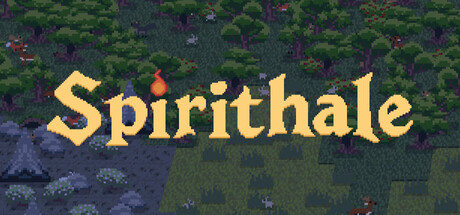
This game was made by a solo developer with the help of AI tools. Some of the pixel art was drawn by hand by the developer and then revised with AI tools. Other art (including the logo, interface icons, menu backgrounds and some terrain tiles) was created with an AI pixel-art tool and then edited by the developer. The music and sound effects are synthesized in code, and were composed and designed with the help of an AI assistant. Some in-game text, such as the Field Guide and tutorial tips, was drafted with AI assistance and edited by the developer. No AI is used while you play: nothing is generated live, and the game never connects to an AI service.
Generative AI tools were used during development to create some 3D models and textures, including buildings, vegetation, rocks and animals, as well as some menu backgrounds, interface artwork and store artwork. These assets were selected, edited, optimized and integrated during development. The game does not generate AI content during play or connect to an external AI service.
Some visual assets in this game, including certain 3D models, textures, UI elements, icons, and character portraits, as well as background music and some sound effects, were created in advance with the help of generative AI tools. The developer reviewed and integrated the AI-generated assets. Some music and UI, victory, and defeat sound effects were generated with Google Gemini; other sound effects use third-party recordings or procedural synthesis. The game does not use generative AI at runtime, generate content while you play, or connect to AI services.
Generative AI was used for some Steam store and marketing materials only (section banners and draft store copy). These assets were reviewed and edited before publishing.
No generative AI is used in the shipped game at runtime. In-game 3D furniture, environments, and gameplay content are created with traditional art and development tools (purchased/licensed assets and original work). AI-assisted coding tools were used during development; they are not used to generate player-facing game content.
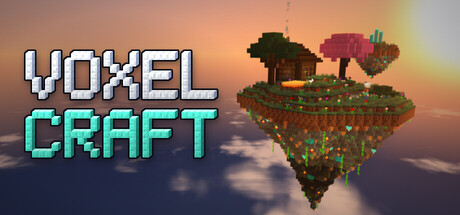
Generative AI tools were used to help create promotional artwork and store page images for VoxelCraft. AI is not used to generate in-game content, code, or gameplay at runtime.
Used Ai to generate a NPC of my daughter Princess Octavia, Also used it to implement bought assets from epic store. Used to generate capsules for steam page.
Generative AI assisted in creating selected illustrations, visual assets, narrative text, and translations during development, including store materials. No content is generated by AI during gameplay.
Parts of the game's code, interface art, store artwork and store text were created with the help of AI tools and then reviewed and edited by the developer. Nothing is generated by AI while you play.
Some pre-generated artwork was created with the help of generative AI tools and then edited by the developer, including store and marketing images and some loading-screen art. No AI content is generated live while you play, and the game does not connect to any AI service.
The English voice-over for story dialogue and prison PA announcements was generated with an open-source text-to-speech model (Kokoro) from scripts written for the game. Much of the game's code, dialogue text and localisation was written with AI assistance under the developer's direction. No AI generates content while you play. 3D models, textures, sound effects and music come from human-made asset libraries (CC0 sources and Mixamo).
Generative AI tools were used to create store artwork and portions of in-game text, customer support dialogue, and German/English localization during development. Development also used AI-assisted programming. The current build does not generate content during gameplay or connect to an external AI service.
This game uses generative AI tools for the creation of certain static visual assets, including background images, loading screens, character portraits, marketing materials, and depictions of aircraft.
I use Codex as a programming assistant to help write, debug, and optimize portions of the game’s code. Everything else like artwork and stuff were made by humans.
Generative AI tools were used during development to assist in creating some pre-generated 3D assets. All AI-assisted content is created and reviewed during development. The game does not generate AI content during gameplay and does not connect to external AI services.
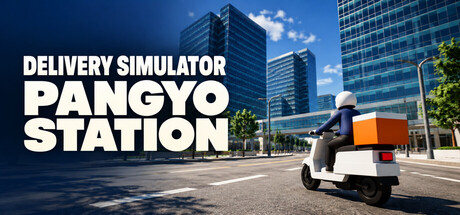
Game content and promotional materials for Delivery Simulator: Pangyo Station were created with the assistance of generative AI tools.
All AI-generated content was reviewed, refined, and integrated by the developer to ensure consistency with the game's creative direction and quality standards.
AI-generated content was used in the development of this game. AI tools were used to help create some of the game's graphics and Steam Community items.
Several 3D assets in this game — including some character models and props — were created with generative AI tools (Meshy) and then converted, cleaned up and hand-adjusted before being used in the game. Textures are either hand-made or generated procedurally with our own code.
We use generative AI tools during development for some game art, 3D models and text. Everything generated is selected, edited and integrated by our team. No content is generated while you play, and the app does not connect to AI services.
Some of this game's code, art and music were made with the help of an AI assistant. Everything was reviewed, edited and assembled by hand, and no content is generated while you play.
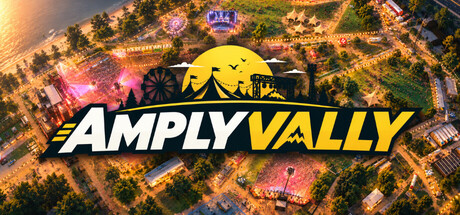
AmplyVally contains pre-generated AI content: all sound effects (about 90 short sounds for building, crowds, weather and stages) were created with ChatGPT (OpenAI), and the background music track was generated with Suno. This content was created during development and ships with the game. No AI content is generated while the game is running. Artwork, maps and game code are not AI-generated.
The game's artwork, audio and other assets are not AI-generated. The game engine is written from scratch over the course of 8 months in C++ and Simple DirectMedia Layer 2; in which Codex assistance was used for programming. No content is generated by AI during gameplay. No AI service is used during gameplay. All AI actions in the game are classic decision tree based intelligence made.
Generative AI was used during development to create promotional illustrations and the title-screen logo, and to assist with written text and translations. This content is prepared in advance. The game does not generate content or connect to AI services during gameplay.
AI tools were used to translate the store page text and some localizations. All in-game art, 3D models, animations, music and sound effects are not AI-generated.
Some backgrounds, map event effects, and promotional artwork were created with the assistance of generative AI during development. World simulation follows local rules; the game does not generate AI content or connect to external AI services during play.
Some store and library artwork, icons, and promotional imagery were created or enhanced with generative AI tools. Gameplay screenshots show actual gameplay. The game does not generate AI content during gameplay or connect to external AI services.
Pre-generated content: Many 3D models and textures used in the game, including cakes, fruit, items, tools, and environmental/shop assets, were generated using Meshy AI and then edited and integrated by the developer. Generative AI was also used to assist in drafting some store-page text, which was reviewed and edited by the developer. No generative AI is used at runtime. No AI-generated voice or music is used.
Some of the art in Planet Pilot was made with generative AI tools during development, then selected, edited and fitted into the game by the developer. This covers the store and key art, many 2D illustrations (mission briefing, Legends, ace, medal and loading pictures, hangar plane pictures, emblems and some painted ground textures), the picture thumbnails in the landmarks list, and the high-detail 3D models of more than 40 landmarks. The game's translations were made with AI tools and reviewed by the developer. In the trailers, the opening 30 seconds of the cinematic trailer and the trailer music and sound effects were made with AI tools. The world, aircraft, flight model and gameplay were built by the developer. Nothing in the game is generated by AI while you play.
Some of the game's text, including the clients' letters and notes, and the store page text were drafted with the help of an AI language model and edited by the developer. The artwork comes from the game's own renderer and models, not from image-generating AI, and the music is played by the game's own code. Nothing is generated by AI while you play.
Stick Life: Medieval is designed and directed by a solo developer. Some of the game's code, its in-game writing, the artwork the game draws and parts of this store page were made with the help of generative AI tools, and some of its music was made with Suno, an AI music tool. All of it was played, reviewed and edited by the developer. Nothing is generated by AI while you play.
Pre-generated content: the character voices, some sound effects, ambience and the music were generated with AI audio tools (ElevenLabs), then selected, edited and mixed by the developer. Most 3D models (props, tools, vehicles) and some 2D artwork (signs, posters, in-game documents, interface illustrations and store art) were generated with AI tools and then integrated, adjusted and reviewed in the game by the developer. The people are built with the open-source MakeHuman tools and animated with motion capture (CMU), not with AI. Translations were made with AI assistance and reviewed. The levels and code were built with AI-assisted tools and reviewed and tested by the developer. No content is generated by AI while you play.
Much of the artwork in Convoy Inc. was created with the help of AI image tools, including job and event scenes, driver portraits, truck and city illustrations, map decorations and parts of the interface art. Every image was selected, edited and composited by the developer to fit the game's vintage atlas style.
The illustrated story scenes and the music in the trailer were also created with AI-assisted tools.
The game's design, code, systems, map data and all written text were created by the developer. The game does not generate any AI content while it runs.
Generative AI tools were used to create music and visual artwork, including store and promotional images. These assets were generated before release and selected by the developer. No AI content is generated during gameplay.
We are a team of 3 developers and everything you see in the game including 3D models, textures, and environments were crafted entirely by human hands. We used Generative AI for store capsule images, translations, and the soundtrack.
Character animations are generated with an AI motion model (Kimodo) and then cleaned up and retargeted by our team. Character voice-overs are created with AI text-to-speech and directed and edited by our team. All 3D models, buildings, textures and writing are made by us. No AI content is generated live during gameplay.
Generative AI tools were used during development to help create code, 2D art and text, including draft translations. The developer directed, selected and assembled all of it into the game.
No generative AI runs while you play. Meridian, your companion, is scripted rather than a chatbot, and the game sends nothing to AI services. Planets come from the game's own procedural generator, not an AI model.
AI was used to create a handful of static images within the game as the developer had no other options at the time. All of this will be replaced as soon as possible.
Game contains AI generated code. Some icons. logos, marketing assets or placeholders may be AI generated. In-game screenshots and footage are displayed as-is and are unaltered by AI.
Sound effects, some character voices and music in the game were made with generative AI tools (ElevenLabs). Everything is pre-generated during development; nothing is generated while you play.
This game was made by a solo developer with the help of AI tools. Some of the pixel art was drawn by hand by the developer and then revised with AI tools. Other art (including the logo, interface icons, menu backgrounds and some terrain tiles) was created with an AI pixel-art tool and then edited by the developer. The music and sound effects are synthesized in code, and were composed and designed with the help of an AI assistant. Some in-game text, such as the Field Guide and tutorial tips, was drafted with AI assistance and edited by the developer. No AI is used while you play: nothing is generated live, and the game never connects to an AI service.
Generative AI tools were used during development to create some 3D models and textures, including buildings, vegetation, rocks and animals, as well as some menu backgrounds, interface artwork and store artwork. These assets were selected, edited, optimized and integrated during development. The game does not generate AI content during play or connect to an external AI service.
Some visual assets in this game, including certain 3D models, textures, UI elements, icons, and character portraits, as well as background music and some sound effects, were created in advance with the help of generative AI tools. The developer reviewed and integrated the AI-generated assets. Some music and UI, victory, and defeat sound effects were generated with Google Gemini; other sound effects use third-party recordings or procedural synthesis. The game does not use generative AI at runtime, generate content while you play, or connect to AI services.
Generative AI was used for some Steam store and marketing materials only (section banners and draft store copy). These assets were reviewed and edited before publishing.
No generative AI is used in the shipped game at runtime. In-game 3D furniture, environments, and gameplay content are created with traditional art and development tools (purchased/licensed assets and original work). AI-assisted coding tools were used during development; they are not used to generate player-facing game content.
Generative AI tools were used to help create promotional artwork and store page images for VoxelCraft. AI is not used to generate in-game content, code, or gameplay at runtime.
Used Ai to generate a NPC of my daughter Princess Octavia, Also used it to implement bought assets from epic store. Used to generate capsules for steam page.
Generative AI assisted in creating selected illustrations, visual assets, narrative text, and translations during development, including store materials. No content is generated by AI during gameplay.
Parts of the game's code, interface art, store artwork and store text were created with the help of AI tools and then reviewed and edited by the developer. Nothing is generated by AI while you play.
Some pre-generated artwork was created with the help of generative AI tools and then edited by the developer, including store and marketing images and some loading-screen art. No AI content is generated live while you play, and the game does not connect to any AI service.
The English voice-over for story dialogue and prison PA announcements was generated with an open-source text-to-speech model (Kokoro) from scripts written for the game. Much of the game's code, dialogue text and localisation was written with AI assistance under the developer's direction. No AI generates content while you play. 3D models, textures, sound effects and music come from human-made asset libraries (CC0 sources and Mixamo).
Generative AI tools were used to create store artwork and portions of in-game text, customer support dialogue, and German/English localization during development. Development also used AI-assisted programming. The current build does not generate content during gameplay or connect to an external AI service.
This game uses generative AI tools for the creation of certain static visual assets, including background images, loading screens, character portraits, marketing materials, and depictions of aircraft.
I use Codex as a programming assistant to help write, debug, and optimize portions of the game’s code. Everything else like artwork and stuff were made by humans.
Generative AI tools were used during development to assist in creating some pre-generated 3D assets. All AI-assisted content is created and reviewed during development. The game does not generate AI content during gameplay and does not connect to external AI services.
Game content and promotional materials for Delivery Simulator: Pangyo Station were created with the assistance of generative AI tools.
All AI-generated content was reviewed, refined, and integrated by the developer to ensure consistency with the game's creative direction and quality standards.
AI-generated content was used in the development of this game. AI tools were used to help create some of the game's graphics and Steam Community items.
Several 3D assets in this game — including some character models and props — were created with generative AI tools (Meshy) and then converted, cleaned up and hand-adjusted before being used in the game. Textures are either hand-made or generated procedurally with our own code.
We use generative AI tools during development for some game art, 3D models and text. Everything generated is selected, edited and integrated by our team. No content is generated while you play, and the app does not connect to AI services.
Some of this game's code, art and music were made with the help of an AI assistant. Everything was reviewed, edited and assembled by hand, and no content is generated while you play.
AmplyVally contains pre-generated AI content: all sound effects (about 90 short sounds for building, crowds, weather and stages) were created with ChatGPT (OpenAI), and the background music track was generated with Suno. This content was created during development and ships with the game. No AI content is generated while the game is running. Artwork, maps and game code are not AI-generated.
The game's artwork, audio and other assets are not AI-generated. The game engine is written from scratch over the course of 8 months in C++ and Simple DirectMedia Layer 2; in which Codex assistance was used for programming. No content is generated by AI during gameplay. No AI service is used during gameplay. All AI actions in the game are classic decision tree based intelligence made.
Generative AI was used during development to create promotional illustrations and the title-screen logo, and to assist with written text and translations. This content is prepared in advance. The game does not generate content or connect to AI services during gameplay.
AI tools were used to translate the store page text and some localizations. All in-game art, 3D models, animations, music and sound effects are not AI-generated.
Some backgrounds, map event effects, and promotional artwork were created with the assistance of generative AI during development. World simulation follows local rules; the game does not generate AI content or connect to external AI services during play.
Some store and library artwork, icons, and promotional imagery were created or enhanced with generative AI tools. Gameplay screenshots show actual gameplay. The game does not generate AI content during gameplay or connect to external AI services.