Public Steam disclosure research25,508 disclosures tracked
Where do games disclose AI use?
Search developers’ Steam disclosures, compare classified AI use across
games, and follow recorded changes.
This index adds cross-game classifications and statistics to
statements published on individual store pages.
Groups reflect automatic analysis of public disclosures; mature records are excluded. These counts do not measure AI use across all of Steam.
Missing or unclear statements cannot establish whether a game uses AI.
We use AI technologies in a limited capacity during development. AI-assisted tools are used for localization (translation into multiple languages) and for generating some visual assets, such as preview images. The core game content, gameplay design, and the majority of assets are created without the use of AI.
This game uses AI tools in a limited capacity for drafting certain text content (including translation and initial writing drafts) and for the title screen background music.
However, all in-game scenarios, character expressions, direction, and game design are created and supervised by the developer.
AI is used strictly as a supportive tool, and no content is generated in real-time during gameplay.
All final content has been reviewed and edited by a human.
Our team utilizes generative AI tools during the art creation process for concept prototyping and base asset generation. All AI-generated content has been extensively refined, repainted, and polished by hand to ensure a consistent visual style, originality, and high artistic quality.
The developers describe how their game uses AI Generated Content like this:
The game contains copyright-free pictures,video,audio generated by the developer using generative artificial intelligence
Certain plot points depicting AI competitions in the storyline utilize generative artificial intelligence, with the purpose of advancing the narrative and creating a technological and futuristic visual experience.
The capsule artwork is hand-drawn, with some AI-assisted touch-ups to the face. AI is also used for some minor background textures in the demo. All these elements are planned to be updated at a future date.
Generative AI technology is used in a supplementary capacity during the creation of some 2D prop assets.
Any such assets are replaced through our production pipeline by our art and development teams, ensuring they meet our quality standards and creative direction.
During development, we used AI-assisted tools to support the localization of in-game text into multiple languages. All AI-generated translations were reviewed and edited by our team to ensure accuracy and consistency with the game's tone and characters. Additionally, some food and cooking-related props were initially generated with AI-assisted tools and then manually refined by our artists to match the game's visual style and quality standards.
We used AI-powered tools to assist in creating achievement icons and decorative illustrations within the "Diary" system. These assets were manually refined and curated to match the game’s aesthetic.
The game features a blend of meticulously handcrafted and AI-generated sprites, carefully selected through extensive and challenging AI prompting to create a unique and visually appealing art style.
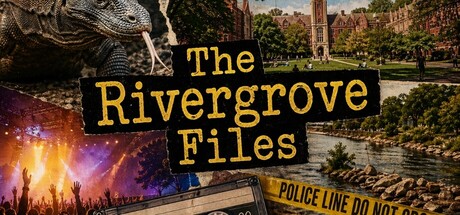
This game is adapted from an original short story written and owned by the developer. The story and all narrative content are original creative works with no AI-generated writing. The English script was produced with Claude's assistance to adapt the setting and dialogue style to small-town Ohio. Visual assets were generated using Seedance 2.0. Game code is built on Nova, an open-source visual novel framework, and is not AI-generated.
This game uses AI tools to generate part of the game’s art assets, sound effects, and promotional materials. All AI-generated content has been manually adjusted and polished by the developer to ensure quality and compliance. The AI does not generate real-time interactive content or collect user data.
We used AI to generate game icon, in-game start menu background and all promotional images (except for in-game screenshots) for the store page, including cover, banner, library cover, game icon, and character illustration in the description.
Some visual assets used in the store page and marketing materials may include AI-assisted elements. These assets are reviewed and modified by the development team to ensure quality and consistency with the game's art direction.
We don't use "black box" models trained on stolen art. Our generative models are trained exclusively on our own proprietary assets, sketches, and source material. If the AI didn't learn it from our own artists, it doesn't exist in our pipeline. No scraping, no copyright infringement, no "oops, that looks like a famous illustrator's style" moments.
We aren't using AI to write our stories or paint our worlds we still prefer the human touch for that. Generative technology is strictly limited to in-game animations.
We built our own "brain," fed it only our own art, and it only helps with the "wiggly bits" (animations). Everything else is pure, unadulterated human effort.
Some minor assets in this game were created or assisted using AI tools. Where possible, assets were sourced or created by real people, with AI used only where needed. Everything here was chosen to help bring this project to life.
We want to be transparent about our use of AI:
AI is used for: assisting with code development (debugging, refactoring, technical guidance during programming sessions).
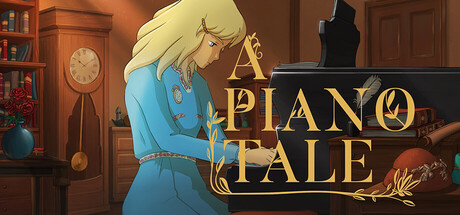
AI is NOT used for: the story, the dialogue, the music, the illustrations, the character designs, or any creative content. A Piano Tale is a deeply personal project, and its soul comes entirely from human hands.
We utilize AI exclusively for high-resolution upscaling and refining the details of our legacy artwork. Because we prioritize the integrity of our original style, we do not feed third-party artwork into any AI systems. While we work hard to polish every frame, you may occasionally notice minor "AI artifacts", a byproduct of the technical upscaling process used to make our original art shine on High Resolution displays.
The translation of this version was created with the help of AI. The game’s story, original writing, artwork, and music were created by hand by the author in 2018.
During the game's development, we may use tools that make use of procedural generation or AI. In every case, the final product reflects the creativity and artistic direction of the development team.
We use Generative AI tools specifically for the voice acting (dialogue, radio transmissions, and environmental narration) of characters and story sequences.
We use AI technologies in a limited capacity during development. AI-assisted tools are used for localization (translation into multiple languages) and for generating some visual assets, such as preview images. The core game content, gameplay design, and the majority of assets are created without the use of AI.
This game uses AI tools in a limited capacity for drafting certain text content (including translation and initial writing drafts) and for the title screen background music.
However, all in-game scenarios, character expressions, direction, and game design are created and supervised by the developer.
AI is used strictly as a supportive tool, and no content is generated in real-time during gameplay.
All final content has been reviewed and edited by a human.
Our team utilizes generative AI tools during the art creation process for concept prototyping and base asset generation. All AI-generated content has been extensively refined, repainted, and polished by hand to ensure a consistent visual style, originality, and high artistic quality.
The developers describe how their game uses AI Generated Content like this:
The game contains copyright-free pictures,video,audio generated by the developer using generative artificial intelligence
Certain plot points depicting AI competitions in the storyline utilize generative artificial intelligence, with the purpose of advancing the narrative and creating a technological and futuristic visual experience.
The capsule artwork is hand-drawn, with some AI-assisted touch-ups to the face. AI is also used for some minor background textures in the demo. All these elements are planned to be updated at a future date.
Generative AI technology is used in a supplementary capacity during the creation of some 2D prop assets.
Any such assets are replaced through our production pipeline by our art and development teams, ensuring they meet our quality standards and creative direction.
During development, we used AI-assisted tools to support the localization of in-game text into multiple languages. All AI-generated translations were reviewed and edited by our team to ensure accuracy and consistency with the game's tone and characters. Additionally, some food and cooking-related props were initially generated with AI-assisted tools and then manually refined by our artists to match the game's visual style and quality standards.
We used AI-powered tools to assist in creating achievement icons and decorative illustrations within the "Diary" system. These assets were manually refined and curated to match the game’s aesthetic.
The game features a blend of meticulously handcrafted and AI-generated sprites, carefully selected through extensive and challenging AI prompting to create a unique and visually appealing art style.
This game is adapted from an original short story written and owned by the developer. The story and all narrative content are original creative works with no AI-generated writing. The English script was produced with Claude's assistance to adapt the setting and dialogue style to small-town Ohio. Visual assets were generated using Seedance 2.0. Game code is built on Nova, an open-source visual novel framework, and is not AI-generated.
This game uses AI tools to generate part of the game’s art assets, sound effects, and promotional materials. All AI-generated content has been manually adjusted and polished by the developer to ensure quality and compliance. The AI does not generate real-time interactive content or collect user data.
We used AI to generate game icon, in-game start menu background and all promotional images (except for in-game screenshots) for the store page, including cover, banner, library cover, game icon, and character illustration in the description.
Some visual assets used in the store page and marketing materials may include AI-assisted elements. These assets are reviewed and modified by the development team to ensure quality and consistency with the game's art direction.
We don't use "black box" models trained on stolen art. Our generative models are trained exclusively on our own proprietary assets, sketches, and source material. If the AI didn't learn it from our own artists, it doesn't exist in our pipeline. No scraping, no copyright infringement, no "oops, that looks like a famous illustrator's style" moments.
We aren't using AI to write our stories or paint our worlds we still prefer the human touch for that. Generative technology is strictly limited to in-game animations.
We built our own "brain," fed it only our own art, and it only helps with the "wiggly bits" (animations). Everything else is pure, unadulterated human effort.
Some minor assets in this game were created or assisted using AI tools. Where possible, assets were sourced or created by real people, with AI used only where needed. Everything here was chosen to help bring this project to life.
We want to be transparent about our use of AI:
AI is used for: assisting with code development (debugging, refactoring, technical guidance during programming sessions).
AI is NOT used for: the story, the dialogue, the music, the illustrations, the character designs, or any creative content. A Piano Tale is a deeply personal project, and its soul comes entirely from human hands.
We utilize AI exclusively for high-resolution upscaling and refining the details of our legacy artwork. Because we prioritize the integrity of our original style, we do not feed third-party artwork into any AI systems. While we work hard to polish every frame, you may occasionally notice minor "AI artifacts", a byproduct of the technical upscaling process used to make our original art shine on High Resolution displays.
The translation of this version was created with the help of AI. The game’s story, original writing, artwork, and music were created by hand by the author in 2018.
During the game's development, we may use tools that make use of procedural generation or AI. In every case, the final product reflects the creativity and artistic direction of the development team.
We use Generative AI tools specifically for the voice acting (dialogue, radio transmissions, and environmental narration) of characters and story sequences.