








Disclosure
Only a small portion of art assets are AI-generated.
- Creator
- 2ndDream Studio
- Reviews
- -
- Added
- Jun 8, 2026
Public Steam disclosure research 25,508 disclosures tracked
Search developers’ Steam disclosures, compare classified AI use across games, and follow recorded changes. This index adds cross-game classifications and statistics to statements published on individual store pages.
Code help, debugging and other development work.
Capsule art, trailers and promotional material.
Pre-made art, audio, writing and other game assets.
Interactive or runtime AI features disclosed by the developer.
Groups reflect automatic analysis of public disclosures; mature records are excluded. These counts do not measure AI use across all of Steam. Missing or unclear statements cannot establish whether a game uses AI.
Only a small portion of art assets are AI-generated.
GenAI is used for the animated character portraits.
As a solo developer working on a passion project with very limited resources, I utilized generative AI as a workflow tool to help sketch out the initial base meshes and textures for the miniatures and terrain elements. However, every single asset was then manually refined, over painted, and fully optimized by me to ensure a consistent, high-quality art style and solid performance.
Generative AI was used only for a small portion of the game's visual and marketing materials, which were subsequently refined by the developer. The overwhelming majority of graphics and content were created manually or obtained from licensed sources.
This game uses the assistance of Claude Code for code generation, ChatGPT for image generation, and Meshy for model generation.
Some promotional images on the Steam store page and selected in-game UI images were created or assisted using generative AI, then reviewed and edited by the development team before use.
"Generative AI was used to assist in brainstorming, structuring, and refining the game's story and text."
Generative AI was used to assist in the creation of promotional artwork, marketing images, and store page assets. No AI-generated content is produced during gameplay, and no gameplay features rely on generative AI.
Monster Pit features handcrafted assets created by talented artists, musicians, and creators from the indie community. AI image generation tools were used during prototyping and stylization to keep the overall visual direction together.
This game uses AI-generated tools to assist in the creation of certain assets, including music and logo design used in promotional materials such as the trailer. All gameplay content, art direction, and game design are created by the developer.
about AI I hope you can understand: With the help of AI, I created some of the game's background music and part of the visual assets.
Some of the artwork in this piece was created using Stable Diffusion.
AI has been used to generate logos and some of the music tracks.
Generative AI tools were used during development to assist in creating select pre-rendered 2D background environments, UI icons, and character voice-over audio for cutscenes and narration. All AI-generated content was pre-generated and manually reviewed to ensure quality and compliance before being integrated into the game. The game does not generate any AI content live during gameplay.
Current store artwork, in-game loading screen images, and background music were created with assistance from generative AI tools. These assets were manually reviewed and edited by the development team.
Some assets included in this game were created with generative AI including some sound effects, background music, character sprites, background sprites, and the intro trailer that plays when launching the game.
Some translation text is translated by AI for languages where we have been unable to find a human translator. If you are interested in helping update these with human translations, contact holycowgamedev+translate@gmail.com
Some images in the game are AI-assisted assets that have been carefully edited and refined by me. The artwork is a blend of self-designed visuals and AI-generated elements, with adjustments made to harmonize color patterns.
SILENT TERMINAL uses generative AI as a creative aid during development. Specifically, the promotional images on this store page (the capsule, header, key art and illustrations) were created with AI tools and then reviewed, edited and curated by our human team. The game itself is built from human created and human supervised content: the ASCII art, maps, branching stories, dialogue and RPG systems are designed by the team. SILENT TERMINAL does not generate content with AI in real time during play. All adventures are loaded from pre authored files.
Some visual assets in OMNICORIUM were generated using AI tools, either directly during development or sourced from third-party creators who used AI-assisted generation. AI is used exclusively for selected visual assets. It is not used for gameplay systems, player interactions, procedural mechanics, or dynamic content generation.
Some of this game's marketing artwork (Steam store capsules and banners) was generated with the help of an AI image model (FLUX via Runware) and then composited and edited by hand for the final assets. Translations for 14 of the 16 supported languages — Danish, Finnish, French, German, Italian, Japanese, Korean, Norwegian, Polish, Portuguese, Simplified Chinese, Slovak, Spanish, and Swedish — were produced by machine translation (DeepL). Only English and Czech are reviewed and edited by a human; the other translations may contain mistakes, and corrections are welcome.
Generative AI was used only for the creation of certain background music tracks. Story, game design, programming, character artwork, and other visual assets were created by the developer.
AI was used to translate the game into several languages and generate some background images for the menus; the rest was done by hand.
The game has no AI generated content. The store page have AI generated content (I used AI to upscale & enhance my own artwork).
游戏内立绘使用了AI技术调整
Some art assets are generative and some are not. Many assets were purchased and then updated with generative AI in order to look different from the original purchased assets. We would love to change these out for custom art if the game does well.
Deep In The Mine was developed by a single person. Artificial intelligence was used to save time and correct certain shortcomings, particularly in audio creation and mesh generation.
This game uses AI-generated music and sound effects created with Suno and ElevenLabs. All visual assets and code are handcrafted by the developer.
The Logo while temporary, uses AI
Some visual and written content in this game was created with the assistance of generative AI during development, then reviewed, edited, and integrated by the developer. The game does not include live-generated AI features, and players cannot generate content during gameplay.
The announcer in the demo is using text-to-speech (TTS). This is temporary and will be replaced with human voice acting in the full release.
Some characters are generated using AI
Parts of the localization and most character portraits were created with the assistance of AI. All relevant content was manually reviewed and edited by me where possible and necessary.
Grok, Suno, and PixelLab were used in the creation of this game.
"Generative AI tools were used during the development of this game to assist with programming and narrative dialogue writing. All AI-assisted content has been reviewed and approved by the developer. No artificial intelligence generates content live during gameplay — ▎ all text, audio, and visuals are pre-authored and fixed."
Built solo with Cursor AI, Realmlords is a one-developer passion project: an action roguelite forged through rapid iteration, creative experimentation, and nonstop refinement from a single creator’s vision. Over 2 years in the making.
This product uses AI generation to create textures for some 3D objects and effects.
AI-assisted tools were used during portions of concept exploration and creative iteration for certain visual and writing workflows. All game systems, gameplay implementation, worldbuilding, design direction, editing, integration, UI construction, narrative structure, and final production decisions are created and directed by the developer. AI tools are used as part of an assisted creative workflow rather than as fully autonomous content generation.
VainGraphics is a local AI workspace application. Its core functionality heavily utilizes live-generated AI content, allowing users to run Large Language Models (LLMs) to generate text, stories, and code snippets, as well as image generation models to create local artwork. All generative processes run locally on the user's hardware.
Some of the 2D user interface (UI) elements and 3D models in the game were generated using AI tools. These assets have been carefully reviewed, edited, and integrated by the developer to fit the game's art style and ensure they comply with copyright standards.
AI is used for cinematic cutscenes and certain art assets, but the majority of the work is done manually. Similarly, code workflows include partial generation for certain C++, C#, and HLSL functions.
RogueScape may use generative AI tools as part of the development workflow, primarily to assist with programming, debugging, prototyping, workflow automation, and occasional asset or copy iteration. Any AI-assisted content used in the game, store page, or related marketing materials is reviewed, edited, and approved by the developer before publication.
Only parts of audio have been created using AI. This includes narration, background music and some sound effects
Game logo and headers made with ai tools. Also game menu and loading screen widget made with ai tools
The character voice in trailer
Game design, code, mechanics, gameplay systems, sprites, and writing are entirely human-made. All AI-generated assets were reviewed, edited, composed, and integrated manually by the developer. No AI content is generated at runtime — every asset is pre-authored and curated. Generative AI was used in the creation of: Marketing and store page artwork (capsules, banners, hero, logo) In-game background art, sprites directions Music tracks
Some visual assets, promotional artwork, sound concepts, and early creative content for Lumibloom were created or assisted using generative AI tools during development. All AI-assisted content is reviewed, edited, and integrated by the developer to fit the game’s final artistic direction and gameplay experience.
!! AI translations only !! Explanation: As an indie developer, I want my game to be accessible to as many players around the world as possible. Unfortunately, I don't have the resources to hire professional translators for every language I would like to support. In the past, developers often relied on tools like Google Translate to make their games available in more languages. Today, AI translation is another option, and it can produce better results than traditional machine translation. Everything else in the game, including the original text, artwork, sounds, music, game design and code, was created by humans. AI is used only for translation.
The images and background music used in this game were created using a generative AI.
Some visual assets, concept art, and creative materials used in the game and store page were assisted by generative AI tools. All generated content was reviewed, edited, and integrated by the developer.
| Title⇅ | Disclosure | Creator⇅ | Src | Reviews⇅ | Added↓ |
|---|---|---|---|---|---|
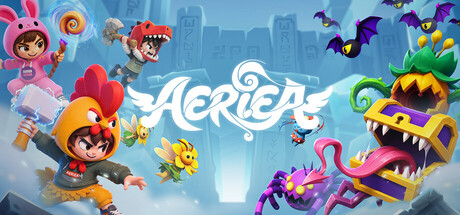 Aeriea In-game content art | Only a small portion of art assets are AI-generated. | 2ndDream Studio | - | Jun 8, 2026 | |
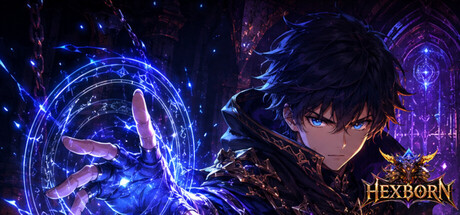 Hexborn In-game content art | GenAI is used for the animated character portraits. | Makeshift Software Inc | - | Jun 7, 2026 | |
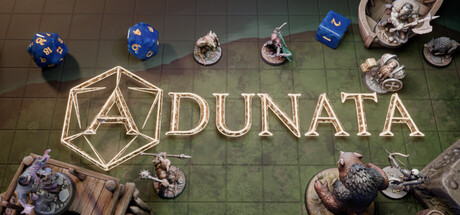 Adunata In-game content art | As a solo developer working on a passion project with very limited resources, I utilized generative AI as a workflow tool to help sketch out the initial base meshes and textures for the miniatures and terrain elements. However, every single asset was then manually refined, over painted, and fully optimized by me to ensure a consistent, high-quality art style and solid performance. | Maurizio Nitti | - | Jun 7, 2026 | |
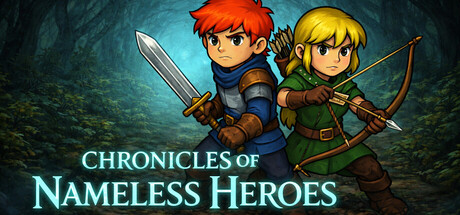 Chronicles of Nameless Heroes Store/marketing art | Generative AI was used only for a small portion of the game's visual and marketing materials, which were subsequently refined by the developer. The overwhelming majority of graphics and content were created manually or obtained from licensed sources. | MVAONE Games | - | Jun 7, 2026 | |
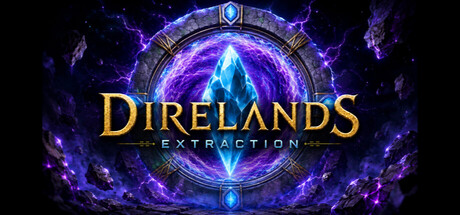 Direlands: Extraction In-game content artcode | This game uses the assistance of Claude Code for code generation, ChatGPT for image generation, and Meshy for model generation. | Milk Barf Games | - | Jun 7, 2026 | |
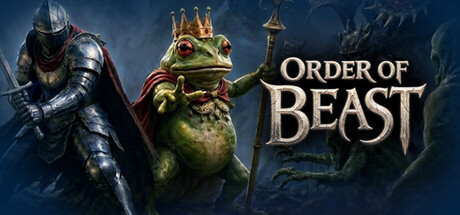 Order of Beast In-game content art | Some promotional images on the Steam store page and selected in-game UI images were created or assisted using generative AI, then reviewed and edited by the development team before use. | Abiohill | - | Jun 7, 2026 | |
 ShuriStella In-game content text | "Generative AI was used to assist in brainstorming, structuring, and refining the game's story and text." | SmileForeverStudio | - | Jun 7, 2026 | |
 Surviving The Island Store/marketing art | Generative AI was used to assist in the creation of promotional artwork, marketing images, and store page assets. No AI-generated content is produced during gameplay, and no gameplay features rely on generative AI. | DragoPiccolino | - | Jun 6, 2026 | |
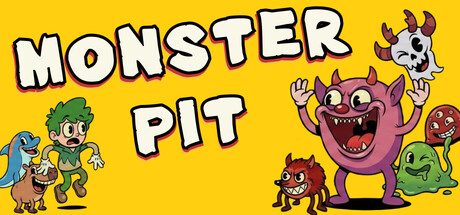 Monster Pit Dev only art | Monster Pit features handcrafted assets created by talented artists, musicians, and creators from the indie community. AI image generation tools were used during prototyping and stylization to keep the overall visual direction together. | WrongDoor | - | Jun 6, 2026 | |
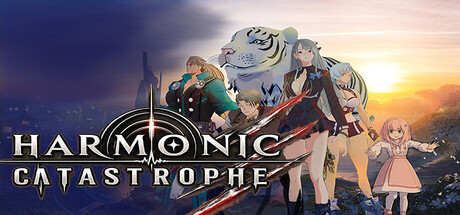 Harmonic Catastrophe In-game content audioart | This game uses AI-generated tools to assist in the creation of certain assets, including music and logo design used in promotional materials such as the trailer. All gameplay content, art direction, and game design are created by the developer. | Splinternova | - | Jun 5, 2026 | |
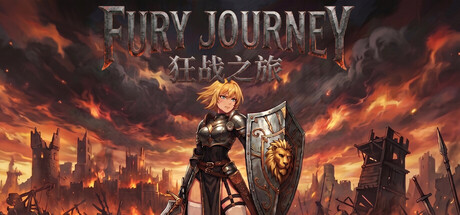 Fury Journey 狂战之旅 In-game content audioart | about AI I hope you can understand:
With the help of AI, I created some of the game's background music and part of the visual assets. | Dongrenran | - | Jun 5, 2026 | |
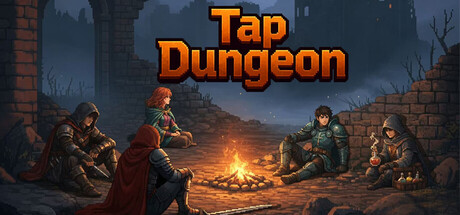 点击地牢 Tap Dungeon Store/marketing art | Some of the artwork in this piece was created using Stable Diffusion. | Xiao5 Studios | - | Jun 5, 2026 | |
 Hang in there In-game content artaudio | AI has been used to generate logos and some of the music tracks. | Skogman | - | Jun 5, 2026 | |
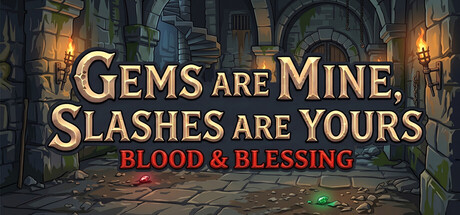 Gems are Mine, Slashes are Yours: Blood & Blessing In-game content artaudio | Generative AI tools were used during development to assist in creating select pre-rendered 2D background environments, UI icons, and character voice-over audio for cutscenes and narration. All AI-generated content was pre-generated and manually reviewed to ensure quality and compliance before being integrated into the game. The game does not generate any AI content live during gameplay. | DIM Games | - | Jun 5, 2026 | |
 Into the Swarm In-game content artaudio | Current store artwork, in-game loading screen images, and background music were created with assistance from generative AI tools. These assets were manually reviewed and edited by the development team. | Night Claw Games | - | Jun 5, 2026 | |
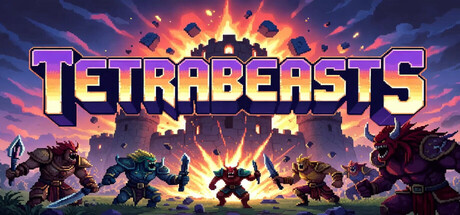 Tetrabeasts In-game content audioart | Some assets included in this game were created with generative AI including some sound effects, background music, character sprites, background sprites, and the intro trailer that plays when launching the game. | Roxythe (Rocky) Harding | - | Jun 4, 2026 | |
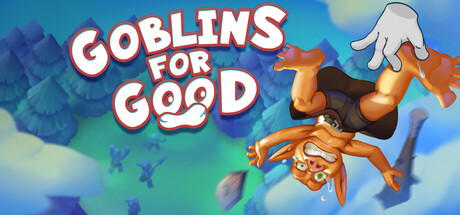 Goblins for Good In-game content text | Some translation text is translated by AI for languages where we have been unable to find a human translator. If you are interested in helping update these with human translations, contact holycowgamedev+translate@gmail.com | HolyCowCreates | - | Jun 4, 2026 | |
 Qumino In-game content art | Some images in the game are AI-assisted assets that have been carefully edited and refined by me. The artwork is a blend of self-designed visuals and AI-generated elements, with adjustments made to harmonize color patterns. | Qurtys | - | Jun 4, 2026 | |
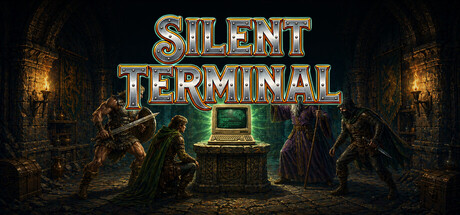 Silent Terminal Store/marketing art | SILENT TERMINAL uses generative AI as a creative aid during development. Specifically, the promotional images on this store page (the capsule, header, key art and illustrations) were created with AI tools and then reviewed, edited and curated by our human team.
The game itself is built from human created and human supervised content: the ASCII art, maps, branching stories, dialogue and RPG systems are designed by the team. SILENT TERMINAL does not generate content with AI in real time during play. All adventures are loaded from pre authored files. | Bare Metal Xtreme | - | Jun 4, 2026 | |
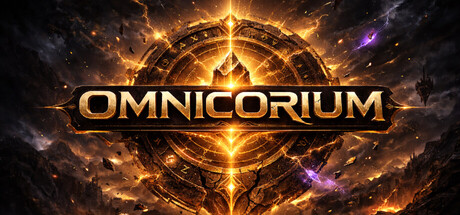 OMNICORIUM In-game content art | Some visual assets in OMNICORIUM were generated using AI tools, either directly during development or sourced from third-party creators who used AI-assisted generation.
AI is used exclusively for selected visual assets. It is not used for gameplay systems, player interactions, procedural mechanics, or dynamic content generation. | Malakyel | - | Jun 4, 2026 | |
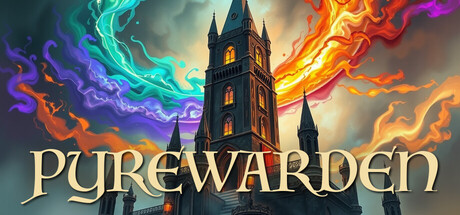 Pyrewarden In-game content arttext | Some of this game's marketing artwork (Steam store capsules and banners) was generated with the help of an AI image model (FLUX via Runware) and then composited and edited by hand for the final assets.
Translations for 14 of the 16 supported languages — Danish, Finnish, French, German, Italian, Japanese, Korean, Norwegian, Polish, Portuguese, Simplified Chinese, Slovak, Spanish, and Swedish — were produced by machine translation (DeepL). Only English and Czech are reviewed and edited by a human; the other translations may contain mistakes, and corrections are welcome. | Morass | - | Jun 4, 2026 | |
 MunchiesGretel In-game content audio | Generative AI was used only for the creation of certain background music tracks. Story, game design, programming, character artwork, and other visual assets were created by the developer. | Mizuki | - | Jun 4, 2026 | |
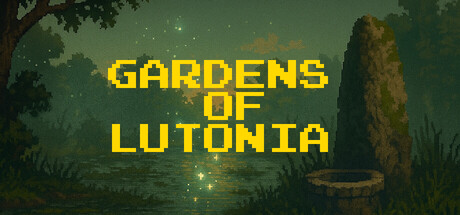 Gardens Of Lutonia In-game content textart | AI was used to translate the game into several languages and generate some background images for the menus; the rest was done by hand. | VOXELMANA | - | Jun 4, 2026 | |
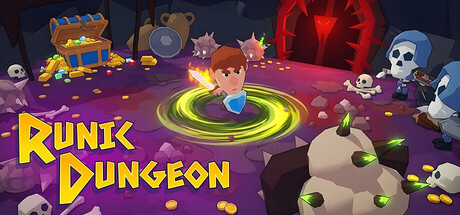 Runic Dungeon Store/marketing art | The game has no AI generated content.
The store page have AI generated content (I used AI to upscale & enhance my own artwork). | Alexis & Friends | - | Jun 4, 2026 | |
 大荒消劫录 In-game content art | 游戏内立绘使用了AI技术调整 | 辰酉游戏 | - | Jun 4, 2026 | |
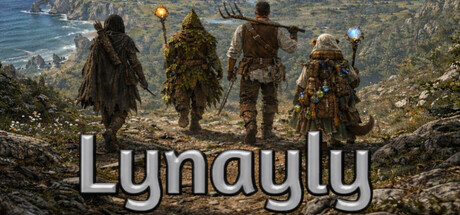 Lynayly In-game content art | Some art assets are generative and some are not. Many assets were purchased and then updated with generative AI in order to look different from the original purchased assets. We would love to change these out for custom art if the game does well. | Joyful Games Inc. | - | Jun 4, 2026 | |
 Deep in The Mine In-game content audioart | Deep In The Mine was developed by a single person. Artificial intelligence was used to save time and correct certain shortcomings, particularly in audio creation and mesh generation. | HanoriaStudio | - | Jun 4, 2026 | |
 Mortis Loop In-game content audio | This game uses AI-generated music and sound effects created with Suno and ElevenLabs. All visual assets and code are handcrafted by the developer. | Red Panda | - | Jun 4, 2026 | |
 Shopkeeper's Legacy Store/marketing art | The Logo while temporary, uses AI | PhoenixDev | - | Jun 4, 2026 | |
 Bleaklands In-game content arttext | Some visual and written content in this game was created with the assistance of generative AI during development, then reviewed, edited, and integrated by the developer. The game does not include live-generated AI features, and players cannot generate content during gameplay. | weacon | - | Jun 4, 2026 | |
 Annexation In-game content audio | The announcer in the demo is using text-to-speech (TTS).
This is temporary and will be replaced with human voice acting in the full release. | Hotkey Clicker | - | Jun 4, 2026 | |
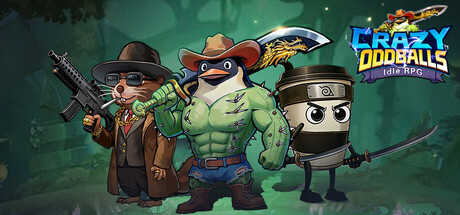 Crazy Oddballs: Idle RPG In-game content arttext | Some characters are generated using AI | Crazy Oddballs | 329 | Jun 4, 2026 | |
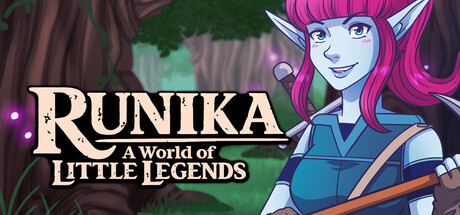 Runika: A World of Little Legends In-game content textart | Parts of the localization and most character portraits were created with the assistance of AI. All relevant content was manually reviewed and edited by me where possible and necessary. | Pascal Dittrich | 88 | Jun 3, 2026 | |
 Ethral Unclear | Grok, Suno, and PixelLab were used in the creation of this game. | Vessel Interactive Studio | - | Jun 3, 2026 | |
 Project AsteroidZ In-game content textcode | "Generative AI tools were used during the development of this game to assist with programming and narrative dialogue writing. All AI-assisted content has been reviewed and approved by the developer. No artificial intelligence generates content live during gameplay —
▎ all text, audio, and visuals are pre-authored and fixed." | Timothy E. Winnie | - | Jun 3, 2026 | |
 Realmlords Dev only code | Built solo with Cursor AI, Realmlords is a one-developer passion project: an action roguelite forged through rapid iteration, creative experimentation, and nonstop refinement from a single creator’s vision. Over 2 years in the making. | UltraPwned Gaming | - | Jun 3, 2026 | |
 Artificial Magic Language System In-game content art | This product uses AI generation to create textures for some 3D objects and effects. | FeatherBlow | - | Jun 3, 2026 | |
 Blightened: Relic Keeper In-game content arttext | AI-assisted tools were used during portions of concept exploration and creative iteration for certain visual and writing workflows.
All game systems, gameplay implementation, worldbuilding, design direction, editing, integration, UI construction, narrative structure, and final production decisions are created and directed by the developer.
AI tools are used as part of an assisted creative workflow rather than as fully autonomous content generation. | xombis | - | Jun 3, 2026 | |
 VainGraphics Live AI textartcode | VainGraphics is a local AI workspace application. Its core functionality heavily utilizes live-generated AI content, allowing users to run Large Language Models (LLMs) to generate text, stories, and code snippets, as well as image generation models to create local artwork. All generative processes run locally on the user's hardware. | TigerMark | - | Jun 3, 2026 | |
 Knight Legion: Rpg Strategy In-game content art | Some of the 2D user interface (UI) elements and 3D models in the game were generated using AI tools. These assets have been carefully reviewed, edited, and integrated by the developer to fit the game's art style and ensure they comply with copyright standards. | Manushart | - | Jun 3, 2026 | |
 Hidden Turtle Puzzle In-game content artcode | AI is used for cinematic cutscenes and certain art assets, but the majority of the work is done manually.
Similarly, code workflows include partial generation for certain C++, C#, and HLSL functions. | OmniScapes Interactive | - | Jun 3, 2026 | |
 RogueScape In-game content codetextart | RogueScape may use generative AI tools as part of the development workflow, primarily to assist with programming, debugging, prototyping, workflow automation, and occasional asset or copy iteration. Any AI-assisted content used in the game, store page, or related marketing materials is reviewed, edited, and approved by the developer before publication. | Ryæn | - | Jun 3, 2026 | |
 The Convergence In-game content audio | Only parts of audio have been created using AI. This includes narration, background music and some sound effects | resvagames | - | Jun 3, 2026 | |
 Assassin Of Spider 2: 2099 In-game content art | Game logo and headers made with ai tools. Also game menu and loading screen widget made with ai tools | Saylor games | - | Jun 3, 2026 | |
 Blades of Four In-game content audio | The character voice in trailer | LIDO GAMES | - | Jun 3, 2026 | |
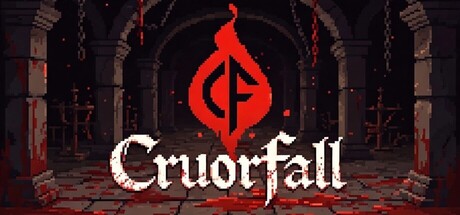 Cruorfall In-game content artaudio | Game design, code, mechanics, gameplay systems, sprites, and writing are entirely human-made. All AI-generated assets were reviewed, edited, composed, and integrated manually by the developer. No AI content is generated at runtime — every asset is pre-authored and curated.
Generative AI was used in the creation of:
Marketing and store page artwork (capsules, banners, hero, logo)
In-game background art, sprites directions
Music tracks | Dezmuss | - | Jun 3, 2026 | |
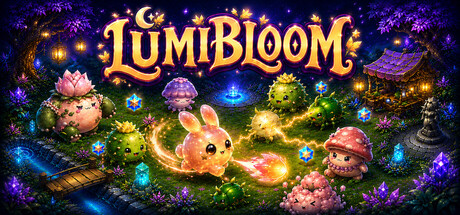 Lumibloom In-game content artaudio | Some visual assets, promotional artwork, sound concepts, and early creative content for Lumibloom were created or assisted using generative AI tools during development. All AI-assisted content is reviewed, edited, and integrated by the developer to fit the game’s final artistic direction and gameplay experience. | Zan Games | - | Jun 3, 2026 | |
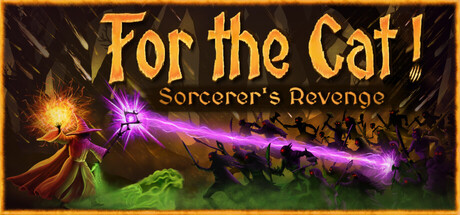 For The Cat! Sorcerer's Revenge In-game content text | !! AI translations only !!
Explanation:
As an indie developer, I want my game to be accessible to as many players around the world as possible. Unfortunately, I don't have the resources to hire professional translators for every language I would like to support.
In the past, developers often relied on tools like Google Translate to make their games available in more languages. Today, AI translation is another option, and it can produce better results than traditional machine translation.
Everything else in the game, including the original text, artwork, sounds, music, game design and code, was created by humans. AI is used only for translation. | Jasio Games | - | Jun 3, 2026 | |
 MAGISTAL In-game content artaudio | The images and background music used in this game were created using a generative AI. | bitman games | - | Jun 3, 2026 | |
 Isle Of Nexaryth In-game content art | Some visual assets, concept art, and creative materials used in the game and store page were assisted by generative AI tools. All generated content was reviewed, edited, and integrated by the developer. | Tugay Saydam | - | Jun 3, 2026 |


