Public Steam disclosure research25,376 disclosures tracked
Where do games disclose AI use?
Search developers’ Steam disclosures, compare classified AI use across
games, and follow recorded changes.
This index adds cross-game classifications and statistics to
statements published on individual store pages.
Groups reflect automatic analysis of public disclosures; mature records are excluded. These counts do not measure AI use across all of Steam.
Missing or unclear statements cannot establish whether a game uses AI.
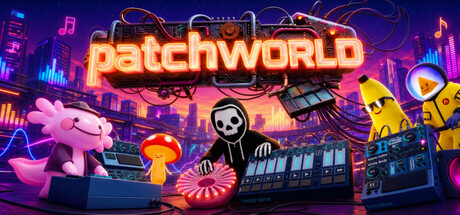
PatchWorld includes optional generative AI tools that players can use to create custom content for their worlds and devices.
Players can generate images, 360° skyboxes, 3D meshes, and audio samples by entering text prompts using in-game tools such as the GenieBox device or scripting blocks. Each generation is initiated directly by the player and takes a short amount of time to complete.
Generated content can be used to decorate worlds, create sound effects, and build custom musical instruments. By default, all generated content remains private to the creator and is only shared with others if the player chooses to publish their world.
Generative AI features are entirely optional and are designed to support creativity, experimentation, and collaborative world-building.
We do not use generative AI for models, textures, animations, audio, etc. All visuals are handmade with love!
To allow quickly updating the game during Early Access, we use a combination of machine translation, human review, and entirely human authored localization. The current state of languages is: Chinese, Japanese, Korean, and Russian are mostly human authored; French and Spanish are machine translated with human authored revisions; German is machine translated. Our goal is to increase the amount of human authored localization over time.
During the development process, we may use procedural- and AI-based tools to assist with content creation. In all such cases, the final product reflects the creativity and expression of our own development team. Examples include voiceover audio where we utilize text-to-speech tools to e.g. generate the audio of our in-game commentators Scotty & June.
Some artworks featured in Mautix’s official exhibition spaces were created by artists using AI-assisted illustration tools.
These are pre-rendered, artist-owned, and licensed for non-commercial display within the app.
Mautix itself does not generate any content or code using AI during gameplay.
Used for Early Access placeholders, and is intended to be replaced with more development time. AI generation was used for some voices and some 2D images within the game. These assets are intended to be replaced with ones created by human artists.
The background of the games Steam Shop main capsule image is AI generated.
The game uses AI-generated voices for all characters where no voice actors are available yet. You can disable AI voices in the audio settings.
We used generative AI to create a small number of background textures, such as book covers, graffiti, and framed wall art. All core visuals and gameplay elements were created by our team.
This game includes an AI-generated music track but does not use AI to generate content during gameplay. AI was also used during development as a code assistant, but does not impact the player's experience in real-time.
AI generates rich, diverse scenarios with maps tailored for both Game Masters and players, ensuring no two campaigns are the same. Dive into worlds crafted with precision—where AI-designed maps, NPCs, enemies, traps, and rooms come together to create a seamless and immersive experience.
From preparation to play, our AI handles all the details, allowing you to focus on what truly matters—your adventure. Embark on a journey where your imagination sets the boundaries, powered by AI that prepares everything you need for an unforgettable campaign.
During the development process, we may use procedural- and AI-based tools to assist with content creation. In all such cases, the final product reflects the creativity and expression of our own development team.
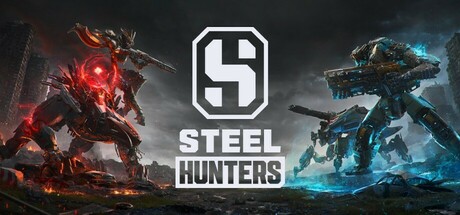
During the beta phase of Steel Hunters, we may use AI-generated voices for certain in-game characters, including the announcer, to support our development process. The majority of the voices in the game are performed by real voice actors, and AI-generated voices will be replaced with human voices before the official launch. This helps us focus on delivering the best experience while the game is still in development.
Generative AI Integration:
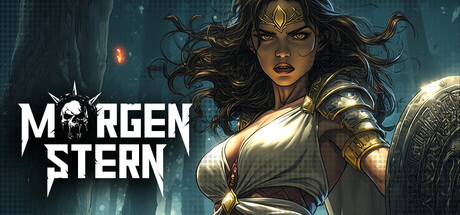
During the early access phase, Morgenstern leverages generative AI to create placeholder assets, including images, sound effects, and text. This approach allows for rapid prototyping and iterative development, ensuring a dynamic and evolving gaming experience as we refine and enhance the final content.
Artificial intelligence is used solely for minor content improvements and to speed up certain tasks in the development process. It is not used in any way to create original content.
Dialogue Generation: An on-board AI character named AURORA uses a local offline LLM to generate procedural dialogue in response to player actions or voice input. This allows for varied, context-sensitive replies that maintain the tone and lore of the game world.
Voice Interaction (optional): Players may speak to AURORA using voice recognition, which is then interpreted and processed to generate in-character responses, offering a more immersive narrative experience.
Puzzle Together includes the option for players to generate puzzle images using generative AI. All AI-generated images are clearly marked "AI" in the puzzle library.
Generative AI is used only during development for minor, replaceable elements like textures or icons. All core assets are created entirely by Wargaming’s artists and developers.
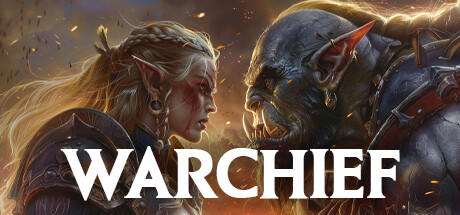
Warchief uses AI to generate UI unit images, enhancing the visual experience with dynamically created artwork. Each unit's appearance is crafted to fit seamlessly within the game's aesthetic, ensuring a fresh look.
PatchWorld includes optional generative AI tools that players can use to create custom content for their worlds and devices.
Players can generate images, 360° skyboxes, 3D meshes, and audio samples by entering text prompts using in-game tools such as the GenieBox device or scripting blocks. Each generation is initiated directly by the player and takes a short amount of time to complete.
Generated content can be used to decorate worlds, create sound effects, and build custom musical instruments. By default, all generated content remains private to the creator and is only shared with others if the player chooses to publish their world.
Generative AI features are entirely optional and are designed to support creativity, experimentation, and collaborative world-building.
We do not use generative AI for models, textures, animations, audio, etc. All visuals are handmade with love!
To allow quickly updating the game during Early Access, we use a combination of machine translation, human review, and entirely human authored localization. The current state of languages is: Chinese, Japanese, Korean, and Russian are mostly human authored; French and Spanish are machine translated with human authored revisions; German is machine translated. Our goal is to increase the amount of human authored localization over time.
During the development process, we may use procedural- and AI-based tools to assist with content creation. In all such cases, the final product reflects the creativity and expression of our own development team. Examples include voiceover audio where we utilize text-to-speech tools to e.g. generate the audio of our in-game commentators Scotty & June.
Some artworks featured in Mautix’s official exhibition spaces were created by artists using AI-assisted illustration tools.
These are pre-rendered, artist-owned, and licensed for non-commercial display within the app.
Mautix itself does not generate any content or code using AI during gameplay.
Used for Early Access placeholders, and is intended to be replaced with more development time. AI generation was used for some voices and some 2D images within the game. These assets are intended to be replaced with ones created by human artists.
The background of the games Steam Shop main capsule image is AI generated.
The game uses AI-generated voices for all characters where no voice actors are available yet. You can disable AI voices in the audio settings.
We used generative AI to create a small number of background textures, such as book covers, graffiti, and framed wall art. All core visuals and gameplay elements were created by our team.
This game includes an AI-generated music track but does not use AI to generate content during gameplay. AI was also used during development as a code assistant, but does not impact the player's experience in real-time.
AI generates rich, diverse scenarios with maps tailored for both Game Masters and players, ensuring no two campaigns are the same. Dive into worlds crafted with precision—where AI-designed maps, NPCs, enemies, traps, and rooms come together to create a seamless and immersive experience.
From preparation to play, our AI handles all the details, allowing you to focus on what truly matters—your adventure. Embark on a journey where your imagination sets the boundaries, powered by AI that prepares everything you need for an unforgettable campaign.
During the development process, we may use procedural- and AI-based tools to assist with content creation. In all such cases, the final product reflects the creativity and expression of our own development team.
During the beta phase of Steel Hunters, we may use AI-generated voices for certain in-game characters, including the announcer, to support our development process. The majority of the voices in the game are performed by real voice actors, and AI-generated voices will be replaced with human voices before the official launch. This helps us focus on delivering the best experience while the game is still in development.
Generative AI Integration:
During the early access phase, Morgenstern leverages generative AI to create placeholder assets, including images, sound effects, and text. This approach allows for rapid prototyping and iterative development, ensuring a dynamic and evolving gaming experience as we refine and enhance the final content.
Artificial intelligence is used solely for minor content improvements and to speed up certain tasks in the development process. It is not used in any way to create original content.
Dialogue Generation: An on-board AI character named AURORA uses a local offline LLM to generate procedural dialogue in response to player actions or voice input. This allows for varied, context-sensitive replies that maintain the tone and lore of the game world.
Voice Interaction (optional): Players may speak to AURORA using voice recognition, which is then interpreted and processed to generate in-character responses, offering a more immersive narrative experience.
Puzzle Together includes the option for players to generate puzzle images using generative AI. All AI-generated images are clearly marked "AI" in the puzzle library.
Generative AI is used only during development for minor, replaceable elements like textures or icons. All core assets are created entirely by Wargaming’s artists and developers.
Warchief uses AI to generate UI unit images, enhancing the visual experience with dynamically created artwork. Each unit's appearance is crafted to fit seamlessly within the game's aesthetic, ensuring a fresh look.