
Disclosure
Some in-game posters and signs, the splash screen, and parts of the text and translation were made with the help of generative AI and then edited by hand.
- Creator
- homemadevoxel
- Reviews
- -
- Added
- Oct 12, 2026
Public Steam disclosure research 25,376 disclosures tracked
Search developers’ Steam disclosures, compare classified AI use across games, and follow recorded changes. This index adds cross-game classifications and statistics to statements published on individual store pages.
Code help, debugging and other development work.
Capsule art, trailers and promotional material.
Pre-made art, audio, writing and other game assets.
Interactive or runtime AI features disclosed by the developer.
Groups reflect automatic analysis of public disclosures; mature records are excluded. These counts do not measure AI use across all of Steam. Missing or unclear statements cannot establish whether a game uses AI.
Some in-game posters and signs, the splash screen, and parts of the text and translation were made with the help of generative AI and then edited by hand.
Some of the art in Planet Pilot was made with generative AI tools during development, then selected, edited and fitted into the game by the developer. This covers the store and key art, many 2D illustrations (mission briefing, Legends, ace, medal and loading pictures, hangar plane pictures, emblems and some painted ground textures), the picture thumbnails in the landmarks list, and the high-detail 3D models of more than 40 landmarks. The game's translations were made with AI tools and reviewed by the developer. In the trailers, the opening 30 seconds of the cinematic trailer and the trailer music and sound effects were made with AI tools. The world, aircraft, flight model and gameplay were built by the developer. Nothing in the game is generated by AI while you play.
Luckforge was made with the help of generative AI tools, selected and directed by the developer. The title-screen and battle backdrops were generated from our own layout briefs and screenshots, then converted to the game's pixel grid and colour palette. The pixel sprites, in-game text, translations and store text were created with AI assistance. Some promotional materials use AI-generated art or music. Nothing is generated by AI while you play.
AI has been utilized to assist with primarily backend systems like the netcode etc. The game's vision and most content are made directly by me.
The intro cinematic and the artwork taken from it (used on this store page) were generated with AI video tools from the game's own 3D models, as were some illustrations and icons of the interface. The soundtrack was composed with an AI music tool, and the translations were made with AI assistance. No AI generates content while you play.
Generative AI was used to help write the Python code that generates the game's 3D models and synthesized sounds, and to assist with localization.
Generative AI tools were used to create music and visual artwork, including store and promotional images. These assets were generated before release and selected by the developer. No AI content is generated during gameplay.
Generative AI tools were used to assist with the creation and refinement of selected visual assets and promotional materials for Asteroid Watch. All AI-assisted content is reviewed, edited, and integrated by the developer to ensure consistency with the game's visual style and overall design.
Generative AI was used as a development assistance tool during the creation of GNOME DOME, including help with gameplay logic, Unreal Engine/Blueprint development, debugging, writing, and concept development. All AI-assisted work was reviewed, edited, and implemented by the developer. Generative AI is not used to create content dynamically during gameplay.
Some pre-generated content was made with AI tools: the store key art and capsule images, the localization into 19 languages, and parts of the in-game and store text. 3D models, sound effects and achievement icons are built procedurally by code written with AI assistance. No AI-generated content is created live while you play.
AI tools were used to help prepare sketches for the store capsule artwork.
AI Disclosure: This game was made with the help of Artificial Intelligence LLM Models. The studio takes transparency seriously, so if the community would like to ask questions, get clarity, or voice concerns over this, please reach out to the development team on our Discord or launch website.
AI was used to create a handful of static images within the game as the developer had no other options at the time. All of this will be replaced as soon as possible.
Some content was made with generative AI: the game's logo, and much of the in-game writing (tutorial text, shop item names and descriptions, and other on-screen text), which was drafted with an AI assistant and edited by the developer. Parts of this store page were written the same way. Everything else - rooms, props, characters, sound and gameplay - is made procedurally in code or comes from CC0 asset kits. Nothing is generated by AI while you play.
Just help with the marketing material drafts
Generative AI was used during development to assist with the creation and refinement of selected visual assets and promotional artwork. All AI-assisted content was reviewed and edited by the development team before being included in the game or store materials. The game does not use generative AI to create content during gameplay.
Used Ai to generate a NPC of my daughter Princess Octavia, Also used it to implement bought assets from epic store. Used to generate capsules for steam page.
It has been used in the page visuals and logo.
It has been used in the page visuals and logo.
Generative AI tools were used during development to create certain content included with the game: Visual Art: Store/capsule art, character portraits, icons, UI illustrations, map visuals, and textures. Audio: Narrator voiceovers generated using text-to-speech (TTS) tools, and select ambient sounds. Music: A portion of the in-game music was generated using AI music tools.
AI tools helped us write parts of the game's code and create some of its art. No content is generated by AI while you play.
The game is made by a single developer, with help from two friends. I used generative AI for some of the artwork (backgrounds, portraits, icons, book covers, record sleeves, skies) and for some of the music, selecting, editing and integrating every asset by hand. 3D models were bought from their creators, taken from free libraries or made in Blender, and sound effects come from free sound libraries: all authors are credited in the game.
Table Night has an optional AI LLM game master: if the host turns it on with their own AI account, a language model narrates the match and judges what players write, while the game rolls the dice and decides every result. The AI is instructed to keep everything suitable for teens. Players' text is sent to the host's AI provider, and any table can be played with a human game master or none instead.
AI generated the music for this game
Generative AI was used to create some of the game's content. The illustrations and the characters (character designs and artwork and models) were created with the help of generative AI tools, then selected, edited and integrated by the developer. Some English localization text (UI and character descriptions) and the store page description were also drafted with an AI assistant and reviewed and edited by the developer. The game does not generate any content with AI while it is running.
This game contains pre-generated content only: no AI generates content during gameplay. The game's translations (English, German, Italian, Spanish) and the store page texts were produced with the help of AI tools, then reviewed. All in-game visuals are rendered from the game's own 3D models.
Generative AI was used to create promotional store artwork and assist with written store descriptions. The game includes Midnight Cocktails, an instrumental background-music track created with Suno. It contains no sung or spoken words.
AI was used during development to create some of the game's visual artwork and graphical assets. The AI-generated assets are pre-generated and included as static content in the game. No AI content is generated during gameplay, and the game does not connect to or use an AI service at runtime.
Generative AI tools were used to help create promotional artwork and Steam store page text. This content was prepared in advance. The game does not use generative AI or connect to external AI services during gameplay.
Character, enemy, and terrain sprites and the key art were produced with AI image tools from our own concept art and style references, then selected, corrected, and composited by hand. All game rules, code, writing, board layout, and interface art are made by the developer without generative AI at runtime. The game does not generate content with AI while you play.
Some of the store capsule and key art was created with AI image generation tools and then edited by our team.
Store page capsule art, library artwork and some store page text were created with the help of AI tools and reviewed by the developer. The game does not generate any content with AI while playing.
The game's interface translations were made with AI translation tools, and AI tools helped draft some store page text. The game's art, animation, audio and gameplay were not made with generative AI, and no AI content is generated while you play.
AI was used to help generate code and as a tool to troubleshoot it. The poker chip images on the seat badges, and the achievement icons built from them, were generated with an image model from prompts written for this game, then prepared and finished by hand. Nothing is generated while the game runs.
A small amount of text, images, and multilingual content used AI assistance.
Generative AI was used to create some promotional artwork.
Some of this game's code, art and music were made with the help of an AI assistant. Everything was reviewed, edited and assembled by hand, and no content is generated while you play.
Some artwork and promotional images, dialogue, synthesized character voices, and sound effects were created with generative AI tools during development. These are pre-generated, fixed assets. No content is generated by AI during gameplay, and the game does not connect to third-party AI services while you play.
Generative AI tools assisted with programming and development of The Construction Game and were used to create some promotional images. The game does not use generative AI to create content during gameplay.
Placeholder clothing and logo.
Some assets in this game were created with the assistance of generative AI tools. All AI-assisted assets were reviewed, edited, and integrated into the game by our team.
AI tools were used during development to help create some of the game's content. Everything was reviewed, edited and put together by our team.
Generative AI tools were used during development to assist in the creation of 3D models and other visual assets. AI-assisted development tools were also used extensively for programming and implementation. All generated and AI-assisted content was reviewed, directed, and integrated by the developer. No generative AI is used at runtime.
AI tools were used to translate the store page text and some localizations. All in-game art, 3D models, animations, music and sound effects are not AI-generated.
Generative AI tools were used extensively throughout development. Most of the game's visual content, user interface, written text, audio, narrative and localization, and program code were created with the assistance of generative AI, then selected, edited, integrated, and refined by the developer. Generative AI is used only during development. The game does not connect to AI services or generate content in real time during gameplay.
It has been used in the page visuals and logo.
During development we used procedural and AI-assisted tools to help create some content. The game does not generate any content with AI while you play.
This game uses AI for its store page assets as well as during developing the game.
Some of the images on our store page were created by artificial intelligence and edits were made on the images. and some images in the game were made by artificial intelligence.
Some content in PRE-ECHO was created with the help of generative AI tools during development and was then integrated, adjusted and art-directed by the developer: - 3D models: the character and creature models, and many prop and vehicle models, were generated with Tripo from original reference images made for this project, then rigged, adjusted and textured in Blender and Unreal Engine. - 2D art: some textures and interface images (such as the main-menu background, the workshop investigation board, journal and map paper, and inventory icons) were generated with image-generation tools from original prompts. - Voices: all spoken lines are synthesized with the open-source Kokoro text-to-speech model using generic voices. No real person's voice was recorded or cloned. - Text: the script, in-game text and English/Spanish localization were written with an AI assistant under the developer's direction. - Store art: the store and library artwork was generated with AI image tools from the project's own character and creature references, then retouched by the developer. The logo was made without AI. The screenshots are unedited captures of the game. No content is generated by AI while the game is running.
| Title⇅ | Disclosure | Creator⇅ | Src | Reviews⇅ | Added↓ |
|---|---|---|---|---|---|
 LIFT In-game content arttext | Some in-game posters and signs, the splash screen, and parts of the text and translation were made with the help of generative AI and then edited by hand. | homemadevoxel | - | Oct 12, 2026 | |
 Planet Pilot In-game content arttextaudio | Some of the art in Planet Pilot was made with generative AI tools during development, then selected, edited and fitted into the game by the developer. This covers the store and key art, many 2D illustrations (mission briefing, Legends, ace, medal and loading pictures, hangar plane pictures, emblems and some painted ground textures), the picture thumbnails in the landmarks list, and the high-detail 3D models of more than 40 landmarks. The game's translations were made with AI tools and reviewed by the developer. In the trailers, the opening 30 seconds of the cinematic trailer and the trailer music and sound effects were made with AI tools. The world, aircraft, flight model and gameplay were built by the developer. Nothing in the game is generated by AI while you play. | Postify Games | - | Oct 12, 2026 | |
 Luckforge In-game content arttext | Luckforge was made with the help of generative AI tools, selected and directed by the developer. The title-screen and battle backdrops were generated from our own layout briefs and screenshots, then converted to the game's pixel grid and colour palette. The pixel sprites, in-game text, translations and store text were created with AI assistance. Some promotional materials use AI-generated art or music. Nothing is generated by AI while you play. | Kasperzack Games | - | Oct 12, 2026 | |
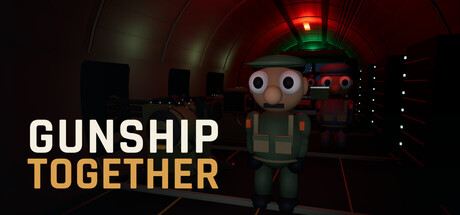 Gunship Together Dev only | AI has been utilized to assist with primarily backend systems like the netcode etc. The game's vision and most content are made directly by me. | TheLaw | - | Oct 12, 2026 | |
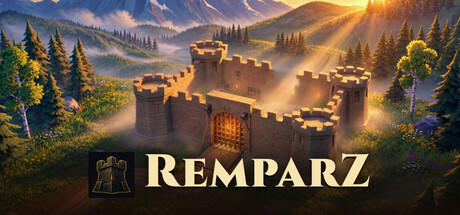 RemparZ In-game content artaudiotext | The intro cinematic and the artwork taken from it (used on this store page) were generated with AI video tools from the game's own 3D models, as were some illustrations and icons of the interface. The soundtrack was composed with an AI music tool, and the translations were made with AI assistance. No AI generates content while you play. | iFredZ | - | Oct 12, 2026 | |
 OUTIS In-game content codetext | Generative AI was used to help write the Python code that generates the game's 3D models and synthesized sounds, and to assist with localization. | OUTIS | - | Oct 12, 2026 | |
 Autonomous System Zero In-game content artaudio | Generative AI tools were used to create music and visual artwork, including store and promotional images. These assets were generated before release and selected by the developer. No AI content is generated during gameplay. | OneManSprint | - | Oct 12, 2026 | |
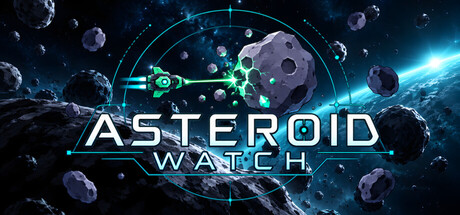 Asteroid Watch Store/marketing art | Generative AI tools were used to assist with the creation and refinement of selected visual assets and promotional materials for Asteroid Watch. All AI-assisted content is reviewed, edited, and integrated by the developer to ensure consistency with the game's visual style and overall design. | Umit Canbolat | - | Oct 12, 2026 | |
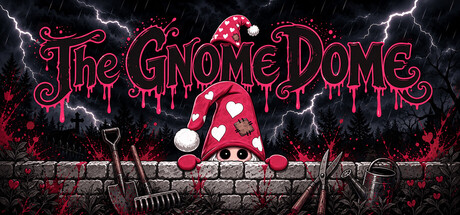 Gnome Dome Dev only codetext | Generative AI was used as a development assistance tool during the creation of GNOME DOME, including help with gameplay logic, Unreal Engine/Blueprint development, debugging, writing, and concept development. All AI-assisted work was reviewed, edited, and implemented by the developer. Generative AI is not used to create content dynamically during gameplay. | TheHiddenRedPanda | - | Oct 12, 2026 | |
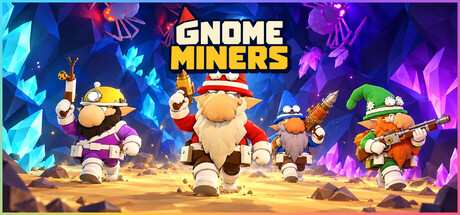 Gnome Miners In-game content arttextcode | Some pre-generated content was made with AI tools: the store key art and capsule images, the localization into 19 languages, and parts of the in-game and store text. 3D models, sound effects and achievement icons are built procedurally by code written with AI assistance. No AI-generated content is created live while you play. | LonhosGames | - | Oct 12, 2026 | |
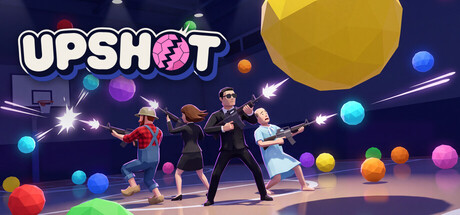 UPSHOT Store/marketing art | AI tools were used to help prepare sketches for the store capsule artwork. | Wazang Games | - | Oct 12, 2026 | |
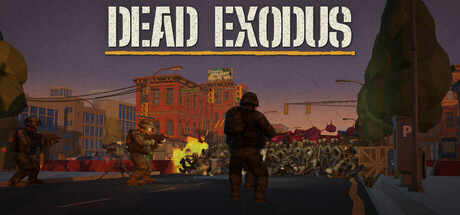 Dead Exodus Unclear | AI Disclosure:
This game was made with the help of Artificial Intelligence LLM Models. The studio takes transparency seriously, so if the community would like to ask questions, get clarity, or voice concerns over this, please reach out to the development team on our Discord or launch website. | Shambler Studios | - | Oct 12, 2026 | |
 Endless Survival World In-game content art | AI was used to create a handful of static images within the game as the developer had no other options at the time. All of this will be replaced as soon as possible. | Novus Astra | - | Oct 12, 2026 | |
 Fully Funded In-game content text | Some content was made with generative AI: the game's logo, and much of the in-game writing (tutorial text, shop item names and descriptions, and other on-screen text), which was drafted with an AI assistant and edited by the developer. Parts of this store page were written the same way. Everything else - rooms, props, characters, sound and gameplay - is made procedurally in code or comes from CC0 asset kits. Nothing is generated by AI while you play. | PTL Studios | - | Oct 12, 2026 | |
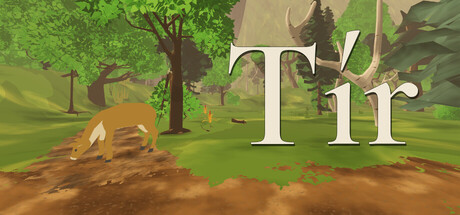 Tír Store/marketing textart | Just help with the marketing material drafts | Sons of Dagda | - | Oct 12, 2026 | |
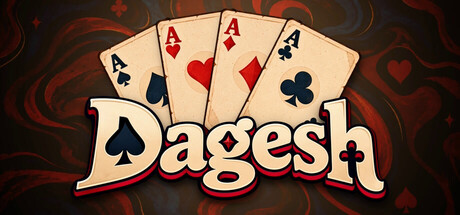 Dagesh In-game content art | Generative AI was used during development to assist with the creation and refinement of selected visual assets and promotional artwork. All AI-assisted content was reviewed and edited by the development team before being included in the game or store materials. The game does not use generative AI to create content during gameplay. | Buggy Code | - | Oct 10, 2026 | |
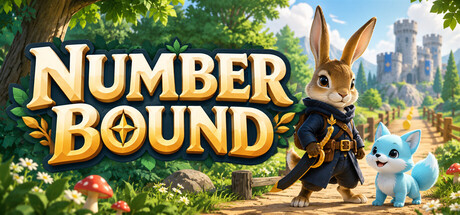 Number Bound In-game content art | Used Ai to generate a NPC of my daughter Princess Octavia, Also used it to implement bought assets from epic store. Used to generate capsules for steam page. | Aaron C | - | Oct 10, 2026 | |
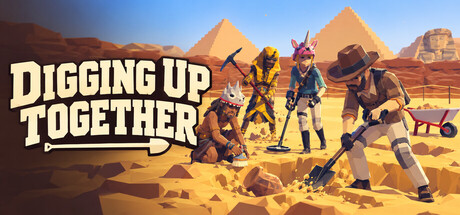 Digging Up Together Store/marketing art | It has been used in the page visuals and logo. | cnsgames | - | Oct 10, 2026 | |
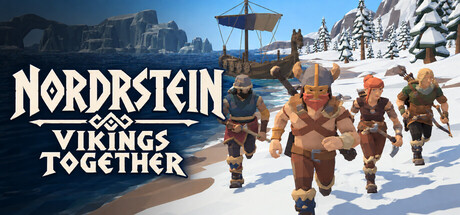 Nordrstein: Vikings Together Store/marketing art | It has been used in the page visuals and logo. | cnsgames | - | Oct 10, 2026 | |
 Halaskargazi In-game content artaudiotext | Generative AI tools were used during development to create certain content included with the game:
Visual Art: Store/capsule art, character portraits, icons, UI illustrations, map visuals, and textures.
Audio: Narrator voiceovers generated using text-to-speech (TTS) tools, and select ambient sounds.
Music: A portion of the in-game music was generated using AI music tools. | Sinan Soyalıç | - | Oct 10, 2026 | |
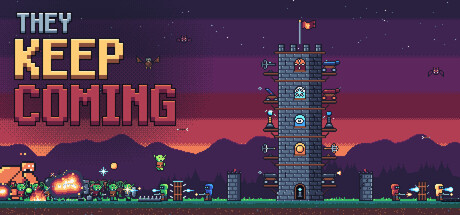 They Keep Coming In-game content artcode | AI tools helped us write parts of the game's code and create some of its art. No content is generated by AI while you play. | McHunter Studio | - | Oct 10, 2026 | |
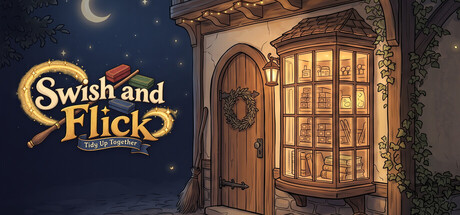 Swish and Flick: Tidy Up Together In-game content artaudio | The game is made by a single developer, with help from two friends. I used generative AI for some of the artwork (backgrounds, portraits, icons, book covers, record sleeves, skies) and for some of the music, selecting, editing and integrating every asset by hand. 3D models were bought from their creators, taken from free libraries or made in Blender, and sound effects come from free sound libraries: all authors are credited in the game. | Sylvanus | - | Oct 10, 2026 | |
 Table Night Live AI text | Table Night has an optional AI LLM game master: if the host turns it on with their own AI account, a language model narrates the match and judges what players write, while the game rolls the dice and decides every result. The AI is instructed to keep everything suitable for teens. Players' text is sent to the host's AI provider, and any table can be played with a human game master or none instead. | External Call | - | Oct 10, 2026 | |
 Seasonal Reset: Christmas Edition In-game content audio | AI generated the music for this game | Budder Technology LLC | - | Oct 10, 2026 | |
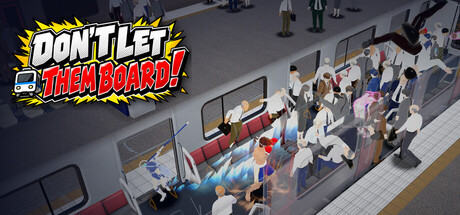 DON'T LET THEM BOARD! In-game content arttext | Generative AI was used to create some of the game's content. The illustrations and the characters (character designs and artwork and models) were created with the help of generative AI tools, then selected, edited and integrated by the developer. Some English localization text (UI and character descriptions) and the store page description were also drafted with an AI assistant and reviewed and edited by the developer. The game does not generate any content with AI while it is running. | Nakaday | - | Oct 10, 2026 | |
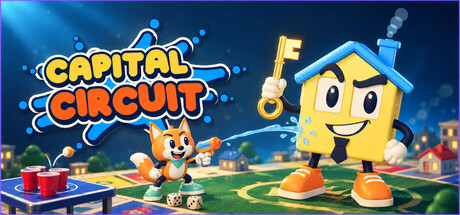 Capital Circuit In-game content textart | This game contains pre-generated content only: no AI generates content during gameplay. The game's translations (English, German, Italian, Spanish) and the store page texts were produced with the help of AI tools, then reviewed. All in-game visuals are rendered from the game's own 3D models. | MLG Productions | - | Oct 10, 2026 | |
 Last Call: Bar Simulator In-game content arttextaudio | Generative AI was used to create promotional store artwork and assist with written store descriptions. The game includes Midnight Cocktails, an instrumental background-music track created with Suno. It contains no sung or spoken words. | Marji Development Studio | - | Oct 10, 2026 | |
 Isekai Reborn Girl In-game content art | AI was used during development to create some of the game's visual artwork and graphical assets. The AI-generated assets are pre-generated and included as static content in the game. No AI content is generated during gameplay, and the game does not connect to or use an AI service at runtime. | Isekai Reborn Girl 製作委員会 | - | Oct 10, 2026 | |
 Hell Control Store/marketing arttext | Generative AI tools were used to help create promotional artwork and Steam store page text. This content was prepared in advance. The game does not use generative AI or connect to external AI services during gameplay. | RokuGo Studio | - | Oct 10, 2026 | |
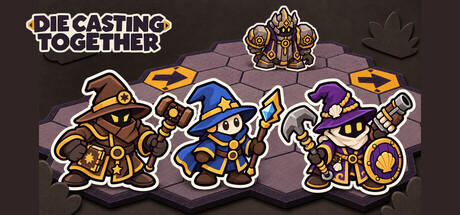 Die Casting Together In-game content art | Character, enemy, and terrain sprites and the key art were produced with AI image tools from our own concept art and style references, then selected, corrected, and composited by hand. All game rules, code, writing, board layout, and interface art are made by the developer without generative AI at runtime. The game does not generate content with AI while you play. | KANTH Games | - | Oct 10, 2026 | |
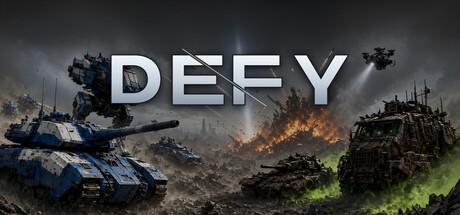 DEFY Store/marketing art | Some of the store capsule and key art was created with AI image generation tools and then edited by our team. | The Real Z Studios | - | Oct 10, 2026 | |
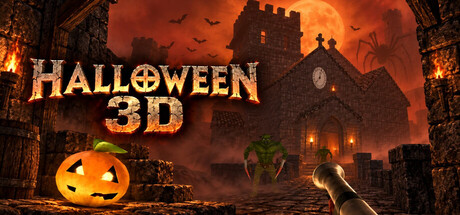 Halloween 3D Store/marketing arttext | Store page capsule art, library artwork and some store page text were created with the help of AI tools and reviewed by the developer. The game does not generate any content with AI while playing. | jmApp | - | Oct 10, 2026 | |
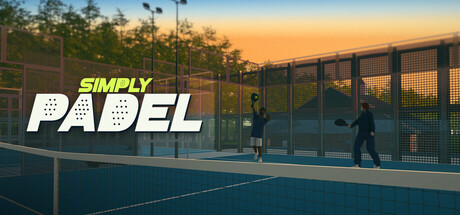 Simply Padel In-game content text | The game's interface translations were made with AI translation tools, and AI tools helped draft some store page text. The game's art, animation, audio and gameplay were not made with generative AI, and no AI content is generated while you play. | Avzilabs | - | Oct 10, 2026 | |
 Follow Suit In-game content artcode | AI was used to help generate code and as a tool to troubleshoot it. The poker chip images on the seat badges, and the achievement icons built from them, were generated with an image model from prompts written for this game, then prepared and finished by hand. Nothing is generated while the game runs. | Follow Suit | - | Oct 10, 2026 | |
 Desktop Farm In-game content arttext | A small amount of text, images, and multilingual content used AI assistance. | CXCY | - | Oct 10, 2026 | |
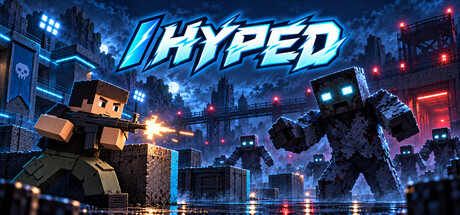 Hyped Store/marketing art | Generative AI was used to create some promotional artwork. | Nick | - | Oct 10, 2026 | |
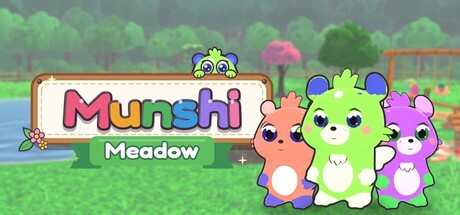 Munshi Meadows In-game content artaudiocode | Some of this game's code, art and music were made with the help of an AI assistant. Everything was reviewed, edited and assembled by hand, and no content is generated while you play. | Drangus Studios | - | Oct 10, 2026 | |
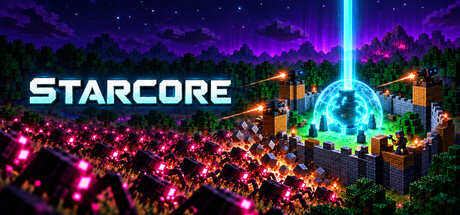 Starcore In-game content arttextaudio | Some artwork and promotional images, dialogue, synthesized character voices, and sound effects were created with generative AI tools during development. These are pre-generated, fixed assets. No content is generated by AI during gameplay, and the game does not connect to third-party AI services while you play. | Eternium Forge Studios | - | Oct 10, 2026 | |
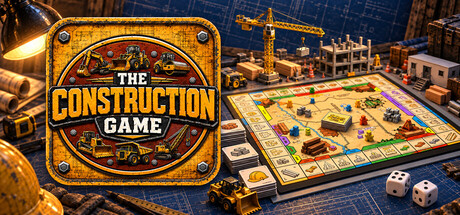 The Construction Game Store/marketing artcode | Generative AI tools assisted with programming and development of The Construction Game and were used to create some promotional images. The game does not use generative AI to create content during gameplay. | Alexander Fervan | - | Oct 10, 2026 | |
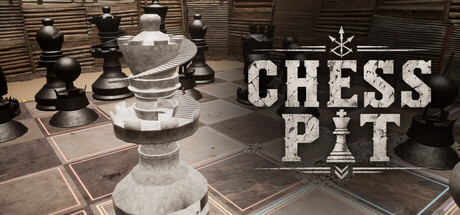 Chess Pit Unclear | Placeholder clothing and logo. | Gregory Eggathy | - | Oct 10, 2026 | |
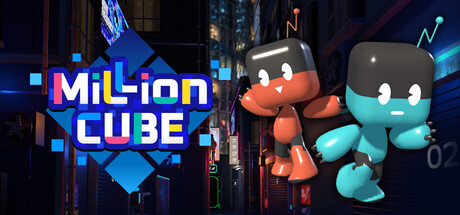 MillionCube In-game content artaudiotextcode | Some assets in this game were created with the assistance of generative AI tools. All AI-assisted assets were reviewed, edited, and integrated into the game by our team. | PushForward | - | Oct 10, 2026 | |
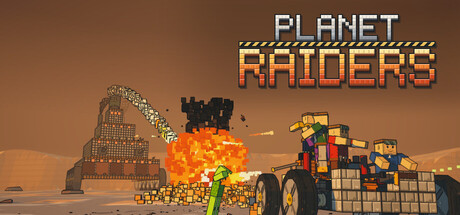 Planet Raiders Unclear | AI tools were used during development to help create some of the game's content. Everything was reviewed, edited and put together by our team. | Moddingdudes | - | Oct 10, 2026 | |
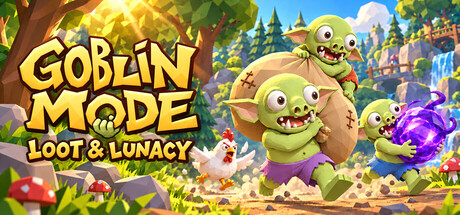 Goblin Mode: Loot & Lunacy In-game content artcode | Generative AI tools were used during development to assist in the creation of 3D models and other visual assets. AI-assisted development tools were also used extensively for programming and implementation. All generated and AI-assisted content was reviewed, directed, and integrated by the developer. No generative AI is used at runtime. | Boreder | - | Oct 9, 2026 | |
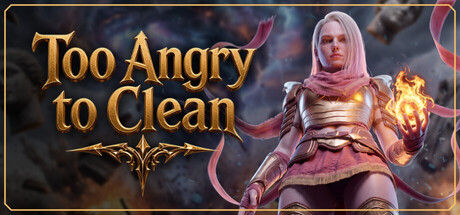 Too Angry to Clean Store/marketing text | AI tools were used to translate the store page text and some localizations. All in-game art, 3D models, animations, music and sound effects are not AI-generated. | Grim Page Studio | - | Oct 9, 2026 | |
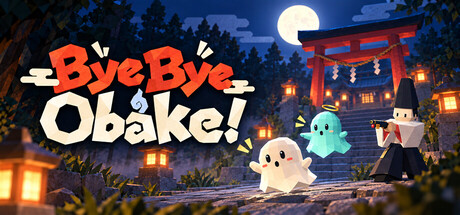 ByeByeObake! In-game content arttextcodeaudio | Generative AI tools were used extensively throughout development. Most of the game's visual content, user interface, written text, audio, narrative and localization, and program code were created with the assistance of generative AI, then selected, edited, integrated, and refined by the developer. Generative AI is used only during development. The game does not connect to AI services or generate content in real time during gameplay. | おまど | - | Oct 9, 2026 | |
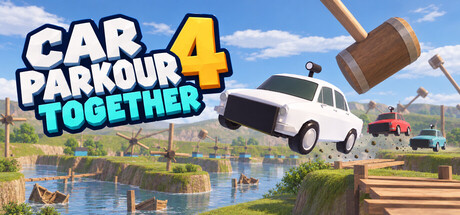 Car Parkour 4 Together Store/marketing art | It has been used in the page visuals and logo. | cnsgames | - | Oct 9, 2026 | |
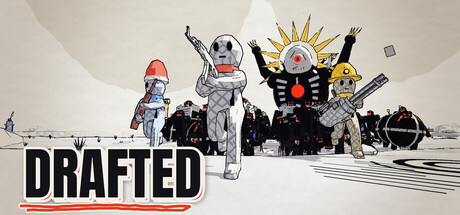 DRAFTED Dev only | During development we used procedural and AI-assisted tools to help create some content. The game does not generate any content with AI while you play. | Brady Kearley | - | Oct 9, 2026 | |
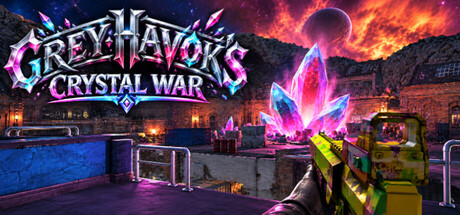 Grey Havok's Crystal War Store/marketing | This game uses AI for its store page assets as well as during developing the game. | Waffle Street Games | - | Oct 9, 2026 | |
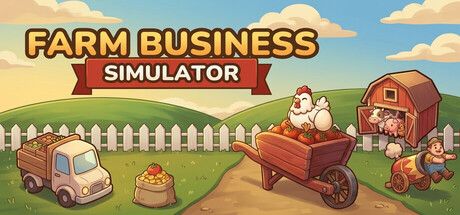 Farm Business Simulator In-game content art | Some of the images on our store page were created by artificial intelligence and edits were made on the images. and some images in the game were made by artificial intelligence. | Gun&Don | - | Oct 9, 2026 | |
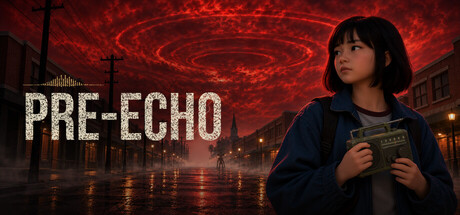 PRE-ECHO In-game content artaudiotext | Some content in PRE-ECHO was created with the help of generative AI tools during development and was then integrated, adjusted and art-directed by the developer:
- 3D models: the character and creature models, and many prop and vehicle models, were generated with Tripo from original reference images made for this project, then rigged, adjusted and textured in Blender and Unreal Engine.
- 2D art: some textures and interface images (such as the main-menu background, the workshop investigation board, journal and map paper, and inventory icons) were generated with image-generation tools from original prompts.
- Voices: all spoken lines are synthesized with the open-source Kokoro text-to-speech model using generic voices. No real person's voice was recorded or cloned.
- Text: the script, in-game text and English/Spanish localization were written with an AI assistant under the developer's direction.
- Store art: the store and library artwork was generated with AI image tools from the project's own character and creature references, then retouched by the developer. The logo was made without AI. The screenshots are unedited captures of the game.
No content is generated by AI while the game is running. | Simulsix | - | Oct 9, 2026 |


