Public Steam disclosure research25,380 disclosures tracked
Where do games disclose AI use?
Search developers’ Steam disclosures, compare classified AI use across
games, and follow recorded changes.
This index adds cross-game classifications and statistics to
statements published on individual store pages.
Groups reflect automatic analysis of public disclosures; mature records are excluded. These counts do not measure AI use across all of Steam.
Missing or unclear statements cannot establish whether a game uses AI.
Services claiming copyright protection/indemnification: None. I do not use any third-party copyright filtering, detection, or indemnification service; the optional local assistant is offline and restricted to in-game data only.
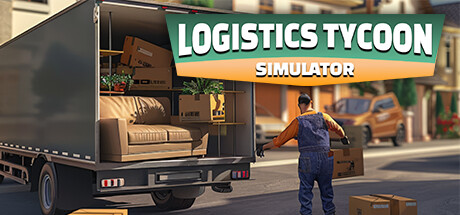
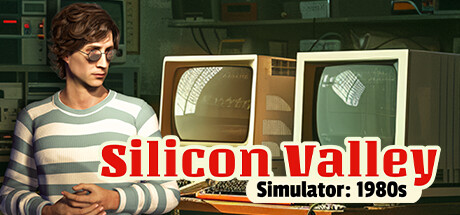
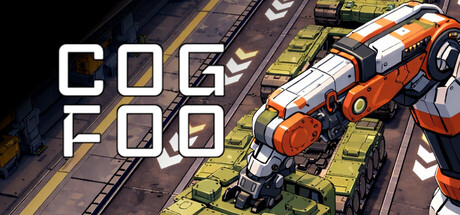
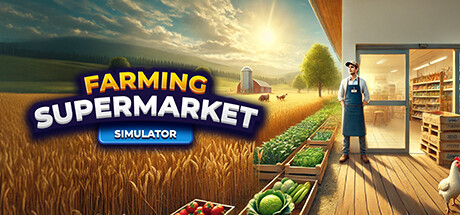
The images of the game on Steam (not screenshots) are made partly with the help of AI, but are heavily modified manually by the artist.
Also, translation into all languages except Russian was created using AI.
The Game store page's art work is generated using AI
The commercial Generative Image Generator model guarantee that images are not copyrighted material?
The game uses some AI generated images for some of the products in our game, they are also used for some set dressing in the game world. These images are heavily modified after they are generated to match the style of the game but we want to have full disclosure that we used AI imagery in different places in the game and that we intend to replace if not all most of them by the time we have a full release.
The DreamForge allows players to generate their own 3D models in-game using a text prompt. This tool is a simple way for players to create their own 3D models, but we’re still making DreamWorld’s 3D models using a traditional art pipeline. As of now, non-English language support has been generated through usage of AI models, but has been reviewed by our team thoroughly.
Initial concept art was generated using AI tools, followed by manual adjustments and modifications by artists. The final artwork combines AI-generated base designs with human-made artistic revisions.
All voice recordings in the game are performed by a human, but AI Speech to Speech synthesis is used on some dialogue to provide more variety to the voices present in the game. Text to Speech synthesis is not used.
AI is not used to create any other call content, including in the writing of calls, which are all written by humans.
The game build of Hawthorn does not include generative AI content. Due to lack of resources and funding, early marketing materials are in use that were created with a mix of generative AI and human art. However, NEARstudios is actively working to replace those promotional materials. Hawthorn will not ship with generative AI content.
Some of the images on our store page were created by artificial intelligence and edits were made on the images. and some images in the game were made by artificial intelligence.
The use of AI for some of the UI in the game
The use of AI to help detect bugs in the code
The use of AI for some of the artwork in the store page
The use of AI for store page descriptions
The use of AI for in game and store page logos/Icons
There is a radio station that put on air AI generated songs, random generated NPCs have access database of pre-generated topics of discussions, there are collectable lost media VHS featuring short experimental films made with AI generated and real footage
1) Some graphical assets and sounds in the game have been pre-produced using AI.
2) In the Quest Authoring tool, players can decide whether or not to use AI to work with.
Some art assets, mainly the store page, have been originally created with the use of image generation AI. Which then have gone through manual editing to apply enhancements and branding such as logos or text. Masking and cleanup have also been applied by hand to remove unwanted elements and/or apply the required dimension changes.
The reason for the usage of image generation AI for art assets are the following:
- Cut the team cost for art commissions. Art is a minimal focus of this game.
- Accurately portray the main artistic vision for the game, which in this case is minimalism. Image generation has helped to reach this goal of art assets reflecting the artistic nuances the game aims for the player to "feel".
Players are able to have free-form conversations with NPCs. We also use generative AI for item data, quest generation, NPC memory and decision-making, crafting recipes, in-game events, game logic, and more.
This game features pre-rendered AI-generated art. Using this art is optional, and not required. If you're an artist you can freely import or draw your own art in the game.
Library Of Lyria will not contain any AI-generated content!
As we believe it is very important to have an honest relationship with our community, we will not make any secret of the fact that we used some AI content as placeholders during the very early stages of development.
Handcrafted content is our top priority, and so our game will not contain any AI content!
Certain visual UI components were initially generated as primitive draft concepts using AI-assisted tools and were subsequently heavily edited, reworked, and finalized by a sole human designer.
AI was not used in the development of any gameplay mechanics, systems, logic, or non-UI content. All such elements were entirely designed and implemented by a sole human developer.
Services claiming copyright protection/indemnification: None. I do not use any third-party copyright filtering, detection, or indemnification service; the optional local assistant is offline and restricted to in-game data only.
The images of the game on Steam (not screenshots) are made partly with the help of AI, but are heavily modified manually by the artist.
Also, translation into all languages except Russian was created using AI.
The Game store page's art work is generated using AI
The commercial Generative Image Generator model guarantee that images are not copyrighted material?
The game uses some AI generated images for some of the products in our game, they are also used for some set dressing in the game world. These images are heavily modified after they are generated to match the style of the game but we want to have full disclosure that we used AI imagery in different places in the game and that we intend to replace if not all most of them by the time we have a full release.
The DreamForge allows players to generate their own 3D models in-game using a text prompt. This tool is a simple way for players to create their own 3D models, but we’re still making DreamWorld’s 3D models using a traditional art pipeline. As of now, non-English language support has been generated through usage of AI models, but has been reviewed by our team thoroughly.
Initial concept art was generated using AI tools, followed by manual adjustments and modifications by artists. The final artwork combines AI-generated base designs with human-made artistic revisions.
All voice recordings in the game are performed by a human, but AI Speech to Speech synthesis is used on some dialogue to provide more variety to the voices present in the game. Text to Speech synthesis is not used.
AI is not used to create any other call content, including in the writing of calls, which are all written by humans.
The game build of Hawthorn does not include generative AI content. Due to lack of resources and funding, early marketing materials are in use that were created with a mix of generative AI and human art. However, NEARstudios is actively working to replace those promotional materials. Hawthorn will not ship with generative AI content.
Some of the images on our store page were created by artificial intelligence and edits were made on the images. and some images in the game were made by artificial intelligence.
The use of AI for some of the UI in the game
The use of AI to help detect bugs in the code
The use of AI for some of the artwork in the store page
The use of AI for store page descriptions
The use of AI for in game and store page logos/Icons
There is a radio station that put on air AI generated songs, random generated NPCs have access database of pre-generated topics of discussions, there are collectable lost media VHS featuring short experimental films made with AI generated and real footage
1) Some graphical assets and sounds in the game have been pre-produced using AI.
2) In the Quest Authoring tool, players can decide whether or not to use AI to work with.
Some art assets, mainly the store page, have been originally created with the use of image generation AI. Which then have gone through manual editing to apply enhancements and branding such as logos or text. Masking and cleanup have also been applied by hand to remove unwanted elements and/or apply the required dimension changes.
The reason for the usage of image generation AI for art assets are the following:
- Cut the team cost for art commissions. Art is a minimal focus of this game.
- Accurately portray the main artistic vision for the game, which in this case is minimalism. Image generation has helped to reach this goal of art assets reflecting the artistic nuances the game aims for the player to "feel".
Players are able to have free-form conversations with NPCs. We also use generative AI for item data, quest generation, NPC memory and decision-making, crafting recipes, in-game events, game logic, and more.
This game features pre-rendered AI-generated art. Using this art is optional, and not required. If you're an artist you can freely import or draw your own art in the game.
Library Of Lyria will not contain any AI-generated content!
As we believe it is very important to have an honest relationship with our community, we will not make any secret of the fact that we used some AI content as placeholders during the very early stages of development.
Handcrafted content is our top priority, and so our game will not contain any AI content!
Certain visual UI components were initially generated as primitive draft concepts using AI-assisted tools and were subsequently heavily edited, reworked, and finalized by a sole human designer.
AI was not used in the development of any gameplay mechanics, systems, logic, or non-UI content. All such elements were entirely designed and implemented by a sole human developer.