Public Steam disclosure research25,497 disclosures tracked
Where do games disclose AI use?
Search developers’ Steam disclosures, compare classified AI use across
games, and follow recorded changes.
This index adds cross-game classifications and statistics to
statements published on individual store pages.
Groups reflect automatic analysis of public disclosures; mature records are excluded. These counts do not measure AI use across all of Steam.
Missing or unclear statements cannot establish whether a game uses AI.
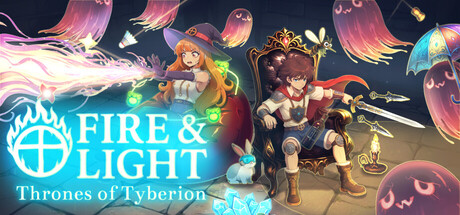
AI makes a lot of things easier for drawing, 3D, animation, code, music... but I don't use AI to avoid having to work, nor in place of my imagination: I create the lore, the character designs, the enemies and bosses, the powers and their combined effects, I write the dialogues myself and even the song lyrics.
In short, I don't use AI to create, but to produce with the means I have (I document all of this in the YouTube devlog.) And the more Tyberion takes shape, the more I replace AI assets with handmade assets.
Some non-player character voices are generated using AI voice synthesis. This allows for faster iteration and more immersive atmosphere during development. No gameplay, narrative choices, or in-game content are generated by AI.
Use AI-generated images and convert them into paintings to use as concept art for the main menu and in-game simulated advertising images.
Use AI to create images for in-game currency.
Use ChatGPT to create lyrics for the theme song.
“Don’t Hang Up” uses generative AI voice technology (via ElevenLabs) to bring the anonymous phone calls to life. These AI-generated voices enhance immersion and help deliver the story in a unique, atmospheric way. No user data is collected or processed by AI systems.
We used AI tools (such as ChatGPT or Claude) to assist to a certain extent with C++ and Blueprint scripting during development. No AI-generated content is present in the final game assets. All visual, audio, and narrative content was created by the development team.
This game uses AI-generated content created with ChatGPT and Bing Image Creator. AI was used to help write store page text, promotional material, and generate some illustrative images. No AI is used in the game's real-time execution or gameplay code.
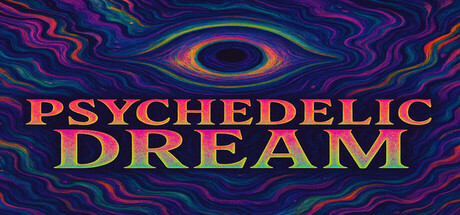
Psychedelic Dream does not use artificial intelligence as an interactive feature for the player.
The game contains no systems that allow the player to generate text, images, voices, or any other content through AI. All elements in the game are pre-produced and static.
Any AI-generated images used during development (such as certain backgrounds or textures) are static, manually edited, and not affected by player actions. The player has no direct contact with or influence over any AI system in the game.
In short: The game does not use AI in any way that impacts the player's experience or gives them the ability to generate content themselves.
The promotional video in the game uses MIDJOURNEY to generate keyframe images and AI video generation software to synthesize animated videos of "past events" in the game. In the inspiration for building some game models, AI concept image production experiments were used
Artificial intelligence was used to pre-generate texts about objects (e.g. dinosaurs), assist in building the shop page, and create a few AI-generated images in the game.
The game is created by myself.
Hand made logic, scripting, scenario, animation and music.
As a solo developer, AI was carefully used to help me creating only 3D models and some illustrations.
AI tools were used to create some videos, paint characters, scenarios and weapons, as well as to correct texts and help identify difficult bugs. All AI-generated material was manually reviewed to ensure quality and consistency with the project.
Some visual assets in the game were created using Adobe Firefly, a generative AI tool.
These AI-generated images are used for visual decoration only and do not affect gameplay mechanics or behavior.
Do you use AI to generate pre-rendered content for your game, its store page, marketing materials, and/or community assets?
Yes, I've used AI to generate the images (logo, banner) for the store page.
------------------
In my game, I use AI to generate voice lines. For example, when a player presses a specific key (shortcut), it triggers an audio file that was created using AI-generated voice.
AI should not take away people's jobs and turn paintings into posters, which is why DarkShine is developed as much as possible by human hands and their exuberant artistic impulses. In some rare moments, such as improving blurred textures and mechanical issues, it acts as an assistant where it is necessary to write a complex system with complex and comprehensive code without involving highly paid specialists. The majority of the game is the work of a living person with all their small achievements and mistakes.
Some of the game's visual assets, including concept art and the cover image, were generated with the help of AI tools and then manually edited to fit the game's style.
Only capsule images (capsules, banners, logo) were partially generated with AI.
All assets were manually edited to meet commercial and copyright standards.
Yes, I use artificial intelligence to generate pre-rendered content in my game. More specifically, I use AI to create the official posters for the game, which are used for visual communication (promotion, cover art, storefront elements, etc.).
Some visual elements, such as button icons and store page artwork, were created using AI-assisted tools. These assets were edited and customized to fit the game’s style. No gameplay content or story elements were generated by AI.
During our development process, we utilized generative AI as a powerful tool in areas such as 3D modeling and character design. All AI-assisted content in our game was finalized and integrated by our team as static assets before the game's release. No real-time or dynamic content is generated by AI during gameplay. This technology helped our team bring our game world to life more efficiently and creatively.
Some 3D models and sound effects in this game were created using AI tools. These assets were edited and integrated into the game by the developer. No real-time AI content generation is used in gameplay.
AI makes a lot of things easier for drawing, 3D, animation, code, music... but I don't use AI to avoid having to work, nor in place of my imagination: I create the lore, the character designs, the enemies and bosses, the powers and their combined effects, I write the dialogues myself and even the song lyrics.
In short, I don't use AI to create, but to produce with the means I have (I document all of this in the YouTube devlog.) And the more Tyberion takes shape, the more I replace AI assets with handmade assets.
Some non-player character voices are generated using AI voice synthesis. This allows for faster iteration and more immersive atmosphere during development. No gameplay, narrative choices, or in-game content are generated by AI.
Use AI-generated images and convert them into paintings to use as concept art for the main menu and in-game simulated advertising images.
Use AI to create images for in-game currency.
Use ChatGPT to create lyrics for the theme song.
“Don’t Hang Up” uses generative AI voice technology (via ElevenLabs) to bring the anonymous phone calls to life. These AI-generated voices enhance immersion and help deliver the story in a unique, atmospheric way. No user data is collected or processed by AI systems.
We used AI tools (such as ChatGPT or Claude) to assist to a certain extent with C++ and Blueprint scripting during development. No AI-generated content is present in the final game assets. All visual, audio, and narrative content was created by the development team.
This game uses AI-generated content created with ChatGPT and Bing Image Creator. AI was used to help write store page text, promotional material, and generate some illustrative images. No AI is used in the game's real-time execution or gameplay code.
Psychedelic Dream does not use artificial intelligence as an interactive feature for the player.
The game contains no systems that allow the player to generate text, images, voices, or any other content through AI. All elements in the game are pre-produced and static.
Any AI-generated images used during development (such as certain backgrounds or textures) are static, manually edited, and not affected by player actions. The player has no direct contact with or influence over any AI system in the game.
In short: The game does not use AI in any way that impacts the player's experience or gives them the ability to generate content themselves.
The promotional video in the game uses MIDJOURNEY to generate keyframe images and AI video generation software to synthesize animated videos of "past events" in the game. In the inspiration for building some game models, AI concept image production experiments were used
Artificial intelligence was used to pre-generate texts about objects (e.g. dinosaurs), assist in building the shop page, and create a few AI-generated images in the game.
The game is created by myself.
Hand made logic, scripting, scenario, animation and music.
As a solo developer, AI was carefully used to help me creating only 3D models and some illustrations.
AI tools were used to create some videos, paint characters, scenarios and weapons, as well as to correct texts and help identify difficult bugs. All AI-generated material was manually reviewed to ensure quality and consistency with the project.
Some visual assets in the game were created using Adobe Firefly, a generative AI tool.
These AI-generated images are used for visual decoration only and do not affect gameplay mechanics or behavior.
Do you use AI to generate pre-rendered content for your game, its store page, marketing materials, and/or community assets?
Yes, I've used AI to generate the images (logo, banner) for the store page.
------------------
In my game, I use AI to generate voice lines. For example, when a player presses a specific key (shortcut), it triggers an audio file that was created using AI-generated voice.
AI should not take away people's jobs and turn paintings into posters, which is why DarkShine is developed as much as possible by human hands and their exuberant artistic impulses. In some rare moments, such as improving blurred textures and mechanical issues, it acts as an assistant where it is necessary to write a complex system with complex and comprehensive code without involving highly paid specialists. The majority of the game is the work of a living person with all their small achievements and mistakes.
Some of the game's visual assets, including concept art and the cover image, were generated with the help of AI tools and then manually edited to fit the game's style.
Only capsule images (capsules, banners, logo) were partially generated with AI.
All assets were manually edited to meet commercial and copyright standards.
Yes, I use artificial intelligence to generate pre-rendered content in my game. More specifically, I use AI to create the official posters for the game, which are used for visual communication (promotion, cover art, storefront elements, etc.).
Some visual elements, such as button icons and store page artwork, were created using AI-assisted tools. These assets were edited and customized to fit the game’s style. No gameplay content or story elements were generated by AI.
During our development process, we utilized generative AI as a powerful tool in areas such as 3D modeling and character design. All AI-assisted content in our game was finalized and integrated by our team as static assets before the game's release. No real-time or dynamic content is generated by AI during gameplay. This technology helped our team bring our game world to life more efficiently and creatively.
Some 3D models and sound effects in this game were created using AI tools. These assets were edited and integrated into the game by the developer. No real-time AI content generation is used in gameplay.