Public Steam disclosure research25,508 disclosures tracked
Where do games disclose AI use?
Search developers’ Steam disclosures, compare classified AI use across
games, and follow recorded changes.
This index adds cross-game classifications and statistics to
statements published on individual store pages.
Groups reflect automatic analysis of public disclosures; mature records are excluded. These counts do not measure AI use across all of Steam.
Missing or unclear statements cannot establish whether a game uses AI.
This game's development made partial use of generative AI tools. Generative AI (ChatGPT and ElevenLabs' image generation features) was used to create some artwork, including the title screen and field background images, the title logo, and some of the special clover and UI icons. ElevenLabs' audio generation features were used for the BGM and sound effects. Generative AI was also used to help localize the game into languages other than Japanese (English, Simplified Chinese, Traditional Chinese, Korean, Russian, Spanish, Brazilian Portuguese, German, and French). All AI-generated assets and translations were reviewed and adjusted by the developer before being incorporated into the game.
Lumenfall is built by a small studio using AI-assisted development tools. Some pre-generated content — including portions of the game's code, the store page text, and the 2D promotional/capsule artwork and achievement icons — was created with the help of AI tools, always under human direction and review. The game does not generate any content with AI at runtime; everything you play is fixed, hand-tuned content.
Some temporary horror sound effects and vocal effects in this game were created using generative AI tools during development. These assets have been reviewed and integrated by the developer. As development continues and resources become available, these temporary AI-generated audio assets may be replaced with recordings created by professional voice actors and sound engineers to further enhance the game's atmosphere and realism.
Some visual assets and references in the game were created or assisted with generative AI tools, then manually reviewed, edited, and implemented by the developer. The game does not use generative AI during gameplay and does not generate dynamic AI content for players.
Generative AI was used during development to assist in creating some pre-generated visual assets for the game and its promotional materials, as well as parts of the English localization. All AI-assisted content was reviewed by the developer and edited where necessary. No content is generated by AI while the game is running.
Many of the art assets used at this stage are AI-generated placeholders, including most of the card artwork. These AI assets help depict the overall creative style and vision that will be achieved in the full release. A Kickstarter campaign will be dedicated to raising the funds to replace the AI placeholder art.
All of the sound design, music, text and game code is entirely human-created.
Some illustrations and background art were pre-generated using AI image tools, then manually curated, edited, and tone-matched by the developer. All game text, game design, and code are human-authored. The game does not generate any content with AI at runtime.
THE UNSHARED uses pre-rendered AI-generated assets: the CURATOR's voice (Kokoro-82M TTS) and two UI images (logo and menu background). No AI content is generated during gameplay.
This game uses generative artificial intelligence as a supporting tool for the creation of some visual and graphic assets, such as the game icon, logo, promotional images, main menu artwork, buttons, and certain visual or typography styles used within the game.
All AI-generated or AI-assisted content was reviewed, edited, and manually selected by the developer before being included in the game. Generative AI is not used during gameplay to create real-time content or to dynamically modify the player experience.
Some 2D character illustrations, backgrounds, and UI elements in this game were created with the help of generative AI tools during development, and then manually edited, refined, and reviewed by the developer.
Some graffiti textures were created using AI, entirely based on our own original game/licensed assets. No copyrighted or third-party materials were used in the process. All AI-generated textures have been manually reviewed, repainted, and edited.
Space Planet Explorer uses generative AI to create assets that ship with the game, including planet surface textures, cinematic sequences, voice narration, and music. All of this content was generated during development — no AI content is generated live during gameplay. Planet visuals are AI-generated interpretations based on real scientific data, not actual NASA photography.
Generative AI is used only to assist with localization and translation of game-related text. No gameplay, artwork, audio, or other player-facing content is generated by AI.
Generative AI tools were used during development and marketing to assist with ideation, drafting, rewriting, and visual exploration for IN & OUT.
All final content included in the game, store page, screenshots, capsules, trailers, and marketing materials is reviewed, selected, edited, and approved by the development team before publication.
The game does not use live-generated AI content at runtime. No player input is sent to an AI service, and no gameplay, puzzle, narrative, visual, audio, or localization content is generated dynamically by AI while the game is running.
No game assets or gameplay content were generated using AI.
Localization into some supported languages was created with AI assistance and reviewed by the developers and community where possible.
Some of this game's assets were created with the assistance of generative AI tools. Character, enemy, and background artwork was created using Stable Diffusion and then manually edited and retouched by the developer. Background music and the ending theme songs were generated using ACE-Step v1.5. All AI-assisted assets were reviewed and curated by the developer. No content is generated by AI during gameplay.
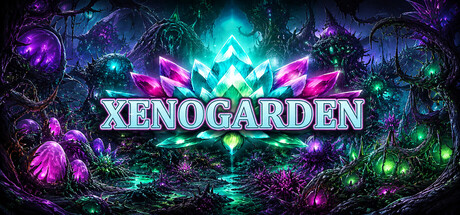
Generative AI-assisted tools were used as part of the development process for Xenogarden.
This includes support in creating and refining selected visual content such as concept art, artwork, textures, marketing materials and store page assets, as well as assistance with text, localization, sound/music ideas and creative drafts.
All content included in the game is pre-generated, selected, reviewed and curated. The game does not generate new AI content during gameplay and does not connect to external AI services during gameplay.
We leverage AI to generate in-game image assets and use Suno AI to create the game’s background music. All AI-generated visual and audio materials have been manually reviewed and edited to ensure compliance with content standards.
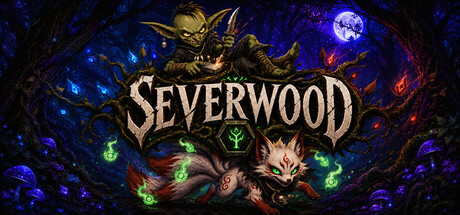
Severwood uses generative AI as part of its development. Many visual assets — including character art, backgrounds, and card illustrations — were created with the assistance of AI image-generation tools, then selected, edited, and assembled by the developer to fit the game's art direction. Some code was written with AI assistance, directed and reviewed by the developer. Game design, writing, planning, and systems are created and directed by the human developer. No AI-generated content is produced live during gameplay; all assets are fixed and were finalized during development.
ElevenLabs was used to create pre-recorded voice-over/narration audio, including some trailer narration.
Some existing promotional/store page images were edited with AI-assisted tools for cleanup, enhancement, and visual polishing. These images were not generated from scratch by AI.
No AI-generated content is generated live during gameplay, and the game does not use live AI systems during play.
- Character photos and video clips shown in the in-game Stories feed were generated using AI tools (image and video generation), then reviewed, edited, and composited by the developer to fit the game's art direction.
- AI-assisted tools were used in parts of the development process.
AI was used as the main tool to code this game, generate assets, and navigate the release processes.
This is the core model of Shadow Games Software. Leveraging AI to do the busy work to free up creative teams to focus more on design, taste, and producing a quality product.
As the 2nd real project for the studio, Idle Energy, heavily used AI during development.
I don't know how to code, and I only speak two languages (both badly, if I'm being honest). To actually get this game running properly and make it playable, I had to use AI as a technical assistant.
I wrestled with the ethics of this because I care deeply about the line between tools and art. If this game makes any money, it will go straight into hiring professional programmers, artists, and translators.
Thank you.
Chrome Circuit is developed by a solo developer who uses generative AI as part of the production pipeline. Character and environment sprite art was created using AI image generation, then processed, edited, and integrated by hand. Portions of the game's code were written with AI assistance under the developer's direction, with all systems designed, reviewed, and tested by the developer. All AI-generated content is created during development ("pre-generated") — the game does not generate any content while you play, and no AI runs on your machine. Game design, writing, and all creative decisions are the work of the developer.
Some store page artwork, promotional artwork, and marketing assets for False Normality were created or assisted using generative AI tools. The game's design, writing direction, rule system, gameplay logic, editing, and final asset selection were created and curated by the developer. False Normality does not use live-generated AI during gameplay.
This project includes limited use of AI generated content. AI tools were used to create certain background imagery and placeholder visual assets during development.
Additionally, AI-assisted tools were utilized in a supplementary capacity during parts of the coding process to support development efficiency.
All AI-generated content has been reviewed, modified, and integrated by the developer to ensure it aligns with the project’s overall quality and artistic direction.
Some static store and marketing assets were created with AI-assisted tools, then reviewed, edited, and integrated by the developer. The game does not generate AI content during gameplay.
Some of this game's assets were created with the assistance of generative AI tools, then curated, edited, and integrated by the developer. This includes art assets such as character portraits, location backgrounds, and promotional artwork, as well as sound. The game's code was written with AI coding tools under the developer's direction. The game's design, systems, writing, and creative direction are human-authored and directed.
Suho's background music was produced with the help of a generative AI music tool, and some store-page text was drafted with AI assistance and edited by a human. We intend to replace the AI-generated music with commissioned, original music. All gameplay, game design, code, and in-game visual art are human-authored or rendered programmatically (not AI-generated), and no AI content is generated live during play - the soundtrack ships as fixed, pre-made audio files.
AI-generated content was used for promotional/store artwork, including capsule and library images. The game build itself does not use generative AI during gameplay.
Generative AI tools were used as an aid in creating this store page description and its translations into each language (all reviewed and edited by the developer).
quietd does not generate any content using AI during gameplay, and it does not connect to any external AI services.
Galaxor uses generative AI tools to support the creation and revision of selected visual content, including icons, artwork, banners, store graphics and marketing materials. Generated content is reviewed, selected and, where necessary, manually adjusted before being used in the game or on the store page. No live-generated AI content is created during gameplay.
Yes, I used AI-assisted tools during the development of this game. They were primarily used for code logic support, translation optimization, and copy polishing. The core gameplay design, art style, level design, and overall player experience were all directed and finalized by me personally. The AI served as a productivity tool, while all creative decisions and implementation choices were made by me.
Some visual assets in this game, including certain character and background art, were created with the assistance of generative AI tools and then reviewed and edited by the developer. All gameplay, code, and design are human-directed. This game does not use AI to generate any content during gameplay.
Some non-gameplay assets in this game (backgrounds, environment and concept art) were created using AI-assisted workflows, specifically: Runecraft AI (in-house workflow), Higgsfield and Pixellabs (select assets). The game's music is produced through studio recordings with live-played instruments; Suno is used supplementarily for optimizations and atmospheric additions. The majority of all game content (characters, sprites and core assets) is hand-crafted; AI is a supplementary tool in the production process. The shipped game does not generate any content at runtime via AI.
Generative AI tools were used during development for photos and videos of characters, as well as for development support such as code suggestions and iteration.
All AI-assisted assets and code are fixed, reviewed, and integrated by the developer prior to release. The game does not use generative AI to produce live or dynamic content, text, images, audio, or code during gameplay.
Even if we prefer manual craft & procedural generation, some 3d Models/Cinematics in this game were created with the assistance of AI generative tools during production. However, think AI more as an automation/interpolation tool to win time and focus on gamers really want: innovative gameplay and FUN!
Generative AI was used to assist in creating certain environmental textures, decorative artwork, and promotional materials. All gameplay systems, programming, level design, puzzles, story, and core game content were created by the developer and manually integrated into the game
Some store page text, marketing copy, and promotional planning materials for Black File were created with assistance from generative AI tools and reviewed, edited, and approved by the development team before publication. The game does not use generative AI to create content during gameplay.
This game uses generative AI ONLY to assist with translations for some supported languages.
Gameplay, puzzles, artwork, characters, and game design are created by the development team.
This game's development made partial use of generative AI tools. Generative AI (ChatGPT and ElevenLabs' image generation features) was used to create some artwork, including the title screen and field background images, the title logo, and some of the special clover and UI icons. ElevenLabs' audio generation features were used for the BGM and sound effects. Generative AI was also used to help localize the game into languages other than Japanese (English, Simplified Chinese, Traditional Chinese, Korean, Russian, Spanish, Brazilian Portuguese, German, and French). All AI-generated assets and translations were reviewed and adjusted by the developer before being incorporated into the game.
Lumenfall is built by a small studio using AI-assisted development tools. Some pre-generated content — including portions of the game's code, the store page text, and the 2D promotional/capsule artwork and achievement icons — was created with the help of AI tools, always under human direction and review. The game does not generate any content with AI at runtime; everything you play is fixed, hand-tuned content.
Some temporary horror sound effects and vocal effects in this game were created using generative AI tools during development. These assets have been reviewed and integrated by the developer. As development continues and resources become available, these temporary AI-generated audio assets may be replaced with recordings created by professional voice actors and sound engineers to further enhance the game's atmosphere and realism.
Some visual assets and references in the game were created or assisted with generative AI tools, then manually reviewed, edited, and implemented by the developer. The game does not use generative AI during gameplay and does not generate dynamic AI content for players.
Generative AI was used during development to assist in creating some pre-generated visual assets for the game and its promotional materials, as well as parts of the English localization. All AI-assisted content was reviewed by the developer and edited where necessary. No content is generated by AI while the game is running.
Many of the art assets used at this stage are AI-generated placeholders, including most of the card artwork. These AI assets help depict the overall creative style and vision that will be achieved in the full release. A Kickstarter campaign will be dedicated to raising the funds to replace the AI placeholder art.
All of the sound design, music, text and game code is entirely human-created.
Some illustrations and background art were pre-generated using AI image tools, then manually curated, edited, and tone-matched by the developer. All game text, game design, and code are human-authored. The game does not generate any content with AI at runtime.
THE UNSHARED uses pre-rendered AI-generated assets: the CURATOR's voice (Kokoro-82M TTS) and two UI images (logo and menu background). No AI content is generated during gameplay.
This game uses generative artificial intelligence as a supporting tool for the creation of some visual and graphic assets, such as the game icon, logo, promotional images, main menu artwork, buttons, and certain visual or typography styles used within the game.
All AI-generated or AI-assisted content was reviewed, edited, and manually selected by the developer before being included in the game. Generative AI is not used during gameplay to create real-time content or to dynamically modify the player experience.
Some 2D character illustrations, backgrounds, and UI elements in this game were created with the help of generative AI tools during development, and then manually edited, refined, and reviewed by the developer.
Some graffiti textures were created using AI, entirely based on our own original game/licensed assets. No copyrighted or third-party materials were used in the process. All AI-generated textures have been manually reviewed, repainted, and edited.
Space Planet Explorer uses generative AI to create assets that ship with the game, including planet surface textures, cinematic sequences, voice narration, and music. All of this content was generated during development — no AI content is generated live during gameplay. Planet visuals are AI-generated interpretations based on real scientific data, not actual NASA photography.
Generative AI is used only to assist with localization and translation of game-related text. No gameplay, artwork, audio, or other player-facing content is generated by AI.
Generative AI tools were used during development and marketing to assist with ideation, drafting, rewriting, and visual exploration for IN & OUT.
All final content included in the game, store page, screenshots, capsules, trailers, and marketing materials is reviewed, selected, edited, and approved by the development team before publication.
The game does not use live-generated AI content at runtime. No player input is sent to an AI service, and no gameplay, puzzle, narrative, visual, audio, or localization content is generated dynamically by AI while the game is running.
No game assets or gameplay content were generated using AI.
Localization into some supported languages was created with AI assistance and reviewed by the developers and community where possible.
Some of this game's assets were created with the assistance of generative AI tools. Character, enemy, and background artwork was created using Stable Diffusion and then manually edited and retouched by the developer. Background music and the ending theme songs were generated using ACE-Step v1.5. All AI-assisted assets were reviewed and curated by the developer. No content is generated by AI during gameplay.
Generative AI-assisted tools were used as part of the development process for Xenogarden.
This includes support in creating and refining selected visual content such as concept art, artwork, textures, marketing materials and store page assets, as well as assistance with text, localization, sound/music ideas and creative drafts.
All content included in the game is pre-generated, selected, reviewed and curated. The game does not generate new AI content during gameplay and does not connect to external AI services during gameplay.
We leverage AI to generate in-game image assets and use Suno AI to create the game’s background music. All AI-generated visual and audio materials have been manually reviewed and edited to ensure compliance with content standards.
Severwood uses generative AI as part of its development. Many visual assets — including character art, backgrounds, and card illustrations — were created with the assistance of AI image-generation tools, then selected, edited, and assembled by the developer to fit the game's art direction. Some code was written with AI assistance, directed and reviewed by the developer. Game design, writing, planning, and systems are created and directed by the human developer. No AI-generated content is produced live during gameplay; all assets are fixed and were finalized during development.
ElevenLabs was used to create pre-recorded voice-over/narration audio, including some trailer narration.
Some existing promotional/store page images were edited with AI-assisted tools for cleanup, enhancement, and visual polishing. These images were not generated from scratch by AI.
No AI-generated content is generated live during gameplay, and the game does not use live AI systems during play.
- Character photos and video clips shown in the in-game Stories feed were generated using AI tools (image and video generation), then reviewed, edited, and composited by the developer to fit the game's art direction.
- AI-assisted tools were used in parts of the development process.
AI was used as the main tool to code this game, generate assets, and navigate the release processes.
This is the core model of Shadow Games Software. Leveraging AI to do the busy work to free up creative teams to focus more on design, taste, and producing a quality product.
As the 2nd real project for the studio, Idle Energy, heavily used AI during development.
I don't know how to code, and I only speak two languages (both badly, if I'm being honest). To actually get this game running properly and make it playable, I had to use AI as a technical assistant.
I wrestled with the ethics of this because I care deeply about the line between tools and art. If this game makes any money, it will go straight into hiring professional programmers, artists, and translators.
Thank you.
Chrome Circuit is developed by a solo developer who uses generative AI as part of the production pipeline. Character and environment sprite art was created using AI image generation, then processed, edited, and integrated by hand. Portions of the game's code were written with AI assistance under the developer's direction, with all systems designed, reviewed, and tested by the developer. All AI-generated content is created during development ("pre-generated") — the game does not generate any content while you play, and no AI runs on your machine. Game design, writing, and all creative decisions are the work of the developer.
Some store page artwork, promotional artwork, and marketing assets for False Normality were created or assisted using generative AI tools. The game's design, writing direction, rule system, gameplay logic, editing, and final asset selection were created and curated by the developer. False Normality does not use live-generated AI during gameplay.
This project includes limited use of AI generated content. AI tools were used to create certain background imagery and placeholder visual assets during development.
Additionally, AI-assisted tools were utilized in a supplementary capacity during parts of the coding process to support development efficiency.
All AI-generated content has been reviewed, modified, and integrated by the developer to ensure it aligns with the project’s overall quality and artistic direction.
Some static store and marketing assets were created with AI-assisted tools, then reviewed, edited, and integrated by the developer. The game does not generate AI content during gameplay.
Some of this game's assets were created with the assistance of generative AI tools, then curated, edited, and integrated by the developer. This includes art assets such as character portraits, location backgrounds, and promotional artwork, as well as sound. The game's code was written with AI coding tools under the developer's direction. The game's design, systems, writing, and creative direction are human-authored and directed.
Suho's background music was produced with the help of a generative AI music tool, and some store-page text was drafted with AI assistance and edited by a human. We intend to replace the AI-generated music with commissioned, original music. All gameplay, game design, code, and in-game visual art are human-authored or rendered programmatically (not AI-generated), and no AI content is generated live during play - the soundtrack ships as fixed, pre-made audio files.
AI-generated content was used for promotional/store artwork, including capsule and library images. The game build itself does not use generative AI during gameplay.
Generative AI tools were used as an aid in creating this store page description and its translations into each language (all reviewed and edited by the developer).
quietd does not generate any content using AI during gameplay, and it does not connect to any external AI services.
Galaxor uses generative AI tools to support the creation and revision of selected visual content, including icons, artwork, banners, store graphics and marketing materials. Generated content is reviewed, selected and, where necessary, manually adjusted before being used in the game or on the store page. No live-generated AI content is created during gameplay.
Yes, I used AI-assisted tools during the development of this game. They were primarily used for code logic support, translation optimization, and copy polishing. The core gameplay design, art style, level design, and overall player experience were all directed and finalized by me personally. The AI served as a productivity tool, while all creative decisions and implementation choices were made by me.
Some visual assets in this game, including certain character and background art, were created with the assistance of generative AI tools and then reviewed and edited by the developer. All gameplay, code, and design are human-directed. This game does not use AI to generate any content during gameplay.
Some non-gameplay assets in this game (backgrounds, environment and concept art) were created using AI-assisted workflows, specifically: Runecraft AI (in-house workflow), Higgsfield and Pixellabs (select assets). The game's music is produced through studio recordings with live-played instruments; Suno is used supplementarily for optimizations and atmospheric additions. The majority of all game content (characters, sprites and core assets) is hand-crafted; AI is a supplementary tool in the production process. The shipped game does not generate any content at runtime via AI.
Generative AI tools were used during development for photos and videos of characters, as well as for development support such as code suggestions and iteration.
All AI-assisted assets and code are fixed, reviewed, and integrated by the developer prior to release. The game does not use generative AI to produce live or dynamic content, text, images, audio, or code during gameplay.
Even if we prefer manual craft & procedural generation, some 3d Models/Cinematics in this game were created with the assistance of AI generative tools during production. However, think AI more as an automation/interpolation tool to win time and focus on gamers really want: innovative gameplay and FUN!
Generative AI was used to assist in creating certain environmental textures, decorative artwork, and promotional materials. All gameplay systems, programming, level design, puzzles, story, and core game content were created by the developer and manually integrated into the game
Some store page text, marketing copy, and promotional planning materials for Black File were created with assistance from generative AI tools and reviewed, edited, and approved by the development team before publication. The game does not use generative AI to create content during gameplay.
This game uses generative AI ONLY to assist with translations for some supported languages.
Gameplay, puzzles, artwork, characters, and game design are created by the development team.