Public Steam disclosure research25,508 disclosures tracked
Where do games disclose AI use?
Search developers’ Steam disclosures, compare classified AI use across
games, and follow recorded changes.
This index adds cross-game classifications and statistics to
statements published on individual store pages.
Groups reflect automatic analysis of public disclosures; mature records are excluded. These counts do not measure AI use across all of Steam.
Missing or unclear statements cannot establish whether a game uses AI.
The art, music, and writing in this game were created with AI tools during development, directed by the developer through written prompts. The development process is documented publicly, prompt by prompt. The shipped game contains no live or runtime AI generation — the in-game assistant “Aya” is a hand-authored, deterministic simulation, and the game makes no network or model calls during play.
This game makes use of generative AI as part of the creative pipeline across art, text, sound, and voice. None of it is dumped in raw — every asset is curated, edited, and reworked by hand, and every line of dialogue is agonized over until it earns its place. AI is a tool here, not the author; the taste, the pacing, and the final call on what stays are all made by people. The codebase, in the interest of full honesty, is held together with AI-assisted spaghetti and sheer willpower — but it works, and every line is reviewed before shipping.
AI Content Disclosure
During development, this game used generative AI tools to create some of its content:
Music: The background music was created using the AI music-generation tool Suno.
Code: Some of the code was written with the assistance of AI tools.
Images: Some of the artwork and icons were created using AI image-generation tools.
All AI-generated content was selected, adjusted, and integrated into the game by the developer, and was pre-generated (completed during development). No AI content is generated in real time while the game is running.
AI tools may be utilized to increase development efficiency for various game content. Such content has been vetted for accuracy and consistency with the game's theme and ideas.
Some of this game's content was created with the assistance of generative AI tools, including portions of the artwork, sound, in-game text translation, and source code, as well as parts of this store page. All AI-assisted content was reviewed and refined by our team before use. The game does not generate any content using AI in real time during gameplay.
The majority of this game's assets are human created. However during the development process, AI-based tools were used to assist further with selective content creation. The final product is highly reflective of the vision and creativity of the team.
AI was used to generate images depicting illegal substances and highly disturbing situations presented in the game. The Steam capsule and cover images were also generated using AI.
This game includes pre-generated content made with the assistance of generative AI tools during development. AI tools were used to help create and iterate some static story illustrations, character and store-art references, voice and sound-effect materials, texture details, copy polishing, and localization drafts. All such content is selected, edited, assembled, and manually reviewed by the developer before shipping. The game does not connect to a live generative AI service during play and does not generate new player-facing AI content at runtime.
The in-game music and soundtrack are created using Suno (generative AI). All visual art is produced procedurally through code. Development used an AI coding assistant (Claude), which is a development-efficiency tool; it does not generate any content live at runtime. No generative AI runs during gameplay.
Store and marketing art assets were created with the assistance of generative AI image tools, based on the developer's original prompts. All other game content is human-authored. No AI content is generated during gameplay.
We used a Gen AI powered tool to localize the following:
- (in some languages) In-game text
- (in some languages) Steam store descriptions
We plan to replace these with human translation and LQA when we can afford it.
Until then, we are using Gen AI temporarily.
We used a Gen AI powered tool to localize the following:
- (in some languages) In-game text
- (in some languages) Steam store descriptions
We plan to replace these with human translation and LQA when we can afford it.
Until then, we are using Gen AI temporarily.
Some 2D artwork in Akwarium (characters, UI, environments, and store images) was created with generative AI tools, then reviewed and refined by the developer. No gameplay content is generated by AI in real time.
This game is a solo-developed project. Generative AI tools were used as part of the production workflow, including assistance with code and base visual assets. No generative AI output is used as a final in-game asset – all assets were manually edited and finalized by the developer. All gameplay design, creative direction, balancing, and content decisions were made by the developer.
A pre-rendered cinematic intro sequence was created with the assistance of AI-based video generation tools. Some visual assets were generated or refined using AI image generation.
Some text on this Steam store page and in related marketing materials was drafted with the help of
generative AI tools and then reviewed and edited by the developer. The game's artwork, characters,
animations, and audio are created by the developer and are not AI-generated. The game does not use
generative AI to create any content during gameplay.
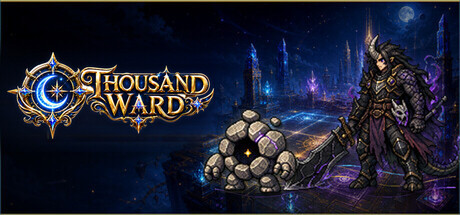
Thousand Ward uses generative AI as part of the development pipeline to help create and refine some visual assets, including promotional artwork, background illustrations, event imagery, and supporting art concepts. Gameplay systems, balance, progression, and player-facing game design are authored and reviewed by the development team.
This game is developed by a solo developer. To ship a project of this scope in a reasonable timeframe, some assets are created with the help of generative AI tools. This includes parts of the user interface, certain icons, and the game logo. All core gameplay, code, systems, and world generation are built by hand. AI is used only as a support tool for visual assets, and all generated content is reviewed and edited before use.
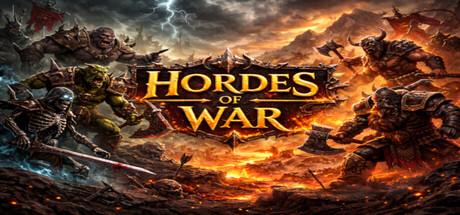
Some visual assets used during the development of **Hordes of War** were created or enhanced with the assistance of generative artificial intelligence. These assets include certain promotional artwork, concept art, and placeholder images used during development.
All gameplay systems, game design, world-building, maps, mechanics, balance, programming, and the final implementation of in-game content have been created, reviewed, and curated by the development team. Any AI-assisted content is carefully edited and integrated to ensure it meets the artistic style and quality standards of the game.
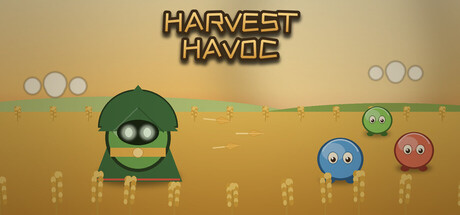
Some non-interactive assets in Harvest Havoc were produced with AI-assisted tools:
- Background music tracks were generated via AI music synthesis models, then curated and mixed by the developer.
- Sound effects were produced with AI-assisted audio generation tools.
- English and Japanese in-game text was drafted with AI translation assistance and then reviewed by the developer.
All gameplay code, level design, sprite art, and character animations were created by the developer without AI generation. No AI content is generated at runtime.
Generative AI was used to assist in creating certain visual assets and concept art. All AI-generated content was reviewed, edited, and integrated by the developer into the final game.
Generative AI was used during parts of the production process for the game’s graphics, music, and narrative content.
AI-generated outputs were edited, revised, and restructured by the developer and were not used in the game without modification.
The final gameplay experience, narrative structure, character portrayal, and presentation were designed, curated, and supervised by the developer.
The game's music tracks were generated using AI tools (ElevenLabs Music, on a paid commercial plan, and Stable Audio Open) and were curated and edited by the developer. Key art and some promotional images were created with AI image generation (Stable Diffusion) and reviewed by the developer. All gameplay visuals, game design, and code are original work. No AI content is generated at runtime.
Generative AI tools are used to assist the development process, including concept art generation, programming support, and localization. All final content is reviewed and edited by the developer.
Some store page graphical assets and marketing images were created with generative AI and edited manually. The game itself does not use generative AI during gameplay.
Most art has been hand-crafted but some art has been assisted by generative AI. Art assisted by generative AI includes UI Icons, monsters, items and marketing promotional art. All ingame art has been finalized by hand.
AI-assisted tools were only used during the creation of certain visual assets. These assets were reviewed, edited, modified, and integrated by the developer. The game's story, characters, world, gameplay design, dialogue, and creative direction were entirely created by the developer.
Marketing key art (Steam store capsules, library art, page background) and the comic-book intro trailer were generated using Fal.ai's Flux 2 image diffusion model. Initial concept sketches and in-game sprite references were generated using ChatGPT's image generation, then hand-cleaned and integrated by the developer. All assets are pre-rendered at build time and shipped as static files within the game package - no generative AI runs during gameplay, and no AI is used to generate live content for players. AI was not used for code, voice acting, music, or any system that interacts with the player at runtime.
As a small, two-person independent development team, we have used generative AI to help create a limited number of pre-generated assets during development. This includes portions of the store capsule artwork, a number of UI elements and icons, and approximately three lines of dialogue for a single enemy.
The AI-generated visual content is used solely as placeholder artwork to support our Early Access proof of concept. These assets allow us to focus our limited resources on gameplay, systems, balance, and overall game quality while we continue development. Replacing these placeholder assets with original, commissioned artwork is a planned and intentional part of our Early Access development roadmap.
No generative AI was or will be used to create gameplay, game logic, programming, level design, music, sound effects, visual effects, or any live-generated in-game content.
Generative AI was used to create or assist with the game's marketing assets, including the game icon, screenshots, capsule art, library art, and the trailer.
This game utilized AI tools during the development process, primarily to assist in generating character portraits. All AI-generated assets were reviewed and curated by the development team before being implemented into the game.
Generative AI was used as an assistive tool for proofreading in-game text and store page text, as well as for English and Korean localization. All final content was reviewed and edited by the developer.
No AI-generated images, audio, or 3D models are used. The game does not use generative AI to create content in real time during gameplay.
The artwork, background music, in-game text and story, localizations into all supported languages, and store-page text in this game were created using generative AI tools, then curated, edited, and assembled by the developer. The game contains no live AI generation — all content is fixed and produced ahead of release.
Some pre-rendered visual artwork, store page imagery, and sound effects were created with the assistance of generative AI tools, then selected, edited, layered, and integrated by the developer. The game does not use live generative AI during gameplay.
Some of this game's Steam store and marketing art was created using AI image-generation tools. Specifically, the store capsule images (header, main, small, and vertical capsules), the library artwork (library capsule and hero image), and the logo background were AI-generated.
AI was used only for this promotional store art. All in-game content — pixel-art sprites, backgrounds, UI, animations, and effects — is made from licensed, human-authored pixel-art assets and contains no AI-generated content. The game's audio and gameplay contain no AI-generated content.
The art, music, and writing in this game were created with AI tools during development, directed by the developer through written prompts. The development process is documented publicly, prompt by prompt. The shipped game contains no live or runtime AI generation — the in-game assistant “Aya” is a hand-authored, deterministic simulation, and the game makes no network or model calls during play.
This game makes use of generative AI as part of the creative pipeline across art, text, sound, and voice. None of it is dumped in raw — every asset is curated, edited, and reworked by hand, and every line of dialogue is agonized over until it earns its place. AI is a tool here, not the author; the taste, the pacing, and the final call on what stays are all made by people. The codebase, in the interest of full honesty, is held together with AI-assisted spaghetti and sheer willpower — but it works, and every line is reviewed before shipping.
AI Content Disclosure
During development, this game used generative AI tools to create some of its content:
Music: The background music was created using the AI music-generation tool Suno.
Code: Some of the code was written with the assistance of AI tools.
Images: Some of the artwork and icons were created using AI image-generation tools.
All AI-generated content was selected, adjusted, and integrated into the game by the developer, and was pre-generated (completed during development). No AI content is generated in real time while the game is running.
AI tools may be utilized to increase development efficiency for various game content. Such content has been vetted for accuracy and consistency with the game's theme and ideas.
Some of this game's content was created with the assistance of generative AI tools, including portions of the artwork, sound, in-game text translation, and source code, as well as parts of this store page. All AI-assisted content was reviewed and refined by our team before use. The game does not generate any content using AI in real time during gameplay.
The majority of this game's assets are human created. However during the development process, AI-based tools were used to assist further with selective content creation. The final product is highly reflective of the vision and creativity of the team.
AI was used to generate images depicting illegal substances and highly disturbing situations presented in the game. The Steam capsule and cover images were also generated using AI.
This game includes pre-generated content made with the assistance of generative AI tools during development. AI tools were used to help create and iterate some static story illustrations, character and store-art references, voice and sound-effect materials, texture details, copy polishing, and localization drafts. All such content is selected, edited, assembled, and manually reviewed by the developer before shipping. The game does not connect to a live generative AI service during play and does not generate new player-facing AI content at runtime.
The in-game music and soundtrack are created using Suno (generative AI). All visual art is produced procedurally through code. Development used an AI coding assistant (Claude), which is a development-efficiency tool; it does not generate any content live at runtime. No generative AI runs during gameplay.
Store and marketing art assets were created with the assistance of generative AI image tools, based on the developer's original prompts. All other game content is human-authored. No AI content is generated during gameplay.
We used a Gen AI powered tool to localize the following:
- (in some languages) In-game text
- (in some languages) Steam store descriptions
We plan to replace these with human translation and LQA when we can afford it.
Until then, we are using Gen AI temporarily.
We used a Gen AI powered tool to localize the following:
- (in some languages) In-game text
- (in some languages) Steam store descriptions
We plan to replace these with human translation and LQA when we can afford it.
Until then, we are using Gen AI temporarily.
Some 2D artwork in Akwarium (characters, UI, environments, and store images) was created with generative AI tools, then reviewed and refined by the developer. No gameplay content is generated by AI in real time.
This game is a solo-developed project. Generative AI tools were used as part of the production workflow, including assistance with code and base visual assets. No generative AI output is used as a final in-game asset – all assets were manually edited and finalized by the developer. All gameplay design, creative direction, balancing, and content decisions were made by the developer.
A pre-rendered cinematic intro sequence was created with the assistance of AI-based video generation tools. Some visual assets were generated or refined using AI image generation.
Some text on this Steam store page and in related marketing materials was drafted with the help of
generative AI tools and then reviewed and edited by the developer. The game's artwork, characters,
animations, and audio are created by the developer and are not AI-generated. The game does not use
generative AI to create any content during gameplay.
Thousand Ward uses generative AI as part of the development pipeline to help create and refine some visual assets, including promotional artwork, background illustrations, event imagery, and supporting art concepts. Gameplay systems, balance, progression, and player-facing game design are authored and reviewed by the development team.
This game is developed by a solo developer. To ship a project of this scope in a reasonable timeframe, some assets are created with the help of generative AI tools. This includes parts of the user interface, certain icons, and the game logo. All core gameplay, code, systems, and world generation are built by hand. AI is used only as a support tool for visual assets, and all generated content is reviewed and edited before use.
Some visual assets used during the development of **Hordes of War** were created or enhanced with the assistance of generative artificial intelligence. These assets include certain promotional artwork, concept art, and placeholder images used during development.
All gameplay systems, game design, world-building, maps, mechanics, balance, programming, and the final implementation of in-game content have been created, reviewed, and curated by the development team. Any AI-assisted content is carefully edited and integrated to ensure it meets the artistic style and quality standards of the game.
Some non-interactive assets in Harvest Havoc were produced with AI-assisted tools:
- Background music tracks were generated via AI music synthesis models, then curated and mixed by the developer.
- Sound effects were produced with AI-assisted audio generation tools.
- English and Japanese in-game text was drafted with AI translation assistance and then reviewed by the developer.
All gameplay code, level design, sprite art, and character animations were created by the developer without AI generation. No AI content is generated at runtime.
Generative AI was used to assist in creating certain visual assets and concept art. All AI-generated content was reviewed, edited, and integrated by the developer into the final game.
Generative AI was used during parts of the production process for the game’s graphics, music, and narrative content.
AI-generated outputs were edited, revised, and restructured by the developer and were not used in the game without modification.
The final gameplay experience, narrative structure, character portrayal, and presentation were designed, curated, and supervised by the developer.
The game's music tracks were generated using AI tools (ElevenLabs Music, on a paid commercial plan, and Stable Audio Open) and were curated and edited by the developer. Key art and some promotional images were created with AI image generation (Stable Diffusion) and reviewed by the developer. All gameplay visuals, game design, and code are original work. No AI content is generated at runtime.
Generative AI tools are used to assist the development process, including concept art generation, programming support, and localization. All final content is reviewed and edited by the developer.
Some store page graphical assets and marketing images were created with generative AI and edited manually. The game itself does not use generative AI during gameplay.
Most art has been hand-crafted but some art has been assisted by generative AI. Art assisted by generative AI includes UI Icons, monsters, items and marketing promotional art. All ingame art has been finalized by hand.
AI-assisted tools were only used during the creation of certain visual assets. These assets were reviewed, edited, modified, and integrated by the developer. The game's story, characters, world, gameplay design, dialogue, and creative direction were entirely created by the developer.
Marketing key art (Steam store capsules, library art, page background) and the comic-book intro trailer were generated using Fal.ai's Flux 2 image diffusion model. Initial concept sketches and in-game sprite references were generated using ChatGPT's image generation, then hand-cleaned and integrated by the developer. All assets are pre-rendered at build time and shipped as static files within the game package - no generative AI runs during gameplay, and no AI is used to generate live content for players. AI was not used for code, voice acting, music, or any system that interacts with the player at runtime.
As a small, two-person independent development team, we have used generative AI to help create a limited number of pre-generated assets during development. This includes portions of the store capsule artwork, a number of UI elements and icons, and approximately three lines of dialogue for a single enemy.
The AI-generated visual content is used solely as placeholder artwork to support our Early Access proof of concept. These assets allow us to focus our limited resources on gameplay, systems, balance, and overall game quality while we continue development. Replacing these placeholder assets with original, commissioned artwork is a planned and intentional part of our Early Access development roadmap.
No generative AI was or will be used to create gameplay, game logic, programming, level design, music, sound effects, visual effects, or any live-generated in-game content.
Generative AI was used to create or assist with the game's marketing assets, including the game icon, screenshots, capsule art, library art, and the trailer.
This game utilized AI tools during the development process, primarily to assist in generating character portraits. All AI-generated assets were reviewed and curated by the development team before being implemented into the game.
Generative AI was used as an assistive tool for proofreading in-game text and store page text, as well as for English and Korean localization. All final content was reviewed and edited by the developer.
No AI-generated images, audio, or 3D models are used. The game does not use generative AI to create content in real time during gameplay.
The artwork, background music, in-game text and story, localizations into all supported languages, and store-page text in this game were created using generative AI tools, then curated, edited, and assembled by the developer. The game contains no live AI generation — all content is fixed and produced ahead of release.
Some pre-rendered visual artwork, store page imagery, and sound effects were created with the assistance of generative AI tools, then selected, edited, layered, and integrated by the developer. The game does not use live generative AI during gameplay.
Some of this game's Steam store and marketing art was created using AI image-generation tools. Specifically, the store capsule images (header, main, small, and vertical capsules), the library artwork (library capsule and hero image), and the logo background were AI-generated.
AI was used only for this promotional store art. All in-game content — pixel-art sprites, backgrounds, UI, animations, and effects — is made from licensed, human-authored pixel-art assets and contains no AI-generated content. The game's audio and gameplay contain no AI-generated content.