Public Steam disclosure research25,512 disclosures tracked
Where do games disclose AI use?
Search developers’ Steam disclosures, compare classified AI use across
games, and follow recorded changes.
This index adds cross-game classifications and statistics to
statements published on individual store pages.
Groups reflect automatic analysis of public disclosures; mature records are excluded. These counts do not measure AI use across all of Steam.
Missing or unclear statements cannot establish whether a game uses AI.
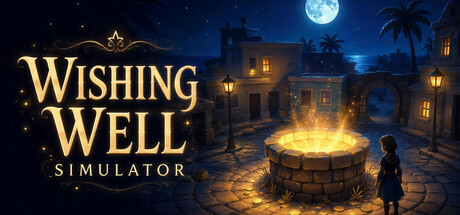
Wishing Well Simulator uses generative AI tools during development only; nothing is generated while you play, and the game never connects to any external AI service.
Pre-generated content made with AI assistance:
Key art and store artwork were created with generative image tools and then edited by hand.
The 3D well model was generated with an AI 3D tool (Meshy) and reworked by hand (materials, UVs, textures).
Translations into 21 languages beyond the original Turkish were produced with AI-assisted translation and then reviewed by hand, including platform terminology corrections.
Some secondary text (credits, tutorial hints) was drafted with AI assistance and edited by the author.
Written by hand: the story, all 119 events, the characters and dialogue, the game design and code. Sound effects are procedurally generated by the game's own code (no AI); the game has no music or voice acting.
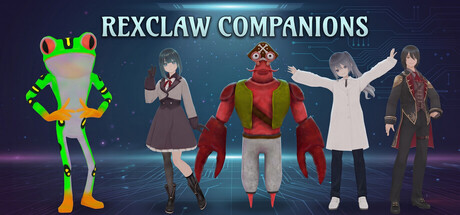
Rexclaw's companions are powered by generative AI, conversations (text and voice), along with files you create together are generated on demand by third party AI models. Some promotional artwork, including store banners, was created with AI assistance.
Generative AI was used for selected visual assets during development. All AI-assisted content was reviewed by the developer. No AI content is generated during gameplay.
Load Factor's player-facing content its data, simulation, art, and text is authored by us, not generated by AI. During development we used AI-assisted coding tools to help write and review source code, in the same way modern IDEs offer AI assistance. No artwork, audio, writing, or localization shipped in the game is AI-generated, and the game does not generate any content using AI while you play.
Generative AI was used as a creative tool to assist with parts of the artwork, code, and written content. All design choices, creative direction, edits, and final decisions were made by the human developer, with all AI-assisted work reviewed and refined before release.
Generative AI was used during game development to assist with programming and to create some pre-generated promotional artwork. All AI-assisted outputs were reviewed and edited by the developer before release.
Generative AI was used as a development aid: to assist with programming and UI
implementation, to create the initial concept art for the characters, and to
produce the background music. All generated images were then retouched and
revised by the developer. No content is generated by AI in real time while the
game is running.
This game uses generative AI tools during development.
AI-assisted tools are used to help create or refine some artwork, including fictional team logos, mascots, character portraits, background illustrations, and marketing images.
AI-assisted tools are also used to help create or refine some sound and music-related materials, such as fictional team cheering themes and audio concepts.
AI is used to assist with fictional game data creation, including team concepts, player data, regional flavor text, news text, event ideas, and other in-game text content.
AI-assisted coding tools are used during development to help write, review, debug, and improve parts of the game code.
All content is reviewed and edited by the developer before being included in the game. The game does not use live generative AI during gameplay.
I used AI as an aid for a few things: parts of the writing, the translations into
French, Spanish and Italian, and some of the more complex store artwork. Everything
that came out of it was reworked by hand before it went in. It isn't something I'm a
fan of, but as a solo developer without a studio behind me, some things are simply out
of reach otherwise.
Some in-game artwork, including assets shown in screenshots and store capsules, was created by modifying AI-generated imagery. All AI-assisted content was created and reviewed in advance, and no generative AI runs during gameplay.
AI was used during development to assist with the creation of certain visual elements.
All AI-assisted content is reviewed, edited, and approved by the developer before being integrated into the game.
The game's menu interface and Steam store page assets (capsule images and other promotional artwork) were designed with the assistance of an AI-based design tool. All other art, environments, characters, and audio in the game were created without the use of generative AI.
We use AI tools to assist with some parts of development, such as localization and improving our art production workflow. All designs and creative ideas come from our team, and AI-assisted assets are reviewed and refined before being used in the game.
As an indie studio, we use generative AI to continue developing the games we love. It allows us to accomplish tasks that would otherwise be beyond our small team's capacity.
Generative AI was used during the development of the game's user interface and to assist with creating parts of the game's audio. Every AI-generated asset was carefully reviewed and refined before being included in the final game.
Generative AI tools were used during development to assist in creating some in-game visual assets, graphical assets, and store marketing artwork. All generated materials were selected, edited, adjusted, and reviewed by the developer before being included. The game does not use generative AI to generate content during gameplay.
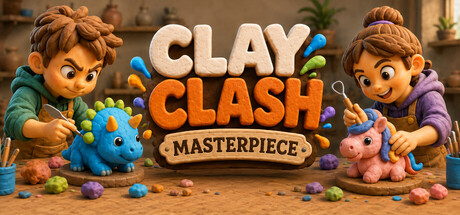
Generative AI tools were used during development to assist with the creation of selected promotional and visual assets. During gameplay, an AI-based analysis service may also be used to evaluate submitted player-created clay sculptures and determine how closely they match the given challenge.
Generative AI tools were used during development to create initial concepts for background music tracks and 2D loading screen artwork. These concepts were heavily reworked, re-edited, and finalized by human artists before being integrated as static files into the game build.
Players who prefer a completely traditional experience can completely disable all AI-assisted art and music via a toggle in the game's settings menu.
This game does not use any real-time or live generative AI. No content is generated dynamically during gameplay.
This game uses generative AI in two ways.
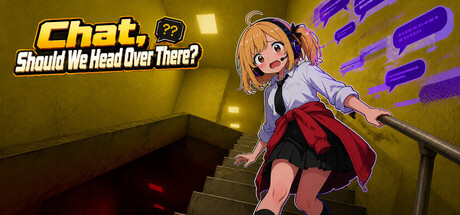
Live-generated: The streamer character "Sia" reacts to the messages you type in real time. Her lines are generated during play by a large language model through an external AI service, so they are not pre-written. If the service is unavailable, the game falls back to pre-written lines and remains fully playable.
Pre-rendered: Some in-game artwork (item icons, character and creature sprites, textures) and some sound effects were produced with AI generation tools and then edited by the developer before shipping.
Generative AI was used during development to create all visual art assets and music featured in the game. The generated content was reviewed, selected, and integrated by the developer. The game does not generate AI content during gameplay.
This game was developed through collaboration between the developer and AI tools across most content (art, writing, design); in-game translations were generated by AI.
As a solo indie developer, I'm a programmer rather than a designer, so AI was used to assist with layout creation while I focused on building the core of the game.
During the development process, we may use procedural- and AI-based tools to assist with content creation. In all such cases, the final product reflects the creativity and expression of our own development team.
During development, we used procedural and AI-assisted tools to analyze, merge, refine, and polish systems that were originally developed through years of our own experimentation, iteration, and hands-on exploration. These tools accelerated implementation and helped unify complex ideas beyond what would have been practical through manual development alone, while the underlying concepts, creative direction, design decisions, and final implementation remain the work of our development team.
Parts of this game's text were produced with the help of generative AI: the store description, and the translations of the in-game text into German, Spanish, French, Brazilian Portuguese, Russian and Simplified Chinese. The English and Turkish text was written by hand. No AI-generated art, audio or voice is used anywhere in the game, and the game does not generate anything while you play.
Trainee dialogue is generated in real time by an online AI service during gameplay. The AI produces conversation text based on each trainee's personality, history, and the player's management decisions. All management systems, music releases, chart rankings, and settlement run locally — only dialogue generation requires an internet connection.
Generative AI was used during development to create portions of the game’s 2D artwork and a small number of 3D models. All AI-generated material was reviewed, manually edited, cleaned up, and polished by the developer before being included in the final game. Generative AI is not used to create content while the game is running.
Pixel art assets, in-game text translation to other languages were produced with AI assistance during development and edited by the developer. No content is generated at runtime.
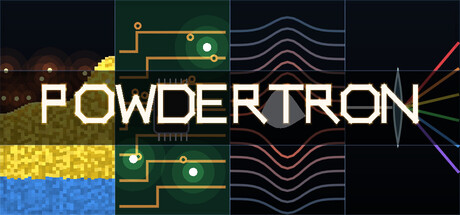
Some of Powdertron's development and marketing materials were produced with AI assistance. The store page text was drafted with an AI writing tool and edited by hand, and the capsule images and trailer were rendered by procedural code written with AI assistance, using the game's own artwork and captured gameplay footage.
The game itself contains no generative AI. Nothing is generated at runtime, no AI service is contacted while you play, and all in-game content — the materials, reaction rules, simulations and interface — is authored and deterministic.
Some background images and illustrations in this game are pre-generated content created using generative AI. These assets have been reviewed and, where necessary, adjusted by the developer before being included.
Investors and characters respond to the business idea you type, because a language model re-words our hand-written dialogue at runtime. It only changes wording — never numbers, outcomes, or anything in your save. If a generation fails, you get the hand-written line instead.
Your product illustration is generated from your own idea text.
During development, generative AI was used to create initial drafts for some in-game 2D icons, which were then manually retouched. Generative AI was also used to remix original melodies composed and whistled by the developer into background music.
Generative AI was used during development to assist with some programming tasks, multilingual translations of in-game text, and the creation of certain graphics and sounds. All AI-assisted output was reviewed and edited by the developer. No AI content is generated in real time during gameplay.
This game uses generative AI during development to assist with selected artwork, relic and character illustrations, and limited text drafts. All generated material was created offline during development, then manually reviewed, edited, integrated, and quality-checked before being included in the game.
The game does not generate images, audio, text, code, or other content in real time, and it does not send player data or game content to external AI services during gameplay.
Generative AI was used during development to assist in creating some of the fixed decorative sculptures and decorative mosaic elements that appear within the game environment. These assets were created prior to release and are static parts of the game.
Generative AI is not used to generate content during gameplay, and players do not interact with any live generative AI systems.
Generative AI tools were used during the development of BURST NOIR to assist with the creation and refinement of certain visual assets, including branding, logo concepts, promotional graphics, and some UI-related artwork.
AI-assisted tools were also used as part of the development workflow for programming, prototyping, localization, and content production.
The core fireworks simulation, gameplay systems, and final in-game presentation are implemented as part of the game itself. The game does not generate AI content in real time during gameplay.
Some visual assets used in Retro TV Tycoon were created with the assistance of generative AI.
Specifically, AI-generated imagery is used for some of the fictional thumbnail artwork displayed in the **TV Catalog** and **Film Archives** sections of the game. These images are pre-generated assets created during development and are not generated dynamically while the game is running.
Generative AI is not used to generate gameplay, player interactions, or live content. The AI-assisted images are used solely as visual illustrations and thumbnails representing fictional television programs and films within the game's catalog and archive interfaces.
Wishing Well Simulator uses generative AI tools during development only; nothing is generated while you play, and the game never connects to any external AI service.
Pre-generated content made with AI assistance:
Key art and store artwork were created with generative image tools and then edited by hand.
The 3D well model was generated with an AI 3D tool (Meshy) and reworked by hand (materials, UVs, textures).
Translations into 21 languages beyond the original Turkish were produced with AI-assisted translation and then reviewed by hand, including platform terminology corrections.
Some secondary text (credits, tutorial hints) was drafted with AI assistance and edited by the author.
Written by hand: the story, all 119 events, the characters and dialogue, the game design and code. Sound effects are procedurally generated by the game's own code (no AI); the game has no music or voice acting.
Rexclaw's companions are powered by generative AI, conversations (text and voice), along with files you create together are generated on demand by third party AI models. Some promotional artwork, including store banners, was created with AI assistance.
Generative AI was used for selected visual assets during development. All AI-assisted content was reviewed by the developer. No AI content is generated during gameplay.
Load Factor's player-facing content its data, simulation, art, and text is authored by us, not generated by AI. During development we used AI-assisted coding tools to help write and review source code, in the same way modern IDEs offer AI assistance. No artwork, audio, writing, or localization shipped in the game is AI-generated, and the game does not generate any content using AI while you play.
Generative AI was used as a creative tool to assist with parts of the artwork, code, and written content. All design choices, creative direction, edits, and final decisions were made by the human developer, with all AI-assisted work reviewed and refined before release.
Generative AI was used during game development to assist with programming and to create some pre-generated promotional artwork. All AI-assisted outputs were reviewed and edited by the developer before release.
Generative AI was used as a development aid: to assist with programming and UI
implementation, to create the initial concept art for the characters, and to
produce the background music. All generated images were then retouched and
revised by the developer. No content is generated by AI in real time while the
game is running.
This game uses generative AI tools during development.
AI-assisted tools are used to help create or refine some artwork, including fictional team logos, mascots, character portraits, background illustrations, and marketing images.
AI-assisted tools are also used to help create or refine some sound and music-related materials, such as fictional team cheering themes and audio concepts.
AI is used to assist with fictional game data creation, including team concepts, player data, regional flavor text, news text, event ideas, and other in-game text content.
AI-assisted coding tools are used during development to help write, review, debug, and improve parts of the game code.
All content is reviewed and edited by the developer before being included in the game. The game does not use live generative AI during gameplay.
I used AI as an aid for a few things: parts of the writing, the translations into
French, Spanish and Italian, and some of the more complex store artwork. Everything
that came out of it was reworked by hand before it went in. It isn't something I'm a
fan of, but as a solo developer without a studio behind me, some things are simply out
of reach otherwise.
Some in-game artwork, including assets shown in screenshots and store capsules, was created by modifying AI-generated imagery. All AI-assisted content was created and reviewed in advance, and no generative AI runs during gameplay.
AI was used during development to assist with the creation of certain visual elements.
All AI-assisted content is reviewed, edited, and approved by the developer before being integrated into the game.
The game's menu interface and Steam store page assets (capsule images and other promotional artwork) were designed with the assistance of an AI-based design tool. All other art, environments, characters, and audio in the game were created without the use of generative AI.
We use AI tools to assist with some parts of development, such as localization and improving our art production workflow. All designs and creative ideas come from our team, and AI-assisted assets are reviewed and refined before being used in the game.
As an indie studio, we use generative AI to continue developing the games we love. It allows us to accomplish tasks that would otherwise be beyond our small team's capacity.
Generative AI was used during the development of the game's user interface and to assist with creating parts of the game's audio. Every AI-generated asset was carefully reviewed and refined before being included in the final game.
Generative AI tools were used during development to assist in creating some in-game visual assets, graphical assets, and store marketing artwork. All generated materials were selected, edited, adjusted, and reviewed by the developer before being included. The game does not use generative AI to generate content during gameplay.
Generative AI tools were used during development to assist with the creation of selected promotional and visual assets. During gameplay, an AI-based analysis service may also be used to evaluate submitted player-created clay sculptures and determine how closely they match the given challenge.
Generative AI tools were used during development to create initial concepts for background music tracks and 2D loading screen artwork. These concepts were heavily reworked, re-edited, and finalized by human artists before being integrated as static files into the game build.
Players who prefer a completely traditional experience can completely disable all AI-assisted art and music via a toggle in the game's settings menu.
This game does not use any real-time or live generative AI. No content is generated dynamically during gameplay.
This game uses generative AI in two ways.
Live-generated: The streamer character "Sia" reacts to the messages you type in real time. Her lines are generated during play by a large language model through an external AI service, so they are not pre-written. If the service is unavailable, the game falls back to pre-written lines and remains fully playable.
Pre-rendered: Some in-game artwork (item icons, character and creature sprites, textures) and some sound effects were produced with AI generation tools and then edited by the developer before shipping.
Generative AI was used during development to create all visual art assets and music featured in the game. The generated content was reviewed, selected, and integrated by the developer. The game does not generate AI content during gameplay.
This game was developed through collaboration between the developer and AI tools across most content (art, writing, design); in-game translations were generated by AI.
As a solo indie developer, I'm a programmer rather than a designer, so AI was used to assist with layout creation while I focused on building the core of the game.
During the development process, we may use procedural- and AI-based tools to assist with content creation. In all such cases, the final product reflects the creativity and expression of our own development team.
During development, we used procedural and AI-assisted tools to analyze, merge, refine, and polish systems that were originally developed through years of our own experimentation, iteration, and hands-on exploration. These tools accelerated implementation and helped unify complex ideas beyond what would have been practical through manual development alone, while the underlying concepts, creative direction, design decisions, and final implementation remain the work of our development team.
Parts of this game's text were produced with the help of generative AI: the store description, and the translations of the in-game text into German, Spanish, French, Brazilian Portuguese, Russian and Simplified Chinese. The English and Turkish text was written by hand. No AI-generated art, audio or voice is used anywhere in the game, and the game does not generate anything while you play.
Trainee dialogue is generated in real time by an online AI service during gameplay. The AI produces conversation text based on each trainee's personality, history, and the player's management decisions. All management systems, music releases, chart rankings, and settlement run locally — only dialogue generation requires an internet connection.
Generative AI was used during development to create portions of the game’s 2D artwork and a small number of 3D models. All AI-generated material was reviewed, manually edited, cleaned up, and polished by the developer before being included in the final game. Generative AI is not used to create content while the game is running.
Pixel art assets, in-game text translation to other languages were produced with AI assistance during development and edited by the developer. No content is generated at runtime.
Some of Powdertron's development and marketing materials were produced with AI assistance. The store page text was drafted with an AI writing tool and edited by hand, and the capsule images and trailer were rendered by procedural code written with AI assistance, using the game's own artwork and captured gameplay footage.
The game itself contains no generative AI. Nothing is generated at runtime, no AI service is contacted while you play, and all in-game content — the materials, reaction rules, simulations and interface — is authored and deterministic.
Some background images and illustrations in this game are pre-generated content created using generative AI. These assets have been reviewed and, where necessary, adjusted by the developer before being included.
Investors and characters respond to the business idea you type, because a language model re-words our hand-written dialogue at runtime. It only changes wording — never numbers, outcomes, or anything in your save. If a generation fails, you get the hand-written line instead.
Your product illustration is generated from your own idea text.
During development, generative AI was used to create initial drafts for some in-game 2D icons, which were then manually retouched. Generative AI was also used to remix original melodies composed and whistled by the developer into background music.
Generative AI was used during development to assist with some programming tasks, multilingual translations of in-game text, and the creation of certain graphics and sounds. All AI-assisted output was reviewed and edited by the developer. No AI content is generated in real time during gameplay.
This game uses generative AI during development to assist with selected artwork, relic and character illustrations, and limited text drafts. All generated material was created offline during development, then manually reviewed, edited, integrated, and quality-checked before being included in the game.
The game does not generate images, audio, text, code, or other content in real time, and it does not send player data or game content to external AI services during gameplay.
Generative AI was used during development to assist in creating some of the fixed decorative sculptures and decorative mosaic elements that appear within the game environment. These assets were created prior to release and are static parts of the game.
Generative AI is not used to generate content during gameplay, and players do not interact with any live generative AI systems.
Generative AI tools were used during the development of BURST NOIR to assist with the creation and refinement of certain visual assets, including branding, logo concepts, promotional graphics, and some UI-related artwork.
AI-assisted tools were also used as part of the development workflow for programming, prototyping, localization, and content production.
The core fireworks simulation, gameplay systems, and final in-game presentation are implemented as part of the game itself. The game does not generate AI content in real time during gameplay.
Some visual assets used in Retro TV Tycoon were created with the assistance of generative AI.
Specifically, AI-generated imagery is used for some of the fictional thumbnail artwork displayed in the **TV Catalog** and **Film Archives** sections of the game. These images are pre-generated assets created during development and are not generated dynamically while the game is running.
Generative AI is not used to generate gameplay, player interactions, or live content. The AI-assisted images are used solely as visual illustrations and thumbnails representing fictional television programs and films within the game's catalog and archive interfaces.