Public Steam disclosure research25,376 disclosures tracked
Where do games disclose AI use?
Search developers’ Steam disclosures, compare classified AI use across
games, and follow recorded changes.
This index adds cross-game classifications and statistics to
statements published on individual store pages.
Groups reflect automatic analysis of public disclosures; mature records are excluded. These counts do not measure AI use across all of Steam.
Missing or unclear statements cannot establish whether a game uses AI.
Turbo Era Boss uses generative AI as part of its indie production workflow. Some pre-rendered visual assets, store capsule artwork, promotional/community images, and draft text/localization may be created or refined with AI-assisted tools. The game does not use live generative AI during gameplay. All AI-assisted material is reviewed, edited, and approved by Team76 before publication, and we avoid real team logos, real sponsors, driver likenesses, and other protected branding.
- Cutscene voice changer : original audio by voice artist transformed to character voices with AI. No text to speech AI was used as it just wasn't up to standards.
- Cutscene music/jingles, profile pictures and background pictures
- Textures
We are just as repulsed by AI slop (and slop in general) as anybody. We made a conscious effort to drop anything that wasn't up to standard.
AI-generated art assets are used in this game. All such assets have been manually reviewed and adjusted to ensure a consistent visual style and quality.
Generative AI was used to create or assist with the game's marketing assets, including the game icon, screenshots, capsule art, library art, and the trailer.
Pre-generated content (created during development, not at runtime):
- In-game parody movie cover art: generated with AI tools and manually reviewed by the team to ensure all covers are original parodies and do not reproduce trademarked logos, brands, or copyrighted characters.
- In-game parody movie titles and descriptions: drafted with AI assistance and manually edited by the team.
- In-game UI and text translations into the 8 supported languages: produced with AI assistance and reviewed by the team.
No live generative AI is used at runtime. All AI-assisted content is baked into the game build.
Core game assets (code, gameplay design, UI art, character and shop sprites, music and sound effects) were NOT generated with AI.
This game uses generative artificial intelligence in the development of certain content, including NPC dialogue, visual art assets, and music/sound elements. All AI-generated content was created prior to the game's release and is not generated in real time during gameplay. This content has been reviewed and curated by our development team to ensure it meets our creative vision and quality standards.
some Artwork was generated and modified with AI tools, some of the 3D Models where designed with help of AI Models. Music was generated with AI Music Tools.
Generative AI tools were used to assist with translation/localization and parts of the in-game artwork production.
No generative AI tools are used for sound effects, music, story content, or live-generated gameplay content.
This game uses pre-generated AI-assisted content.
Most of the visual assets used in the game and its promotional materials were created with the help of generative AI tools, including character images, background images, key visual materials, and video/trailer assets.
All AI-assisted outputs were reviewed, selected, edited, and integrated by the developer before being included in the game. The game does not generate AI content in real time during gameplay.
Some of Airline Legacy's artwork, music, in-game text, and translations were created with the assistance of generative AI tools during development. All AI-assisted content was reviewed and curated by the developer. No content is generated live during gameplay.
This game uses generative AI tools for some pre-recorded NPC voice-over audio. Other voice-over audio was recorded in-house by human performers. All voice lines are fixed, reviewed by the developer, and included in the game build. The game does not use AI to generate content during gameplay. All other game content, including gameplay systems, environments, UI, writing, and store assets, is original and created by the development team.
Fading Reel uses machine translation (automated translation software) to provide in-game interface text in languages other than English. English menus, upgrades, tutorials, and story intertitles were written by the developer; non-English versions were generated from that English source and may contain errors.
Game art, audio, gameplay, store screenshots, and the trailer were not created with generative AI.
Most character avatars, icons and in-game buildings are generated or modified with AI tools. Building names and certain text content are AI-generated, while all remaining assets are manually created.
7743 includes a small handful of AI generated art. This includes, and is limited to only textures. The degree of AI generated textures within 7743 is likely less than 5%
Some assets in BRICK BUSTERS were created with the help of generative AI tools — including parts of the pixel art, some sound effects and music, and the translations of the in-game text. All AI-assisted content was reviewed and edited by hand before release.
The developer used ChatGPT to generate some of the promotional and marketing artwork displayed on the Steam storefront. No AI-Generated assets are used inside the actual game.
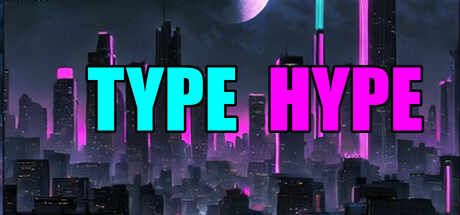
TYPE HYPE's static visual assets — the main-menu skyline background, achievement icons (34 color + 34 grayscale variants = 68 PNGs), exhibition-level theme backgrounds (15 themes × 6 layer files = 90 PNGs), and Steam capsule backgrounds — were created with the assistance of generative AI image tools (primarily OpenAI's GPT image generation). All AI-generated assets were curated, selected, and approved by the developer. No AI runs at runtime in the shipped product. Music (59 tracks) is human-composed and sourced from Pixabay under the Pixabay Content License. Code was written collaboratively by the developer with an AI coding assistant. The game contains no AI-generated content shown to players during gameplay (procedural music layering is rule-based, not AI).
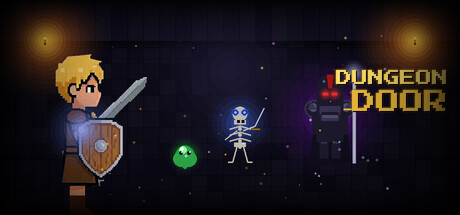
Dungeon Door utilizes generative AI to enhance creative expression and development efficiency as follows:
Artwork and Visual Assets: Generative AI was used in the conceptualization of character designs and the creation of marketing assets for the Steam store page. Every asset has been carefully reviewed and manually refined to ensure it adheres to the intended classic pixel art aesthetic.
Text and Narrative: AI tools assisted in drafting store descriptions, synopses, and localizing in-game text to provide a consistent experience across different languages.
Generative AI was used to assist in creating selected promotional artwork and logo/icon assets for the Steam store page. All outputs were reviewed, selected, and edited by the developer. Generative AI is not used during gameplay, and no content is generated live for players.
Stickplosion makes extensive use of generative AI in its creation. Visual assets — including character art, environment art, UI elements, and logo — were generated with AI tools and curated by the developer. Sound effects and music were similarly produced with AI assistance. In-game text and store-page copy were written with AI assistance as well. All generated content was reviewed, selected, and edited by the developer before inclusion in the final game.
Some store page artwork, promotional images, textures, and visual assets were created using generative AI tools and then edited and finalized by the developer. AI-generated content is used only for visual assets and does not generate content during gameplay.
Some visual assets used for the Steam store page and marketing materials, including logos, promotional artwork, capsule images, and library assets, were created or assisted using generative AI tools and then reviewed, edited, and finalized by the developer.
No AI-generated content is created during gameplay. AI-generated content is limited to pre-generated promotional and store page materials and does not affect gameplay, game mechanics, or player-generated content.
This game uses generative AI tools in limited ways to support development. Some music tracks were created using AI music generation tools, and certain marketing or store page visual assets were assisted by AI. All core gameplay and implementation were created by the developer.
Turbo Era Boss uses generative AI as part of its indie production workflow. Some pre-rendered visual assets, store capsule artwork, promotional/community images, and draft text/localization may be created or refined with AI-assisted tools. The game does not use live generative AI during gameplay. All AI-assisted material is reviewed, edited, and approved by Team76 before publication, and we avoid real team logos, real sponsors, driver likenesses, and other protected branding.
- Cutscene voice changer : original audio by voice artist transformed to character voices with AI. No text to speech AI was used as it just wasn't up to standards.
- Cutscene music/jingles, profile pictures and background pictures
- Textures
We are just as repulsed by AI slop (and slop in general) as anybody. We made a conscious effort to drop anything that wasn't up to standard.
AI-generated art assets are used in this game. All such assets have been manually reviewed and adjusted to ensure a consistent visual style and quality.
Generative AI was used to create or assist with the game's marketing assets, including the game icon, screenshots, capsule art, library art, and the trailer.
Pre-generated content (created during development, not at runtime):
- In-game parody movie cover art: generated with AI tools and manually reviewed by the team to ensure all covers are original parodies and do not reproduce trademarked logos, brands, or copyrighted characters.
- In-game parody movie titles and descriptions: drafted with AI assistance and manually edited by the team.
- In-game UI and text translations into the 8 supported languages: produced with AI assistance and reviewed by the team.
No live generative AI is used at runtime. All AI-assisted content is baked into the game build.
Core game assets (code, gameplay design, UI art, character and shop sprites, music and sound effects) were NOT generated with AI.
This game uses generative artificial intelligence in the development of certain content, including NPC dialogue, visual art assets, and music/sound elements. All AI-generated content was created prior to the game's release and is not generated in real time during gameplay. This content has been reviewed and curated by our development team to ensure it meets our creative vision and quality standards.
some Artwork was generated and modified with AI tools, some of the 3D Models where designed with help of AI Models. Music was generated with AI Music Tools.
Generative AI tools were used to assist with translation/localization and parts of the in-game artwork production.
No generative AI tools are used for sound effects, music, story content, or live-generated gameplay content.
This game uses pre-generated AI-assisted content.
Most of the visual assets used in the game and its promotional materials were created with the help of generative AI tools, including character images, background images, key visual materials, and video/trailer assets.
All AI-assisted outputs were reviewed, selected, edited, and integrated by the developer before being included in the game. The game does not generate AI content in real time during gameplay.
Some of Airline Legacy's artwork, music, in-game text, and translations were created with the assistance of generative AI tools during development. All AI-assisted content was reviewed and curated by the developer. No content is generated live during gameplay.
This game uses generative AI tools for some pre-recorded NPC voice-over audio. Other voice-over audio was recorded in-house by human performers. All voice lines are fixed, reviewed by the developer, and included in the game build. The game does not use AI to generate content during gameplay. All other game content, including gameplay systems, environments, UI, writing, and store assets, is original and created by the development team.
Fading Reel uses machine translation (automated translation software) to provide in-game interface text in languages other than English. English menus, upgrades, tutorials, and story intertitles were written by the developer; non-English versions were generated from that English source and may contain errors.
Game art, audio, gameplay, store screenshots, and the trailer were not created with generative AI.
Most character avatars, icons and in-game buildings are generated or modified with AI tools. Building names and certain text content are AI-generated, while all remaining assets are manually created.
7743 includes a small handful of AI generated art. This includes, and is limited to only textures. The degree of AI generated textures within 7743 is likely less than 5%
Some assets in BRICK BUSTERS were created with the help of generative AI tools — including parts of the pixel art, some sound effects and music, and the translations of the in-game text. All AI-assisted content was reviewed and edited by hand before release.
The developer used ChatGPT to generate some of the promotional and marketing artwork displayed on the Steam storefront. No AI-Generated assets are used inside the actual game.
TYPE HYPE's static visual assets — the main-menu skyline background, achievement icons (34 color + 34 grayscale variants = 68 PNGs), exhibition-level theme backgrounds (15 themes × 6 layer files = 90 PNGs), and Steam capsule backgrounds — were created with the assistance of generative AI image tools (primarily OpenAI's GPT image generation). All AI-generated assets were curated, selected, and approved by the developer. No AI runs at runtime in the shipped product. Music (59 tracks) is human-composed and sourced from Pixabay under the Pixabay Content License. Code was written collaboratively by the developer with an AI coding assistant. The game contains no AI-generated content shown to players during gameplay (procedural music layering is rule-based, not AI).
Dungeon Door utilizes generative AI to enhance creative expression and development efficiency as follows:
Artwork and Visual Assets: Generative AI was used in the conceptualization of character designs and the creation of marketing assets for the Steam store page. Every asset has been carefully reviewed and manually refined to ensure it adheres to the intended classic pixel art aesthetic.
Text and Narrative: AI tools assisted in drafting store descriptions, synopses, and localizing in-game text to provide a consistent experience across different languages.
Generative AI was used to assist in creating selected promotional artwork and logo/icon assets for the Steam store page. All outputs were reviewed, selected, and edited by the developer. Generative AI is not used during gameplay, and no content is generated live for players.
Stickplosion makes extensive use of generative AI in its creation. Visual assets — including character art, environment art, UI elements, and logo — were generated with AI tools and curated by the developer. Sound effects and music were similarly produced with AI assistance. In-game text and store-page copy were written with AI assistance as well. All generated content was reviewed, selected, and edited by the developer before inclusion in the final game.
Some store page artwork, promotional images, textures, and visual assets were created using generative AI tools and then edited and finalized by the developer. AI-generated content is used only for visual assets and does not generate content during gameplay.
Some visual assets used for the Steam store page and marketing materials, including logos, promotional artwork, capsule images, and library assets, were created or assisted using generative AI tools and then reviewed, edited, and finalized by the developer.
No AI-generated content is created during gameplay. AI-generated content is limited to pre-generated promotional and store page materials and does not affect gameplay, game mechanics, or player-generated content.
This game uses generative AI tools in limited ways to support development. Some music tracks were created using AI music generation tools, and certain marketing or store page visual assets were assisted by AI. All core gameplay and implementation were created by the developer.