Public Steam disclosure research25,376 disclosures tracked
Where do games disclose AI use?
Search developers’ Steam disclosures, compare classified AI use across
games, and follow recorded changes.
This index adds cross-game classifications and statistics to
statements published on individual store pages.
Groups reflect automatic analysis of public disclosures; mature records are excluded. These counts do not measure AI use across all of Steam.
Missing or unclear statements cannot establish whether a game uses AI.
The game's characters, environment tiles, and totem were created by the developer in Aseprite. Additional enemy variants and animation frames were produced with the help of an AI coding assistant that draws sprites programmatically from authored pixel data. The menu music was created with the help of AI music tools. All promotional and store artwork was created by a human artist. No content is generated by AI while the game is running.
About half of the background and prop pixel art was created with generative AI image tools and then edited by the developer. Character art is mostly hand-drawn.
During development, generative AI tools including OpenAI image generation and Higgsfield assisted with pre-generated visual source material for characters, enemies, bosses, animation strips, world props and floors, menu and capsule art, icons, and achievement art. AI coding assistants also contributed to production code, QA tooling, documentation, player-facing copy, and localization drafts. The developer selected, edited, cleaned, composited, animated, integrated, and QA-reviewed the resulting material. All player-visible content is fixed in the shipped build: no prompt, generative model, or external generation service runs at runtime, and the game has no live-generated AI feature.
Generative AI was used only for a few images shown briefly in the trailer (such as the wolf and the monkey in the suit). All in-game models and textures were hand-drawn by me.
Generative AI tools were utilized during development to assist in creating certain visual assets, including store page capsule graphics, promotional imagery, and selected in-game 2D UI/icon elements. All generated content was curated, edited, and integrated by the developer.
Artificial intelligence has been used in visual and music production, as well as to accelerate coding.
The development team has been responsible for final touches and decisions since the very beginning of the game's design.
Some visual assets (artwork and cinematic scenes) and some music and sound effects were created with the help of generative AI tools, then reviewed and curated by the developer. No content is generated by AI during gameplay.
Some artwork used on this store page and in marketing materials (key art and capsule images), and some in-game 2D art such as item icons, was created with the help of generative AI tools and then selected, edited and composited by the developer. The game does not generate any AI content during gameplay and does not connect to any AI service.
Some music, cinematic visuals, voice-over, and promotional artwork were created using generative AI tools, then selected and edited by the developer. All such content is pre-made; no AI content is generated during gameplay.
AI tools were used during development to help write code, store and in-game text, translations, and the code that draws some icons. All output was reviewed and edited by the developer. The game does not generate any content with AI while you play.
Generative AI assisted in creating some artwork, dialogue, descriptions, and translations during development. No AI content is generated during gameplay.
Yes, AI helped make this game. Here's exactly how:
• I built it with an AI coding assistant. The design and direction are mine; the AI did a lot of the typing.
• The narrator's lines and item descriptions were drafted with AI and edited by me. So was this page.
• No image, music or voice generators. The art and sound are drawn and synthesized by code.
• Nothing is AI-generated while you play.
This game contains content created with the assistance of AI tools. AI was used during development to assist with programming, visual assets, and other creative elements. All generated content was reviewed, edited, and integrated by the dev.
The Rend is made by a small indie team, with core character art, animation, and design created by human artists we've worked with and credited.
We use generative AI tools in a supporting role for environment art direction and variation, additional views and variations of existing character designs, and some temporary UI artwork, such as achievement badges that haven't received their final art yet. No content is generated by AI during gameplay.
All AI-assisted content is directed, reviewed, and edited by our team. As development continues, we'll keep working with artists and developers to improve the game's art and overall experience.
Some sprite artwork was created with generative AI tools during development. SPLIT-S does not generate AI content during gameplay or connect to external AI services.
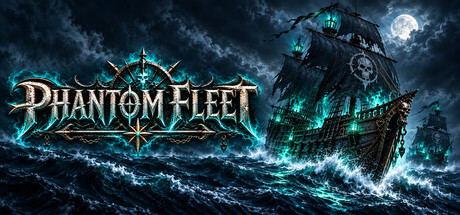
Phantom Fleet uses generative AI during development to assist in creating card illustrations, skill icons, UI decorations, backgrounds, ship textures, and some visual effect assets. AI assistance was also used in writing in-game descriptions and store page text.
Background music and sound effects were created using audio synthesis code written with the assistance of AI and are included in the game.
All of this content is pre-generated during development. The game does not use generative AI to create new images, music, dialogue, or other content in real time during gameplay.
Some artwork in the game and its Steam store and marketing materials was created or refined with generative AI tools before release. Some music tracks were generated offline with ACE-Step. These are fixed, pre-generated assets. The game does not generate AI content during gameplay or connect to an external AI service.
We use AI tools to make some of the game's art, sound, voices and writing. Every result was reviewed and edited before it went into the game.
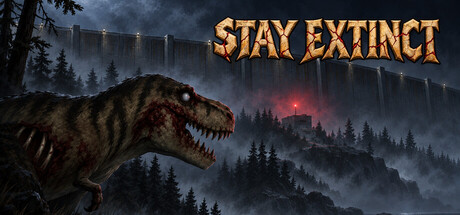
- 3D models: most creature and character bodies (dinosaurs, Ice Age animals, wildlife, the infected, the customisable human bodies, hairstyles and hats) and some props and plants were generated with Tripo through Unity AI, from reference images made with OpenAI GPT Image. They were then cleaned up, rigged and fitted to the game's style.
- Textures: the dinosaur hides and the human characters' faces, skin, clothing and infection damage were painted with the help of GPT Image.
- Illustrations: the field guide's species plates were generated with GPT Image from renders of the in-game models.
- Sound: the calls of the mammoths, giant elk, ground sloths and sauropods were generated with Unity AI sound generation.
- Voices: the radio voices (the island broadcasts, the voice on the collection frequency and the facility's recorded messages) and the skipper's two lines in the opening scene are AI voices, made with ElevenLabs Eleven v4 text-to-speech from the game's own script. Face-to-face dialogue and the tapes are not voiced.
- Writing: in-game text (dialogue, records and descriptions) and this store page were drafted with AI writing assistance and edited by the developer.
- Store art: the capsule and library artwork and the logo were generated with GPT Image. They are illustrations, not screenshots. The screenshots, trailers and About clips are in-engine footage with licensed music and sound effects; any voices, herd calls, logo or artwork in the trailers are the AI content listed above.
Buildings, vehicles, weapons, most props, the music, most sound effects and all animation come from licensed asset packs (a few animation clips are adapted from them). The interface was built for the game. The game generates no AI content while you play.
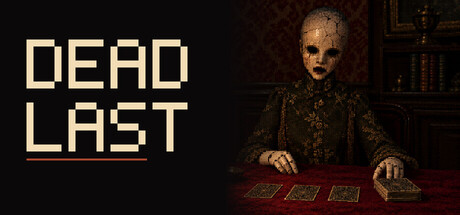
Some visual and audio assets were generated with AI tools during development and edited for use in Dead Last. No AI content is generated during gameplay.
Some assets in this game were created with generative AI during development: 3D models of characters and props (including some of their animations), and images such as textures and illustrations. All of them were selected and adjusted by the developers before being used in the game. No content is generated by AI while the game is running.
AI-assisted tools were used during development for selected artwork and audio, store page text, and localization. All content is included in the game or its promotional materials in a pre-generated form. No generative AI runs during gameplay, and the game does not connect to external AI services.
This game used AI assistance to help arrange the store page artwork and to support programming. AI assistance was also used to write the store page text, and the multi-language localization in the current version was produced with AI assistance. All AI-related work was carried out under the direction and planning of the developer.
Generative AI was used to assist with the creation of the game logo and some promotional assets for the Steam store. The generated materials were selected, edited, and further processed by the developer before use.
Generative AI was also used during development to assist with programming and debugging.
No generative AI is used to generate content during gameplay.
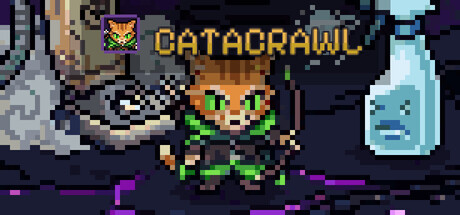
Pre-generated content only, nothing is generated while the game runs. Most of the pixel art for monsters, bosses, world objects (shrines, totems, traps, items), boon card art and the three hero cats was generated with PixelLab (an AI pixel-art tool) from text prompts and from our own hand-drawn references, then hand-corrected, quantized to the game's palette and animated frame by frame. The music and all sound effects are synthesized procedurally in our own code (no AI). Purchased asset packs (tiles, UI) are hand-drawn by their artists. No AI-generated text, voices or story.
Generative AI tools were used during development to assist with the creation and editing of some text content and graphical materials used in the game and its related assets.
Pre-generated AI content:
Some promotional artwork used on the Steam store page was created with generative AI and subsequently edited by the developer
We don’t particularly like using AI.
Unfortunately, we are a small indie studio made of programmers and designers who are currently somewhere between “making a game” and “having existential crises”.
So, for now, we use AI to help us with some parts of our daily work and to bring some of our music, ideas, and inspirations to life.
But don’t worry, we haven’t handed over the steering wheel to the robots just yet.
Our project, its identity, and its originality are still created and directed by us. AI is simply one of the tools helping us survive the development process while our budget is busy pretending it doesn’t exist.
As soon as we have the resources to replace AI with our own human made work, we absolutely intend to do so.
Until then, we’re just a bunch of indie developers trying to make something cool before our refrigerators become purely decorative objects.
Void Runners was developed with the help of AI coding tools. The game's art, music and sound effects are generated procedurally by code written with those tools; no AI model runs in the game, and no content is generated live while you play.
The vast majority of this game—including original game design, programming, character creation, dialogue, custom audio, and overall creative direction—was fully developed and crafted by the author.
Artificial Intelligence tools were used strictly as an auxiliary production aid for:
Audio & Sound: Selective background music tracks and specific ambient sound effects to complement the game's soundscape.
All core gameplay, visual assets, character designs, and mechanics are 100% original, hand-crafted work.
Some pre-generated promotional artwork and the game icon were created with generative AI. Gameplay screenshots and trailer footage are captured directly from the game. The game does not generate content during play.
Generative AI tools were used during development to assist with the creation and iteration of some game assets and development code. AI-assisted content included in the final game is pre-generated and reviewed by the developer. The game does not generate AI content during gameplay.
Shift32 is being developed by a solo developer. Generative AI tools were used selectively during development to create and iterate on some in-game assets, including certain 3D models and textures, as well as some promotional and Steam store artwork. No generative AI is used during gameplay, and the game does not connect to external AI services while running.
Glyphtrip is made by a studio of three: one human and two silicon genius-toddlers. The soundtrack stems were generated with AI and mixed and mastered by hand. The translations and custom font were made with AI.
The game's characters, environment tiles, and totem were created by the developer in Aseprite. Additional enemy variants and animation frames were produced with the help of an AI coding assistant that draws sprites programmatically from authored pixel data. The menu music was created with the help of AI music tools. All promotional and store artwork was created by a human artist. No content is generated by AI while the game is running.
About half of the background and prop pixel art was created with generative AI image tools and then edited by the developer. Character art is mostly hand-drawn.
During development, generative AI tools including OpenAI image generation and Higgsfield assisted with pre-generated visual source material for characters, enemies, bosses, animation strips, world props and floors, menu and capsule art, icons, and achievement art. AI coding assistants also contributed to production code, QA tooling, documentation, player-facing copy, and localization drafts. The developer selected, edited, cleaned, composited, animated, integrated, and QA-reviewed the resulting material. All player-visible content is fixed in the shipped build: no prompt, generative model, or external generation service runs at runtime, and the game has no live-generated AI feature.
Generative AI was used only for a few images shown briefly in the trailer (such as the wolf and the monkey in the suit). All in-game models and textures were hand-drawn by me.
Generative AI tools were utilized during development to assist in creating certain visual assets, including store page capsule graphics, promotional imagery, and selected in-game 2D UI/icon elements. All generated content was curated, edited, and integrated by the developer.
Artificial intelligence has been used in visual and music production, as well as to accelerate coding.
The development team has been responsible for final touches and decisions since the very beginning of the game's design.
Some visual assets (artwork and cinematic scenes) and some music and sound effects were created with the help of generative AI tools, then reviewed and curated by the developer. No content is generated by AI during gameplay.
Some artwork used on this store page and in marketing materials (key art and capsule images), and some in-game 2D art such as item icons, was created with the help of generative AI tools and then selected, edited and composited by the developer. The game does not generate any AI content during gameplay and does not connect to any AI service.
Some music, cinematic visuals, voice-over, and promotional artwork were created using generative AI tools, then selected and edited by the developer. All such content is pre-made; no AI content is generated during gameplay.
AI tools were used during development to help write code, store and in-game text, translations, and the code that draws some icons. All output was reviewed and edited by the developer. The game does not generate any content with AI while you play.
Generative AI assisted in creating some artwork, dialogue, descriptions, and translations during development. No AI content is generated during gameplay.
Yes, AI helped make this game. Here's exactly how:
• I built it with an AI coding assistant. The design and direction are mine; the AI did a lot of the typing.
• The narrator's lines and item descriptions were drafted with AI and edited by me. So was this page.
• No image, music or voice generators. The art and sound are drawn and synthesized by code.
• Nothing is AI-generated while you play.
This game contains content created with the assistance of AI tools. AI was used during development to assist with programming, visual assets, and other creative elements. All generated content was reviewed, edited, and integrated by the dev.
The Rend is made by a small indie team, with core character art, animation, and design created by human artists we've worked with and credited.
We use generative AI tools in a supporting role for environment art direction and variation, additional views and variations of existing character designs, and some temporary UI artwork, such as achievement badges that haven't received their final art yet. No content is generated by AI during gameplay.
All AI-assisted content is directed, reviewed, and edited by our team. As development continues, we'll keep working with artists and developers to improve the game's art and overall experience.
Some sprite artwork was created with generative AI tools during development. SPLIT-S does not generate AI content during gameplay or connect to external AI services.
Phantom Fleet uses generative AI during development to assist in creating card illustrations, skill icons, UI decorations, backgrounds, ship textures, and some visual effect assets. AI assistance was also used in writing in-game descriptions and store page text.
Background music and sound effects were created using audio synthesis code written with the assistance of AI and are included in the game.
All of this content is pre-generated during development. The game does not use generative AI to create new images, music, dialogue, or other content in real time during gameplay.
Some artwork in the game and its Steam store and marketing materials was created or refined with generative AI tools before release. Some music tracks were generated offline with ACE-Step. These are fixed, pre-generated assets. The game does not generate AI content during gameplay or connect to an external AI service.
We use AI tools to make some of the game's art, sound, voices and writing. Every result was reviewed and edited before it went into the game.
- 3D models: most creature and character bodies (dinosaurs, Ice Age animals, wildlife, the infected, the customisable human bodies, hairstyles and hats) and some props and plants were generated with Tripo through Unity AI, from reference images made with OpenAI GPT Image. They were then cleaned up, rigged and fitted to the game's style.
- Textures: the dinosaur hides and the human characters' faces, skin, clothing and infection damage were painted with the help of GPT Image.
- Illustrations: the field guide's species plates were generated with GPT Image from renders of the in-game models.
- Sound: the calls of the mammoths, giant elk, ground sloths and sauropods were generated with Unity AI sound generation.
- Voices: the radio voices (the island broadcasts, the voice on the collection frequency and the facility's recorded messages) and the skipper's two lines in the opening scene are AI voices, made with ElevenLabs Eleven v4 text-to-speech from the game's own script. Face-to-face dialogue and the tapes are not voiced.
- Writing: in-game text (dialogue, records and descriptions) and this store page were drafted with AI writing assistance and edited by the developer.
- Store art: the capsule and library artwork and the logo were generated with GPT Image. They are illustrations, not screenshots. The screenshots, trailers and About clips are in-engine footage with licensed music and sound effects; any voices, herd calls, logo or artwork in the trailers are the AI content listed above.
Buildings, vehicles, weapons, most props, the music, most sound effects and all animation come from licensed asset packs (a few animation clips are adapted from them). The interface was built for the game. The game generates no AI content while you play.
Some visual and audio assets were generated with AI tools during development and edited for use in Dead Last. No AI content is generated during gameplay.
Some assets in this game were created with generative AI during development: 3D models of characters and props (including some of their animations), and images such as textures and illustrations. All of them were selected and adjusted by the developers before being used in the game. No content is generated by AI while the game is running.
AI-assisted tools were used during development for selected artwork and audio, store page text, and localization. All content is included in the game or its promotional materials in a pre-generated form. No generative AI runs during gameplay, and the game does not connect to external AI services.
This game used AI assistance to help arrange the store page artwork and to support programming. AI assistance was also used to write the store page text, and the multi-language localization in the current version was produced with AI assistance. All AI-related work was carried out under the direction and planning of the developer.
Generative AI was used to assist with the creation of the game logo and some promotional assets for the Steam store. The generated materials were selected, edited, and further processed by the developer before use.
Generative AI was also used during development to assist with programming and debugging.
No generative AI is used to generate content during gameplay.
Pre-generated content only, nothing is generated while the game runs. Most of the pixel art for monsters, bosses, world objects (shrines, totems, traps, items), boon card art and the three hero cats was generated with PixelLab (an AI pixel-art tool) from text prompts and from our own hand-drawn references, then hand-corrected, quantized to the game's palette and animated frame by frame. The music and all sound effects are synthesized procedurally in our own code (no AI). Purchased asset packs (tiles, UI) are hand-drawn by their artists. No AI-generated text, voices or story.
Generative AI tools were used during development to assist with the creation and editing of some text content and graphical materials used in the game and its related assets.
Pre-generated AI content:
Some promotional artwork used on the Steam store page was created with generative AI and subsequently edited by the developer
We don’t particularly like using AI.
Unfortunately, we are a small indie studio made of programmers and designers who are currently somewhere between “making a game” and “having existential crises”.
So, for now, we use AI to help us with some parts of our daily work and to bring some of our music, ideas, and inspirations to life.
But don’t worry, we haven’t handed over the steering wheel to the robots just yet.
Our project, its identity, and its originality are still created and directed by us. AI is simply one of the tools helping us survive the development process while our budget is busy pretending it doesn’t exist.
As soon as we have the resources to replace AI with our own human made work, we absolutely intend to do so.
Until then, we’re just a bunch of indie developers trying to make something cool before our refrigerators become purely decorative objects.
Void Runners was developed with the help of AI coding tools. The game's art, music and sound effects are generated procedurally by code written with those tools; no AI model runs in the game, and no content is generated live while you play.
The vast majority of this game—including original game design, programming, character creation, dialogue, custom audio, and overall creative direction—was fully developed and crafted by the author.
Artificial Intelligence tools were used strictly as an auxiliary production aid for:
Audio & Sound: Selective background music tracks and specific ambient sound effects to complement the game's soundscape.
All core gameplay, visual assets, character designs, and mechanics are 100% original, hand-crafted work.
Some pre-generated promotional artwork and the game icon were created with generative AI. Gameplay screenshots and trailer footage are captured directly from the game. The game does not generate content during play.
Generative AI tools were used during development to assist with the creation and iteration of some game assets and development code. AI-assisted content included in the final game is pre-generated and reviewed by the developer. The game does not generate AI content during gameplay.
Shift32 is being developed by a solo developer. Generative AI tools were used selectively during development to create and iterate on some in-game assets, including certain 3D models and textures, as well as some promotional and Steam store artwork. No generative AI is used during gameplay, and the game does not connect to external AI services while running.
Glyphtrip is made by a studio of three: one human and two silicon genius-toddlers. The soundtrack stems were generated with AI and mixed and mastered by hand. The translations and custom font were made with AI.