Public Steam disclosure research25,376 disclosures tracked
Where do games disclose AI use?
Search developers’ Steam disclosures, compare classified AI use across
games, and follow recorded changes.
This index adds cross-game classifications and statistics to
statements published on individual store pages.
Groups reflect automatic analysis of public disclosures; mature records are excluded. These counts do not measure AI use across all of Steam.
Missing or unclear statements cannot establish whether a game uses AI.
This game uses generative AI to create some character sprites, event CGs, backgrounds, and other in-game images. Some translations are also created using generative AI. These AI-generated assets are used as part of the game's content, as well as in images displayed on the game's store page. The game does not use generative AI to generate content in real time based on player input.
Generative AI tools were used during development to create and refine the game’s visual artwork, music, and programming code. All generated material was reviewed, curated, edited, and integrated by the developer. The game does not generate AI content during gameplay, and no player input or data is sent to generative AI services.
AI generation was temporarily used for placeholder assets, sound effects, and code during early development. all of these will be replaced with custom work before the official launch. AI is not used at runtime.
Generative AI was used to assist in creating certain decorative user interface elements, and background graphics. All gameplay systems, mechanics, programming, game design, and core game content were created and curated by the development team.
Electric Crust was designed, built, and directed by its developer, Charles Whetstone. I used generative AI as a production assistance tool for a subset of shipping assets including some sprite artwork that began in Midjourney output before being manipulated and reworked by hand, along with soundtrack being initially created with assistance of Suno. Both were used under paid commercial licenses.
The game performs no live or runtime AI generation. Every asset is fixed and authored before release, and the game makes no network calls
of any kind.
Generative AI tools were used during development of this game.
2D art, including character illustrations and in-game documents and photographs, was created with image generation tools, then edited and composed by hand.
Some 3D props and environment models were created with a model generation service, then adjusted for the game.
Background music was created with a music generation service. Sound effects are not generated; they are openly licensed recordings that we processed ourselves.
AI coding tools assisted with writing and reviewing code. All final decisions and edits are made by the developer.
Every generated asset was selected and reworked by a person before it went into the game.
Generative AI was used during development to assist with some pre-generated visual assets, including selected 3D models, textures, and animations. All such content is reviewed and edited by the development team. No generative AI runs during gameplay, and no player input is sent to an AI service.
To streamline development and enhance our creative vision, generative AI technologies were utilized in the following areas during the production of this game:
Programming & Development Support: AI tools assisted in drafting source code and verifying game logic.
Art & Visual Assets: AI tools were used to assist with concept art and base background materials, all of which were manually retouched, processed, and reconstructed.
Music: AI tools were used to assist in arranging and producing original tracks, followed by manual editing and mastering.
All AI-assisted assets have been carefully curated, modified, and reviewed manually by the developer prior to integration into the game. The game does not feature any live-generated AI content during gameplay, and development strictly adheres to all applicable legal standards and Steam's content guidelines.
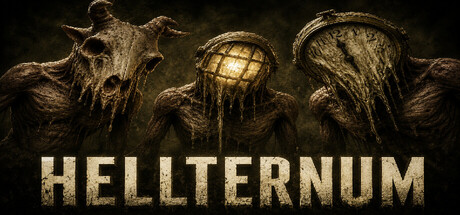
Hellternum is developed by a small independent studio. Some visual elements — certain in-game illustrations, textures and marketing images — were produced with the help of generative AI tools, always under direct human art direction and edited by hand to fit the game's visual identity.
Everything else is human-made: design, writing, level design, code and audio.
We think you should know this before you play.
Tidy Tokens is the first game created by our small independent development team, born from a shared passion and a dream of creating our own video game. With limited resources, we used generative AI tools as assistance in certain areas, including some graphical and musical elements. These tools helped complement our skills and allowed us to bring to life a project we could not have created alone at this scale. The game, its design, its world, and its development remain the result of our work, creative decisions, and passion.
Some of this game's 2D art (such as item icons and UI illustrations) was created with the help of generative AI, and AI was also used to help write and translate some in-game and store page text. All of it was reviewed and finalized by the developer, and no content is generated by AI while you play.
During development of this game, generative AI was used for the creation of some sound effects and background music, localization.
Generative AI was not used in the creation of the game's artwork or story.
This game uses generative AI tools during development for some pre-rendered assets, including store capsules and key art, character sprites, backgrounds, CGs, and certain audio. AI-assisted assets are selected and edited before inclusion. Story and game systems are human-authored.
AI-generated content is used in the following areas of this game:
- Icons: Some card icon artwork was AI-assisted.
- Localization: All translated text was generated using AI.
- Game balance: Adjustments were guided by AI-based simulation.
- Help / guide / character text: Generated with AI, then edited by the developer.
- Story text: AI was used during early drafting, but nearly all of it has been rewritten by the developer.
This game contains AI-generated content, including images and audio.
All AI-generated content was pre-generated.
No generative AI is used during gameplay.
Generative AI tools were used during development to assist with certain pre-generated visual elements and sequences in the game. All such materials were reviewed, selected, edited, and integrated into the final video content by the Dev team. The game’s narrative, interactive structure, gameplay logic, and final presentation are created and controlled by the Dev team.
No generative AI is used during gameplay, and no content is generated dynamically for players.
AI-assisted translation tools are used to help localize this game's text for international audiences, including English and any additional languages added in the future.
No AI-generated content is used for graphics, sound, or narrative/story content.
This game makes extensive use of generative AI in the creation of most game assets, including 3D modeling, voice, sound, video, images, textures, scenario and narrative writing, and translation/localization. As a result, various content and assets included in the game may be generated or assisted using generative AI.
This game may include content created with the assistance of generative artificial intelligence, including artwork, music, sound, narrative, or other assets. The use of generative AI may change over the course of development and future updates, including the introduction of further AI-generated content.
Some 2D art assets in this game (character illustrations, sprites, backgrounds, and UI decorations) were created using generative AI (Google Gemini) and then retouched and processed under human supervision. Text, code, and game design were created with AI-assisted tools under human direction and review. All generated content has been reviewed by a human to ensure it does not resemble existing copyrighted works.
Some in-game background artwork was created using generative AI as source material, then manually edited, processed, and optimized by the developer.
Some music was arranged using generative AI services based on original compositions previously written by the developer, then manually edited and remastered.
Generative AI was also used to assist with translation and editing of some store-page text and English localization, with the final content reviewed and edited by the developer.
The game does not generate any AI content at runtime.
Generative AI is used solely for localization from Japanese into other languages, both within the game itself and for external content such as this store page. All artwork and story content in the game are created by hand, and no generative AI is used in their creation.
This game contains content created with the help of generative AI tools. Specifically: some illustrations, including artwork used in the Steam capsule images, and some secondary environment props were produced with AI assistance and then edited and finalized by our team. AI tools were also used during pre-production for idea generation and concept art, and as a coding assistant during development. All core art, characters, level design, and writing are created by humans. The game does not contain live-generated AI content.
Generative AI tools were used during development to help create and refine pre generated visual assets, text and localization, and code. All AI-assisted material included in the game was reviewed and integrated by the developer, with further editing where needed. The game does not use live generative AI and does not generate content during gameplay.
This game’s art, music, and localization were created with the assistance of generative AI during production. All related content was pre-generated during development, then selected and integrated by the developer. No generative AI services are called during gameplay, and no AI content is generated in real time.
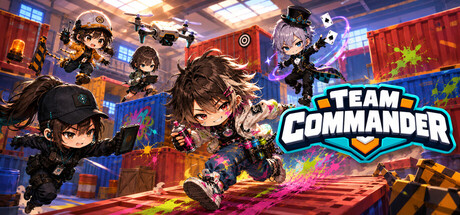
Team Commander uses generative AI to interpret player-issued natural-language commands and convert them into predefined in-game actions. The AI is used for command interpretation and does not generate unrestricted story, dialogue, images, or other free-form gameplay content. Generative AI was also used to assist with some visual and localized store materials.
AI is used in part for translating text from Japanese into the supported languages.
AI is not used for game development, content generation, or any purposes other than translation.
Since this is just a prequel to the main story, we used AI to create most of the art so we could finish it quickly and move on to the main story. All the text and voice content were done without any AI involvement.
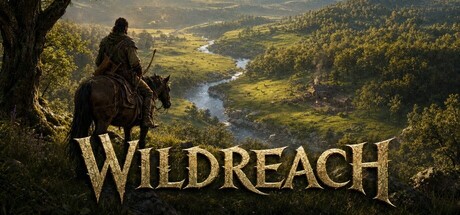
Wildreach is made by a solo developer working alongside AI tools. AI assisted in authoring game logic (Blueprint scripting) and some store/marketing text during development. All 3D art, animation, and audio are licensed asset-pack content made by human artists. No AI content is generated at runtime.
This game uses generative AI to create some character sprites, event CGs, backgrounds, and other in-game images. Some translations are also created using generative AI. These AI-generated assets are used as part of the game's content, as well as in images displayed on the game's store page. The game does not use generative AI to generate content in real time based on player input.
Generative AI tools were used during development to create and refine the game’s visual artwork, music, and programming code. All generated material was reviewed, curated, edited, and integrated by the developer. The game does not generate AI content during gameplay, and no player input or data is sent to generative AI services.
AI generation was temporarily used for placeholder assets, sound effects, and code during early development. all of these will be replaced with custom work before the official launch. AI is not used at runtime.
Generative AI was used to assist in creating certain decorative user interface elements, and background graphics. All gameplay systems, mechanics, programming, game design, and core game content were created and curated by the development team.
Electric Crust was designed, built, and directed by its developer, Charles Whetstone. I used generative AI as a production assistance tool for a subset of shipping assets including some sprite artwork that began in Midjourney output before being manipulated and reworked by hand, along with soundtrack being initially created with assistance of Suno. Both were used under paid commercial licenses.
The game performs no live or runtime AI generation. Every asset is fixed and authored before release, and the game makes no network calls
of any kind.
Generative AI tools were used during development of this game.
2D art, including character illustrations and in-game documents and photographs, was created with image generation tools, then edited and composed by hand.
Some 3D props and environment models were created with a model generation service, then adjusted for the game.
Background music was created with a music generation service. Sound effects are not generated; they are openly licensed recordings that we processed ourselves.
AI coding tools assisted with writing and reviewing code. All final decisions and edits are made by the developer.
Every generated asset was selected and reworked by a person before it went into the game.
Generative AI was used during development to assist with some pre-generated visual assets, including selected 3D models, textures, and animations. All such content is reviewed and edited by the development team. No generative AI runs during gameplay, and no player input is sent to an AI service.
To streamline development and enhance our creative vision, generative AI technologies were utilized in the following areas during the production of this game:
Programming & Development Support: AI tools assisted in drafting source code and verifying game logic.
Art & Visual Assets: AI tools were used to assist with concept art and base background materials, all of which were manually retouched, processed, and reconstructed.
Music: AI tools were used to assist in arranging and producing original tracks, followed by manual editing and mastering.
All AI-assisted assets have been carefully curated, modified, and reviewed manually by the developer prior to integration into the game. The game does not feature any live-generated AI content during gameplay, and development strictly adheres to all applicable legal standards and Steam's content guidelines.
Hellternum is developed by a small independent studio. Some visual elements — certain in-game illustrations, textures and marketing images — were produced with the help of generative AI tools, always under direct human art direction and edited by hand to fit the game's visual identity.
Everything else is human-made: design, writing, level design, code and audio.
We think you should know this before you play.
Tidy Tokens is the first game created by our small independent development team, born from a shared passion and a dream of creating our own video game. With limited resources, we used generative AI tools as assistance in certain areas, including some graphical and musical elements. These tools helped complement our skills and allowed us to bring to life a project we could not have created alone at this scale. The game, its design, its world, and its development remain the result of our work, creative decisions, and passion.
Some of this game's 2D art (such as item icons and UI illustrations) was created with the help of generative AI, and AI was also used to help write and translate some in-game and store page text. All of it was reviewed and finalized by the developer, and no content is generated by AI while you play.
During development of this game, generative AI was used for the creation of some sound effects and background music, localization.
Generative AI was not used in the creation of the game's artwork or story.
This game uses generative AI tools during development for some pre-rendered assets, including store capsules and key art, character sprites, backgrounds, CGs, and certain audio. AI-assisted assets are selected and edited before inclusion. Story and game systems are human-authored.
AI-generated content is used in the following areas of this game:
- Icons: Some card icon artwork was AI-assisted.
- Localization: All translated text was generated using AI.
- Game balance: Adjustments were guided by AI-based simulation.
- Help / guide / character text: Generated with AI, then edited by the developer.
- Story text: AI was used during early drafting, but nearly all of it has been rewritten by the developer.
This game contains AI-generated content, including images and audio.
All AI-generated content was pre-generated.
No generative AI is used during gameplay.
Generative AI tools were used during development to assist with certain pre-generated visual elements and sequences in the game. All such materials were reviewed, selected, edited, and integrated into the final video content by the Dev team. The game’s narrative, interactive structure, gameplay logic, and final presentation are created and controlled by the Dev team.
No generative AI is used during gameplay, and no content is generated dynamically for players.
AI-assisted translation tools are used to help localize this game's text for international audiences, including English and any additional languages added in the future.
No AI-generated content is used for graphics, sound, or narrative/story content.
This game makes extensive use of generative AI in the creation of most game assets, including 3D modeling, voice, sound, video, images, textures, scenario and narrative writing, and translation/localization. As a result, various content and assets included in the game may be generated or assisted using generative AI.
This game may include content created with the assistance of generative artificial intelligence, including artwork, music, sound, narrative, or other assets. The use of generative AI may change over the course of development and future updates, including the introduction of further AI-generated content.
Some 2D art assets in this game (character illustrations, sprites, backgrounds, and UI decorations) were created using generative AI (Google Gemini) and then retouched and processed under human supervision. Text, code, and game design were created with AI-assisted tools under human direction and review. All generated content has been reviewed by a human to ensure it does not resemble existing copyrighted works.
Some in-game background artwork was created using generative AI as source material, then manually edited, processed, and optimized by the developer.
Some music was arranged using generative AI services based on original compositions previously written by the developer, then manually edited and remastered.
Generative AI was also used to assist with translation and editing of some store-page text and English localization, with the final content reviewed and edited by the developer.
The game does not generate any AI content at runtime.
Generative AI is used solely for localization from Japanese into other languages, both within the game itself and for external content such as this store page. All artwork and story content in the game are created by hand, and no generative AI is used in their creation.
This game contains content created with the help of generative AI tools. Specifically: some illustrations, including artwork used in the Steam capsule images, and some secondary environment props were produced with AI assistance and then edited and finalized by our team. AI tools were also used during pre-production for idea generation and concept art, and as a coding assistant during development. All core art, characters, level design, and writing are created by humans. The game does not contain live-generated AI content.
Generative AI tools were used during development to help create and refine pre generated visual assets, text and localization, and code. All AI-assisted material included in the game was reviewed and integrated by the developer, with further editing where needed. The game does not use live generative AI and does not generate content during gameplay.
This game’s art, music, and localization were created with the assistance of generative AI during production. All related content was pre-generated during development, then selected and integrated by the developer. No generative AI services are called during gameplay, and no AI content is generated in real time.
Team Commander uses generative AI to interpret player-issued natural-language commands and convert them into predefined in-game actions. The AI is used for command interpretation and does not generate unrestricted story, dialogue, images, or other free-form gameplay content. Generative AI was also used to assist with some visual and localized store materials.
AI is used in part for translating text from Japanese into the supported languages.
AI is not used for game development, content generation, or any purposes other than translation.
Since this is just a prequel to the main story, we used AI to create most of the art so we could finish it quickly and move on to the main story. All the text and voice content were done without any AI involvement.
Wildreach is made by a solo developer working alongside AI tools. AI assisted in authoring game logic (Blueprint scripting) and some store/marketing text during development. All 3D art, animation, and audio are licensed asset-pack content made by human artists. No AI content is generated at runtime.