Public Steam disclosure research25,376 disclosures tracked
Where do games disclose AI use?
Search developers’ Steam disclosures, compare classified AI use across
games, and follow recorded changes.
This index adds cross-game classifications and statistics to
statements published on individual store pages.
Groups reflect automatic analysis of public disclosures; mature records are excluded. These counts do not measure AI use across all of Steam.
Missing or unclear statements cannot establish whether a game uses AI.
Generative AI tools were used during development to assist with the creation of a limited number of graphical assets and promotional materials. The selected content was reviewed, adapted, and integrated by the development team. The game does not use live-generated AI, and no content is generated while playing.
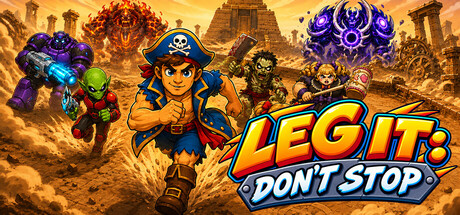
Some visual assets in Leg It: Don't Stop, including character and environment artwork, were created with the assistance of generative AI tools and then selected, edited, and integrated into the game by the developer. The game does not generate AI content during gameplay.
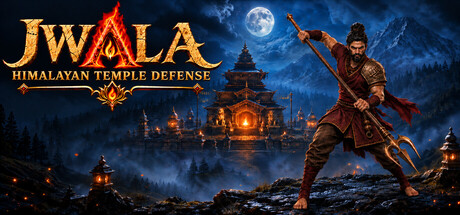
Generative AI tools were used during development to help create visual assets for this game, including character art, environments such as the temple, weapons, and other in-game artwork, as well as store and marketing images (capsule art, logo, and store background). All AI-assisted content was reviewed, edited, and finalized by the developer, who holds the rights to use it. No AI-generated content is created live during gameplay.
Some of the artwork was created using AI tools. The code was also reviewed with, or assisted by, AI.
If the concept finds its audience, we intend to pay an artist to produce artwork that is not AI-generated. Artists who would like to be part of the project are welcome to join us.
We used generative AI tools (such as Claude) during development to assist with creating certain in-game assets, textures, or text elements. All AI-generated content has been reviewed, selected, and integrated by human creators into the final game.
Generative AI was used during development to assist with the creation of some visual and promotional assets, including artwork used on the Steam store page and marketing materials. All AI-assisted content was reviewed and curated by the developer. No generative AI is used during gameplay.
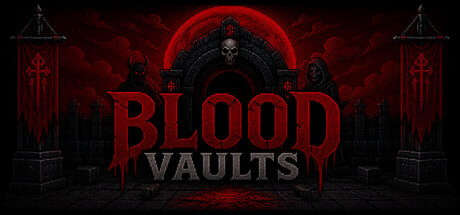
Blood Vaults was independently developed by Cryptwake Studios with limited assistance from generative AI tools. These tools were used as part of the development workflow to assist with select visual assets, content, and development materials. The game’s design, systems, mechanics, direction, and implementation are developer-created. Any AI-assisted content appearing in the final game is reviewed, modified where appropriate, and integrated by the developer.
As a solo independent developer, I used generative AI as a support tool to assist in the creation of selected promotional artwork displayed on the Steam store page. All final assets were manually selected, edited, and integrated by me. No generative AI content is created during gameplay.
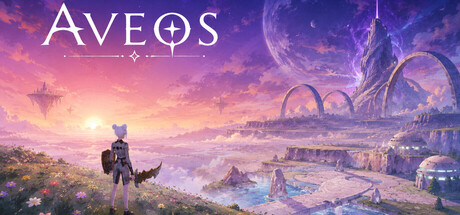
AI has been used to assist in the build process, but has absolutely not been used in thematic creative direction, game play or story direction whatsoever. Aveos is a solo developer project, and nothing has been left for AI to decide. All results have been tailored to fit the output of the vision, and it is used in lieu of a team of developers. Should those resources have been available, they would have been obviously preferred.
Generative AI tools were used to assist in creating and refining some pre-generated artwork, including promotional and Steam store imagery. All such material was reviewed and edited by the developer. The game does not generate AI content live during gameplay.
Artificial intelligence has been used solely to generate certain 2D icons used in the game's menus, such as icons for weapon upgrades, artifacts, and similar elements.
AI has not been used under any circumstances to generate 3D models, user interfaces, in-game menus, weapons, enemies, environments, animations, VFX, or any other playable content or assets.
The use of AI is strictly limited to specific 2D icons of a visual and informational nature within the interface.
Generative AI was used to create certain promotional artwork for the Steam store page, including capsule images and the community icon. These assets were reviewed and edited by the developer. The game itself does not contain AI-generated artwork, audio, narrative, localization, or live-generated AI content.
Generative AI was used during development to create or refine pre-generated visual assets, music and audio, and localization drafts included in the game and its marketing materials. All such content was reviewed and curated by the developer before release. The game does not generate AI content during play and does not send player data to external AI services.
Generative AI was used as a development aid to create and modify program code, produce some visual assets, and draft localized text. All AI-generated content has been reviewed, edited, and adjusted by the developer. No AI content is generated while the game is running.
An AI-assisted tool was used to create a preliminary translation pass that was reviewed and revised by human localization professionals.
AI was not and will not be used to generate in-game art, audio, narrative, or gameplay elements.
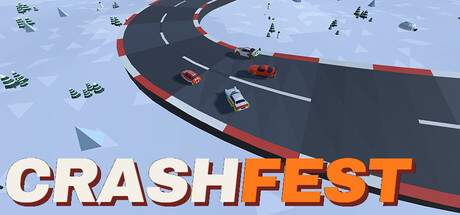
CrashFest is a one-person game, built in Unity between coffee and complaints from playtesters. It started as a physics experiment about shoving a low-poly car off a ledge and got out of hand once six controllers were plugged in.
I’m a software engineer, not an artist. So a good chunk of CrashFest was made together with Claude AI — art direction, shaders, menus, the visual bits I’d never have drawn on my own — and the soundtrack comes out of Suno. The code, the physics and every questionable design decision are mine.
To streamline development and enhance our creative vision, generative AI technologies were utilized in the following areas during the production of this game:
Programming & Development Support: AI tools assisted in drafting source code and verifying game logic.
Art & Visual Assets: AI tools were used to assist with concept art and base background materials, all of which were manually retouched, processed, and reconstructed.
Music: AI tools were used to assist in arranging and producing original tracks, followed by manual editing and mastering.
All AI-assisted assets have been carefully curated, modified, and reviewed manually by the developer prior to integration into the game. The game does not feature any live-generated AI content during gameplay, and development strictly adheres to all applicable legal standards and Steam's content guidelines.
Laryen includes an optional in-game AI companion named Laria. When a player asks Laria a question by voice or text, her answer is generated at runtime by an AI language model, grounded in Laryen's own game data (monsters, hunting grounds, equipment, drops and progression). Laria answers questions about the game only. She does not generate artwork, music, or content that is shared with other players, and using her is never required to play.
Some artwork used in our store page and marketing materials was created with the assistance of generative AI tools and reviewed by our team before publication.
Generative AI was used to create and iteratively refine some graphics and promotional images, as well as to assist with writing and implementing the game’s code. All outputs were selected, reviewed, and integrated by the developer. No AI-generated content is produced during gameplay.
Beneath Solmere includes pre-generated content created with the assistance of generative AI tools. This includes six music tracks created with Google Gemini/Lyria, AI-assisted localization for nine non-English languages, and AI-generated artwork used in Steam Store marketing materials. No generative AI is used during gameplay.
Generative AI is used to assist with the translation and localization of in-game text and Steam store page content from the original Japanese into other supported languages.
"Generative AI tools were used to create 2D promotional images and capsule artwork for the Steam store page. The game itself does not use real-time AI generation during gameplay."
Generative AI was used to translate (localize) the original Korean text into other languages. The original text was written by the development team, and the AI translations were reviewed before use.
The game is primarily developed using Houdini, VEX and Godot. Generative AI assists with concept/reference artwork, initial 3D asset generation, and programming. Assets are further processed, optimized, rigged and animated in Houdini before integration into the game.
Generative AI was used to create portions of the promotional trailer. The game itself does not contain AI-generated 3D assets; its 3D assets are commercially licensed assets.
Our work incorporates commissioned artwork, licensed and publicly available assets, and AI-generated content. Regardless of the source materials used, the final product is the creative expression of our development team.
Some artwork and visual assets in this game were created with the assistance of generative AI tools during development. All such content was reviewed, edited, and integrated into the game by the developer.
This game uses generative AI tools in the creation of some of its pre-rendered content, including parts of its artwork and store page assets. All AI-assisted material was reviewed, edited, and approved by the development team before being included in the final product. No content is generated by AI during gameplay, and the game does not connect to any external AI service while running.
Portions of the in-game codex (character biographies, historical battle summaries) were drafted with the assistance of a large language model based on the developer's own lore notes and edited by hand. A subset of pixel-art tile and prop textures were procedurally generated from developer-written Python scripts. All content is reviewed and finalized by the developer; no generative image models (e.g. Stable Diffusion, Midjourney) were used to produce in-game art.
Generative AI tools were used to assist in the creation and enhancement of selected promotional artwork and Store Page imagery. All generated materials were reviewed, edited, and curated by the development team. The game itself does not use generative AI to create content dynamically during gameplay.
The 2D art in this game — character and enemy sprites, weapon and UI icons, visual effects, tilesets, the title screen, and the store artwork — was produced with the help of generative AI image tools. Every asset was then processed by hand for the game: sliced, colour-keyed, scaled with nearest-neighbour, and assembled into sprite sheets by the developer.
All audio is synthesised procedurally by the developer's own scripts — it is not AI generated. The game's code and design are written by the developer.
Nothing is generated by AI while you play. All content ships with the game and never changes.
Generative AI tools were used during development to assist with the creation of a limited number of graphical assets and promotional materials. The selected content was reviewed, adapted, and integrated by the development team. The game does not use live-generated AI, and no content is generated while playing.
Some visual assets in Leg It: Don't Stop, including character and environment artwork, were created with the assistance of generative AI tools and then selected, edited, and integrated into the game by the developer. The game does not generate AI content during gameplay.
Generative AI tools were used during development to help create visual assets for this game, including character art, environments such as the temple, weapons, and other in-game artwork, as well as store and marketing images (capsule art, logo, and store background). All AI-assisted content was reviewed, edited, and finalized by the developer, who holds the rights to use it. No AI-generated content is created live during gameplay.
Some of the artwork was created using AI tools. The code was also reviewed with, or assisted by, AI.
If the concept finds its audience, we intend to pay an artist to produce artwork that is not AI-generated. Artists who would like to be part of the project are welcome to join us.
We used generative AI tools (such as Claude) during development to assist with creating certain in-game assets, textures, or text elements. All AI-generated content has been reviewed, selected, and integrated by human creators into the final game.
Generative AI was used during development to assist with the creation of some visual and promotional assets, including artwork used on the Steam store page and marketing materials. All AI-assisted content was reviewed and curated by the developer. No generative AI is used during gameplay.
Blood Vaults was independently developed by Cryptwake Studios with limited assistance from generative AI tools. These tools were used as part of the development workflow to assist with select visual assets, content, and development materials. The game’s design, systems, mechanics, direction, and implementation are developer-created. Any AI-assisted content appearing in the final game is reviewed, modified where appropriate, and integrated by the developer.
As a solo independent developer, I used generative AI as a support tool to assist in the creation of selected promotional artwork displayed on the Steam store page. All final assets were manually selected, edited, and integrated by me. No generative AI content is created during gameplay.
AI has been used to assist in the build process, but has absolutely not been used in thematic creative direction, game play or story direction whatsoever. Aveos is a solo developer project, and nothing has been left for AI to decide. All results have been tailored to fit the output of the vision, and it is used in lieu of a team of developers. Should those resources have been available, they would have been obviously preferred.
Generative AI tools were used to assist in creating and refining some pre-generated artwork, including promotional and Steam store imagery. All such material was reviewed and edited by the developer. The game does not generate AI content live during gameplay.
Artificial intelligence has been used solely to generate certain 2D icons used in the game's menus, such as icons for weapon upgrades, artifacts, and similar elements.
AI has not been used under any circumstances to generate 3D models, user interfaces, in-game menus, weapons, enemies, environments, animations, VFX, or any other playable content or assets.
The use of AI is strictly limited to specific 2D icons of a visual and informational nature within the interface.
Generative AI was used to create certain promotional artwork for the Steam store page, including capsule images and the community icon. These assets were reviewed and edited by the developer. The game itself does not contain AI-generated artwork, audio, narrative, localization, or live-generated AI content.
Generative AI was used during development to create or refine pre-generated visual assets, music and audio, and localization drafts included in the game and its marketing materials. All such content was reviewed and curated by the developer before release. The game does not generate AI content during play and does not send player data to external AI services.
Generative AI was used as a development aid to create and modify program code, produce some visual assets, and draft localized text. All AI-generated content has been reviewed, edited, and adjusted by the developer. No AI content is generated while the game is running.
An AI-assisted tool was used to create a preliminary translation pass that was reviewed and revised by human localization professionals.
AI was not and will not be used to generate in-game art, audio, narrative, or gameplay elements.
CrashFest is a one-person game, built in Unity between coffee and complaints from playtesters. It started as a physics experiment about shoving a low-poly car off a ledge and got out of hand once six controllers were plugged in.
I’m a software engineer, not an artist. So a good chunk of CrashFest was made together with Claude AI — art direction, shaders, menus, the visual bits I’d never have drawn on my own — and the soundtrack comes out of Suno. The code, the physics and every questionable design decision are mine.
To streamline development and enhance our creative vision, generative AI technologies were utilized in the following areas during the production of this game:
Programming & Development Support: AI tools assisted in drafting source code and verifying game logic.
Art & Visual Assets: AI tools were used to assist with concept art and base background materials, all of which were manually retouched, processed, and reconstructed.
Music: AI tools were used to assist in arranging and producing original tracks, followed by manual editing and mastering.
All AI-assisted assets have been carefully curated, modified, and reviewed manually by the developer prior to integration into the game. The game does not feature any live-generated AI content during gameplay, and development strictly adheres to all applicable legal standards and Steam's content guidelines.
Laryen includes an optional in-game AI companion named Laria. When a player asks Laria a question by voice or text, her answer is generated at runtime by an AI language model, grounded in Laryen's own game data (monsters, hunting grounds, equipment, drops and progression). Laria answers questions about the game only. She does not generate artwork, music, or content that is shared with other players, and using her is never required to play.
Some artwork used in our store page and marketing materials was created with the assistance of generative AI tools and reviewed by our team before publication.
Generative AI was used to create and iteratively refine some graphics and promotional images, as well as to assist with writing and implementing the game’s code. All outputs were selected, reviewed, and integrated by the developer. No AI-generated content is produced during gameplay.
Beneath Solmere includes pre-generated content created with the assistance of generative AI tools. This includes six music tracks created with Google Gemini/Lyria, AI-assisted localization for nine non-English languages, and AI-generated artwork used in Steam Store marketing materials. No generative AI is used during gameplay.
Generative AI is used to assist with the translation and localization of in-game text and Steam store page content from the original Japanese into other supported languages.
"Generative AI tools were used to create 2D promotional images and capsule artwork for the Steam store page. The game itself does not use real-time AI generation during gameplay."
Generative AI was used to translate (localize) the original Korean text into other languages. The original text was written by the development team, and the AI translations were reviewed before use.
The game is primarily developed using Houdini, VEX and Godot. Generative AI assists with concept/reference artwork, initial 3D asset generation, and programming. Assets are further processed, optimized, rigged and animated in Houdini before integration into the game.
Generative AI was used to create portions of the promotional trailer. The game itself does not contain AI-generated 3D assets; its 3D assets are commercially licensed assets.
Our work incorporates commissioned artwork, licensed and publicly available assets, and AI-generated content. Regardless of the source materials used, the final product is the creative expression of our development team.
Some artwork and visual assets in this game were created with the assistance of generative AI tools during development. All such content was reviewed, edited, and integrated into the game by the developer.
This game uses generative AI tools in the creation of some of its pre-rendered content, including parts of its artwork and store page assets. All AI-assisted material was reviewed, edited, and approved by the development team before being included in the final product. No content is generated by AI during gameplay, and the game does not connect to any external AI service while running.
Portions of the in-game codex (character biographies, historical battle summaries) were drafted with the assistance of a large language model based on the developer's own lore notes and edited by hand. A subset of pixel-art tile and prop textures were procedurally generated from developer-written Python scripts. All content is reviewed and finalized by the developer; no generative image models (e.g. Stable Diffusion, Midjourney) were used to produce in-game art.
Generative AI tools were used to assist in the creation and enhancement of selected promotional artwork and Store Page imagery. All generated materials were reviewed, edited, and curated by the development team. The game itself does not use generative AI to create content dynamically during gameplay.
The 2D art in this game — character and enemy sprites, weapon and UI icons, visual effects, tilesets, the title screen, and the store artwork — was produced with the help of generative AI image tools. Every asset was then processed by hand for the game: sliced, colour-keyed, scaled with nearest-neighbour, and assembled into sprite sheets by the developer.
All audio is synthesised procedurally by the developer's own scripts — it is not AI generated. The game's code and design are written by the developer.
Nothing is generated by AI while you play. All content ships with the game and never changes.