Public Steam disclosure research25,706 disclosures tracked
Where do games disclose AI use?
Search developers’ Steam disclosures, compare classified AI use across
games, and follow recorded changes.
This index adds cross-game classifications and statistics to
statements published on individual store pages.
Groups reflect automatic analysis of public disclosures; mature records are excluded. These counts do not measure AI use across all of Steam.
Missing or unclear statements cannot establish whether a game uses AI.
The game features AI-generated sound effects. To provide players with so many languages, we used AI for localization. We'll do everything we can to ensure better translation quality in the full version. Additionally, we used artificial intelligence to create some graphics like wallpapers, steam cards and other smaller graphics.
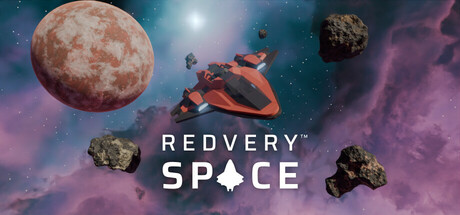
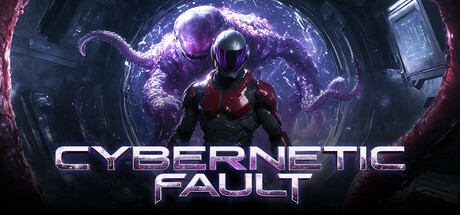
We use AI technology only in one very specific way: to bring the ship’s computer to life with a voice. These lines are generated during development, not in real time. Every sound is carefully reviewed, optimized, and fine-tuned by us until it feels authentic and exactly how we imagine a spacecraft’s onboard system should sound.
Our goal is immersion. The AI voice is a tool that helps us craft a computer voice that feels convincing and consistent, so that when you sit in the cockpit, it really feels like your ship is speaking to you.
Some of the images on our store page were created by artificial intelligence and edits were made on the images. and some images in the game were made by artificial intelligence.
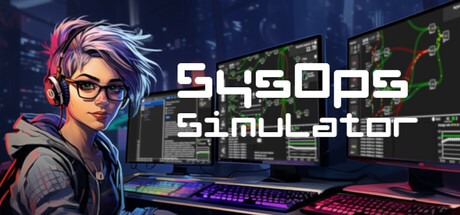
I use AI-generated pre-rendered images for the Desktop Backgrounds in the game. This is to provide the player with a more unique, customizable experience over their in-game computer.
I also use AI-generated pre-rendered images for character photos/portraits when needed.
All images do not resemble or impersonate any person, living or dead.
Three images - out of almost 600 images, videos and other files files included in the game - were prepared using generative AI.
The Case of Andrew D. is an Alternate Reality game and player is expected to look for information and clues on the web and in social media. While most pictures used are arranged photos taken in a real life and in real places, to avoid confusion we didn't want to use photos of real people. To make sure people referred to in the game (apart from some cameos) don't exist and can't be located nor stalked, three portrait photos used in the game were produced with AI models.
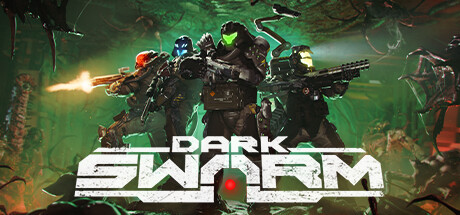
DarkSwarm is built by hand, by talented individuals — but we may have used generative AI, among other tools, to visualize ideas during the concept phase, helping us deliver the best possible game experience.
In that sense, it has supported the creation of certain environmental assets, images, and props. It's one of many tools in our creative toolbox and is always used alongside handcrafted work.
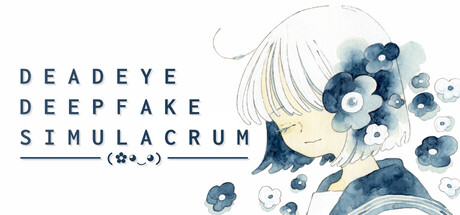
Deadeye Deepfake Simulacrum makes use of a custom built variational autoencoder to assist in the creation of character sprites, trained exclusively on the sprites I've already created. A separate generative adversarial network is used to make images that serve as the basis for some facial sprites, and background art.
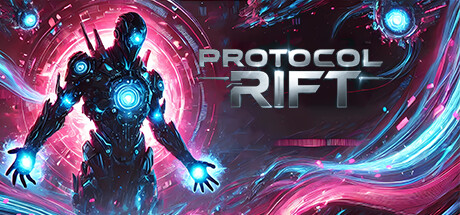
AI-assisted tools may also be used during development for temporary voice-over drafts, sound exploration, and visual concept iteration, strictly as part of the production workflow.
Final voice acting, sound effects, music selection, visual assets, and UI elements are curated, edited, or replaced by the developer before release to meet quality, consistency, and licensing standards.
No AI systems generate live audio, voices, images, or visual content during gameplay.
All final in-game audiovisual content is authored, validated, and intentionally integrated into the game experience.
The game features AI-generated sound effects. To provide players with so many languages, we used AI for localization. We'll do everything we can to ensure better translation quality in the full version. Additionally, we used artificial intelligence to create some graphics like wallpapers, steam cards and other smaller graphics.
We use AI technology only in one very specific way: to bring the ship’s computer to life with a voice. These lines are generated during development, not in real time. Every sound is carefully reviewed, optimized, and fine-tuned by us until it feels authentic and exactly how we imagine a spacecraft’s onboard system should sound.
Our goal is immersion. The AI voice is a tool that helps us craft a computer voice that feels convincing and consistent, so that when you sit in the cockpit, it really feels like your ship is speaking to you.
Some of the images on our store page were created by artificial intelligence and edits were made on the images. and some images in the game were made by artificial intelligence.
I use AI-generated pre-rendered images for the Desktop Backgrounds in the game. This is to provide the player with a more unique, customizable experience over their in-game computer.
I also use AI-generated pre-rendered images for character photos/portraits when needed.
All images do not resemble or impersonate any person, living or dead.
Three images - out of almost 600 images, videos and other files files included in the game - were prepared using generative AI.
The Case of Andrew D. is an Alternate Reality game and player is expected to look for information and clues on the web and in social media. While most pictures used are arranged photos taken in a real life and in real places, to avoid confusion we didn't want to use photos of real people. To make sure people referred to in the game (apart from some cameos) don't exist and can't be located nor stalked, three portrait photos used in the game were produced with AI models.
DarkSwarm is built by hand, by talented individuals — but we may have used generative AI, among other tools, to visualize ideas during the concept phase, helping us deliver the best possible game experience.
In that sense, it has supported the creation of certain environmental assets, images, and props. It's one of many tools in our creative toolbox and is always used alongside handcrafted work.
Deadeye Deepfake Simulacrum makes use of a custom built variational autoencoder to assist in the creation of character sprites, trained exclusively on the sprites I've already created. A separate generative adversarial network is used to make images that serve as the basis for some facial sprites, and background art.
AI-assisted tools may also be used during development for temporary voice-over drafts, sound exploration, and visual concept iteration, strictly as part of the production workflow.
Final voice acting, sound effects, music selection, visual assets, and UI elements are curated, edited, or replaced by the developer before release to meet quality, consistency, and licensing standards.
No AI systems generate live audio, voices, images, or visual content during gameplay.
All final in-game audiovisual content is authored, validated, and intentionally integrated into the game experience.