Public Steam disclosure research25,376 disclosures tracked
Where do games disclose AI use?
Search developers’ Steam disclosures, compare classified AI use across
games, and follow recorded changes.
This index adds cross-game classifications and statistics to
statements published on individual store pages.
Groups reflect automatic analysis of public disclosures; mature records are excluded. These counts do not measure AI use across all of Steam.
Missing or unclear statements cannot establish whether a game uses AI.
We use AI as a technical tool to support our human developers. While all of our 3D game models, environments, and core game art are hand-crafted by our artists, we use AI to assist with 2D rendering and localization. For 2D promotional art, AI is used to composite, light, and polish images based strictly on our original in-game assets. We also utilize AI-assisted translation pipelines to help localize our massive world into multiple languages for our global community.
AI tools were used as part of the game's visual production and post-production workflow.
The game's 3D assets, environments, characters, animations, and scenes are created and rendered by the developer. AI is primarily used to upscale lower-resolution renders to higher resolutions, helping reduce rendering time while maintaining the desired visual quality.
In some cinematic sequences, AI-assisted tools are also used as part of the production process. Additionally, AI may be used for certain visual corrections, modifications, or minor fixes to rendered images instead of re-rendering an entire scene.
AI is therefore used as a supporting tool in the development and post-production process, while the overall artistic direction, 3D production, scene creation, rendering, and final implementation are handled by the developer.
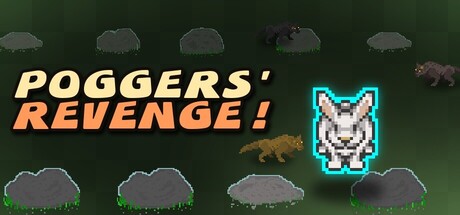
Generative AI was used near the end of the development process to make the colored fur on the wolves seen in the cinematic video and also used side by side with the developer to create a simple but clean UI (user interface).
Generative AI tools were used during development to assist with programming and implementation. The developer created the original game and codebase, with AI assistance used to modify and expand portions of the code, including implementation of the graphics and other visual/gameplay elements.
Generative AI tools were used to assist in creating certain pre-rendered 2D assets, including achievement icons. These assets are static, were manually reviewed and edited before inclusion, and do not involve any live generation during gameplay. The game does not send player information to generative AI services.
The game uses a wide variety of artificial intelligence products in the art creation process. Ranging from 3d model generation to 2D art, music and sound effects.
The character voices in this game were generated using artificial intelligence (AI). No character visuals, animations, or other game assets were generated using AI.
Generative AI tools were used during development to assist with pre-generated content. No generative AI content is created during gameplay, and the game does not connect to external AI services.
Generative AI was used only to create the game's promotional trailer and Steam store banner art (capsule images). No AI-generated content, art, audio, code, or text is used within the game itself. The final gameplay is entirely hand-crafted.
Generative AI tools were used during the development of the game in the following areas:
Programming & Code: The vast majority of the game's codebase was written with the assistance of AI.
Graphics & Visuals: A portion of the 2D artwork, promotional graphics, and UI icons were generated or created using AI tools.
Audio & Music: AI tools were used to generate some of the soundtrack.
All AI-generated content was reviewed, edited, and integrated into the final game by human developers.
This game utilizes adaptive AI technology during gameplay to power the police interrogator's responses. Player input is evaluated live to generate dynamic, context-aware dialogue and push the interrogation forward.
Background Art — AI generation tools were used for some of the background images. Not all backgrounds were created with AI; hand-made backgrounds are also used. AI-assisted images were further processed to match the game's pixel art style.
Music — The music in this game was created using AI generation tools.
Generative AI was used as an assistance tool during development, including assistance with programming/code, visual assets, artwork, and game content. Generative AI was also used to assist with some promotional and Steam Store artwork. All AI-assisted content was reviewed and integrated by the developer. The game does not generate AI content during gameplay.
Generative AI was used near the end of the development process to make the colored fur on the wolves seen in the cinematic video and also used side by side with the developer to create a simple but clean UI (user interface).
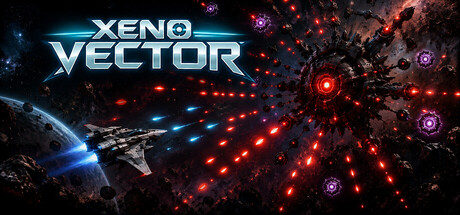
AI-assisted coding was used in the development of Xenovector, including systems responsible for procedural environments, visual effects and dynamically assembled in-game scenery.
AI-generated or AI-assisted artwork was also used for in-game backgrounds and graphical elements, in addition to promotional/store assets.
Generative AI was used during the development of Between Jobs to assist in creating 2D graphical assets. This includes static background art, environmental textures, and store page graphics. No AI content is live-generated while playing the game.
AI is used in part for translating text from Japanese into the supported languages.
AI is not used for game development, content generation, or any purposes other than translation.
Generative AI was used as an assistive tool during development to create certain visual assets and other supporting content. All AI-assisted content was reviewed, edited, and integrated by the developer. The game does not use live-generated AI.
American Gold Rush uses limited AI-generated art in a small number of places, all of it pre-generated during development. No AI is used while you play, and nothing about the game changes at runtime.
AI-generated: the title artwork, some background pieces like the sky.
Not AI-generated: all pixel art, all sound effects, all music, all game code and all writing. These are human-made, by named people paid for the work.
Some assets and code in Angkor were created with the assistance of generative AI tools, including 2D art, sound effects, portions of the game's code, and some in-game text. All AI-assisted content was reviewed, edited, and integrated by a human developer. Angkor does not generate any content live during gameplay.
Generative AI was used extensively during development to assist with writing and debugging code, creating concept and promotional artwork, and brainstorming game content. All final content was reviewed, tested, and implemented by the developer. The finished game does not use generative AI at runtime, and players will not encounter AI-generated content while playing.
Generative AI tools were used during development to assist in creating certain environmental textures and ambient sound effects to enhance the game's atmosphere. All generated assets were reviewed and integrated manually to fit the retro aesthetic of the game.
Some 2D art in the game was created with the help of an AI pixel-art tool during development, specifically the application icons and and was hand-adjusted before shipping. The rest of the game's art, including all fish sprites and item icons, was made without AI.
Neverrest uses generative AI tools during development to assist with the creation of some pre-rendered 2D artwork and visual assets. All AI-assisted content is reviewed, edited, and integrated by the developer. The game does not generate AI content during gameplay.
Some in-game artwork (slot machine cabinet art, icons, and store page marketing images) was created with generative AI tools, then reviewed, selected, and post-processed by the developer. The game does not generate any content in real time.
Certain visual assets incorporated into the final product were subject to a multi-stage development, revision, and production process involving, at intermediate stages of asset preparation, generative AI-assisted material, together with subsequent developer-directed editing, alteration, reconstruction, and final implementation.
The majority of the game's programming was done by AI.
For the in-game text, AI is utilized as a supplementary tool to improve grammar, but all text is ultimately checked and adjusted manually. AI is also used for translating the game into other languages.
However, no AI is used whatsoever for the illustrations or UI.
Generative AI has been used for concepts and early sketches of some backgrounds. No final graphical assets included in the game have been generated by AI.
Some promotional images have been enhanced using AI.
Some music tracks have been created with the help of AI.
No live AI generation is used during gameplay. TinSpring Soccer's boards, characters, textures, and sounds are produced procedurally by game code. AI tools were used under developer direction for implementation, localization, and selected store page artwork.
Generative AI was used to assist in the creation of a small number of pre-generated sound effects. All AI-assisted audio was reviewed and curated by the developer. No generative AI is used during gameplay, and the game does not generate content in real time.
We use AI as a technical tool to support our human developers. While all of our 3D game models, environments, and core game art are hand-crafted by our artists, we use AI to assist with 2D rendering and localization. For 2D promotional art, AI is used to composite, light, and polish images based strictly on our original in-game assets. We also utilize AI-assisted translation pipelines to help localize our massive world into multiple languages for our global community.
AI tools were used as part of the game's visual production and post-production workflow.
The game's 3D assets, environments, characters, animations, and scenes are created and rendered by the developer. AI is primarily used to upscale lower-resolution renders to higher resolutions, helping reduce rendering time while maintaining the desired visual quality.
In some cinematic sequences, AI-assisted tools are also used as part of the production process. Additionally, AI may be used for certain visual corrections, modifications, or minor fixes to rendered images instead of re-rendering an entire scene.
AI is therefore used as a supporting tool in the development and post-production process, while the overall artistic direction, 3D production, scene creation, rendering, and final implementation are handled by the developer.
Generative AI was used near the end of the development process to make the colored fur on the wolves seen in the cinematic video and also used side by side with the developer to create a simple but clean UI (user interface).
Generative AI tools were used during development to assist with programming and implementation. The developer created the original game and codebase, with AI assistance used to modify and expand portions of the code, including implementation of the graphics and other visual/gameplay elements.
Generative AI tools were used to assist in creating certain pre-rendered 2D assets, including achievement icons. These assets are static, were manually reviewed and edited before inclusion, and do not involve any live generation during gameplay. The game does not send player information to generative AI services.
The game uses a wide variety of artificial intelligence products in the art creation process. Ranging from 3d model generation to 2D art, music and sound effects.
The character voices in this game were generated using artificial intelligence (AI). No character visuals, animations, or other game assets were generated using AI.
Generative AI tools were used during development to assist with pre-generated content. No generative AI content is created during gameplay, and the game does not connect to external AI services.
Generative AI was used only to create the game's promotional trailer and Steam store banner art (capsule images). No AI-generated content, art, audio, code, or text is used within the game itself. The final gameplay is entirely hand-crafted.
Generative AI tools were used during the development of the game in the following areas:
Programming & Code: The vast majority of the game's codebase was written with the assistance of AI.
Graphics & Visuals: A portion of the 2D artwork, promotional graphics, and UI icons were generated or created using AI tools.
Audio & Music: AI tools were used to generate some of the soundtrack.
All AI-generated content was reviewed, edited, and integrated into the final game by human developers.
This game utilizes adaptive AI technology during gameplay to power the police interrogator's responses. Player input is evaluated live to generate dynamic, context-aware dialogue and push the interrogation forward.
Background Art — AI generation tools were used for some of the background images. Not all backgrounds were created with AI; hand-made backgrounds are also used. AI-assisted images were further processed to match the game's pixel art style.
Music — The music in this game was created using AI generation tools.
Generative AI was used as an assistance tool during development, including assistance with programming/code, visual assets, artwork, and game content. Generative AI was also used to assist with some promotional and Steam Store artwork. All AI-assisted content was reviewed and integrated by the developer. The game does not generate AI content during gameplay.
Generative AI was used near the end of the development process to make the colored fur on the wolves seen in the cinematic video and also used side by side with the developer to create a simple but clean UI (user interface).
AI-assisted coding was used in the development of Xenovector, including systems responsible for procedural environments, visual effects and dynamically assembled in-game scenery.
AI-generated or AI-assisted artwork was also used for in-game backgrounds and graphical elements, in addition to promotional/store assets.
Generative AI was used during the development of Between Jobs to assist in creating 2D graphical assets. This includes static background art, environmental textures, and store page graphics. No AI content is live-generated while playing the game.
AI is used in part for translating text from Japanese into the supported languages.
AI is not used for game development, content generation, or any purposes other than translation.
Generative AI was used as an assistive tool during development to create certain visual assets and other supporting content. All AI-assisted content was reviewed, edited, and integrated by the developer. The game does not use live-generated AI.
American Gold Rush uses limited AI-generated art in a small number of places, all of it pre-generated during development. No AI is used while you play, and nothing about the game changes at runtime.
AI-generated: the title artwork, some background pieces like the sky.
Not AI-generated: all pixel art, all sound effects, all music, all game code and all writing. These are human-made, by named people paid for the work.
Some assets and code in Angkor were created with the assistance of generative AI tools, including 2D art, sound effects, portions of the game's code, and some in-game text. All AI-assisted content was reviewed, edited, and integrated by a human developer. Angkor does not generate any content live during gameplay.
Generative AI was used extensively during development to assist with writing and debugging code, creating concept and promotional artwork, and brainstorming game content. All final content was reviewed, tested, and implemented by the developer. The finished game does not use generative AI at runtime, and players will not encounter AI-generated content while playing.
Generative AI tools were used during development to assist in creating certain environmental textures and ambient sound effects to enhance the game's atmosphere. All generated assets were reviewed and integrated manually to fit the retro aesthetic of the game.
Some 2D art in the game was created with the help of an AI pixel-art tool during development, specifically the application icons and and was hand-adjusted before shipping. The rest of the game's art, including all fish sprites and item icons, was made without AI.
Neverrest uses generative AI tools during development to assist with the creation of some pre-rendered 2D artwork and visual assets. All AI-assisted content is reviewed, edited, and integrated by the developer. The game does not generate AI content during gameplay.
Some in-game artwork (slot machine cabinet art, icons, and store page marketing images) was created with generative AI tools, then reviewed, selected, and post-processed by the developer. The game does not generate any content in real time.
Certain visual assets incorporated into the final product were subject to a multi-stage development, revision, and production process involving, at intermediate stages of asset preparation, generative AI-assisted material, together with subsequent developer-directed editing, alteration, reconstruction, and final implementation.
The majority of the game's programming was done by AI.
For the in-game text, AI is utilized as a supplementary tool to improve grammar, but all text is ultimately checked and adjusted manually. AI is also used for translating the game into other languages.
However, no AI is used whatsoever for the illustrations or UI.
Generative AI has been used for concepts and early sketches of some backgrounds. No final graphical assets included in the game have been generated by AI.
Some promotional images have been enhanced using AI.
Some music tracks have been created with the help of AI.
No live AI generation is used during gameplay. TinSpring Soccer's boards, characters, textures, and sounds are produced procedurally by game code. AI tools were used under developer direction for implementation, localization, and selected store page artwork.
Generative AI was used to assist in the creation of a small number of pre-generated sound effects. All AI-assisted audio was reviewed and curated by the developer. No generative AI is used during gameplay, and the game does not generate content in real time.