


Disclosure
Generative AI used in the development of the title, and the marketing of it.
- Creator
- tinybox games :)
- Reviews
- -
- Added
- Oct 12, 2026
Public Steam disclosure research 25,376 disclosures tracked
Search developers’ Steam disclosures, compare classified AI use across games, and follow recorded changes. This index adds cross-game classifications and statistics to statements published on individual store pages.
Code help, debugging and other development work.
Capsule art, trailers and promotional material.
Pre-made art, audio, writing and other game assets.
Interactive or runtime AI features disclosed by the developer.
Groups reflect automatic analysis of public disclosures; mature records are excluded. These counts do not measure AI use across all of Steam. Missing or unclear statements cannot establish whether a game uses AI.
Generative AI used in the development of the title, and the marketing of it.
AI was used responsibly in the making of this game
Only alien images were generated using AI.
Some in-game 3D models, textures and sound effects are generated by code written with AI assistance.
Generative AI tools were used during development to create 2D illustrations for in-game cards, environmental backgrounds, and store capsule graphics. All generated art assets have been curated, manually edited, and adapted for the game, ensuring they contain no copyrighted or infringing material.
AI was used to help generate code and as a tool to troubleshoot it. The poker chip images on the seat badges, and the achievement icons built from them, were generated with an image model from prompts written for this game, then prepared and finished by hand. Nothing is generated while the game runs.
Generative AI tools were used in the development of some visual assets, primarily to help enhance and upscale textures and create additional variations. All assets were reviewed and integrated by the development team as part of the game's art pipeline.
Generative Artificial Intelligence used to create background graphics and voices.
I used an AI coding assistant while building the game, and it helped come up with the achievement names and descriptions, and some events which I edited. Nothing else in the game is AI generated: the soundtrack is licensed from its creators, the radio voices are my own recordings, and the art and sounds are produced by the game's code.
We’re two developers living on opposite sides of the world, who have been A LOT of sleepless nights building the game and world we wanted to see made possible. Without AI, this game would not have been possible. Despite that, we know that the world would be portrayed much better with a dedicated team of designers and artists behind it. We've made it a massive priority ours to create all of our visual design with as much human touch as we can to stay true to how we envision the world. The story, characters, worldbuilding, etc. Are all written by uS. A *very* generous friend is creating the soundtrack. We know everyone has different views on AI generated content and we are committed to being VERY clear of the when and where of it's used. In the long-term, we hope to grow to a point where we rely on AI less, and rely on people more for further development of Vorpus.
Translation: AI tools assisted with translating the game's text into Simplified Chinese, Japanese, Korean, Spanish, Brazilian Portuguese, Italian and French. The English text, all art, music and sound are made by hand.
The booth announcer's voice (Chuck Baseball) is generated with ElevenLabs from a script written by the developers. AI tools also assisted with translating the game's text into Simplified Chinese, Japanese, Korean, Spanish, Brazilian Portuguese, Italian and French.
some 2D art elements & some audio
Generative AI tools were used during development to assist with portions of the game’s pre-generated 2D character and promotional artwork, localization drafts, and code. All AI-assisted material was reviewed, selected, and edited by the developer before inclusion. The game does not generate AI content during gameplay.
Localization and some (not all) of the fake company logos. Most of the stuff was either created by me directly or through paid assets and services.
Generative AI tools were used during development to create artwork, character voices, sound effects, and portions of the written content. AI-generated artwork is also used in the store page and promotional materials. These assets are prepared in advance; the game does not generate AI content or connect to generative AI services during gameplay.
Game music was pre-generated using AI tools and edited during development. Select non-English/German text localizations were pre-translated using AI translation tools and reviewed.
This game incorporates AI assistance in its development. The overall vision and execution remain that of the developer. All language translations were done using Claude. If there are any mistranslations, please contact me to fix them!
Generative AI tools were used during development to assist with the creation and iteration of some game assets and development code. AI-assisted content included in the final game is pre-generated and reviewed by the developer. The game does not generate AI content during gameplay.
AI is used to assist with programming, graphics creation and translations.
Many assets in the game were generated with AI including weapons, models, and textures. AI systems were also used to create tooling for development.
Kana Cross uses generative AI in the following ways, all reviewed by a person before release: • Music: the game's background music was created using generative AI music tools. • Localization: some of the Visual Novel and game's dictionary word meanings and translations.
Generative AI was used to create the background artwork in the Steam store and library images, and the Drift Quest logo, which also appears in the game. AI tools were also used during development: AI coding assistants helped write the game's code, the store description was written with AI assistance, and the game and store texts were translated into 29 languages and reviewed with AI. AI also helped write some of the game's English text, such as quest, item and spell names. The in-game interface and icon art comes from licensed asset packs, and the music is licensed from Phat Phrog Studios. No content is generated by AI while you play.
This game has utilized generative AI for development.
Some of the images in the game were stylized using AI.
Character, monster, and item artwork in this game was pre-generated using AI image generation tools (FLUX.1). No AI-generated content is created live during gameplay, and the game does not connect to any third-party AI service at runtime.
i coded this game by hand over 16 years; now i use ai to help me with the refactor (from hotseat -> online play)
As a solo dev who is horrible at drawing but good at code, 2d and 3d assets have been build using the help of generative AI.
This game uses generative AI as part of its content creation pipeline. Some elements of the store page cover art were generated using AI and then combined with additional artwork created by our designer. Certain in-game environment textures were processed using AI-assisted tools as part of the texturing workflow. Character voices were recorded by our own team and then processed with AI-based voice conversion to transform them into different character voices. All AI-assisted content was reviewed and refined by our team before being included in the final game.
Generative AI was used as a development tool for selected visual assets and concept artwork, as well as for assistance during development. All AI-assisted content was reviewed, edited, and integrated by the developer.
This game contains content created with the assistance of AI tools. AI was used during development to assist with programming, visual assets, and other creative elements. All generated content was reviewed, edited, and integrated by the dev.
Guild of Souls features artwork developed with generative AI.
Some artwork on ROM Hollow's store page was generated with AI.
I used AI to help generate some of the voice acting that is used in the game.
The current soundtrack and its album-cover artwork were generated with AI music and image tools and selected by the developer. I am looking to commission original music from human artists; if you make music and would like to hear your tracks in BrickAmp, get in touch at team@brickamp.com. Some level layouts and visual effects were drafted with AI-assisted coding tools and hand-reviewed. All of this content is pre-generated and ships with the game. Nothing is generated live during play, and the game does not connect to any AI service.
HELIOBANE was made with the help of generative AI tools. - Assets: AI was used to generate some of the game's assets, including artwork, voice lines, sound effects, in-game text and translations. Artwork was edited and fitted to the game's 32-colour palette and style before use. - Music: the soundtrack was made with a custom tracker built for agentic work, by an AI trained on a curated collection of public-domain tracker (MOD) music. - Some store page and marketing art is also AI-assisted. Nothing is generated while you play. All content is fixed in the build, and the game does not connect to any AI service.
The game to contain art assets generated by artificial intelligence
Generative AI tools were used to assist in the creation and refinement of some pre-rendered artwork and interface elements. AI-generated music is also used, and AI tools assisted with store-page text and localization. All AI-assisted content was selected, edited, and reviewed by the developer. The game does not generate AI content during gameplay.
The game engine is written with substantial AI assistance. Some dialogues and quest texts are AI generated, and are successively replaced by human-written dialogue. Every piece of flavor text has a label that states the author (human or ai). The 3D character models are currently generated with AI, and then transformed through a custom pipeline to work with the text-based graphics and CPU rendering. It is possible to replace them with manually crafted models.
In-game visuals and audio were developed with AI assistance.
This game includes assets created with generative AI during development (official music, song artwork, and drum animations). Nothing is generated while you play, and the game does not connect to an AI service at runtime. Players cannot send prompts to any AI.
The game to contain art assets generated by artificial intelligence
AI tools were used in the development of this project
AI models have been used to validate, optimize, rank and test the puzzles and the simulation engine. Soundtrack is procedurally generated music using the same engine that simulates the electronics, powered by the C~ language.
The original 1998 version of Avalon was created entirely by hand, including its graphics, music, story, gameplay, game engine and even its custom music software. Avalon: Legacy Edition retains many of these original assets. Generative AI was used to create or refine much of the updated visual, audio and written content. No content is generated live during gameplay.
Ia was only used for create the main menu song and the main menu cover image.
Some of this game's art was stylized or created with AI image generation tools from original prompts and project reference material: character portraits, tables, backgrounds, and Steam store and community artwork. Initial translations were AI-assisted. All of it was edited and reviewed before shipping. The soundtrack is chip-synth music generated at build time by the game's own code, no audio model and no sampled audio in the shipped files. Several tracks are AI-stylized arrangements of original songs written by a member of the development team; others were composed with AI assistance to our direction. Nothing is generated by AI while you play.
The text on the store page was translated using generative AI.
Some images in the game were created using generative AI.
Aetas is designed, directed and built by a single developer. Generative AI was used as a development assistant: it helped write code and tools, the in-game texts and their English/Dutch localization, and the store page texts, all under the developer's direction and review. No AI image generation was used: all sprites and tiles are hand-drawn Liberated Pixel Cup art by human artists (credited in the game folder), or assembled programmatically from that art. The trailer music was produced by a synthesis script. The game does not generate any content with AI during gameplay and does not connect to any AI service.
| Title⇅ | Disclosure | Creator⇅ | Src | Reviews⇅ | Added↓ |
|---|---|---|---|---|---|
 Amberfall: Village Defense Unclear | Generative AI used in the development of the title, and the marketing of it. | tinybox games :) | - | Oct 12, 2026 | |
 Elder Hills Unclear | AI was used responsibly in the making of this game | Darkfoo Games | - | Oct 12, 2026 | |
 QSO7 In-game content art | Only alien images were generated using AI. | John Nash | - | Oct 11, 2026 | |
 Soul Snake 3D In-game content artaudiocode | Some in-game 3D models, textures and sound effects are generated by code written with AI assistance. | nanophage research | - | Oct 10, 2026 | |
 Keep It Trolling: Fantasy Edition In-game content art | Generative AI tools were used during development to create 2D illustrations for in-game cards, environmental backgrounds, and store capsule graphics. All generated art assets have been curated, manually edited, and adapted for the game, ensuring they contain no copyrighted or infringing material. | Nicholas Pace | - | Oct 10, 2026 | |
 Follow Suit In-game content artcode | AI was used to help generate code and as a tool to troubleshoot it. The poker chip images on the seat badges, and the achievement icons built from them, were generated with an image model from prompts written for this game, then prepared and finished by hand. Nothing is generated while the game runs. | Follow Suit | - | Oct 10, 2026 | |
 Mightmancer In-game content art | Generative AI tools were used in the development of some visual assets, primarily to help enhance and upscale textures and create additional variations. All assets were reviewed and integrated by the development team as part of the game's art pipeline. | Haphazardly | - | Oct 10, 2026 | |
 A Cruise for Murder In-game content artaudio | Generative Artificial Intelligence used to create background graphics and voices. | MICHAEL CHOURDAKIS | - | Oct 9, 2026 | |
 Catch Command '98 In-game content text | I used an AI coding assistant while building the game, and it helped come up with the achievement names and descriptions, and some events which I edited. Nothing else in the game is AI generated: the soundtrack is licensed from its creators, the radio voices are my own recordings, and the art and sounds are produced by the game's code. | MonkeyCat Games | - | Oct 9, 2026 | |
 Rise of the Fenarii In-game content arttextaudio | We’re two developers living on opposite sides of the world, who have been A LOT of sleepless nights building the game and world we wanted to see made possible.
Without AI, this game would not have been possible. Despite that, we know that the world would be portrayed much better with a dedicated team of designers and artists behind it. We've made it a massive priority ours to create all of our visual design with as much human touch as we can to stay true to how we envision the world.
The story, characters, worldbuilding, etc. Are all written by uS. A *very* generous friend is creating the soundtrack. We know everyone has different views on AI generated content and we are committed to being VERY clear of the when and where of it's used. In the long-term, we hope to grow to a point where we rely on AI less, and rely on people more for further development of Vorpus. | nutpete | - | Oct 9, 2026 | |
 SUNSTONE: A Tale of the Briar King In-game content text | Translation: AI tools assisted with translating the game's text into Simplified Chinese, Japanese, Korean, Spanish, Brazilian Portuguese, Italian and French. The English text, all art, music and sound are made by hand. | Quorum | - | Oct 9, 2026 | |
 Bush League Baseball In-game content audiotext | The booth announcer's voice (Chuck Baseball) is generated with ElevenLabs from a script written by the developers. AI tools also assisted with translating the game's text into Simplified Chinese, Japanese, Korean, Spanish, Brazilian Portuguese, Italian and French. | Quorum | - | Oct 9, 2026 | |
 Air Combat Legends In-game content artaudio | some 2D art elements & some audio | ENLITE Games | - | Oct 9, 2026 | |
 L Wars: Chi Town In-game content arttextcode | Generative AI tools were used during development to assist with portions of the game’s pre-generated 2D character and promotional artwork, localization drafts, and code. All AI-assisted material was reviewed, selected, and edited by the developer before inclusion. The game does not generate AI content during gameplay. | Best KPI LLC | - | Oct 7, 2026 | |
 CATCAR Pit Crew In-game content textart | Localization and some (not all) of the fake company logos. Most of the stuff was either created by me directly or through paid assets and services. | ESGalore | - | Oct 7, 2026 | |
 Dreadmarch TD In-game content artaudiotext | Generative AI tools were used during development to create artwork, character voices, sound effects, and portions of the written content. AI-generated artwork is also used in the store page and promotional materials. These assets are prepared in advance; the game does not generate AI content or connect to generative AI services during gameplay. | Haboon | - | Oct 6, 2026 | |
 Hold Morale In-game content audiotext | Game music was pre-generated using AI tools and edited during development. Select non-English/German text localizations were pre-translated using AI translation tools and reviewed. | Velovyn Games | - | Oct 6, 2026 | |
 Paint World 98 In-game content text | This game incorporates AI assistance in its development. The overall vision and execution remain that of the developer.
All language translations were done using Claude. If there are any mistranslations, please contact me to fix them! | MiThiKaL Productions | - | Oct 6, 2026 | |
 Razor Squadron In-game content artcode | Generative AI tools were used during development to assist with the creation and iteration of some game assets and development code. AI-assisted content included in the final game is pre-generated and reviewed by the developer. The game does not generate AI content during gameplay. | BlueGamer Productions | - | Oct 4, 2026 | |
 Bonaparte 1789 AD Unclear artcodetext | AI is used to assist with programming, graphics creation and translations. | netmin games GmbH | - | Oct 4, 2026 | |
 Ray Ray Zombies In-game content art | Many assets in the game were generated with AI including weapons, models, and textures. AI systems were also used to create tooling for development. | Wow Cool Games | - | Oct 4, 2026 | |
 KanaCross Together In-game content audiotext | Kana Cross uses generative AI in the following ways, all reviewed by a person before release:
• Music: the game's background music was created using generative AI music tools.
• Localization: some of the Visual Novel and game's dictionary word meanings and translations. | Chottosoft | - | Oct 4, 2026 | |
 Drift Quest In-game content arttext | Generative AI was used to create the background artwork in the Steam store and library images, and the Drift Quest logo, which also appears in the game. AI tools were also used during development: AI coding assistants helped write the game's code, the store description was written with AI assistance, and the game and store texts were translated into 29 languages and reviewed with AI. AI also helped write some of the game's English text, such as quest, item and spell names. The in-game interface and icon art comes from licensed asset packs, and the music is licensed from Phat Phrog Studios. No content is generated by AI while you play. | NecoPlanet | - | Oct 4, 2026 | |
 Evercoil Dev only | This game has utilized generative AI for development. | burnout | - | Oct 3, 2026 | |
 unligal In-game content art | Some of the images in the game were stylized using AI. | RUKA Industries | - | Oct 3, 2026 | |
 FGD - Forever Grind Dungeon In-game content art | Character, monster, and item artwork in this game was pre-generated using AI image generation tools (FLUX.1). No AI-generated content is created live during gameplay, and the game does not connect to any third-party AI service at runtime. | Tresette | - | Oct 3, 2026 | |
 Final Tactics Dev only code | i coded this game by hand over 16 years; now i use ai to help me with the refactor (from hotseat -> online play) | Final Tactics Creator | - | Oct 3, 2026 | |
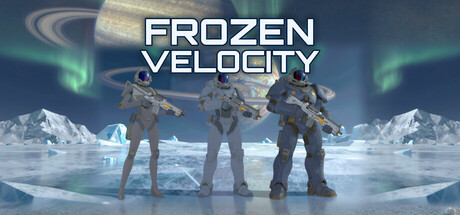 Frozen Velocity In-game content art | As a solo dev who is horrible at drawing but good at code, 2d and 3d assets have been build using the help of generative AI. | OPPRESSED Game Studios | - | Oct 3, 2026 | |
 UNTIMELY REGRET In-game content artaudio | This game uses generative AI as part of its content creation pipeline. Some elements of the store page cover art were generated using AI and then combined with additional artwork created by our designer. Certain in-game environment textures were processed using AI-assisted tools as part of the texturing workflow. Character voices were recorded by our own team and then processed with AI-based voice conversion to transform them into different character voices. All AI-assisted content was reviewed and refined by our team before being included in the final game. | Alpha Centauri Studio | - | Oct 2, 2026 | |
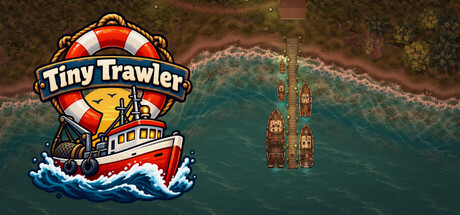 Tiny Trawler Dev only art | Generative AI was used as a development tool for selected visual assets and concept artwork, as well as for assistance during development. All AI-assisted content was reviewed, edited, and integrated by the developer. | Mathias | - | Oct 2, 2026 | |
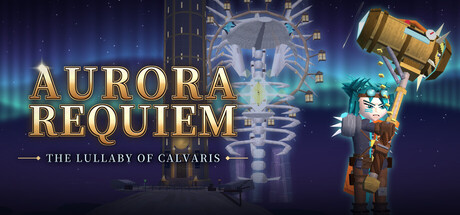 AURORA REQUIEM In-game content artcode | This game contains content created with the assistance of AI tools. AI was used during development to assist with programming, visual assets, and other creative elements. All generated content was reviewed, edited, and integrated by the dev. | ISEKAI Games | - | Oct 1, 2026 | |
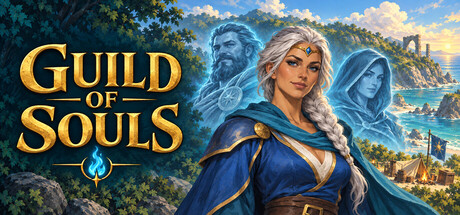 Guild of Souls In-game content art | Guild of Souls features artwork developed with generative AI. | Recoil Mojo | - | Oct 1, 2026 | |
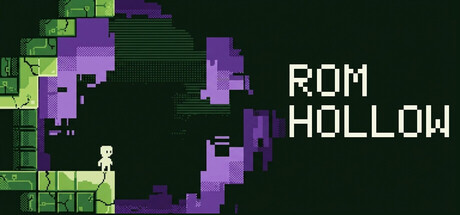 ROM Hollow Store/marketing art | Some artwork on ROM Hollow's store page was generated with AI. | Chris Karageorge | - | Oct 1, 2026 | |
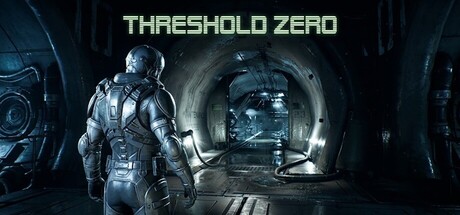 Threshold Zero In-game content audio | I used AI to help generate some of the voice acting that is used in the game. | Ken Henson | - | Oct 1, 2026 | |
 BrickAmp In-game content audioartcode | The current soundtrack and its album-cover artwork were generated with AI music and image tools and selected by the developer. I am looking to commission original music from human artists; if you make music and would like to hear your tracks in BrickAmp, get in touch at team@brickamp.com. Some level layouts and visual effects were drafted with AI-assisted coding tools and hand-reviewed. All of this content is pre-generated and ships with the game. Nothing is generated live during play, and the game does not connect to any AI service. | Anthony Sessa | - | Oct 1, 2026 | |
 Heliobane In-game content artaudiotext | HELIOBANE was made with the help of generative AI tools.
- Assets: AI was used to generate some of the game's assets, including artwork, voice lines, sound effects, in-game text and translations. Artwork was edited and fitted to the game's 32-colour palette and style before use.
- Music: the soundtrack was made with a custom tracker built for agentic work, by an AI trained on a curated collection of public-domain tracker (MOD) music.
- Some store page and marketing art is also AI-assisted.
Nothing is generated while you play. All content is fixed in the build, and the game does not connect to any AI service. | Gand | - | Sep 30, 2026 | |
 DRUNKARD In-game content art | The game to contain art assets generated by artificial intelligence | Playing Middle Ages | - | Sep 30, 2026 | |
 Thrust: the Hunt In-game content artaudiotext | Generative AI tools were used to assist in the creation and refinement of some pre-rendered artwork and interface elements. AI-generated music is also used, and AI tools assisted with store-page text and localization. All AI-assisted content was selected, edited, and reviewed by the developer. The game does not generate AI content during gameplay. | ZIG GAMES | - | Sep 30, 2026 | |
 Swaggerfall In-game content textart | The game engine is written with substantial AI assistance.
Some dialogues and quest texts are AI generated, and are successively replaced by human-written dialogue. Every piece of flavor text has a label that states the author (human or ai).
The 3D character models are currently generated with AI, and then transformed through a custom pipeline to work with the text-based graphics and CPU rendering. It is possible to replace them with manually crafted models. | holonaut | - | Sep 30, 2026 | |
 Fable's Prelude In-game content artaudio | In-game visuals and audio were developed with AI assistance. | Cupixel | - | Sep 30, 2026 | |
 Music Maniaz In-game content artaudio | This game includes assets created with generative AI during development (official music, song artwork, and drum animations). Nothing is generated while you play, and the game does not connect to an AI service at runtime. Players cannot send prompts to any AI. | Maniaz | - | Sep 28, 2026 | |
 Slope Rivals In-game content art | The game to contain art assets generated by artificial intelligence | Gamesforgames | - | Sep 28, 2026 | |
 tiny desktop pals Unclear | AI tools were used in the development of this project | Penyo | 15 | Sep 28, 2026 | |
 101 Circuits In-game content audiocode | AI models have been used to validate, optimize, rank and test the puzzles and the simulation engine. Soundtrack is procedurally generated music using the same engine that simulates the electronics, powered by the C~ language. | Chilling Moose Games | - | Sep 27, 2026 | |
 Avalon: Legacy Edition In-game content artaudiotext | The original 1998 version of Avalon was created entirely by hand, including its graphics, music, story, gameplay, game engine and even its custom music software. Avalon: Legacy Edition retains many of these original assets. Generative AI was used to create or refine much of the updated visual, audio and written content. No content is generated live during gameplay. | Seven Mages | - | Sep 27, 2026 | |
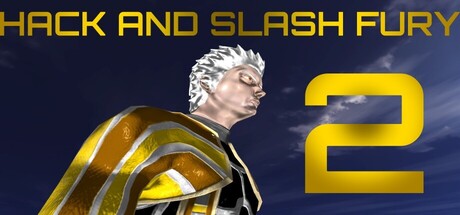 Hack And Slash Fury 2: Lancelot Betrayal In-game content audioart | Ia was only used for create the main menu song and the main menu cover image. | juan_poder_azure | - | Sep 27, 2026 | |
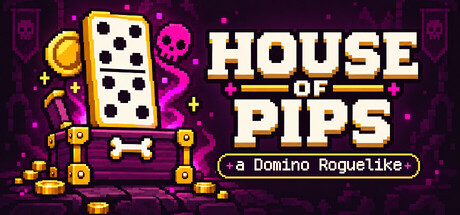 House of Pips: a Domino Roguelike In-game content arttextaudio | Some of this game's art was stylized or created with AI image generation tools from original prompts and project reference material: character portraits, tables, backgrounds, and Steam store and community artwork. Initial translations were AI-assisted. All of it was edited and reviewed before shipping. The soundtrack is chip-synth music generated at build time by the game's own code, no audio model and no sampled audio in the shipped files. Several tracks are AI-stylized arrangements of original songs written by a member of the development team; others were composed with AI assistance to our direction. Nothing is generated by AI while you play. | Slapcraft Games | - | Sep 25, 2026 | |
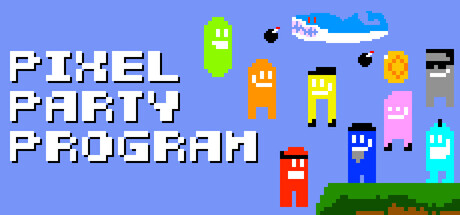 Pixel Party Program In-game content text | The text on the store page was translated using generative AI. | tdhr | - | Sep 25, 2026 | |
 Unlucky Duck In-game content art | Some images in the game were created using generative AI. | Oldtushka | - | Sep 25, 2026 | |
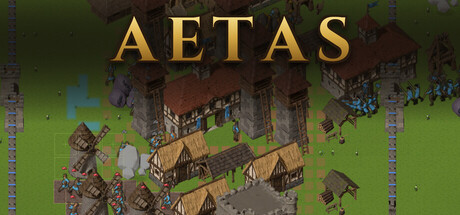 Aetas In-game content textcode | Aetas is designed, directed and built by a single developer. Generative AI was used as a development assistant: it helped write code and tools, the in-game texts and their English/Dutch localization, and the store page texts, all under the developer's direction and review. No AI image generation was used: all sprites and tiles are hand-drawn Liberated Pixel Cup art by human artists (credited in the game folder), or assembled programmatically from that art. The trailer music was produced by a synthesis script. The game does not generate any content with AI during gameplay and does not connect to any AI service. | Consul Games | - | Sep 25, 2026 |


