








Disclosure
Pre-rendered AI Generated content was used in this game.
- Creator
- Team Mythorune
- Reviews
- -
- Added
- Aug 11, 2026
Public Steam disclosure research 25,376 disclosures tracked
Search developers’ Steam disclosures, compare classified AI use across games, and follow recorded changes. This index adds cross-game classifications and statistics to statements published on individual store pages.
Code help, debugging and other development work.
Capsule art, trailers and promotional material.
Pre-made art, audio, writing and other game assets.
Interactive or runtime AI features disclosed by the developer.
Groups reflect automatic analysis of public disclosures; mature records are excluded. These counts do not measure AI use across all of Steam. Missing or unclear statements cannot establish whether a game uses AI.
Pre-rendered AI Generated content was used in this game.
Verilight incorporates generative AI as part of its development pipeline for creating draft artwork, music, text, and programming assistance. All AI-generated material is manually reviewed, edited, refined, and integrated by the developer before being included in the final game. Artwork is transformed into the game's pixel-art style, music is manually arranged and adapted for each biome, and code is reviewed and modified before implementation. The game does not generate AI content during gameplay and does not connect to external AI services.
AI is used only for translation and sound effects.
Spellk uses AI for some of it's music and art. The aim is to replace the AI elements with human made ones at some point; but that is not guaranteed.
AI was used to generate graphical assets.
Generative AI technology is used in a supplementary capacity during the creation of some user interface assets. Any such assets are replaced through our production pipeline by our art and development teams, ensuring they meet our quality standards and creative direction.
This title uses generative artificial intelligence in software development, the creation of art assets, and foreign-language localization. Given the constraints of our production schedule, the size of our team, and the professional responsibilities of our members outside this project, we chose to incorporate generative AI into certain parts of development in pursuit of a more complete and polished game. However, our team firmly believes that generative AI should help creators produce better work. It should never become an excuse for cutting corners, disregarding the creative process, or replacing skilled professionals. While working to deliver the most complete experience possible, these technologies enabled our engineers to explore directions that had previously been difficult to pursue because of limited time and manpower. These efforts include machine-learning-based image segmentation and depth mapping using motion-aware techniques, as well as redesigning low-level director systems and asset-management systems for art and text beyond the assistance provided by conventional game-engine tooling. We also recognize that the experience and judgment of professional creators cannot be replicated. Throughout the production of our artistic assets, the team has actively sought guidance from artists, engineers, and experienced professionals in relevant fields, and has continuously reviewed the final content in accordance with their professional advice. All generated output is subject to human review, selection, and adjustment. No generated material is included in the game without first being inspected. With regard to our art assets, we take copyright and creators’ rights in connection with generative AI very seriously. We believe that artists’ creative work and aesthetic expertise deserve stronger copyright protection. We have never trained models on others’ work without authorization, nor have we used LoRA models of unknown or unverifiable origin. We will not use an artist’s name, work, or distinctive style to train models or create imitations without permission, and we will never claim another creator’s work as our own. We understand that players may hold different views regarding generative AI, and we are committed to being transparent about how and where it has been used in this title, as well as the principles that guide our use of it. We will continue striving to ensure that both our own technology and generative AI serve as tools for creating a more complete work—not as excuses for avoiding creative responsibility, undermining the trust between creators and consumers, or producing inexpensive imitations. Finally, we sincerely thank you for your understanding and for holding us accountable.
Dungeon Cooking uses generative AI tools for some of its content, created during development (pre-generated, not generated in real time): - Part of the creature art: 6 of the game's 18 monsters were made with AI image tools, then edited and integrated by the developer. - Some in-game dungeon event content was drafted with AI assistance and edited by the developer. - The announcement trailer was produced using AI tools. The rest of the game's art comes from licensed asset packs and the developer's own work. All AI-generated content was reviewed and curated by the developer before shipping.
Some background music
Algumas imagens presentes neste jogo foram criadas com auxílio de inteligência artificial generativa e posteriormente revisadas, editadas e integradas pelo desenvolvedor. Todo o restante do jogo, incluindo programação, design, mecânicas e direção criativa, foi desenvolvido manualmente.
"We utilized generative AI tools to assist in the creation of 2D art assets, including in-game enemy portraits, familiar graphics, and the background illustrations, banners, and logo artwork displayed on our Steam Store page and library graphics."
GRIDFALL was developed with extensive AI assistance (Anthropic's Claude): the game's code — including the procedural generators that produce all in-game art (pre-baked at build time) and synthesize all audio and music at runtime — was written with AI pair-programming under human direction and review. The game contains no pre-rendered AI-generated images or audio files; all art and audio assets are produced by deterministic code, and the sole third-party asset is the SIL-licensed Noto Sans UI font. Story, dialogue, and text were authored with AI assistance under human editorial control.
A few small things like code organization & small images.
Generative AI tools were used during development to assist with portions of the game’s code, gameplay data, English and Korean text, visual assets—including card, character, monster, UI, and environment artwork—and the creation of music, ambience, and sound effects. All AI-assisted material was reviewed and selected by the developer, then edited or processed where appropriate, tested, and integrated into the game. The game does not use generative AI at runtime, and no player input or personal data is sent to generative AI services.
These translations were generated with the help of AI. As an indie developer, I currently don't have the budget to hire professional translators, but I hope to do so in the future.
Some card illustrations were created with the assistance of generative AI during development, then selected, edited, and integrated by the developer. No AI-generated content is created during gameplay.
AI tools were used during development to assist with programming and debugging. All game design, mechanics, artwork, audio, and final implementation decisions were created and managed by the developer.
AI has been used to help code and shape the games content including Codex and Claude code. A premium Suno account was used to create music for the game. Codex was used to help generate art and in-game assets. All lore, scripting, and general architecture was hand crafted by the author of the game.
Some pre-generated artwork and visual assets used in the game and its store and marketing materials were created with generative AI tools, then selected, edited, and integrated by the development team. The game does not generate AI content during gameplay and does not connect to external AI services while you play.
This game includes pre-generated content made with the assistance of generative AI tools during development. AI tools were used to help create and iterate some static story illustrations, character and store-art references, voice and sound-effect materials, texture details, copy polishing, and localization drafts. All such content is selected, edited, assembled, and manually reviewed by the developer before shipping. The game does not connect to a live generative AI service during play and does not generate new player-facing AI content at runtime.
Song of Larithea is made by a solo developer using generative AI across the pipeline: the artwork is AI-generated and then hand-edited in Photoshop, and the voice lines, music, and sound are AI-generated as well. The story is the author's own, adapted from her own novel, with AI helping polish the English text - and future translations will be AI-assisted too. Every asset is reviewed, corrected, and finished by hand before it ships.
LLMs were used to help create this game. The characters are human drawn.
AI tools (coding assistants) were used to help write portions of the game's source code during development. All art, music, and game content shipped in the product are hand-authored or procedurally generated by our own code; no generative AI is used to produce any assets, and no AI generates content at runtime. Basically, I write software for a living but I was not a video game dev, so I used some coding assistants to help me out with areas I was less familiar.
Generative AI tools were used during development to create and refine portions of the game’s pre-generated visual artwork, including character and enemy art, environments, UI elements, icons, effects, and cutscene imagery. Generative AI was also used for sound effects and as an assistant during programming and development. All generated material was reviewed, edited, and integrated by the developer.
Some background images and decorative visual assets were created using generative AI.
本游戏在开发过程中使用了生成式人工智能工具辅助制作预生成内容。 游戏中绝大部分美术素材,包括角色形象、角色序列帧动画、战斗场景背景、用户界面图形、物品与武器图标以及部分视觉特效,使用AI图像生成功能制作。所有生成图片均在加入游戏前经过开发者人工筛选,并根据实际需要进行裁切、缩放、色彩调整、组合、动画帧整理、局部修正和游戏内适配。 开发过程中也使用了 AI 编程辅助工具,帮助编写、整理、重构和排查部分程序代码。所有 AI 辅助代码均由开发者人工审阅、修改、整合和测试后才会加入游戏。 本游戏运行时不会连接生成式 AI 服务,也不会根据玩家输入实时生成图片、文本、音频、代码或其他内容。玩家无法通过游戏生成、上传、分享或导出 AI 内容。
Some visual assets were created with the assistance of generative AI tools as part of the development process. No content is generated by AI during gameplay.
The background were generated using Midjourney, painted over and edited by the Lornn (https://lornn.itch.io/) Backgrounds will be replaced with original artwork.
Some in-game visual assets were created or refined using generative AI during development. These assets are pre-generated and included with the game. The game does not generate AI content while running.
Some pre-generated artwork and sound assets used in the game and its marketing materials were created or edited with the assistance of generative AI tools. All such content was manually selected, reviewed, and edited as needed by the developer. The game does not generate AI content during gameplay.
The game logo was created with the assistance of generative AI and edited by the developer. AI was also used to assist with localization translations for other languages, which were reviewed and edited by the developer. No live-generated AI content is used during gameplay.
AI image-generation tools were used to create the background illustrations, card illustrations, and other visual assets for this game. AI tools were also used to produce the background music (BGM), based on melodies I composed.
AI was used to generate logos and default sprites for this program.
Generative AI was used to assist in the creation of certain Steam store page artwork (excluding screenshots and trailers) and in the multilingual localization of the store page.
部分过场视频、角色语音使用了生成式AI
Translated with the help of AI. Thank you for your understanding.
The visual art assets in this game — including character and enemy portraits, item icons, environment/scene artwork, UI elements, the game icon, and the store/library capsule images — were created with the help of generative AI image tools during development. All of this content was manually reviewed, curated, and edited by the team. The game does not use generative AI in real time during gameplay.
Some 2D art assets in Brimir: Pilgrimage to the Heart (such as background illustrations and key art) were created with the help of AI image-generation tools, then reviewed and edited by the development team. Purchased asset packs and tilesets, as well as all game code, systems, and design, are not AI-generated. We have taken care to ensure the generated content does not infringe on existing intellectual property.
All in-game art resources are subject to secondary creation and modification based on AI-generated content.
This game called upon several artificial intelligences during its development, both in terms of functions and visuals.
Some AI was used to generate images (player and creature portraits) used in this game.
Using AI-assisted drawing
This game used AI tools to assist in generating some visual assets and code. All AI-generated content has been manually reviewed and edited by the developer to ensure quality.
Campaign Forge uses generative AI as a core, opt-in feature. Worlds, characters, regions, and stories are generated live, on demand, at the player's direction, using an AI provider and model the player chooses (paid cloud, free cloud, or a fully local/offline model — bring your own API key or run locally).
This game may use pre-generated AI-assisted visual assets in some store/marketing materials and placeholder art. All such assets are reviewed and edited by the developer. The game does not use live generative AI during gameplay.
Character portraits were created by transforming and editing licensed 3D character assets from PV Games using generative AI, followed by manual editing and refinement.
AI has been used to generate SFX files. If you know a real human that is willing to make these, let me know!
This game uses pre-generated AI-assisted artwork for some visual assets, including store artwork, library assets, logos, and selected 2D fantasy background images. These assets were created or edited during development, reviewed by the developer, and included as fixed images in the game or marketing materials. The game does not use live generative AI while the player is playing. No AI system generates new dialogue, quests, characters, images, audio, or gameplay content during gameplay.
This game uses generative AI for the translation of in-game text. AI-generated translations are reviewed using translation services and human editing, and are revised or expanded as needed. Generative AI is also used as a production aid for some UI images. Generated materials are manually edited and adjusted by humans. Generative AI is not used to generate content while the game is running.
Some of the game's 2D art (character sprites, scenery, item icons and store artwork) was created with the help of generative AI image tools, then curated, edited and integrated by the team. Parts of the game's code were written with AI assistance under developer direction. All AI-assisted content was reviewed by the developers. The game does NOT generate AI content at runtime and does NOT connect to any external AI service.
| Title⇅ | Disclosure | Creator⇅ | Src | Reviews⇅ | Added↓ |
|---|---|---|---|---|---|
 mythorune In-game content art | Pre-rendered AI Generated content was used in this game. | Team Mythorune | - | Aug 11, 2026 | |
 Verilight In-game content artaudiotextcode | Verilight incorporates generative AI as part of its development pipeline for creating draft artwork, music, text, and programming assistance. All AI-generated material is manually reviewed, edited, refined, and integrated by the developer before being included in the final game. Artwork is transformed into the game's pixel-art style, music is manually arranged and adapted for each biome, and code is reviewed and modified before implementation. The game does not generate AI content during gameplay and does not connect to external AI services. | Notter Animations | - | Aug 11, 2026 | |
 Junk Ark In-game content textaudio | AI is used only for translation and sound effects. | Burning Bone | - | Aug 11, 2026 | |
 Spellk In-game content audioart | Spellk uses AI for some of it's music and art. The aim is to replace the AI elements with human made ones at some point; but that is not guaranteed. | bascorp | - | Aug 11, 2026 | |
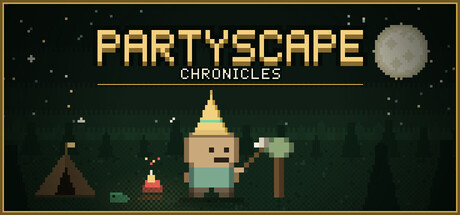 PartyScape Chronicles In-game content art | AI was used to generate graphical assets. | Xonzer! | - | Aug 8, 2026 | |
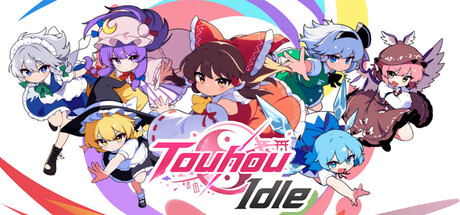 TOUHOU IDLE In-game content art | Generative AI technology is used in a supplementary capacity during the creation of some user interface assets.
Any such assets are replaced through our production pipeline by our art and development teams, ensuring they meet our quality standards and creative direction. | FIVE DUCK GAMES | - | Aug 8, 2026 | |
 Backrooms: Archive - 后室档案 In-game content arttext | This title uses generative artificial intelligence in software development, the creation of art assets, and foreign-language localization.
Given the constraints of our production schedule, the size of our team, and the professional responsibilities of our members outside this project, we chose to incorporate generative AI into certain parts of development in pursuit of a more complete and polished game. However, our team firmly believes that generative AI should help creators produce better work. It should never become an excuse for cutting corners, disregarding the creative process, or replacing skilled professionals.
While working to deliver the most complete experience possible, these technologies enabled our engineers to explore directions that had previously been difficult to pursue because of limited time and manpower. These efforts include machine-learning-based image segmentation and depth mapping using motion-aware techniques, as well as redesigning low-level director systems and asset-management systems for art and text beyond the assistance provided by conventional game-engine tooling.
We also recognize that the experience and judgment of professional creators cannot be replicated. Throughout the production of our artistic assets, the team has actively sought guidance from artists, engineers, and experienced professionals in relevant fields, and has continuously reviewed the final content in accordance with their professional advice. All generated output is subject to human review, selection, and adjustment. No generated material is included in the game without first being inspected.
With regard to our art assets, we take copyright and creators’ rights in connection with generative AI very seriously. We believe that artists’ creative work and aesthetic expertise deserve stronger copyright protection. We have never trained models on others’ work without authorization, nor have we used LoRA models of unknown or unverifiable origin. We will not use an artist’s name, work, or distinctive style to train models or create imitations without permission, and we will never claim another creator’s work as our own.
We understand that players may hold different views regarding generative AI, and we are committed to being transparent about how and where it has been used in this title, as well as the principles that guide our use of it.
We will continue striving to ensure that both our own technology and generative AI serve as tools for creating a more complete work—not as excuses for avoiding creative responsibility, undermining the trust between creators and consumers, or producing inexpensive imitations.
Finally, we sincerely thank you for your understanding and for holding us accountable. | Autelume | - | Aug 8, 2026 | |
 Dungeon Cooking In-game content arttext | Dungeon Cooking uses generative AI tools for some of its content, created during development (pre-generated, not generated in real time):
- Part of the creature art: 6 of the game's 18 monsters were made with AI image tools, then edited and integrated by the developer.
- Some in-game dungeon event content was drafted with AI assistance and edited by the developer.
- The announcement trailer was produced using AI tools.
The rest of the game's art comes from licensed asset packs and the developer's own work. All AI-generated content was reviewed and curated by the developer before shipping. | Unkind Logic | - | Aug 8, 2026 | |
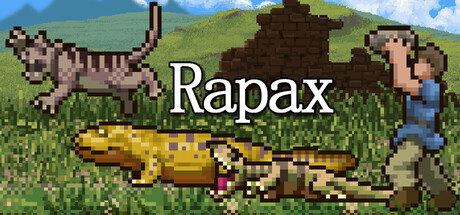 Rapax Unclear audio | Some background music | 大複 | - | Aug 8, 2026 | |
 Alice ou o Mundo? In-game content art | Algumas imagens presentes neste jogo foram criadas com auxílio de inteligência artificial generativa e posteriormente revisadas, editadas e integradas pelo desenvolvedor. Todo o restante do jogo, incluindo programação, design, mecânicas e direção criativa, foi desenvolvido manualmente. | Poeira Estelar Game Studios | - | Aug 7, 2026 | |
 Crimson Engines In-game content art | "We utilized generative AI tools to assist in the creation of 2D art assets, including in-game enemy portraits, familiar graphics, and the background illustrations, banners, and logo artwork displayed on our Steam Store page and library graphics." | Alphasin | - | Aug 7, 2026 | |
 Grid Fall In-game content artaudiotext | GRIDFALL was developed with extensive AI assistance (Anthropic's Claude): the game's code — including the procedural generators that produce all in-game art (pre-baked at build time) and synthesize all audio and music at runtime — was written with AI pair-programming under human direction and review. The game contains no pre-rendered AI-generated images or audio files; all art and audio assets are produced by deterministic code, and the sole third-party asset is the SIL-licensed Noto Sans UI font. Story, dialogue, and text were authored with AI assistance under human editorial control. | markelphoenix | - | Aug 7, 2026 | |
 Group Idlemen Dev only artcode | A few small things like code organization & small images. | GroupIdlemen | - | Aug 5, 2026 | |
 Card&Dungeon In-game content arttextaudio | Generative AI tools were used during development to assist with portions of the game’s code, gameplay data, English and Korean text, visual assets—including card, character, monster, UI, and environment artwork—and the creation of music, ambience, and sound effects.
All AI-assisted material was reviewed and selected by the developer, then edited or processed where appropriate, tested, and integrated into the game. The game does not use generative AI at runtime, and no player input or personal data is sent to generative AI services. | SDBD Studio | - | Aug 5, 2026 | |
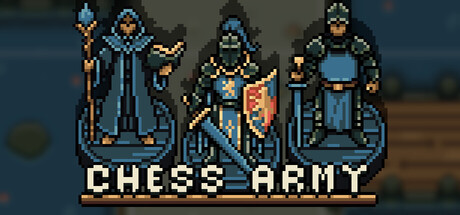 Chess Army In-game content text | These translations were generated with the help of AI. As an indie developer, I currently don't have the budget to hire professional translators, but I hope to do so in the future. | ChaNoCreArt | - | Aug 5, 2026 | |
 魔王诛杀 In-game content art | Some card illustrations were created with the assistance of generative AI during development, then selected, edited, and integrated by the developer. No AI-generated content is created during gameplay. | Linqi Jiang | - | Aug 4, 2026 | |
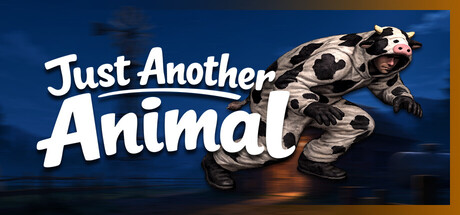 Just Another Animal Dev only code | AI tools were used during development to assist with programming and debugging. All game design, mechanics, artwork, audio, and final implementation decisions were created and managed by the developer. | ronorg | - | Aug 4, 2026 | |
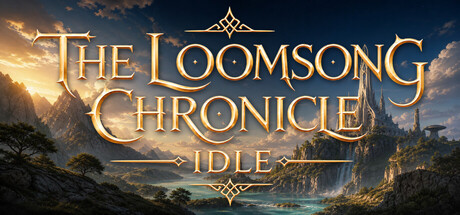 The Loomsong Chronicle Idle In-game content artaudiocode | AI has been used to help code and shape the games content including Codex and Claude code. A premium Suno account was used to create music for the game. Codex was used to help generate art and in-game assets. All lore, scripting, and general architecture was hand crafted by the author of the game. | Nitrocodon Dynamics | - | Aug 2, 2026 | |
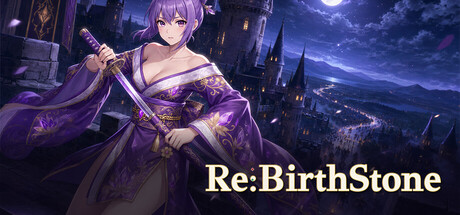 Re:BirthStone ~誕生石物語~ In-game content art | Some pre-generated artwork and visual assets used in the game and its store and marketing materials were created with generative AI tools, then selected, edited, and integrated by the development team. The game does not generate AI content during gameplay and does not connect to external AI services while you play. | Re:BirthStone Project | - | Aug 1, 2026 | |
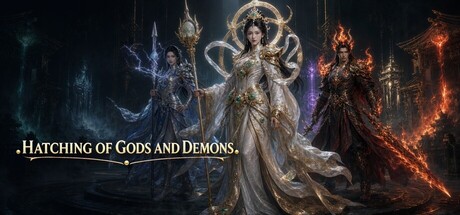 神魔孵化 In-game content artaudiotext | This game includes pre-generated content made with the assistance of generative AI tools during development. AI tools were used to help create and iterate some static story illustrations, character and store-art references, voice and sound-effect materials, texture details, copy polishing, and localization drafts. All such content is selected, edited, assembled, and manually reviewed by the developer before shipping. The game does not connect to a live generative AI service during play and does not generate new player-facing AI content at runtime. | FunPlaceGame | - | Jul 30, 2026 | |
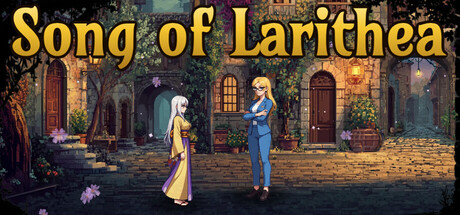 Song of Larithea In-game content artaudiotext | Song of Larithea is made by a solo developer using generative AI across the pipeline: the artwork is AI-generated and then hand-edited in Photoshop, and the voice lines, music, and sound are AI-generated as well. The story is the author's own, adapted from her own novel, with AI helping polish the English text - and future translations will be AI-assisted too. Every asset is reviewed, corrected, and finished by hand before it ships. | Inga Pflaumer | - | Jul 30, 2026 | |
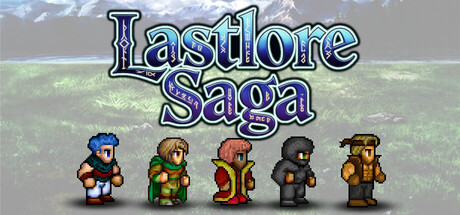 Lastlore Saga Unclear | LLMs were used to help create this game. The characters are human drawn. | 30 Minute Games | 19 | Jul 30, 2026 | |
 Depths of Providence Dev only code | AI tools (coding assistants) were used to help write portions of the game's source code during development. All art, music, and game content shipped in the product are hand-authored or procedurally generated by our own code; no generative AI is used to produce any assets, and no AI generates content at runtime.
Basically, I write software for a living but I was not a video game dev, so I used some coding assistants to help me out with areas I was less familiar. | Ryan Lutz | - | Jul 29, 2026 | |
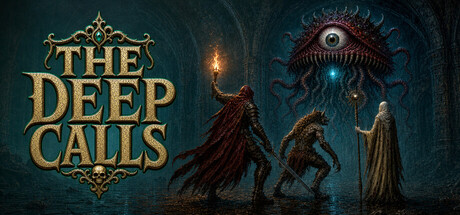 The Deep Calls In-game content artaudiocode | Generative AI tools were used during development to create and refine portions of the game’s pre-generated visual artwork, including character and enemy art, environments, UI elements, icons, effects, and cutscene imagery. Generative AI was also used for sound effects and as an assistant during programming and development. All generated material was reviewed, edited, and integrated by the developer. | RandyPotatoGames | - | Jul 29, 2026 | |
 Triple Dice Monsters In-game content art | Some background images and decorative visual assets were created using generative AI. | Hakuto Games | - | Jul 29, 2026 | |
 喵呜风云 In-game content artcode | 本游戏在开发过程中使用了生成式人工智能工具辅助制作预生成内容。
游戏中绝大部分美术素材,包括角色形象、角色序列帧动画、战斗场景背景、用户界面图形、物品与武器图标以及部分视觉特效,使用AI图像生成功能制作。所有生成图片均在加入游戏前经过开发者人工筛选,并根据实际需要进行裁切、缩放、色彩调整、组合、动画帧整理、局部修正和游戏内适配。
开发过程中也使用了 AI 编程辅助工具,帮助编写、整理、重构和排查部分程序代码。所有 AI 辅助代码均由开发者人工审阅、修改、整合和测试后才会加入游戏。
本游戏运行时不会连接生成式 AI 服务,也不会根据玩家输入实时生成图片、文本、音频、代码或其他内容。玩家无法通过游戏生成、上传、分享或导出 AI 内容。 | 执笔唯心 | - | Jul 29, 2026 | |
 Emberfall Idle Dev only art | Some visual assets were created with the assistance of generative AI tools as part of the development process.
No content is generated by AI during gameplay. | Ariwell Studios | - | Jul 25, 2026 | |
 Elohim Eternal: Exodus In-game content art | The background were generated using Midjourney, painted over and edited by the Lornn (https://lornn.itch.io/)
Backgrounds will be replaced with original artwork. | George Alexandros | 19 | Jul 24, 2026 | |
 Among Demons In-game content art | Some in-game visual assets were created or refined using generative AI during development. These assets are pre-generated and included with the game. The game does not generate AI content while running. | purecosu | - | Jul 23, 2026 | |
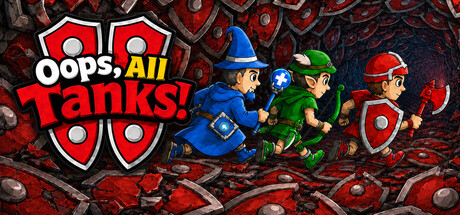 Oops, All Tanks! In-game content artaudio | Some pre-generated artwork and sound assets used in the game and its marketing materials were created or edited with the assistance of generative AI tools. All such content was manually selected, reviewed, and edited as needed by the developer. The game does not generate AI content during gameplay. | All Tanks! | - | Jul 23, 2026 | |
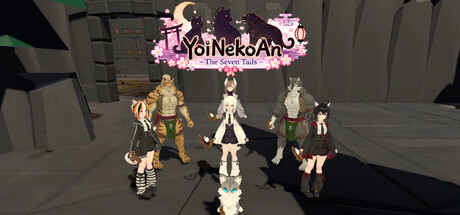 YoiNekoAn: The Seven Tails In-game content arttext | The game logo was created with the assistance of generative AI and edited by the developer. AI was also used to assist with localization translations for other languages, which were reviewed and edited by the developer. No live-generated AI content is used during gameplay. | YoiNekoAn | - | Jul 23, 2026 | |
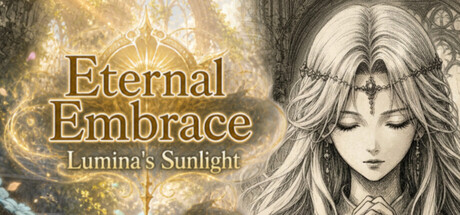 Eternal Embrace: Lumina's Sunshine In-game content artaudio | AI image-generation tools were used to create the background illustrations, card illustrations, and other visual assets for this game. AI tools were also used to produce the background music (BGM), based on melodies I composed. | Lumina Games Studio | - | Jul 22, 2026 | |
 Warden Campaigns In-game content art | AI was used to generate logos and default sprites for this program. | Warden Campaigns | - | Jul 22, 2026 | |
 Sunward Squad In-game content arttext | Generative AI was used to assist in the creation of certain Steam store page artwork (excluding screenshots and trailers) and in the multilingual localization of the store page. | PotatoBin | - | Jul 20, 2026 | |
 容器 In-game content artaudio | 部分过场视频、角色语音使用了生成式AI | OJStudio | 105 | Jul 19, 2026 | |
 Provener In-game content text | Translated with the help of AI. Thank you for your understanding. | Provener Works | - | Jul 19, 2026 | |
 Mnema: The Fallen Remembered In-game content art | The visual art assets in this game — including character and enemy portraits, item icons, environment/scene artwork, UI elements, the game icon, and the store/library capsule images — were created with the help of generative AI image tools during development. All of this content was manually reviewed, curated, and edited by the team. The game does not use generative AI in real time during gameplay. | Ukammi | - | Jul 18, 2026 | |
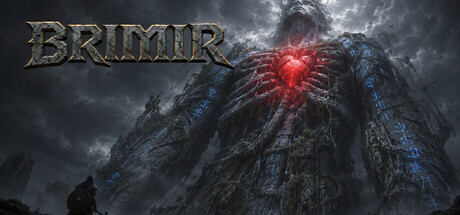 Brimir: Pilgrimage to the Heart In-game content art | Some 2D art assets in Brimir: Pilgrimage to the Heart (such as background illustrations and key art) were created with the help of AI image-generation tools, then reviewed and edited by the development team. Purchased asset packs and tilesets, as well as all game code,
systems, and design, are not AI-generated. We have taken care to ensure the generated content does not infringe on existing intellectual property. | SANG WOOK KIM | 27 | Jul 18, 2026 | |
 中医模拟练习生 In-game content art | All in-game art resources are subject to secondary creation and modification based on AI-generated content. | guizhi0011 | - | Jul 18, 2026 | |
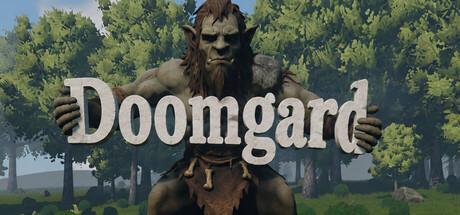 Doomgard Unclear | This game called upon several artificial intelligences during its development, both in terms of functions and visuals. | 99th Game Project | - | Jul 17, 2026 | |
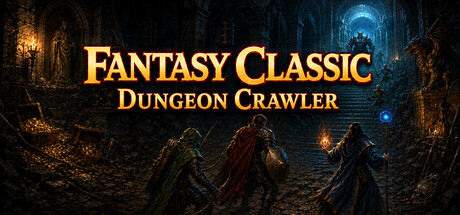 Fantasy Classic: Dungeon Crawler In-game content art | Some AI was used to generate images (player and creature portraits) used in this game. | Eternal Play Office | - | Jul 17, 2026 | |
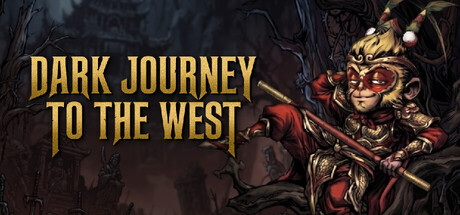 Dark Journey to the West Unclear art | Using AI-assisted drawing | QingHe Games | - | Jul 15, 2026 | |
 Honoiro no Jikou 穗色时光 In-game content artcode | This game used AI tools to assist in generating some visual assets and code. All AI-generated content has been manually reviewed and edited by the developer to ensure quality. | Shanghai Yaxian Huizhi Technology Co., Ltd. | - | Jul 15, 2026 | |
 Campaign Forge Live AI text | Campaign Forge uses generative AI as a core, opt-in feature. Worlds, characters, regions, and stories are generated live, on demand, at the player's direction, using an AI provider and model the player chooses (paid cloud, free cloud, or a fully local/offline model — bring your own API key or run locally). | Daedalus | - | Jul 15, 2026 | |
 Twisted Roll Store/marketing art | This game may use pre-generated AI-assisted visual assets in some store/marketing materials and placeholder art. All such assets are reviewed and edited by the developer. The game does not use live generative AI during gameplay. | mapapa | - | Jul 15, 2026 | |
 Mistworld In-game content art | Character portraits were created by transforming and editing licensed 3D character assets from PV Games using generative AI, followed by manual editing and refinement. | ProjectMist | - | Jul 11, 2026 | |
 Fantasy Waifu Collector In-game content audio | AI has been used to generate SFX files. If you know a real human that is willing to make these, let me know! | SyKoHPaTh | - | Jul 10, 2026 | |
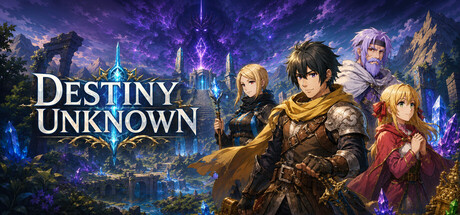 Destiny Unknown In-game content art | This game uses pre-generated AI-assisted artwork for some visual assets, including store artwork, library assets, logos, and selected 2D fantasy background images. These assets were created or edited during development, reviewed by the developer, and included as fixed images in the game or marketing materials.
The game does not use live generative AI while the player is playing. No AI system generates new dialogue, quests, characters, images, audio, or gameplay content during gameplay. | Douglas Bowen | - | Jul 9, 2026 | |
 AVILION forever In-game content textart | This game uses generative AI for the translation of in-game text.
AI-generated translations are reviewed using translation services and human editing, and are revised or expanded as needed.
Generative AI is also used as a production aid for some UI images. Generated materials are manually edited and adjusted by humans.
Generative AI is not used to generate content while the game is running. | STUDIO FRONTIER | - | Jul 9, 2026 | |
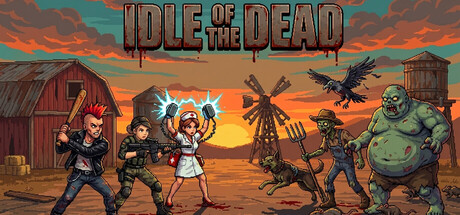 Idle of the Dead In-game content artcode | Some of the game's 2D art (character sprites, scenery, item icons and store artwork) was created with the help of generative AI image tools, then curated, edited and integrated by the team. Parts of the game's code were written with AI assistance under developer direction. All AI-assisted content was reviewed by the developers. The game does NOT generate AI content at runtime and does NOT connect to any external AI service. | Sucata Studio | - | Jul 8, 2026 |


