







Disclosure
This game’s store page text has been translated into multiple languages with the assistance of AI translation tools. We review and adjust translations manually.
- Creator
- KIB Games
- Reviews
- -
- Added
- Oct 12, 2026
Public Steam disclosure research 25,376 disclosures tracked
Search developers’ Steam disclosures, compare classified AI use across games, and follow recorded changes. This index adds cross-game classifications and statistics to statements published on individual store pages.
Code help, debugging and other development work.
Capsule art, trailers and promotional material.
Pre-made art, audio, writing and other game assets.
Interactive or runtime AI features disclosed by the developer.
Groups reflect automatic analysis of public disclosures; mature records are excluded. These counts do not measure AI use across all of Steam. Missing or unclear statements cannot establish whether a game uses AI.
This game’s store page text has been translated into multiple languages with the assistance of AI translation tools. We review and adjust translations manually.
Generative AI tools were used during development to assist in the creation of some pre-generated visual assets and promotional materials. All AI-assisted content is reviewed, selected, and integrated by the development team. The game does not use generative AI to create content during gameplay.
This game uses generative AI in the creation of some visual elements, including character illustrations and backgrounds; all results were reviewed and retouched by hand. Voice audio is based on dubbing and recordings by real people, which were then converted or refined using generative AI.
All artwork, music, and sound effects in Geargrave Outlands were created with generative AI tools (images: OpenAI image models; music: Suno; sound effects: ElevenLabs) and then selected, edited, and integrated by the developer. Story text was written with AI assistance and edited by the developer. All translations were produced with AI assistance. All of this content is pre-generated and ships as fixed files. The game does not generate any content with AI while you play.
Some artwork was created with generative tools and edited by the developer. No content is generated during gameplay.
An AI-generated sketch is used as a starting point. Everything else is made by a human: every shipped image is redrawn and retouched by hand, and the code, game design and texts are written by the developer.
Just help with the marketing material drafts
Some AI-generated content is used as placeholder during development and will be replaced before release.
Tirona's development used AI tools for much of its 2D artwork (character portraits, card and scene illustrations, quest illustrations), some 3D models, the music (ElevenLabs) and the character voice performers' reference voices. All of it was selected, edited and placed by the developer, and ships as fixed game content. While you play, a third-party large language model writes the narration and the dialogue of non-player characters in response to what you type or say. Character voices are synthesised locally on your PC from the generated text. You can optionally generate a portrait for your character from your creation choices. The AI never decides the rules: dice, hit points, gold, items, experience, spells and quest progress change only through the game's own systems. Romance is opt-in, and anything sexual fades to black.
Made by one developer with a little help from AI! Some artwork and text started life in generative AI tools, then got edited and polished by hand. Nothing is generated while you play.
Generative AI tools were used during development to create some artwork, background music, and monster vocal effects. AI tools also assisted with the writing and translation of store-page text. These materials were prepared in advance. The game does not generate AI content or connect to third-party AI services during gameplay.
Table Night has an optional AI LLM game master: if the host turns it on with their own AI account, a language model narrates the match and judges what players write, while the game rolls the dice and decides every result. The AI is instructed to keep everything suitable for teens. Players' text is sent to the host's AI provider, and any table can be played with a human game master or none instead.
Generative AI was used in the creation of images and music in the game. This content was generated and edited during development. No content is generated by AI during gameplay.
Generative AI was used for some visual and audio assets and text. No content is generated during play.
Generative AI was used during development to assist with pre-rendered character and environment artwork, animations, music and sound effects, and portions of narrative writing and localization. These materials are included as fixed game assets. The game does not generate AI content or connect to external AI services during gameplay.
Some artwork, voices, audio, translations and promotional materials were created with generative AI tools. No AI content is generated during gameplay.
Generative AI was used to create some artwork and UI assets, summoning animation videos, and background music. Details of the tools used are listed under Settings > Credits in the game. During gameplay, AI running on your PC uses the true name and essence you enter to generate Textus data, including abilities and moves, as well as artwork. Generated results may vary. Depending on the outcome of the safety check, a placeholder explaining why the artwork is unavailable may appear instead of the generated image. The Textus's abilities and moves remain usable.
AI tools were used for Art Assets including the Steam store capsules
The title logo was generated with an AI image tool and then cropped and resized by the developer. The store capsule artwork (the key art behind the logo) was generated with an AI image tool from text prompts only, then cropped and resized by the developer. The in-game text in every language except English and Japanese is machine-translated with an AI language model from the developer's English and Japanese text, and has not yet been reviewed by native speakers. Some English and Japanese interface text and the English and Japanese store description were drafted with an AI writing assistant and then reviewed and edited by the developer. The store description in the other languages is translated with an AI language model. The majority of the code and the design was written by AI coding agents (Claude and Codex) under the developer's direction and review. The in-game characters, items, maps, effects, music, sound effects and fonts are mostly purchased or licensed assets. The exceptions are 8 equipment icons, the slash and healing effects, the spectators in the stands, the crowd cheers and the app icon, which were drawn or synthesized by programs written by AI coding agents (no image or audio generation model was used). The cutting out, combining, recoloring and touching up of the purchased assets, and the shapes and light effects the game draws on screen during matches, are also done by programs written by AI.
Pre-generated: the game's art (character portraits, battle poses, map sprites, painted battlefields and towns, cutscene stills, icons) and music were created with generative AI tools under the developer's direction, then reviewed, edited and assembled by the developer. Live-generated: none. No AI content is generated while you play.
The Seven Beacons is made by a small independent studio that uses generative AI tools as part of production. Every piece is directed, chosen and integrated by the developer. Pre-generated with AI assistance: - Illustrations: combat art, backgrounds, characters, and the store and library art. - Music: compositions created with AI assistance and performed with sampled instruments. - The English and Brazilian Portuguese translations (the game was written in Spanish). - Pixel sprites and sound effects, generated by scripts written with AI assistance. - The text of this store page. The game does not generate any AI content while you play: everything you see and hear was made before release and ships with the game.
AI tools assisted with creating artwork, video effects, sound effects and translations.
This game used AI assistance to help arrange the store page artwork and to support programming. AI assistance was also used to write the store page text, and the multi-language localization in the current version was produced with AI assistance. All AI-related work was carried out under the direction and planning of the developer.
"Generative AI was used to create the game's cover art and the free scenario assets (such as character images). We plan to replace these art resources as soon as possible."
AI was used as a support tool during development (code assistance and initial image generation). All artwork was individually reworked by hand, and no content is generated live during gameplay.
Character art, backgrounds, interface graphics and store artwork were created with the help of generative image tools and then selected, edited and assembled by the developer. Game design, code and writing are our own work. The game does not generate any content while you play.
AI is used to assist with the localization and translation of the game's store page and in game text. It is also used to assist with some simple voice interactions, such as goblin growls and battle cries, as well as basic texture adjustments that fit the game's low poly visual style.
AI tools were utilized for translation assistance, and Suno was used for generating background music.
Audio and music are AI generated.
This game includes content created with the assistance of generative AI tools. Some character and UI artwork was produced using AI image generation (ChatGPT) and then edited by the developer, and the background music was generated using Suno. All AI-assisted assets were reviewed by the developer to ensure they do not infringe the intellectual property of third parties. No AI is used at runtime—all generation occurred during development (pre-generated).
We use our own created small local generative AI models to create Artworks in realtime. Local LLM's are used to interact with the NPC's Text based (Input / Output) in realtime. Be aware that realtime AI can make mistakes. We put a lot of effort into to make it work properly, but there can still be issues. No external AI models needed so your data stays on your own Computer! We generally used AI assistance to create Assets in the game, most Assets where highly edited from Human Authoring. The game was created by strong directed human vision, so everything is unique and my own idea!
Generative AI was used during development to assist in creating some character, monster, environment, UI icon, and store promotional artwork, as well as portions of the text and translations. These materials were selected, edited, and integrated by the developer. The game does not generate AI content during gameplay.
AI was used for code, art, and text translation.
A Light in the Gloam uses pre-generated AI content. Nothing is generated while the game is running, and the game makes no network calls of any kind. Visual art: all in-game art was generated with OpenAI's image model (gpt-image-1) from prompts written by hand, then processed by our own scripts, which downscale it, quantise it to a fixed palette and trim it before it is placed in the game. This covers 14 character portraits, 43 enemy and boss sprites, 63 item icons, 27 wall, floor and ceiling textures, 10 dungeon props, 21 achievement emblems, and 14 town and title backdrops. The store capsules and the client icons are crops of the title-screen generation rather than new images. Music and sound: all 14 music tracks were generated with ElevenLabs' music model and all 47 sound effects with ElevenLabs' sound-effects model, both from written prompts and both post-processed by our own scripts for level and length. There is no voice acting and no synthesised speech anywhere in the game. Writing and translation: the game's text, meaning item and monster descriptions, dialogue, menus and the story, was written with the assistance of a large language model and then edited by hand. The Brazilian Portuguese translation was produced the same way and reviewed against the English.
Generative AI was used primarily to assist in the creation of some visual assets and images used in the game, including illustrations, UI artwork, and promotional materials. AI-generated images were manually reviewed, selected, edited, and adjusted by the developer before being integrated into the game. The game does not use generative AI to create content in real time during gameplay.
AI tools were used during development to create pre-generated character art and animations, backgrounds, interface artwork, and sound effects, as well as Steam store descriptions and promotional artwork, including the animated store banner. Assets were selected, reviewed, processed or edited as needed, and integrated into the game or its Steam presentation. Music was composed and synthesized with AI-assisted development tools. The shipped game uses these prepared assets; it does not generate AI content or connect to AI services during gameplay.
Most of the game's visual art and sound was pre-generated with AI tools and then selected, edited and placed by the developer: the dungeon panoramas, room props, floors, town and building plates, character portraits, walk and combat sprite sheets, monster, boss and villager sprites, item, skill and stack icons, combat and reward effects, and the store page art were generated with the FLUX.1 image model through fal.ai and animated with AutoSprite; the sound effects, ambience beds, voice barks and music were generated with ElevenLabs. Every generated file, the tool that made it and the prompt that asked for it are recorded in the game's files (assets/README.md and assets/PROMPTS.md). All game text, design, rules and code are written by people. Nothing is generated while you play: the game contains no live AI generation and calls no AI service at runtime.
Tamagong uses generative AI in three places during development: Translation: the game's eight languages were translated with AI assistance. Audio: some sound effects and ambient tracks were produced with AI assisted tools. Art & Visuals: some art work began from AI generated output, which was then edited by hand for style consistency. Concept images were also generated as reference while designing monsters and locations.
Some promotional images on the Steam store are made with artificial intelligence; no artificial intelligence-made art assets are used in the game.
Some promotional artwork for this game (such as the store capsule image) was created with the help of generative AI tools and then edited by hand. All in-game content — 3D models, animations, sound effects, interface and code — was created without generative AI. The game does not use AI during gameplay and does not connect to any external AI service.
Generative AI was used to create some content, including certain images, music, text and translations, as well as some store and promotional materials. AI-assisted content was created in advance; the game does not generate AI content or connect to external AI services during gameplay.
The game's pixel art sprites and visual effects, the store capsule art and logo, and the music were created with the help of generative AI tools, then selected, edited and integrated by the developer. The store page text and its Chinese translation were drafted with AI assistance and reviewed by the developer. All content is pre-generated; nothing is generated while the game is running.
AI assisted for Portraits.
We use AI to generate combat simulation tests, placeholder artwork, and agentic workflows for game logic. AI is a tool and not something to replace humans with. A lot of human hours have been put into the game too.
Some of the artwork and text in this game and on its store page, including the translations, were created with the assistance of AI tools and reviewed by the developer.
Grimmarch's art, music, voice and sound effects are created or edited with generative AI tools, then selected, edited and approved by a human before shipping. That covers card and interface art, character portraits, map and scene art, the cinematic, music, character voice lines and sound effects. Nothing is generated while you play: the game contacts no AI service at runtime, and nothing you do is sent to one.
I use generative technologies strictly in a supporting role, including: brain-storming; editing text; altering images; research; transcription… Generated assets are never the first seed nor the last product of any content in my games.
I use generative technologies strictly in a supporting role, including: brain-storming; editing text; altering images; research; transcription… Generated assets are never the first seed nor the last product of any content in my games.
The content of Dark Dice Dungeon was produced with the help of generative AI tools: the illustrations, the music and sound effects, the in-game writing, and the English and Spanish translations. All of it was then selected, edited and assembled by hand by the developer. Nothing is generated while you play: the game ships with fixed assets and never connects to any service.
Generative AI tools were used to assist with localization and translations, as well as to create marketing materials and promotional assets.
| Title⇅ | Disclosure | Creator⇅ | Src | Reviews⇅ | Added↓ |
|---|---|---|---|---|---|
 Desktop Party: An Idle Fantasy RPG Store/marketing text | This game’s store page text has been translated into multiple languages with the assistance of AI translation tools. We review and adjust translations manually. | KIB Games | - | Oct 12, 2026 | |
 Gods & Liars Store/marketing art | Generative AI tools were used during development to assist in the creation of some pre-generated visual assets and promotional materials. All AI-assisted content is reviewed, selected, and integrated by the development team. The game does not use generative AI to create content during gameplay. | QARAMTA STUDIOS | - | Oct 12, 2026 | |
 Cao Cao the Legend In-game content artaudio | This game uses generative AI in the creation of some visual elements, including character illustrations and backgrounds; all results were reviewed and retouched by hand. Voice audio is based on dubbing and recordings by real people, which were then converted or refined using generative AI. | MaengLab | - | Oct 12, 2026 | |
 Geargrave Outlands In-game content artaudiotext | All artwork, music, and sound effects in Geargrave Outlands were created with generative AI tools (images: OpenAI image models; music: Suno; sound effects: ElevenLabs) and then selected, edited, and integrated by the developer. Story text was written with AI assistance and edited by the developer. All translations were produced with AI assistance. All of this content is pre-generated and ships as fixed files. The game does not generate any content with AI while you play. | e-ntegration | - | Oct 12, 2026 | |
 Task Bar Dungeons In-game content art | Some artwork was created with generative tools and edited by the developer. No content is generated during gameplay. | 3xQuest | - | Oct 12, 2026 | |
 Idle Legions Dev only art | An AI-generated sketch is used as a starting point. Everything else is made by a human: every shipped image is redrawn and retouched by hand, and the code, game design and texts are written by the developer. | ALPACA TEAM | - | Oct 12, 2026 | |
 Tír Store/marketing textart | Just help with the marketing material drafts | Sons of Dagda | - | Oct 12, 2026 | |
 Empty Throne general | Some AI-generated content is used as placeholder during development and will be replaced before release. | Man All In Studios | - | Oct 12, 2026 | |
 Tirona Rebirth Live AI artaudiotext | Tirona's development used AI tools for much of its 2D artwork (character portraits, card and scene illustrations, quest illustrations), some 3D models, the music (ElevenLabs) and the character voice performers' reference voices. All of it was selected, edited and placed by the developer, and ships as fixed game content.
While you play, a third-party large language model writes the narration and the dialogue of non-player characters in response to what you type or say. Character voices are synthesised locally on your PC from the generated text. You can optionally generate a portrait for your character from your creation choices.
The AI never decides the rules: dice, hit points, gold, items, experience, spells and quest progress change only through the game's own systems. Romance is opt-in, and anything sexual fades to black. | Wireloop I.K.E. | - | Oct 11, 2026 | |
 Cropocalypse In-game content arttext | Made by one developer with a little help from AI! Some artwork and text started life in generative AI tools, then got edited and polished by hand. Nothing is generated while you play. | CORS Services | - | Oct 10, 2026 | |
 Tactics to the devil dungeon In-game content artaudiotext | Generative AI tools were used during development to create some artwork, background music, and monster vocal effects. AI tools also assisted with the writing and translation of store-page text. These materials were prepared in advance. The game does not generate AI content or connect to third-party AI services during gameplay. | SLOWRAIN GAMES | - | Oct 10, 2026 | |
 Table Night Live AI text | Table Night has an optional AI LLM game master: if the host turns it on with their own AI account, a language model narrates the match and judges what players write, while the game rolls the dice and decides every result. The AI is instructed to keep everything suitable for teens. Players' text is sent to the host's AI provider, and any table can be played with a human game master or none instead. | External Call | - | Oct 10, 2026 | |
 FIVEFOLD In-game content artaudio | Generative AI was used in the creation of images and music in the game. This content was generated and edited during development. No content is generated by AI during gameplay. | Taishi Nomiya | - | Oct 10, 2026 | |
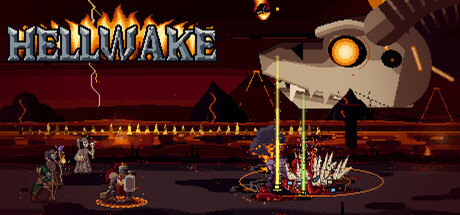 Hellwake In-game content artaudiotext | Generative AI was used for some visual and audio assets and text. No content is generated during play. | Precise Media AB | - | Oct 10, 2026 | |
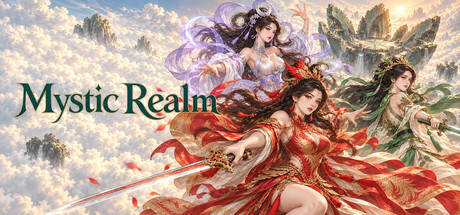 玄境 In-game content artaudiotext | Generative AI was used during development to assist with pre-rendered character and environment artwork, animations, music and sound effects, and portions of narrative writing and localization. These materials are included as fixed game assets. The game does not generate AI content or connect to external AI services during gameplay. | FunPlaceGame | - | Oct 10, 2026 | |
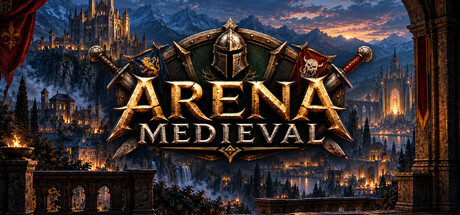 Arena Medieval In-game content artaudiotext | Some artwork, voices, audio, translations and promotional materials were created with generative AI tools. No AI content is generated during gameplay. | Fier Labs | - | Oct 10, 2026 | |
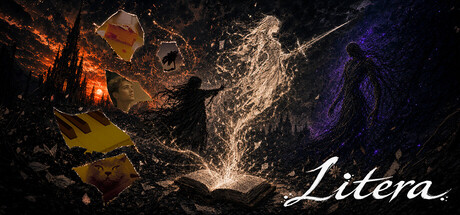 LITERA Live AI artaudiotext | Generative AI was used to create some artwork and UI assets, summoning animation videos, and background music. Details of the tools used are listed under Settings > Credits in the game.
During gameplay, AI running on your PC uses the true name and essence you enter to generate Textus data, including abilities and moves, as well as artwork.
Generated results may vary. Depending on the outcome of the safety check, a placeholder explaining why the artwork is unavailable may appear instead of the generated image. The Textus's abilities and moves remain usable. | Orbis Textorium | - | Oct 10, 2026 | |
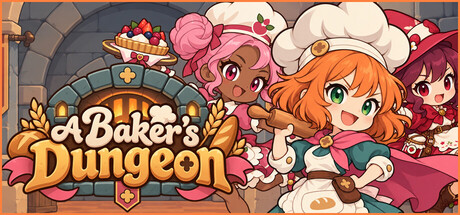 A Baker's Dungeon Store/marketing art | AI tools were used for Art Assets including the Steam store capsules | Chibi.Games | - | Oct 10, 2026 | |
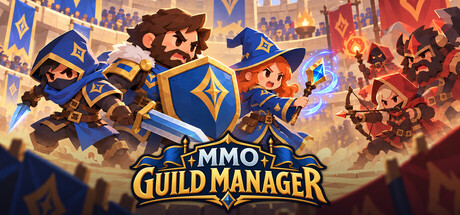 MMO Guild Manager In-game content arttextcode | The title logo was generated with an AI image tool and then cropped and resized by the developer.
The store capsule artwork (the key art behind the logo) was generated with an AI image tool from text prompts only, then cropped and resized by the developer.
The in-game text in every language except English and Japanese is machine-translated with an AI language model from the developer's English and Japanese text, and has not yet been reviewed by native speakers.
Some English and Japanese interface text and the English and Japanese store description were drafted with an AI writing assistant and then reviewed and edited by the developer. The store description in the other languages is translated with an AI language model.
The majority of the code and the design was written by AI coding agents (Claude and Codex) under the developer's direction and review.
The in-game characters, items, maps, effects, music, sound effects and fonts are mostly purchased or licensed assets. The exceptions are 8 equipment icons, the slash and healing effects, the spectators in the stands, the crowd cheers and the app icon, which were drawn or synthesized by programs written by AI coding agents (no image or audio generation model was used). The cutting out, combining, recoloring and touching up of the purchased assets, and the shapes and light effects the game draws on screen during matches, are also done by programs written by AI. | iida-lab | - | Oct 9, 2026 | |
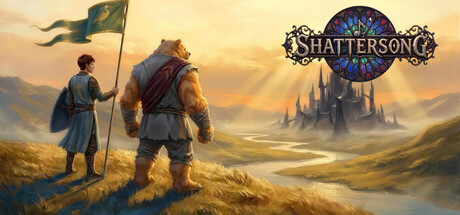 Shattersong In-game content artaudio | Pre-generated: the game's art (character portraits, battle poses, map sprites, painted battlefields and towns, cutscene stills, icons) and music were created with generative AI tools under the developer's direction, then reviewed, edited and assembled by the developer. Live-generated: none. No AI content is generated while you play. | Matt Lionheart | - | Oct 9, 2026 | |
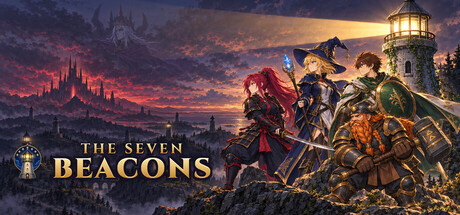 The Seven Beacons In-game content artaudiotext | The Seven Beacons is made by a small independent studio that uses generative AI tools as part of production. Every piece is directed, chosen and integrated by the developer.
Pre-generated with AI assistance:
- Illustrations: combat art, backgrounds, characters, and the store and library art.
- Music: compositions created with AI assistance and performed with sampled instruments.
- The English and Brazilian Portuguese translations (the game was written in Spanish).
- Pixel sprites and sound effects, generated by scripts written with AI assistance.
- The text of this store page.
The game does not generate any AI content while you play: everything you see and hear was made before release and ships with the game. | Shinirra | - | Oct 9, 2026 | |
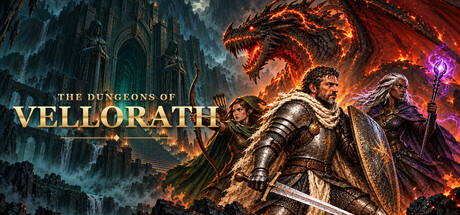 The Dungeons of Vellorath In-game content artaudiotext | AI tools assisted with creating artwork, video effects, sound effects and translations. | Bruno Heusi | - | Oct 7, 2026 | |
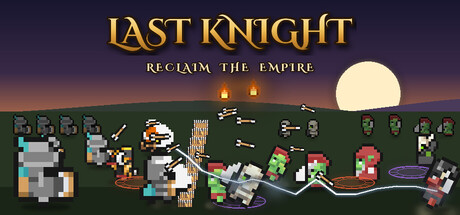 Last Knight ~ Reclaim the Empire ~ In-game content arttext | This game used AI assistance to help arrange the store page artwork and to support programming. AI assistance was also used to write the store page text, and the multi-language localization in the current version was produced with AI assistance. All AI-related work was carried out under the direction and planning of the developer. | Honga Games Inc. | - | Oct 6, 2026 | |
 TTRPG In-game content art | "Generative AI was used to create the game's cover art and the free scenario assets (such as character images). We plan to replace these art resources as soon as possible." | PUGO | - | Oct 6, 2026 | |
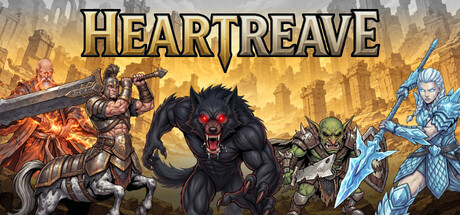 Heartreave In-game content artcode | AI was used as a support tool during development (code assistance and initial image generation). All artwork was individually reworked by hand, and no content is generated live during gameplay. | Ebon Anvil | - | Oct 4, 2026 | |
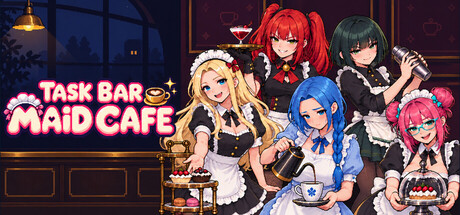 Task Bar Maid Cafe In-game content art | Character art, backgrounds, interface graphics and store artwork were created with the help of generative image tools and then selected, edited and assembled by the developer. Game design, code and writing are our own work. The game does not generate any content while you play. | 3xQuest | - | Oct 3, 2026 | |
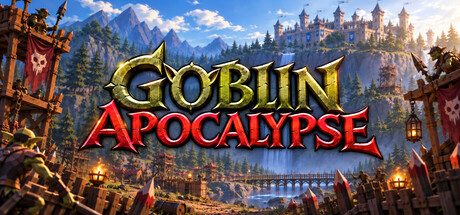 Goblin Apocalypse: Open World Survival In-game content textaudioart | AI is used to assist with the localization and translation of the game's store page and in game text. It is also used to assist with some simple voice interactions, such as goblin growls and battle cries, as well as basic texture adjustments that fit the game's low poly visual style. | Nons Games | - | Oct 3, 2026 | |
 Guild Manager In-game content textaudio | AI tools were utilized for translation assistance, and Suno was used for generating background music. | Team Rounding | - | Oct 3, 2026 | |
 Veilborn In-game content audio | Audio and music are AI generated. | Xootic | - | Oct 1, 2026 | |
 Kingdom Chronicle: Ancient Saga In-game content artaudio | This game includes content created with the assistance of generative AI tools. Some character and UI artwork was produced using AI image generation (ChatGPT) and then edited by the developer, and the background music was generated using Suno. All AI-assisted assets were reviewed by the developer to ensure they do not infringe the intellectual property of third parties. No AI is used at runtime—all generation occurred during development (pre-generated). | スタジオ白猫斎 / Studio Hakubyousai | - | Oct 1, 2026 | |
 Build Bigger Heroes Live AI arttext | We use our own created small local generative AI models to create Artworks in realtime. Local LLM's are used to interact with the NPC's Text based (Input / Output) in realtime.
Be aware that realtime AI can make mistakes. We put a lot of effort into to make it work properly, but there can still be issues. No external AI models needed so your data stays on your own Computer!
We generally used AI assistance to create Assets in the game, most Assets where highly edited from Human Authoring.
The game was created by strong directed human vision, so everything is unique and my own idea! | INDIE-SQUID | - | Oct 1, 2026 | |
 放置地下城:无尽远征 In-game content arttext | Generative AI was used during development to assist in creating some character, monster, environment, UI icon, and store promotional artwork, as well as portions of the text and translations. These materials were selected, edited, and integrated by the developer. The game does not generate AI content during gameplay. | 程序员小灰 | - | Oct 1, 2026 | |
 Warring Kingdoms: Chronicles of War In-game content codearttext | AI was used for code, art, and text translation. | Absolute Power Game Studio | - | Oct 1, 2026 | |
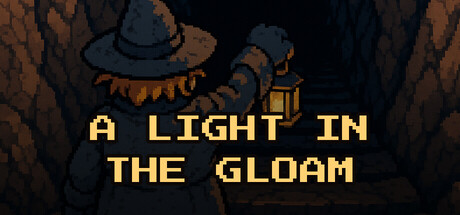 A Light in the Gloam In-game content artaudiotext | A Light in the Gloam uses pre-generated AI content. Nothing is generated while the game is running, and the game makes no network calls of any kind.
Visual art: all in-game art was generated with OpenAI's image model (gpt-image-1) from prompts written by hand, then processed by our own scripts, which downscale it, quantise it to a fixed palette and trim it before it is placed in the game. This covers 14 character portraits, 43 enemy and boss sprites, 63 item icons, 27 wall, floor and ceiling textures, 10 dungeon props, 21 achievement emblems, and 14 town and title backdrops. The store capsules and the client icons are crops of the title-screen generation rather than new images.
Music and sound: all 14 music tracks were generated with ElevenLabs' music model and all 47 sound effects with ElevenLabs' sound-effects model, both from written prompts and both post-processed by our own scripts for level and length. There is no voice acting and no synthesised speech anywhere in the game.
Writing and translation: the game's text, meaning item and monster descriptions, dialogue, menus and the story, was written with the assistance of a large language model and then edited by hand. The Brazilian Portuguese translation was produced the same way and reviewed against the English. | Petersen Projects | - | Sep 30, 2026 | |
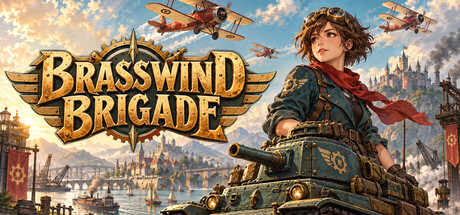 铜风旅团 In-game content art | Generative AI was used primarily to assist in the creation of some visual assets and images used in the game, including illustrations, UI artwork, and promotional materials. AI-generated images were manually reviewed, selected, edited, and adjusted by the developer before being integrated into the game.
The game does not use generative AI to create content in real time during gameplay. | 铜风工作室 | - | Sep 30, 2026 | |
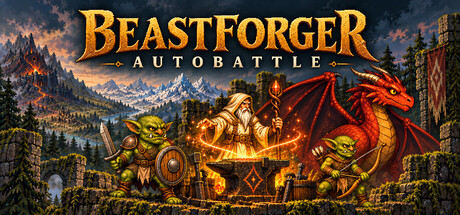 Beastforger Autobattle In-game content artaudiotext | AI tools were used during development to create pre-generated character art and animations, backgrounds, interface artwork, and sound effects, as well as Steam store descriptions and promotional artwork, including the animated store banner. Assets were selected, reviewed, processed or edited as needed, and integrated into the game or its Steam presentation. Music was composed and synthesized with AI-assisted development tools. The shipped game uses these prepared assets; it does not generate AI content or connect to AI services during gameplay. | Will ideas | - | Sep 28, 2026 | |
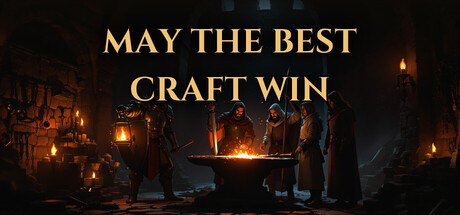 May the Best Craft Win In-game content artaudio | Most of the game's visual art and sound was pre-generated with AI tools and then selected, edited and placed by the developer: the dungeon panoramas, room props, floors, town and building plates, character portraits, walk and combat sprite sheets, monster, boss and villager sprites, item, skill and stack icons, combat and reward effects, and the store page art were generated with the FLUX.1 image model through fal.ai and animated with AutoSprite; the sound effects, ambience beds, voice barks and music were generated with ElevenLabs. Every generated file, the tool that made it and the prompt that asked for it are recorded in the game's files (assets/README.md and assets/PROMPTS.md). All game text, design, rules and code are written by people. Nothing is generated while you play: the game contains no live AI generation and calls no AI service at runtime. | SCVI Media | - | Sep 28, 2026 | |
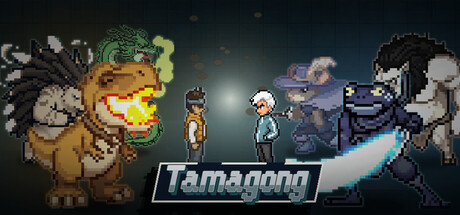 Tamagong In-game content textaudioart | Tamagong uses generative AI in three places during development:
Translation: the game's eight languages were translated with AI assistance.
Audio: some sound effects and ambient tracks were produced with AI assisted tools.
Art & Visuals: some art work began from AI generated output, which was then edited by hand for style consistency. Concept images were also generated as reference while designing monsters and locations. | rigelriv | - | Sep 27, 2026 | |
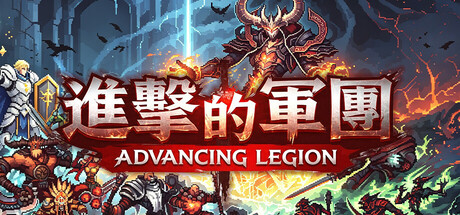 Advancing Legion In-game content art | Some promotional images on the Steam store are made with artificial intelligence; no artificial intelligence-made art assets are used in the game. | 1029studio | - | Sep 27, 2026 | |
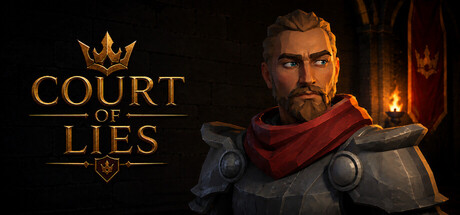 Court of Lies art | Some promotional artwork for this game (such as the store capsule image)
was created with the help of generative AI tools and then edited by hand.
All in-game content — 3D models, animations, sound effects, interface and
code — was created without generative AI. The game does not use AI during
gameplay and does not connect to any external AI service. | TAMGA Games | - | Sep 27, 2026 | |
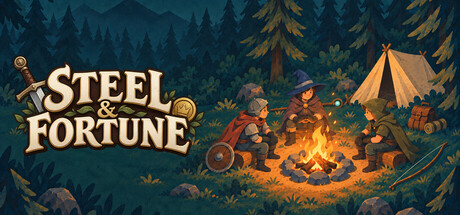 Steel & Fortune In-game content artaudiotext | Generative AI was used to create some content, including certain images, music, text and translations, as well as some store and promotional materials. AI-assisted content was created in advance; the game does not generate AI content or connect to external AI services during gameplay. | jaemsgames | - | Sep 27, 2026 | |
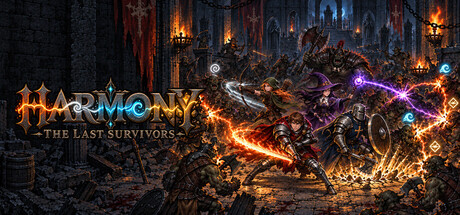 Harmony In-game content artaudiotext | The game's pixel art sprites and visual effects, the store capsule art and logo, and the music were created with the help of generative AI tools, then selected, edited and integrated by the developer. The store page text and its Chinese translation were drafted with AI assistance and reviewed by the developer. All content is pre-generated; nothing is generated while the game is running. | BeeBee Games | - | Sep 25, 2026 | |
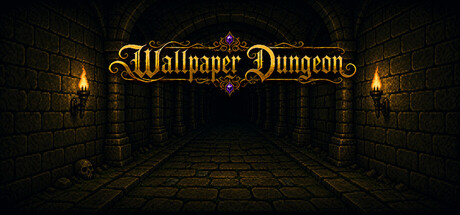 Wallpaper Dungeon In-game content art | AI assisted for Portraits. | Xxen | - | Sep 25, 2026 | |
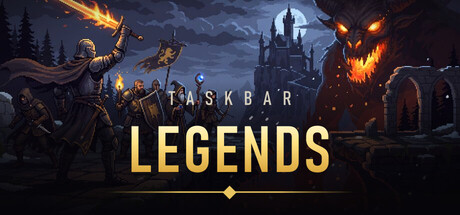 TBL: Taskbar Legends Dev only artcode | We use AI to generate combat simulation tests, placeholder artwork, and agentic workflows for game logic. AI is a tool and not something to replace humans with. A lot of human hours have been put into the game too. | Diminished Studios | - | Sep 25, 2026 | |
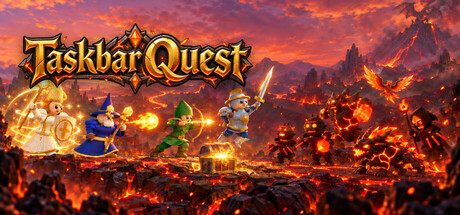 Taskbar Quest In-game content arttext | Some of the artwork and text in this game and on its store page, including the translations, were created with the assistance of AI tools and reviewed by the developer. | Henrique Maciel | - | Sep 24, 2026 | |
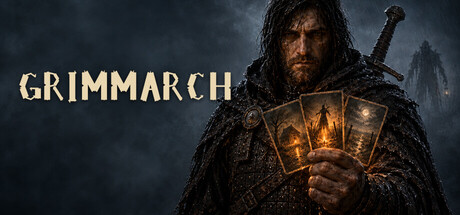 Grimmarch In-game content artaudiotext | Grimmarch's art, music, voice and sound effects are created or edited with generative AI tools, then selected, edited and approved by a human before shipping. That covers card and interface art, character portraits, map and scene art, the cinematic, music, character voice lines and sound effects.
Nothing is generated while you play: the game contacts no AI service at runtime, and nothing you do is sent to one. | AppsByLuke | - | Sep 24, 2026 | |
 Fortrezo Desaparanta Dev only textart | I use generative technologies strictly in a supporting role, including: brain-storming; editing text; altering images; research; transcription…
Generated assets are never the first seed nor the last product of any content in my games. | Alex Henry | - | Sep 24, 2026 | |
 Javelin Dev only arttext | I use generative technologies strictly in a supporting role, including: brain-storming; editing text; altering images; research; transcription…
Generated assets are never the first seed nor the last product of any content in my games. | Alex Henry | - | Sep 24, 2026 | |
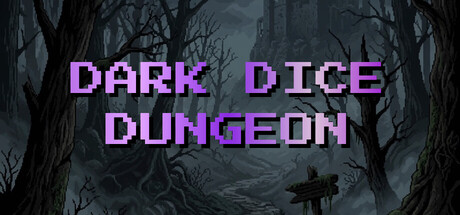 Dark Dice Dungeon In-game content artaudiotext | The content of Dark Dice Dungeon was produced with the help of generative AI tools: the illustrations, the music and sound effects, the in-game writing, and the English and Spanish translations. All of it was then selected, edited and assembled by hand by the developer. Nothing is generated while you play: the game ships with fixed assets and never connects to any service. | Lolo's Game Studio | - | Sep 24, 2026 | |
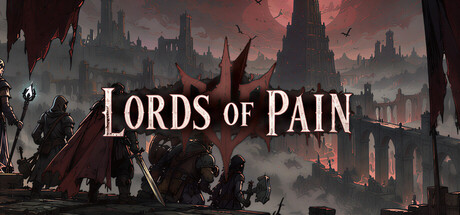 Lords of Pain In-game content textart | Generative AI tools were used to assist with localization and translations, as well as to create marketing materials and promotional assets. | Pinfel | - | Sep 23, 2026 |


