Public Steam disclosure research25,376 disclosures tracked
Where do games disclose AI use?
Search developers’ Steam disclosures, compare classified AI use across
games, and follow recorded changes.
This index adds cross-game classifications and statistics to
statements published on individual store pages.
Groups reflect automatic analysis of public disclosures; mature records are excluded. These counts do not measure AI use across all of Steam.
Missing or unclear statements cannot establish whether a game uses AI.
Generative AI tools were used during development to assist in creating certain environmental textures and ambient sound effects to enhance the game's atmosphere. All generated assets were reviewed and integrated manually to fit the retro aesthetic of the game.
AI tools were used during the development of this game to assist with programming, and the creation of some sound effects and UI images. All AI-assisted content was reviewed and edited by the developer before being incorporated into the game.
AI generative tools are used in development. Non-English translations and some marketing material were also produced with AI assistance.
Nothing is generated by AI while the game is running.
I'm a solo developer. The idea, design, writing, levels and world are my own work. I use AI to help me write code, and some environment art starts from AI-generated drafts that I then repaint and edit by hand in Procreate. Nothing is AI-generated while you play. The music is a real recording from the 1930s.
I am a solo indie developer and programmer. Some of the 2D graphics in the game and its store materials were created with the assistance of generative AI, then reviewed, edited, and integrated by me. No generative AI is used during gameplay.
Generative AI Usage
- Reference for some backgrounds and CG compositions
- Editing and proofreading of some text
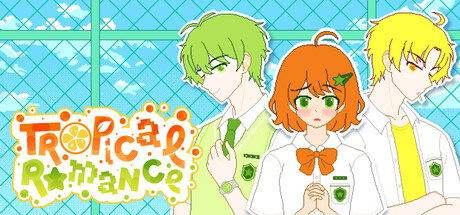
- Assistance with English and Japanese localization
All final content was created, reviewed, and/or revised by the developer.
Parts of this game's source code and in-game text were produced with the assistance of generative AI tools during development.
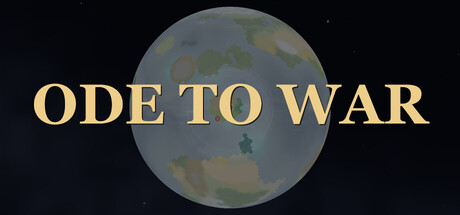
The planet itself is not AI-generated. It is built by conventional deterministic algorithms : noise functions, Voronoi tessellation, plate tectonics, erosion and climate simulation (the same family of techniques used in procedural generation for decades. Every world is reproducible from its seed).
No AI runs while you play, and the game never connects to an external AI service.
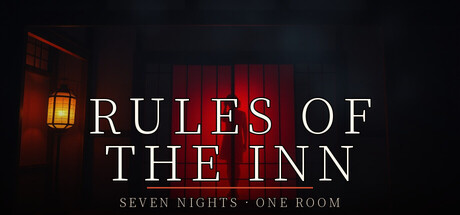
Some image assets (such as the apparitions and the hanging scroll artwork) and some audio assets (music and sound effects) in this game were created using generative AI. All generated material was selected and edited by the developer before use, and only models licensed for commercial use were used.
No generative AI runs while you play. Everything shipped in the game is pre-generated and fixed, and the game never sends your input to an AI service.
Partial artwork uses generative AI assistance. Scripts are fully original written by the developer. Background music is CC0 public domain material, no in-game real-time AI generation.
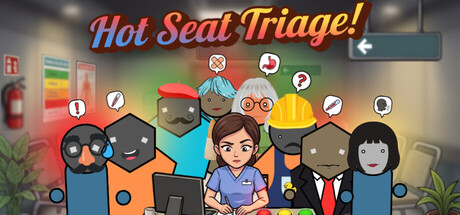
Hot Seat Triage uses AI tools during development only; the game contains no live AI generation at runtime.
Code: The game's code was written with the assistance of Claude (Anthropic). All AI-assisted code was directed, reviewed and tested by the developer.
Art: The in-game background image was initially generated with Nano Banana 2, then manually edited and finalized by the developer. All other art and UI assets are human-made.
Text: Clinical case scenarios were drafted with AI assistance and then reviewed, corrected and medically approved by the developer, an emergency medicine physician.
Audio: The theme music and some sound effects were created by the developer using Suno.
All AI-assisted content was human-reviewed before inclusion.
Generative AI tools were used in parts of this game's development, always under human creative direction.
Art: The game's visual design is led by a classically trained 2D artist acting as art director. The UI style, overall color palette, character art, and environment style are all conceived and directed by a human, starting from hand-drawn sketches and detailed art direction. Generative AI is used only as an execution tool carrying out that direction—the distinctive style and texture of the game come from human artistic judgment, and every asset is directed, selected, and refined by the artist.
Music: The main melodies are composed by us by ear. Generative AI is then directed—with specific guidance on mood, instrumentation, and arrangement—to help realize the finished tracks.
Code: The game's code was generated using AI coding tools.
All content is reviewed and integrated by the developers before inclusion. The game contains no content generated live by AI during gameplay.
Generative AI tools were used only as a development assistant to help prototype and refine accessibility-related code and interface behavior. The game does not include AI-generated narrative, artwork, audio, characters, translations, or live-generated AI content.
Some 3D prop assets and promotional artwork were created with the assistance of generative AI tools. All AI-assisted content was manually reviewed, edited, and integrated by the developer. No content is generated during gameplay.
Character portraits, scene art, and voice performances were generated with licensed AI tools (PixelLab, ElevenLabs) under paid subscriptions, then curated, edited, and directed by hand.
The soundtrack is built on the developer's original compositions, produced and arranged with Suno under a paid subscription.
All game design, writing, and code are human-made. No AI generation occurs at runtime.
The game contains content created with the assistance of AI tools. AI-assisted tools were used during development, including programming assistance and the creation of some audio and 3D assets. These assets were reviewed, edited, and integrated into the game by the developers.
We used generative AI tools (such as Midjourney) to pre-generate some background illustrations and story artworks. All generated assets have been carefully reviewed and edited to ensure they do not violate any copyright or community guidelines.
Some art assets in this game were created with the aid of AI image-generation tools, then edited and composited by the developer. The musical score was composed using Suno. All writing, design, and direction are by the developer. We have taken steps to ensure the AI tools used were operated in a manner consistent with their terms of service.
A limited amount of generative AI was used to assist with creating some decorative in-game poster artwork. The game's environments, level design, gameplay mechanics, and overall world-building were handcrafted by the developer.
During the development of this game, some 3D scene models were created with the assistance of the Rodin AI Hyper tool. All AI-generated base models have undergone manual adjustment, optimization, and review by our development team to ensure they conform to the game’s artistic style and quality standards
As a passionate two-person indie team with a $0 budget, we utilize advanced, paid AI tools to breathe life into our world. We use high-quality, expressive AI voice acting to deliver emotional depth to our characters, alongside curated AI art to enhance environmental storytelling. Every asset is carefully selected and integrated by hand to match our artistic vision without compromising on quality."
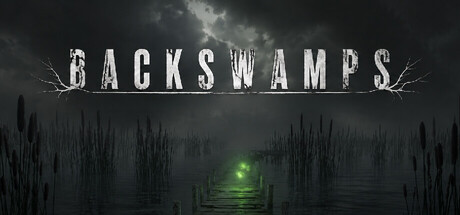
Backswamps contains some pre-generated visual assets created with the assistance of generative AI, including certain textures and interface artwork. All AI-assisted content has been reviewed, curated, and integrated by the developer. The game does not generate AI content during gameplay.
This game uses generative AI in limited, non-gameplay-critical areas:
- AI-assisted code refactoring and performance optimization during development
- AI-assisted translation polishing for multi-language support
- UI layout refinement suggested by AI tools during the design process
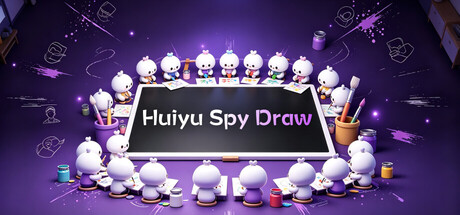
All core gameplay logic, the unique drawing-and-deduction design, and all original game artwork were created, reviewed and refined by human developers.
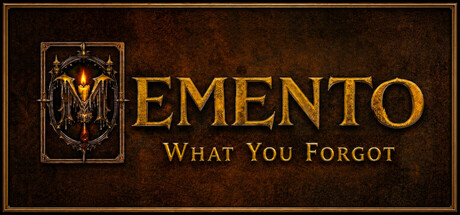
The development of Memento made use of generative AI tools across several stages of production. Cutscenes are created using AI-based video generation tools. Graphic elements such as environments, characters, and card illustrations were created or refined with the help of generative AI tools. Parts of the soundtrack and text were also produced with AI assistance. All content was manually selected, edited, and integrated by the developer.
In the development process of this game, we utilized pre-generated AI tools as follows:
* 2D Assets (Backgrounds, Photos, Various Images): After generating base images using AI, we manually added, modified, and processed them before implementing them in the game.
* 3D Assets: AI generation was used for some 3D models, and the output models were then manually adjusted and processed before use.
* Audio: Generation AI tools (text-to-speech and speech synthesis) were used for some sound effects (SE) and character voices.
Please note that we did not use any live-generated AI systems that generate content in real time during game execution.
Generative AI was used as a production tool to help create selected visual and audio assets and to assist with refining some written content. The game’s concept, narrative direction, scenes, mechanics, and final presentation were defined, directed, reviewed, and edited by the developer. No content is generated by AI during gameplay.
All content in this game was created by a single developer using generative AI tools, under full human supervision.
The scenario and script were written by the developer (writing assistance: Claude). All theme song lyrics were written by the developer. Backgrounds, character sprites, the logo, and the OP/ED movies were generated with Leonardo AI, based on the developer's own character designs, compositions, and art direction. The music and theme songs were produced with Suno AI. All voice acting was generated with ElevenLabs; every line in all three languages (Japanese, English, and Simplified Chinese, approx. 1,900 lines each) was individually reviewed by the developer for pronunciation, acting, and emotional delivery, and only approved takes were used. Localization was assisted by Claude Code, with every translation reviewed by the developer. Programming was assisted by Claude Code.
The store page and marketing assets (capsule images, logo, trailers, etc.) were likewise created with Leonardo AI (imagery) and Suno AI (music). Screenshots and trailer footage are captures of the actual game (the game itself contains the AI-generated assets described above).
Every AI-generated asset was reviewed, selected, and corrected by the developer before use. No content is generated by AI at runtime. A breakdown of tools by production stage is included in the end credits.
Generative AI was used to create artwork for the title screen, lobby background, and some UI decorations. The generated images were selected, edited, and sliced by the development team before being integrated into the game. Generative AI was also used to assist with drafting and editing some mini-game prompts. The game does not use generative AI at runtime and does not connect to external AI services during play.
Some visual assets — character art/portraits, sprite artwork, and store/marketing
capsule images — were created with the help of generative AI image tools, then
edited, composited, and curated by the developer. All such assets are PRE-GENERATED
during development; the shipped game performs NO live/runtime AI generation. No
generative AI produces text, dialogue, or any player-facing content at runtime.
All generated assets were reviewed by the developer to ensure they contain no
infringing or inappropriate material.
We did use AI generated images, but human edited and perfected images for our Steam Store and logos. Static UI elements and backgrounds were also generated using AI, but again, human edited.
Audio: AI voice-generation tools, including ElevenLabs, were used to create character dialogue and narration tracks.
Visual Elements: AI image-generation tools were used to create some background textures, props, and 2D image assets used in the game’s environments.
All generated assets were personally reviewed, edited, and reworked by the developer to ensure that they align with the game’s setting and creative direction before being safely incorporated into the game.
Generative AI tools were used during development to assist in creating certain environmental textures and ambient sound effects to enhance the game's atmosphere. All generated assets were reviewed and integrated manually to fit the retro aesthetic of the game.
AI tools were used during the development of this game to assist with programming, and the creation of some sound effects and UI images. All AI-assisted content was reviewed and edited by the developer before being incorporated into the game.
AI generative tools are used in development. Non-English translations and some marketing material were also produced with AI assistance.
Nothing is generated by AI while the game is running.
I'm a solo developer. The idea, design, writing, levels and world are my own work. I use AI to help me write code, and some environment art starts from AI-generated drafts that I then repaint and edit by hand in Procreate. Nothing is AI-generated while you play. The music is a real recording from the 1930s.
I am a solo indie developer and programmer. Some of the 2D graphics in the game and its store materials were created with the assistance of generative AI, then reviewed, edited, and integrated by me. No generative AI is used during gameplay.
Generative AI Usage
- Reference for some backgrounds and CG compositions
- Editing and proofreading of some text
- Assistance with English and Japanese localization
All final content was created, reviewed, and/or revised by the developer.
Parts of this game's source code and in-game text were produced with the assistance of generative AI tools during development.
The planet itself is not AI-generated. It is built by conventional deterministic algorithms : noise functions, Voronoi tessellation, plate tectonics, erosion and climate simulation (the same family of techniques used in procedural generation for decades. Every world is reproducible from its seed).
No AI runs while you play, and the game never connects to an external AI service.
Some image assets (such as the apparitions and the hanging scroll artwork) and some audio assets (music and sound effects) in this game were created using generative AI. All generated material was selected and edited by the developer before use, and only models licensed for commercial use were used.
No generative AI runs while you play. Everything shipped in the game is pre-generated and fixed, and the game never sends your input to an AI service.
Partial artwork uses generative AI assistance. Scripts are fully original written by the developer. Background music is CC0 public domain material, no in-game real-time AI generation.
Hot Seat Triage uses AI tools during development only; the game contains no live AI generation at runtime.
Code: The game's code was written with the assistance of Claude (Anthropic). All AI-assisted code was directed, reviewed and tested by the developer.
Art: The in-game background image was initially generated with Nano Banana 2, then manually edited and finalized by the developer. All other art and UI assets are human-made.
Text: Clinical case scenarios were drafted with AI assistance and then reviewed, corrected and medically approved by the developer, an emergency medicine physician.
Audio: The theme music and some sound effects were created by the developer using Suno.
All AI-assisted content was human-reviewed before inclusion.
Generative AI tools were used in parts of this game's development, always under human creative direction.
Art: The game's visual design is led by a classically trained 2D artist acting as art director. The UI style, overall color palette, character art, and environment style are all conceived and directed by a human, starting from hand-drawn sketches and detailed art direction. Generative AI is used only as an execution tool carrying out that direction—the distinctive style and texture of the game come from human artistic judgment, and every asset is directed, selected, and refined by the artist.
Music: The main melodies are composed by us by ear. Generative AI is then directed—with specific guidance on mood, instrumentation, and arrangement—to help realize the finished tracks.
Code: The game's code was generated using AI coding tools.
All content is reviewed and integrated by the developers before inclusion. The game contains no content generated live by AI during gameplay.
Generative AI tools were used only as a development assistant to help prototype and refine accessibility-related code and interface behavior. The game does not include AI-generated narrative, artwork, audio, characters, translations, or live-generated AI content.
Some 3D prop assets and promotional artwork were created with the assistance of generative AI tools. All AI-assisted content was manually reviewed, edited, and integrated by the developer. No content is generated during gameplay.
Character portraits, scene art, and voice performances were generated with licensed AI tools (PixelLab, ElevenLabs) under paid subscriptions, then curated, edited, and directed by hand.
The soundtrack is built on the developer's original compositions, produced and arranged with Suno under a paid subscription.
All game design, writing, and code are human-made. No AI generation occurs at runtime.
The game contains content created with the assistance of AI tools. AI-assisted tools were used during development, including programming assistance and the creation of some audio and 3D assets. These assets were reviewed, edited, and integrated into the game by the developers.
We used generative AI tools (such as Midjourney) to pre-generate some background illustrations and story artworks. All generated assets have been carefully reviewed and edited to ensure they do not violate any copyright or community guidelines.
Some art assets in this game were created with the aid of AI image-generation tools, then edited and composited by the developer. The musical score was composed using Suno. All writing, design, and direction are by the developer. We have taken steps to ensure the AI tools used were operated in a manner consistent with their terms of service.
A limited amount of generative AI was used to assist with creating some decorative in-game poster artwork. The game's environments, level design, gameplay mechanics, and overall world-building were handcrafted by the developer.
During the development of this game, some 3D scene models were created with the assistance of the Rodin AI Hyper tool. All AI-generated base models have undergone manual adjustment, optimization, and review by our development team to ensure they conform to the game’s artistic style and quality standards
As a passionate two-person indie team with a $0 budget, we utilize advanced, paid AI tools to breathe life into our world. We use high-quality, expressive AI voice acting to deliver emotional depth to our characters, alongside curated AI art to enhance environmental storytelling. Every asset is carefully selected and integrated by hand to match our artistic vision without compromising on quality."
Backswamps contains some pre-generated visual assets created with the assistance of generative AI, including certain textures and interface artwork. All AI-assisted content has been reviewed, curated, and integrated by the developer. The game does not generate AI content during gameplay.
This game uses generative AI in limited, non-gameplay-critical areas:
- AI-assisted code refactoring and performance optimization during development
- AI-assisted translation polishing for multi-language support
- UI layout refinement suggested by AI tools during the design process
All core gameplay logic, the unique drawing-and-deduction design, and all original game artwork were created, reviewed and refined by human developers.
The development of Memento made use of generative AI tools across several stages of production. Cutscenes are created using AI-based video generation tools. Graphic elements such as environments, characters, and card illustrations were created or refined with the help of generative AI tools. Parts of the soundtrack and text were also produced with AI assistance. All content was manually selected, edited, and integrated by the developer.
In the development process of this game, we utilized pre-generated AI tools as follows:
* 2D Assets (Backgrounds, Photos, Various Images): After generating base images using AI, we manually added, modified, and processed them before implementing them in the game.
* 3D Assets: AI generation was used for some 3D models, and the output models were then manually adjusted and processed before use.
* Audio: Generation AI tools (text-to-speech and speech synthesis) were used for some sound effects (SE) and character voices.
Please note that we did not use any live-generated AI systems that generate content in real time during game execution.
Generative AI was used as a production tool to help create selected visual and audio assets and to assist with refining some written content. The game’s concept, narrative direction, scenes, mechanics, and final presentation were defined, directed, reviewed, and edited by the developer. No content is generated by AI during gameplay.
All content in this game was created by a single developer using generative AI tools, under full human supervision.
The scenario and script were written by the developer (writing assistance: Claude). All theme song lyrics were written by the developer. Backgrounds, character sprites, the logo, and the OP/ED movies were generated with Leonardo AI, based on the developer's own character designs, compositions, and art direction. The music and theme songs were produced with Suno AI. All voice acting was generated with ElevenLabs; every line in all three languages (Japanese, English, and Simplified Chinese, approx. 1,900 lines each) was individually reviewed by the developer for pronunciation, acting, and emotional delivery, and only approved takes were used. Localization was assisted by Claude Code, with every translation reviewed by the developer. Programming was assisted by Claude Code.
The store page and marketing assets (capsule images, logo, trailers, etc.) were likewise created with Leonardo AI (imagery) and Suno AI (music). Screenshots and trailer footage are captures of the actual game (the game itself contains the AI-generated assets described above).
Every AI-generated asset was reviewed, selected, and corrected by the developer before use. No content is generated by AI at runtime. A breakdown of tools by production stage is included in the end credits.
Generative AI was used to create artwork for the title screen, lobby background, and some UI decorations. The generated images were selected, edited, and sliced by the development team before being integrated into the game. Generative AI was also used to assist with drafting and editing some mini-game prompts. The game does not use generative AI at runtime and does not connect to external AI services during play.
Some visual assets — character art/portraits, sprite artwork, and store/marketing
capsule images — were created with the help of generative AI image tools, then
edited, composited, and curated by the developer. All such assets are PRE-GENERATED
during development; the shipped game performs NO live/runtime AI generation. No
generative AI produces text, dialogue, or any player-facing content at runtime.
All generated assets were reviewed by the developer to ensure they contain no
infringing or inappropriate material.
We did use AI generated images, but human edited and perfected images for our Steam Store and logos. Static UI elements and backgrounds were also generated using AI, but again, human edited.
Audio: AI voice-generation tools, including ElevenLabs, were used to create character dialogue and narration tracks.
Visual Elements: AI image-generation tools were used to create some background textures, props, and 2D image assets used in the game’s environments.
All generated assets were personally reviewed, edited, and reworked by the developer to ensure that they align with the game’s setting and creative direction before being safely incorporated into the game.