Public Steam disclosure research25,376 disclosures tracked
Where do games disclose AI use?
Search developers’ Steam disclosures, compare classified AI use across
games, and follow recorded changes.
This index adds cross-game classifications and statistics to
statements published on individual store pages.
Groups reflect automatic analysis of public disclosures; mature records are excluded. These counts do not measure AI use across all of Steam.
Missing or unclear statements cannot establish whether a game uses AI.
Part of the game's text, including the German, French and Spanish translations, and the store page descriptions were written with the help of AI tools. The paintings are public-domain works by real artists.
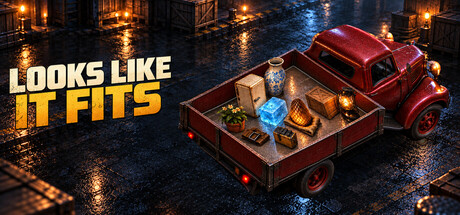
Generative AI was used to create artwork for the truck, cargo, environments, route illustrations, and store materials. AI tools also assisted with writing and localization. All such content was created before release. The game does not generate AI content or connect to AI services during gameplay.
Parts of this game were made with the help of generative AI during development.
- Artwork (item illustrations, backgrounds and interface graphics) was generated with AI tools and then edited and adjusted by hand.
- Music and sound effects were created with AI tools.
- The source code and the in-game text translations were written with AI assistance.
All of it was reviewed by the developer before release.
This game does not use generative AI while you play. No content is generated at runtime, and no player data is sent to any AI service.
During the development of this game, we utilized generative artificial intelligence tools—specifically Claude, Gemini, and Codex (GPT)—to assist with programming, debugging, and drafting text/documentation.
Code and Systems: AI models were used as development assistants to help write, refactor, and troubleshoot code logic.
Text and Documentation: AI assistants were used to brainstorm and draft text content, which was then thoroughly reviewed, edited, and manually integrated by our development team.
Made by one developer with a little help from AI! Some artwork and text started life in generative AI tools, then got edited and polished by hand. Nothing is generated while you play.
Pre-generated content (created during development, not generated while playing):
- The ending theme song "さくら色の上履き" was created with Suno.
- The title logos were generated with an AI image tool and reviewed by the developer.
- Game artwork (scenes, character art and illustrations) was created with the help of AI image generation and upscaled with Real-ESRGAN, then selected and edited by the developer.
- AI assistants (Codex, Claude) were used to help write code and to draft/translate some text; all story text was reviewed by the developer.
The game does not generate any content with AI at runtime.
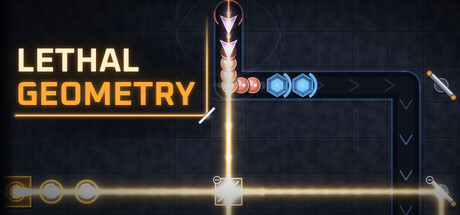
Lethal Geometry's written content and level design were made with generative AI assistance: the in-game text, the upgrade and milestone descriptions, the map hints, the layout and waves of the maps, and this store page.
Nothing you see or hear is generated by an AI model. The board, the interface and the icons are drawn by the game's own code, so the build contains no image files, and every sound effect is synthesised by a script from mathematical waveforms. Nothing is generated while you play: there is no AI model in the game and no calls out to one.
CS
Some 3D models in this game, with their textures, were generated with an AI 3D-modeling tool from our own designs and then rigged and edited for the game: the Harvester, the Halloway family, the two playable co-op characters, the scarecrows and the wax effigy.
We use generative AI across all disciplines of game development, most often with heavy amounts of human editing. That involves audio and visual art, 3D models, our logo, and localization. We use it as a productivity tool so we can achieve a higher level of quality, faster, than we would have been able to.
Generative AI was used to create promotional artwork and to assist with store-page text and in-game localization. The game does not generate AI content during gameplay or connect to an external AI service.
This game was made with the help of generative AI.
AI tools were used during development to create visual assets, sound and music, parts
of the source code, and the translations of this page and the in-game text. Everything
was chosen, edited and assembled by hand before release.
Nothing is generated while you play — all content ships with the game.
This game includes content created with the help of generative AI. The base 3D animal models were generated using an AI 3D-modeling tool and then rigged, animated, and hand-finished by the developer. Non-English translations were initially AI-drafted and then reviewed and corrected by the developer. All content is final and reviewed before release — no AI content is generated while you play.
This game uses generative AI as part of its content creation pipeline. Some elements of the store page cover art were generated using AI and then combined with additional artwork created by our designer. Certain in-game environment textures were processed using AI-assisted tools as part of the texturing workflow. Character voices were recorded by our own team and then processed with AI-based voice conversion to transform them into different character voices. All AI-assisted content was reviewed and refined by our team before being included in the final game.
AI was used for coding, translations and achievements. The map, airports and countries come from public datasets. Nothing is generated by AI while you play.
Generative AI was used during development to create pre-generated artwork, including backgrounds, characters, fish, food, icons, and some UI and store images. AI was also used to prepare store descriptions and translations. No content is generated by AI during gameplay.
The game's cases, design and text were created by the developer. Generative AI was used as an assistant when writing the text of this store page and of the game, and to translate it into 12 languages; all of it was reviewed and edited by the developer. No content is generated while you play.
Generative AI tools were used during development to create pre-generated character voices, music, and store artwork, and to assist with writing. These assets are prepared in advance. The game does not generate AI content or connect to third-party AI services during gameplay.
Some visual assets and the music in Roadweave were created with the help of generative AI tools during development: the key art, logo, store and library artwork, icons and achievement badges were made with image tools, and the soundtrack with a music tool. Every asset was selected and edited by the developer before release.
Generative AI is not used while you play. Maps are built by the game's own procedural generator from a seed — ordinary game code, not AI.
AI tools were used to create artwork and some of the background music included in the game. The game does not generate new content with generative AI during play.
Some sound effects included in the game were generated using generative AI tools. The game's non-English translations were machine-generated. The game contains no live-generated AI content. Visual assets and UI are generated procedurally by conventional game code.
Generative AI tools were used during development to create and assist with some pre-generated visual and audio assets. All AI-assisted content included in the game is reviewed, selected, and integrated by the developer. No generative AI content is created in real time during gameplay.
Generative AI was used during development to create and refine some of the game's 2d and 3d artwork and music. All AI-generated content was reviewed, selected, and edited by the developer before being included in the game. Generative AI is not used during gameplay, and no content is generated in real time.
Images: AI-generated images were manually edited and composited for use in the game.
Text: AI was used to draft some in-game text (card names and descriptions), which was then manually rewritten.
Live-generated AI content: None.
Generative AI was used to assist in creating some of the 2D artwork used for this game's store page and marketing assets (store capsule art and icon bases). All such assets were reviewed, edited and composited by the developer. The game itself does not generate content with AI at runtime.
We used AI-assisted tools to help create and refine a small selection of visual assets. Each one was reviewed and adjusted by hand before it was used.
AI also helped us tidy up the grammar and wording in a small amount of in-game and store-page text. We checked and edited every final line ourselves.
For us, AI is simply a supporting tool. Dino Dome: Tidy Up! is still shaped by our own ideas, judgement, and hands-on creative work.
AI was used to assist with coding and to create some textures, which were later reworked by the developer.
The game does not generate AI content in real time
This game utilizes generative AI in the creation of some images, background music, and sound effects. All such content is reviewed and edited before being incorporated into the game.
Generative AI tools were used during development to create and refine some pre-generated visual assets, music, sound effects, and promotional artwork. No text or narrative content was generated using AI. All AI-assisted materials were reviewed, edited, and integrated by the development team. The game does not use generative AI at runtime, and no player input or personal data is sent to any AI service.
Generative AI was used during development to create some 2D artwork, including machines, enemies and environments, and to assist with in-game text, English and German localization, and store materials. These are pre-generated assets and texts.
The altered paintings ("forgeries") were made by editing public-domain museum scans with generative AI image tools. Each one was reviewed by hand, colour-matched to its original scan and, where possible, composited back onto that scan so that only the altered detail differs. Some in-game English text (the questions that appear beside the paintings) and parts of this store description were drafted with an AI writing assistant and edited by the developer. The capsule art and screenshots are frames rendered by the game itself; the capsule art shows one of the AI-edited paintings. Nothing is generated by AI while the game runs.
This game uses generative AI to create some of its audio content. Background music tracks were generated using Suno, and sound effects (SFX) for menus were generated using ElevenLabs. All AI-generated audio was reviewed and curated by the developer. No gameplay code or puzzle logic is generated by AI at runtime; the use of AI is limited to pre-generated audio content included in the build.
Game text and translations were created with the help of AI tools. The public build has no AI voices; it has no voice acting yet. The art is not made with generative AI: it comes from free CC0 asset packs plus shapes and textures built in code. Sound effects are synthesized by our own scripts. Nothing is generated by AI while you play.
Some of this game's content was created with the help of generative AI tools during development:
- Artwork: some of the visual art in the game.
- Text: parts of the in-game writing, and the Simplified Chinese translation.
- Audio: a small number of sound effects. Most of the game's sound was made without AI.
Nothing is generated by AI while you play.
Almost all content in our game was handcrafted, we used real photos of berries, fruits and etc. to make donuts designs. We used AI as a supportive tool: to edit a few wall paintings, upscale and edit some textures, and fix grammar in the text.
We firmly believe AI is just an assistant—the core of our game remains human creativity and attention to detail.
AI tools were used only to assist with translating in-game text into supported languages. No AI-generated images, music, audio, or 3D models were used. The game does not generate AI content during gameplay.
Its creative direction and artistic content are rooted in human creativity and craftsmanship.
Part of the game's text, including the German, French and Spanish translations, and the store page descriptions were written with the help of AI tools. The paintings are public-domain works by real artists.
Generative AI was used to create artwork for the truck, cargo, environments, route illustrations, and store materials. AI tools also assisted with writing and localization. All such content was created before release. The game does not generate AI content or connect to AI services during gameplay.
Parts of this game were made with the help of generative AI during development.
- Artwork (item illustrations, backgrounds and interface graphics) was generated with AI tools and then edited and adjusted by hand.
- Music and sound effects were created with AI tools.
- The source code and the in-game text translations were written with AI assistance.
All of it was reviewed by the developer before release.
This game does not use generative AI while you play. No content is generated at runtime, and no player data is sent to any AI service.
During the development of this game, we utilized generative artificial intelligence tools—specifically Claude, Gemini, and Codex (GPT)—to assist with programming, debugging, and drafting text/documentation.
Code and Systems: AI models were used as development assistants to help write, refactor, and troubleshoot code logic.
Text and Documentation: AI assistants were used to brainstorm and draft text content, which was then thoroughly reviewed, edited, and manually integrated by our development team.
Made by one developer with a little help from AI! Some artwork and text started life in generative AI tools, then got edited and polished by hand. Nothing is generated while you play.
Pre-generated content (created during development, not generated while playing):
- The ending theme song "さくら色の上履き" was created with Suno.
- The title logos were generated with an AI image tool and reviewed by the developer.
- Game artwork (scenes, character art and illustrations) was created with the help of AI image generation and upscaled with Real-ESRGAN, then selected and edited by the developer.
- AI assistants (Codex, Claude) were used to help write code and to draft/translate some text; all story text was reviewed by the developer.
The game does not generate any content with AI at runtime.
Lethal Geometry's written content and level design were made with generative AI assistance: the in-game text, the upgrade and milestone descriptions, the map hints, the layout and waves of the maps, and this store page.
Nothing you see or hear is generated by an AI model. The board, the interface and the icons are drawn by the game's own code, so the build contains no image files, and every sound effect is synthesised by a script from mathematical waveforms. Nothing is generated while you play: there is no AI model in the game and no calls out to one.
CS
Some 3D models in this game, with their textures, were generated with an AI 3D-modeling tool from our own designs and then rigged and edited for the game: the Harvester, the Halloway family, the two playable co-op characters, the scarecrows and the wax effigy.
We use generative AI across all disciplines of game development, most often with heavy amounts of human editing. That involves audio and visual art, 3D models, our logo, and localization. We use it as a productivity tool so we can achieve a higher level of quality, faster, than we would have been able to.
Generative AI was used to create promotional artwork and to assist with store-page text and in-game localization. The game does not generate AI content during gameplay or connect to an external AI service.
This game was made with the help of generative AI.
AI tools were used during development to create visual assets, sound and music, parts
of the source code, and the translations of this page and the in-game text. Everything
was chosen, edited and assembled by hand before release.
Nothing is generated while you play — all content ships with the game.
This game includes content created with the help of generative AI. The base 3D animal models were generated using an AI 3D-modeling tool and then rigged, animated, and hand-finished by the developer. Non-English translations were initially AI-drafted and then reviewed and corrected by the developer. All content is final and reviewed before release — no AI content is generated while you play.
This game uses generative AI as part of its content creation pipeline. Some elements of the store page cover art were generated using AI and then combined with additional artwork created by our designer. Certain in-game environment textures were processed using AI-assisted tools as part of the texturing workflow. Character voices were recorded by our own team and then processed with AI-based voice conversion to transform them into different character voices. All AI-assisted content was reviewed and refined by our team before being included in the final game.
AI was used for coding, translations and achievements. The map, airports and countries come from public datasets. Nothing is generated by AI while you play.
Generative AI was used during development to create pre-generated artwork, including backgrounds, characters, fish, food, icons, and some UI and store images. AI was also used to prepare store descriptions and translations. No content is generated by AI during gameplay.
The game's cases, design and text were created by the developer. Generative AI was used as an assistant when writing the text of this store page and of the game, and to translate it into 12 languages; all of it was reviewed and edited by the developer. No content is generated while you play.
Generative AI tools were used during development to create pre-generated character voices, music, and store artwork, and to assist with writing. These assets are prepared in advance. The game does not generate AI content or connect to third-party AI services during gameplay.
Some visual assets and the music in Roadweave were created with the help of generative AI tools during development: the key art, logo, store and library artwork, icons and achievement badges were made with image tools, and the soundtrack with a music tool. Every asset was selected and edited by the developer before release.
Generative AI is not used while you play. Maps are built by the game's own procedural generator from a seed — ordinary game code, not AI.
AI tools were used to create artwork and some of the background music included in the game. The game does not generate new content with generative AI during play.
Some sound effects included in the game were generated using generative AI tools. The game's non-English translations were machine-generated. The game contains no live-generated AI content. Visual assets and UI are generated procedurally by conventional game code.
Generative AI tools were used during development to create and assist with some pre-generated visual and audio assets. All AI-assisted content included in the game is reviewed, selected, and integrated by the developer. No generative AI content is created in real time during gameplay.
Generative AI was used during development to create and refine some of the game's 2d and 3d artwork and music. All AI-generated content was reviewed, selected, and edited by the developer before being included in the game. Generative AI is not used during gameplay, and no content is generated in real time.
Images: AI-generated images were manually edited and composited for use in the game.
Text: AI was used to draft some in-game text (card names and descriptions), which was then manually rewritten.
Live-generated AI content: None.
Generative AI was used to assist in creating some of the 2D artwork used for this game's store page and marketing assets (store capsule art and icon bases). All such assets were reviewed, edited and composited by the developer. The game itself does not generate content with AI at runtime.
We used AI-assisted tools to help create and refine a small selection of visual assets. Each one was reviewed and adjusted by hand before it was used.
AI also helped us tidy up the grammar and wording in a small amount of in-game and store-page text. We checked and edited every final line ourselves.
For us, AI is simply a supporting tool. Dino Dome: Tidy Up! is still shaped by our own ideas, judgement, and hands-on creative work.
AI was used to assist with coding and to create some textures, which were later reworked by the developer.
The game does not generate AI content in real time
This game utilizes generative AI in the creation of some images, background music, and sound effects. All such content is reviewed and edited before being incorporated into the game.
Generative AI tools were used during development to create and refine some pre-generated visual assets, music, sound effects, and promotional artwork. No text or narrative content was generated using AI. All AI-assisted materials were reviewed, edited, and integrated by the development team. The game does not use generative AI at runtime, and no player input or personal data is sent to any AI service.
Generative AI was used during development to create some 2D artwork, including machines, enemies and environments, and to assist with in-game text, English and German localization, and store materials. These are pre-generated assets and texts.
The altered paintings ("forgeries") were made by editing public-domain museum scans with generative AI image tools. Each one was reviewed by hand, colour-matched to its original scan and, where possible, composited back onto that scan so that only the altered detail differs. Some in-game English text (the questions that appear beside the paintings) and parts of this store description were drafted with an AI writing assistant and edited by the developer. The capsule art and screenshots are frames rendered by the game itself; the capsule art shows one of the AI-edited paintings. Nothing is generated by AI while the game runs.
This game uses generative AI to create some of its audio content. Background music tracks were generated using Suno, and sound effects (SFX) for menus were generated using ElevenLabs. All AI-generated audio was reviewed and curated by the developer. No gameplay code or puzzle logic is generated by AI at runtime; the use of AI is limited to pre-generated audio content included in the build.
Game text and translations were created with the help of AI tools. The public build has no AI voices; it has no voice acting yet. The art is not made with generative AI: it comes from free CC0 asset packs plus shapes and textures built in code. Sound effects are synthesized by our own scripts. Nothing is generated by AI while you play.
Some of this game's content was created with the help of generative AI tools during development:
- Artwork: some of the visual art in the game.
- Text: parts of the in-game writing, and the Simplified Chinese translation.
- Audio: a small number of sound effects. Most of the game's sound was made without AI.
Nothing is generated by AI while you play.
Almost all content in our game was handcrafted, we used real photos of berries, fruits and etc. to make donuts designs. We used AI as a supportive tool: to edit a few wall paintings, upscale and edit some textures, and fix grammar in the text.
We firmly believe AI is just an assistant—the core of our game remains human creativity and attention to detail.
AI tools were used only to assist with translating in-game text into supported languages. No AI-generated images, music, audio, or 3D models were used. The game does not generate AI content during gameplay.
Its creative direction and artistic content are rooted in human creativity and craftsmanship.