Public Steam disclosure research25,376 disclosures tracked
Where do games disclose AI use?
Search developers’ Steam disclosures, compare classified AI use across
games, and follow recorded changes.
This index adds cross-game classifications and statistics to
statements published on individual store pages.
Groups reflect automatic analysis of public disclosures; mature records are excluded. These counts do not measure AI use across all of Steam.
Missing or unclear statements cannot establish whether a game uses AI.
Some of the game's text, including the clients' letters and notes, and the store page text were drafted with the help of an AI language model and edited by the developer. The artwork comes from the game's own renderer and models, not from image-generating AI, and the music is played by the game's own code. Nothing is generated by AI while you play.
Some art assets (the board game box covers, in-game posters and the game logo) and the background music were created with the help of generative AI tools, then selected and refined by our small team. Everything else, from the shop itself to the gameplay, was built by hand. No AI content is generated during gameplay.
Generative AI tools were used during development to create some of the game’s 2D artwork, 3D assets, and music, as well as Steam store artwork. These are pre-generated assets. The game does not generate AI content or connect to external AI services during gameplay.
Some puzzle artwork was created using generative AI tools during development and was subsequently selected, reviewed and prepared by the developer. Kingdom of Pieces does not generate AI content during gameplay.
AI Generated Content Disclosure
The developers of LIGHT IT provide the following disclosure regarding the use of AI tools in the creation of this game. All AI-assisted content is pre-generated; the game does not generate any AI content live during gameplay.
Music: The in-game music was produced using Suno, an AI music-generation tool.
Art: Some visual assets were created with the assistance of AI image-generation tools.
Code: AI assistants were used to help brainstorm implementation ideas and to assist with debugging.
All AI-assisted content and code was reviewed, tested, and refined by the developer before being included in the final game.
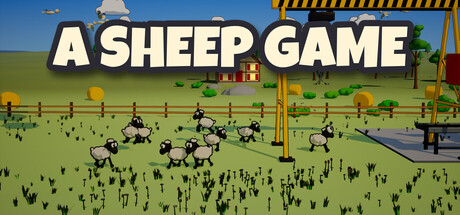
Pre-generated content: Parts of the game were made with generative AI tools and then selected, edited and integrated by the developer: the soundtrack (made with Suno), interface icons and stickers, the painted world illustrations on the level cards and act screens, sound effects and the spoken sheep lines. Some in-game and store texts, including the English translation, were drafted with an AI assistant and edited by the developer. All 3D models, animations and levels are made by the developer's own tools. The game does not generate content with AI while it runs.
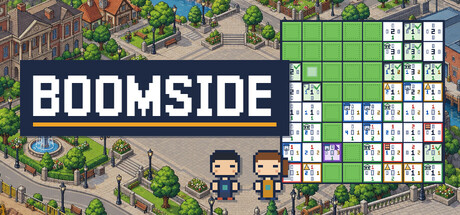
Boomside's background artwork, including the title-screen city and the district backgrounds, was created with the help of generative AI image tools. The developer then selected, edited and integrated it into the game. The game does not use AI to generate any content while you play.
I enjoy code and music, yet I am terrible at art.
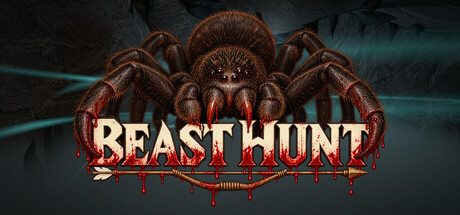
Therefore, generative AI was used during development to create some game artwork, including interface elements, achievements, and icons, and the Beast Hunt logo used in the game. The game does not generate AI content during gameplay.
We are a team of 3 developers and everything you see in the game including 3D models, textures, and environments were crafted entirely by human hands. We used Generative AI for store capsule images, translations, and the soundtrack.
AI-assisted tools were used during the development of Tidy Up Her Toys as part of the creative and production workflow.
AI was utilized to assist with certain aspects of programming and development, music creation, and the production of selected graphical and visual elements. These tools were used to support the development process, experimentation, iteration, and creative production.
The overall game design, direction, implementation, integration, editing, and final creative decisions were handled by the developer. AI-generated and AI-assisted content was reviewed, adapted, and integrated into the game as part of the development process.
Generative AI was used as a development assistance tool during the creation of GNOME DOME, including help with gameplay logic, Unreal Engine/Blueprint development, debugging, writing, and concept development. All AI-assisted work was reviewed, edited, and implemented by the developer. Generative AI is not used to create content dynamically during gameplay.
Art and sound within the game and trailer were created with the help of AI tools. In-game text was edited with AI assistance. All puzzles were hand-designed by the developer.
AI tools assisted in creating and revising the ending illustrations, narrative and explanatory text, English localization, and some visuals and sound effects produced through code. AI tools also assisted with store descriptions and promotional artwork. The game contains fixed, completed content and does not generate new content or connect to external AI services during play.
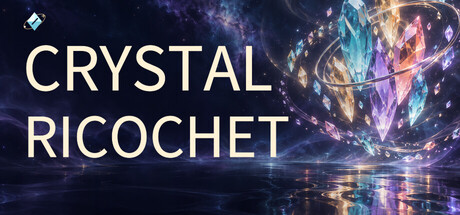
Generative AI was used for some background and crystal artwork, and assisted with interface and store text localization. These assets are prepared before release. The game does not generate content or connect to AI services during play.
Generative AI tools assisted with pre-generated game content, including text and localization, and with store artwork and marketing text. The game uses prepared content. It does not generate content with AI during gameplay or connect to external AI services.
Generative AI tools are used during the development of MASSVEIL to assist with the creation and refinement of certain pre-generated materials, including selected visual elements, sound effects, voice lines, and text content.
All AI-assisted content is reviewed and, where necessary, edited by the developer before being included in the game.
Generative AI is not used to create new content during gameplay, and the game does not connect to third-party AI services while running.
The developer used generative AI to help write and translate (Japanese to English) the in-game and store page text. All text was reviewed and edited by the developer. No graphics, sound or music in the game are AI-generated, and no content is generated by AI while playing.
Generative AI was used during development to help create visual assets, including textures and 3D models, as well as music, in-game text, including fictional film titles and catalog descriptions, and translations. AI tools were also used to create store and promotional artwork. All such content was created in advance. The game does not generate AI content during gameplay or connect to external AI services.
AI tools assisted in developing some procedural animations and sound effects. These elements were reviewed and refined to match the game’s artistic direction.
All in-game graphical assets were handcrafted by artists.
All game artwork is designed by hand and refined by our art team. AI-assisted tools in Adobe Photoshop, including generative completion, were used to support adjustments to approximately 5% of the game’s artwork. All AI-assisted elements were reviewed and adjusted by the art team to ensure consistency with the game’s artistic direction.
Generative AI tools were used during development to create some 3D models and textures, including buildings, vegetation, rocks and animals, as well as some menu backgrounds, interface artwork and store artwork. These assets were selected, edited, optimized and integrated during development. The game does not generate AI content during play or connect to an external AI service.
Signarchy was developed with the help of an AI coding assistant (Anthropic's Claude). It was used to write program code and to draft in-game text such as level descriptions, tutorial lines and translations. All of it was directed, reviewed, tested and edited by the developer.
The game itself contains no generative AI. Nothing is generated while you play: the traffic simulation is deterministic and runs entirely on your computer, without any connection to AI services. The 3D models are built procedurally from our own scripts, and road sign artwork follows official national standards.
This game contains content created with the assistance of AI tools. AI was used during development to assist with programming, visual assets, and other creative elements. All generated content was reviewed, edited, and integrated by the dev.
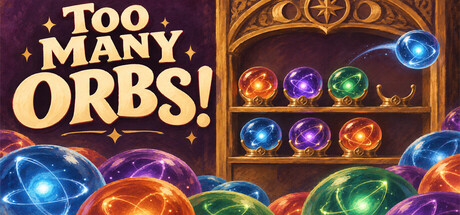
various visual assets and materials for Too Many Orbs! were created with the assistance of generative AI tools.
All AI-generated content was reviewed, refined, and integrated by the developer to ensure consistency with the game's artistic direction and quality standards.
The game is made by a single developer, with help from two friends. I used generative AI for some of the artwork (backgrounds, portraits, icons, book covers, record sleeves, skies) and for some of the music, selecting, editing and integrating every asset by hand. 3D models were bought from their creators, taken from free libraries or made in Blender, and sound effects come from free sound libraries: all authors are credited in the game.
Se han utilizado herramientas de inteligencia artificial generativa durante el desarrollo para ayudar en la creación y adaptación de algunos recursos del juego, como modelos 3D, imágenes, audio y otros elementos gráficos. Todo el contenido generado con IA ha sido revisado y preparado previamente antes de incluirse en el juego. El juego no genera contenido mediante IA en tiempo real ni se conecta a servicios externos de IA durante la partida.
AI tools were used to help translate the game's text into other languages and to draft the store page copy. All of it was reviewed by the developer. The game does not generate any content with AI while you play.
During development, generative AI was used to create some graphical assets and assist with translation from Japanese into other languages. This includes content used in the game, on the store page, and in promotional materials. The gaem does not use generative AI to generate content during gameplay.
Character art, portraits, monsters, backgrounds, item and skill icons, and story illustrations were created with AI image-generation tools, then selected, reviewed and laid out in the game by the developers. The background music was created with an AI music-generation tool (Suno). The code and text were written with AI assistance and reviewed by the developers. The game does not generate any AI content while it runs.
Pre-generated AI tools were used during development to assist with the creation and refinement of selected visual assets, localization text, and marketing materials. All AI-assisted content was reviewed, edited, and integrated by the developer before inclusion in the game or store materials. The game does not generate AI content in real time during gameplay.
Generative AI tools were used to assist with the creation of some pre-generated marketing text and promotional content for the game. The game does not use live-generated AI during gameplay.
Generative AI tools were used during development to assist with certain pre-generated content, including localization and selected visual assets. All AI-assisted content was reviewed and edited by the developer before being included in the game. The game does not use generative AI during gameplay and does not connect to external AI services.
Generative AI tools were used during development to assist with the creation of some artwork, music, and game code. All AI-assisted content was reviewed, edited, and integrated by the developer as part of the game’s creative and development process.
Some visual assets and promotional materials for this game were created with the assistance of generative AI and were reviewed, edited, and integrated by the developer. The game does not use live AI generation during gameplay.
Some visual assets and promotional materials for this game were created with the assistance of generative AI and were reviewed, edited, and integrated by the developer. The game does not use live AI generation during gameplay.
Some in-game visual assets were created with the assistance of generative AI. All AI-assisted content is pre-generated and included in the shipped game; no content is generated during gameplay.
Pre-generated AI was used to create selected 2D artwork included in the game, including a painting and menu imagery. All generated content was reviewed and selected by the developer before inclusion. The game does not generate AI content during gameplay and does not connect to a live AI service.
Generative AI tools were used during the development of Loth to create certain game assets. These AI-generated assets were reviewed, edited, and integrated into the game by the developer. No generative AI is used to create content in real time during gameplay.
The game contains pre-generated AI-assisted artwork, including industrial workshop and interface art, jewels, visual effect assets, and static store artwork. No content is generated by AI during gameplay, and the game does not connect to external AI services.
Some assets in this game were created with the assistance of generative AI tools. All AI-assisted assets were reviewed, edited, and integrated into the game by our team.
Some of the game's text, including the clients' letters and notes, and the store page text were drafted with the help of an AI language model and edited by the developer. The artwork comes from the game's own renderer and models, not from image-generating AI, and the music is played by the game's own code. Nothing is generated by AI while you play.
Some art assets (the board game box covers, in-game posters and the game logo) and the background music were created with the help of generative AI tools, then selected and refined by our small team. Everything else, from the shop itself to the gameplay, was built by hand. No AI content is generated during gameplay.
Generative AI tools were used during development to create some of the game’s 2D artwork, 3D assets, and music, as well as Steam store artwork. These are pre-generated assets. The game does not generate AI content or connect to external AI services during gameplay.
Some puzzle artwork was created using generative AI tools during development and was subsequently selected, reviewed and prepared by the developer. Kingdom of Pieces does not generate AI content during gameplay.
AI Generated Content Disclosure
The developers of LIGHT IT provide the following disclosure regarding the use of AI tools in the creation of this game. All AI-assisted content is pre-generated; the game does not generate any AI content live during gameplay.
Music: The in-game music was produced using Suno, an AI music-generation tool.
Art: Some visual assets were created with the assistance of AI image-generation tools.
Code: AI assistants were used to help brainstorm implementation ideas and to assist with debugging.
All AI-assisted content and code was reviewed, tested, and refined by the developer before being included in the final game.
Pre-generated content: Parts of the game were made with generative AI tools and then selected, edited and integrated by the developer: the soundtrack (made with Suno), interface icons and stickers, the painted world illustrations on the level cards and act screens, sound effects and the spoken sheep lines. Some in-game and store texts, including the English translation, were drafted with an AI assistant and edited by the developer. All 3D models, animations and levels are made by the developer's own tools. The game does not generate content with AI while it runs.
Boomside's background artwork, including the title-screen city and the district backgrounds, was created with the help of generative AI image tools. The developer then selected, edited and integrated it into the game. The game does not use AI to generate any content while you play.
I enjoy code and music, yet I am terrible at art.
Therefore, generative AI was used during development to create some game artwork, including interface elements, achievements, and icons, and the Beast Hunt logo used in the game. The game does not generate AI content during gameplay.
We are a team of 3 developers and everything you see in the game including 3D models, textures, and environments were crafted entirely by human hands. We used Generative AI for store capsule images, translations, and the soundtrack.
AI-assisted tools were used during the development of Tidy Up Her Toys as part of the creative and production workflow.
AI was utilized to assist with certain aspects of programming and development, music creation, and the production of selected graphical and visual elements. These tools were used to support the development process, experimentation, iteration, and creative production.
The overall game design, direction, implementation, integration, editing, and final creative decisions were handled by the developer. AI-generated and AI-assisted content was reviewed, adapted, and integrated into the game as part of the development process.
Generative AI was used as a development assistance tool during the creation of GNOME DOME, including help with gameplay logic, Unreal Engine/Blueprint development, debugging, writing, and concept development. All AI-assisted work was reviewed, edited, and implemented by the developer. Generative AI is not used to create content dynamically during gameplay.
Art and sound within the game and trailer were created with the help of AI tools. In-game text was edited with AI assistance. All puzzles were hand-designed by the developer.
AI tools assisted in creating and revising the ending illustrations, narrative and explanatory text, English localization, and some visuals and sound effects produced through code. AI tools also assisted with store descriptions and promotional artwork. The game contains fixed, completed content and does not generate new content or connect to external AI services during play.
Generative AI was used for some background and crystal artwork, and assisted with interface and store text localization. These assets are prepared before release. The game does not generate content or connect to AI services during play.
Generative AI tools assisted with pre-generated game content, including text and localization, and with store artwork and marketing text. The game uses prepared content. It does not generate content with AI during gameplay or connect to external AI services.
Generative AI tools are used during the development of MASSVEIL to assist with the creation and refinement of certain pre-generated materials, including selected visual elements, sound effects, voice lines, and text content.
All AI-assisted content is reviewed and, where necessary, edited by the developer before being included in the game.
Generative AI is not used to create new content during gameplay, and the game does not connect to third-party AI services while running.
The developer used generative AI to help write and translate (Japanese to English) the in-game and store page text. All text was reviewed and edited by the developer. No graphics, sound or music in the game are AI-generated, and no content is generated by AI while playing.
Generative AI was used during development to help create visual assets, including textures and 3D models, as well as music, in-game text, including fictional film titles and catalog descriptions, and translations. AI tools were also used to create store and promotional artwork. All such content was created in advance. The game does not generate AI content during gameplay or connect to external AI services.
AI tools assisted in developing some procedural animations and sound effects. These elements were reviewed and refined to match the game’s artistic direction.
All in-game graphical assets were handcrafted by artists.
All game artwork is designed by hand and refined by our art team. AI-assisted tools in Adobe Photoshop, including generative completion, were used to support adjustments to approximately 5% of the game’s artwork. All AI-assisted elements were reviewed and adjusted by the art team to ensure consistency with the game’s artistic direction.
Generative AI tools were used during development to create some 3D models and textures, including buildings, vegetation, rocks and animals, as well as some menu backgrounds, interface artwork and store artwork. These assets were selected, edited, optimized and integrated during development. The game does not generate AI content during play or connect to an external AI service.
Signarchy was developed with the help of an AI coding assistant (Anthropic's Claude). It was used to write program code and to draft in-game text such as level descriptions, tutorial lines and translations. All of it was directed, reviewed, tested and edited by the developer.
The game itself contains no generative AI. Nothing is generated while you play: the traffic simulation is deterministic and runs entirely on your computer, without any connection to AI services. The 3D models are built procedurally from our own scripts, and road sign artwork follows official national standards.
This game contains content created with the assistance of AI tools. AI was used during development to assist with programming, visual assets, and other creative elements. All generated content was reviewed, edited, and integrated by the dev.
various visual assets and materials for Too Many Orbs! were created with the assistance of generative AI tools.
All AI-generated content was reviewed, refined, and integrated by the developer to ensure consistency with the game's artistic direction and quality standards.
The game is made by a single developer, with help from two friends. I used generative AI for some of the artwork (backgrounds, portraits, icons, book covers, record sleeves, skies) and for some of the music, selecting, editing and integrating every asset by hand. 3D models were bought from their creators, taken from free libraries or made in Blender, and sound effects come from free sound libraries: all authors are credited in the game.
Se han utilizado herramientas de inteligencia artificial generativa durante el desarrollo para ayudar en la creación y adaptación de algunos recursos del juego, como modelos 3D, imágenes, audio y otros elementos gráficos. Todo el contenido generado con IA ha sido revisado y preparado previamente antes de incluirse en el juego. El juego no genera contenido mediante IA en tiempo real ni se conecta a servicios externos de IA durante la partida.
AI tools were used to help translate the game's text into other languages and to draft the store page copy. All of it was reviewed by the developer. The game does not generate any content with AI while you play.
During development, generative AI was used to create some graphical assets and assist with translation from Japanese into other languages. This includes content used in the game, on the store page, and in promotional materials. The gaem does not use generative AI to generate content during gameplay.
Character art, portraits, monsters, backgrounds, item and skill icons, and story illustrations were created with AI image-generation tools, then selected, reviewed and laid out in the game by the developers. The background music was created with an AI music-generation tool (Suno). The code and text were written with AI assistance and reviewed by the developers. The game does not generate any AI content while it runs.
Pre-generated AI tools were used during development to assist with the creation and refinement of selected visual assets, localization text, and marketing materials. All AI-assisted content was reviewed, edited, and integrated by the developer before inclusion in the game or store materials. The game does not generate AI content in real time during gameplay.
Generative AI tools were used to assist with the creation of some pre-generated marketing text and promotional content for the game. The game does not use live-generated AI during gameplay.
Generative AI tools were used during development to assist with certain pre-generated content, including localization and selected visual assets. All AI-assisted content was reviewed and edited by the developer before being included in the game. The game does not use generative AI during gameplay and does not connect to external AI services.
Generative AI tools were used during development to assist with the creation of some artwork, music, and game code. All AI-assisted content was reviewed, edited, and integrated by the developer as part of the game’s creative and development process.
Some visual assets and promotional materials for this game were created with the assistance of generative AI and were reviewed, edited, and integrated by the developer. The game does not use live AI generation during gameplay.
Some visual assets and promotional materials for this game were created with the assistance of generative AI and were reviewed, edited, and integrated by the developer. The game does not use live AI generation during gameplay.
Some in-game visual assets were created with the assistance of generative AI. All AI-assisted content is pre-generated and included in the shipped game; no content is generated during gameplay.
Pre-generated AI was used to create selected 2D artwork included in the game, including a painting and menu imagery. All generated content was reviewed and selected by the developer before inclusion. The game does not generate AI content during gameplay and does not connect to a live AI service.
Generative AI tools were used during the development of Loth to create certain game assets. These AI-generated assets were reviewed, edited, and integrated into the game by the developer. No generative AI is used to create content in real time during gameplay.
The game contains pre-generated AI-assisted artwork, including industrial workshop and interface art, jewels, visual effect assets, and static store artwork. No content is generated by AI during gameplay, and the game does not connect to external AI services.
Some assets in this game were created with the assistance of generative AI tools. All AI-assisted assets were reviewed, edited, and integrated into the game by our team.