Public Steam disclosure research25,376 disclosures tracked
Where do games disclose AI use?
Search developers’ Steam disclosures, compare classified AI use across
games, and follow recorded changes.
This index adds cross-game classifications and statistics to
statements published on individual store pages.
Groups reflect automatic analysis of public disclosures; mature records are excluded. These counts do not measure AI use across all of Steam.
Missing or unclear statements cannot establish whether a game uses AI.
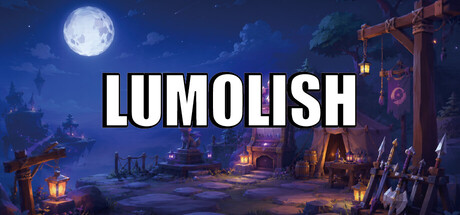
AI tools were used to assist in texture generation for some scene elements and UI assets (excluding character art and CGs). However, all initial concept designs and final assets are hand-drawn, manually retouched, or heavily overpainted by the developer to ensure artistic consistency and originality. No raw AI output is used directly in the game.
As a solo indie developer, I use AI for multi-language localization. This helps me deliver a smoother, more accessible player experience while allowing me to focus more time on gameplay, systems, level design, and so on.
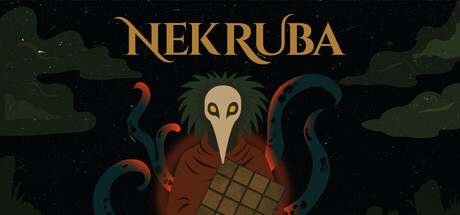
Nekruba used artificial intelligence tools as support during the creative and technical development process, particularly for prototyping, code assistance, and idea exploration. All final decisions and all published content were defined and executed by the developers.
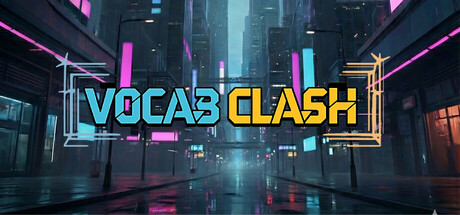
This game includes an AI opponent for practice battles. The opponent is a non-generative, scripted system that adjusts answer speed and accuracy. Generative AI tools were used only to create some pre-rendered marketing/store artwork; no generative AI is used to generate gameplay content at runtime.
As a solo developer, generative AI was used only for the Steam capsule images. I plan to replace them with hand drawn artwork before the game is released.
This game uses AI-generated content during development, including some pre-rendered voice acting and textures. AI was also used to assist in the creation of certain promotional artwork. No AI-generated content is created dynamically during gameplay, and players do not interact with AI systems during play.
Generative AI tools were used during development to assist with the creation of concept art, visual assets, and written content such as descriptions and lore.
All AI-generated materials were reviewed, edited, and finalized by the development team. No AI is used during gameplay, and the game does not generate content in real time.
🎮 About the Development of this game
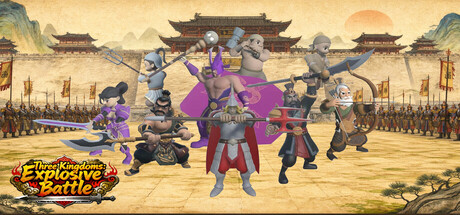
As a project developed by a solo creator with limited manpower, Explosive Battle is dedicated to delivering a battlefield that feels both familiar and freshly innovative. Here is our transparent disclosure regarding the game's content creation:
Character Concept Art: During the conceptual design phase, generative AI tools were used for style exploration, initial composition, and editing of key art (such as the store capsule images). This helped in finding a unique visual direction.
In Level 2, there is a picture-memory task where players must remember one of four images. The dog pictures used for this are AI-generated.
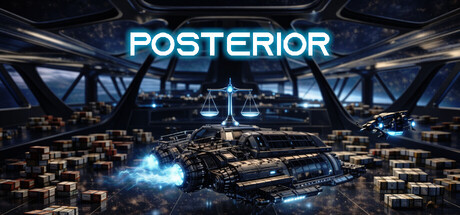
In our assets on the shop page, the globe that Atlas is holding has been edited using AI.
This game uses generative AI tools for pre-rendered content only. Music was generated using Suno, and some system text and dialogues were created with assistance from GPT-based models. No live generation or AI content creation occurs during gameplay.
As a small student team, we utilized Generative AI tools to assist in the translation and localization of in-game text and dialogue. This allowed us to make our game accessible to a wider audience.
AI tools were used during development to draft some sound effects and musical ideas; these drafts were then re-edited, mixed, and curated by the team to match the intended tone. We also used AI-assisted coding to help write small utility systems. No AI runs at runtime: the game does not generate content or code while you play, and no player data is sent to AI services.
Trailer section and some of the game’s models were created with the assistance of AI. However, the overall content and design of the game were designed by us. AI was used only to support us in the visual aspects of the project.
This game uses Artificial Intelligence tools only to generate pre-rendered content such as promotional images, concept art, and some non-essential visual elements. The music tracks are also AI-generated. No part of the gameplay uses AI in real time; no levels, code, or dynamic content are generated during play.
All gameplay, level design, programming, and mechanics were created manually, with AI assistance only used to solve specific issues and speed up the development process. Artificial Intelligence does not intervene in or modify the player’s experience during gameplay.
Generative AI is used only during the initial creation of 2D marketing assets, UI icons, and loading screens, which are later manually refined and finalized by the development team.
This game utilizes AI technology to generate some of the background and store images. These AI-generated assets were carefully selected to enhance the overall aesthetic of the game. All AI-based content was created in compliance with legal requirements to prevent copyright infringements.
This game utilizes AI technology to generate some of the background and store images. These AI-generated assets were carefully selected to enhance the overall aesthetic of the game. All AI-based content was created in compliance with legal requirements to prevent copyright infringements.
AI tools were used to support early concept exploration and visual ideation during development.
Artificial intelligence tools were used during development to assist with the creation and processing of audio content, such as sound effects and voice variations.
This game uses AI-assisted tools during development to create some images and music. All content has been reviewed, edited, and finalized by the developer to ensure originality and compliance with Steam’s standards. The game itself does not use AI to generate content in real time.
During development, some visual assets were created with the assistance of generative AI tools as part of the content creation process, including certain achievement icons. In all cases, the assets were reviewed, edited, and integrated by the development team. The final game experience reflects the creative direction and artistic decisions of the developers.
AI tools were used to assist in texture generation for some scene elements and UI assets (excluding character art and CGs). However, all initial concept designs and final assets are hand-drawn, manually retouched, or heavily overpainted by the developer to ensure artistic consistency and originality. No raw AI output is used directly in the game.
As a solo indie developer, I use AI for multi-language localization. This helps me deliver a smoother, more accessible player experience while allowing me to focus more time on gameplay, systems, level design, and so on.
Nekruba used artificial intelligence tools as support during the creative and technical development process, particularly for prototyping, code assistance, and idea exploration. All final decisions and all published content were defined and executed by the developers.
This game includes an AI opponent for practice battles. The opponent is a non-generative, scripted system that adjusts answer speed and accuracy. Generative AI tools were used only to create some pre-rendered marketing/store artwork; no generative AI is used to generate gameplay content at runtime.
As a solo developer, generative AI was used only for the Steam capsule images. I plan to replace them with hand drawn artwork before the game is released.
This game uses AI-generated content during development, including some pre-rendered voice acting and textures. AI was also used to assist in the creation of certain promotional artwork. No AI-generated content is created dynamically during gameplay, and players do not interact with AI systems during play.
Generative AI tools were used during development to assist with the creation of concept art, visual assets, and written content such as descriptions and lore.
All AI-generated materials were reviewed, edited, and finalized by the development team. No AI is used during gameplay, and the game does not generate content in real time.
🎮 About the Development of this game
As a project developed by a solo creator with limited manpower, Explosive Battle is dedicated to delivering a battlefield that feels both familiar and freshly innovative. Here is our transparent disclosure regarding the game's content creation:
Character Concept Art: During the conceptual design phase, generative AI tools were used for style exploration, initial composition, and editing of key art (such as the store capsule images). This helped in finding a unique visual direction.
In Level 2, there is a picture-memory task where players must remember one of four images. The dog pictures used for this are AI-generated.
In our assets on the shop page, the globe that Atlas is holding has been edited using AI.
This game uses generative AI tools for pre-rendered content only. Music was generated using Suno, and some system text and dialogues were created with assistance from GPT-based models. No live generation or AI content creation occurs during gameplay.
As a small student team, we utilized Generative AI tools to assist in the translation and localization of in-game text and dialogue. This allowed us to make our game accessible to a wider audience.
AI tools were used during development to draft some sound effects and musical ideas; these drafts were then re-edited, mixed, and curated by the team to match the intended tone. We also used AI-assisted coding to help write small utility systems. No AI runs at runtime: the game does not generate content or code while you play, and no player data is sent to AI services.
Trailer section and some of the game’s models were created with the assistance of AI. However, the overall content and design of the game were designed by us. AI was used only to support us in the visual aspects of the project.
This game uses Artificial Intelligence tools only to generate pre-rendered content such as promotional images, concept art, and some non-essential visual elements. The music tracks are also AI-generated. No part of the gameplay uses AI in real time; no levels, code, or dynamic content are generated during play.
All gameplay, level design, programming, and mechanics were created manually, with AI assistance only used to solve specific issues and speed up the development process. Artificial Intelligence does not intervene in or modify the player’s experience during gameplay.
Generative AI is used only during the initial creation of 2D marketing assets, UI icons, and loading screens, which are later manually refined and finalized by the development team.
This game utilizes AI technology to generate some of the background and store images. These AI-generated assets were carefully selected to enhance the overall aesthetic of the game. All AI-based content was created in compliance with legal requirements to prevent copyright infringements.
This game utilizes AI technology to generate some of the background and store images. These AI-generated assets were carefully selected to enhance the overall aesthetic of the game. All AI-based content was created in compliance with legal requirements to prevent copyright infringements.
AI tools were used to support early concept exploration and visual ideation during development.
Artificial intelligence tools were used during development to assist with the creation and processing of audio content, such as sound effects and voice variations.
This game uses AI-assisted tools during development to create some images and music. All content has been reviewed, edited, and finalized by the developer to ensure originality and compliance with Steam’s standards. The game itself does not use AI to generate content in real time.
During development, some visual assets were created with the assistance of generative AI tools as part of the content creation process, including certain achievement icons. In all cases, the assets were reviewed, edited, and integrated by the development team. The final game experience reflects the creative direction and artistic decisions of the developers.