Public Steam disclosure research25,376 disclosures tracked
Where do games disclose AI use?
Search developers’ Steam disclosures, compare classified AI use across
games, and follow recorded changes.
This index adds cross-game classifications and statistics to
statements published on individual store pages.
Groups reflect automatic analysis of public disclosures; mature records are excluded. These counts do not measure AI use across all of Steam.
Missing or unclear statements cannot establish whether a game uses AI.
Generative AI was used during development for a small number of visual assets and background music. All AI-generated content was carefully directed, reviewed, and edited by the developer to maintain the game's quality, consistency, and artistic vision. No AI-generated content is created during gameplay.
Generative AI assisted with promotional/key artwork, icons, interface content, and portions of written catalogue and store-page text during development. These assets and text were selected and edited during development. The game does not generate AI content during gameplay and does not connect to an AI service. Generated artwork is illustrative and is not presented as documentary imagery.
Pre-generated generative AI tools were used during development to assist with some UI assets, text, and localization. All AI-assisted content was reviewed and edited by the developer before inclusion in the game or store materials. No generative AI is used at runtime.
Some in-game assets were created with the assistance of generative AI tools during development. All AI-assisted content has been reviewed, edited, and curated by our team before being included in the game. The game does not use generative AI at runtime — no content is generated while you play.
During development, I used procedural and AI-based tools to assist with content creation. The final game reflects my own creative direction and design choices.
Some icons and character sprites were created with the assistance of generative AI, then edited and refined by hand. The remaining artwork consists of pre-made assets and hand-drawn work.
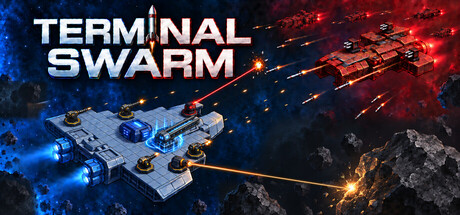
Some images were created with AI image generation: the crew portraits, loading-screen image, and the current store capsule artwork and logo (commissioned artwork will replace the capsule). The game's code was written with AI coding assistants under the developer's direction; ships, weapons and effects are drawn procedurally by that code. All in-game text is written by the developer.
Generative AI tools assisted with pre-generated artwork, including Steam store capsules and library images, and some localization text. The game does not generate AI content during play or connect to external AI services.
AI tools were used in the creation of some of the game's artwork. All AI-generated assets were subsequently reviewed, edited, and refined by me or a family member before being incorporated into the game.
No AI-generated content was added to the game without prior human review and editing.
Pre-generated AI was used to create background music with Suno, localized in-game text for supported languages, and artwork for the Steam store page, library assets, and other marketing materials. No AI-generated images are used during gameplay. All AI-generated content is created before release and does not change during play. The game does not use live-generated AI.
Shogi: Magic & Mischief was developed with the assistance of generative AI tools in the following areas.
■ Illustrations and images
Generative AI was used to create 2D visual assets, including character portraits, backgrounds, title illustrations, and other game and promotional artwork. The developer directed the visual concepts, character designs, composition, and colors, and selected the images for inclusion, with editing, cropping, and compositing where needed.
■ Music
Background music was created using music generation AI. The developer defined the intended mood, generated candidates, and selected and edited tracks for the game.
■ Voices
The male voice assets are pre-existing human-recorded audio from T-Sta. The female voice assets were created using audio generation AI and selected and edited by the developer. These descriptions refer to the voice asset sets, rather than the gender of every character using them.
■ Text
AI writing assistance was used to draft or revise some character descriptions and store-page text, including English promotional text. The developer determines the final wording.
■ Program code
AI coding assistance tools were used during implementation, debugging, and testing.
■ Non-AI assets
Sound effects are pre-existing human-created audio assets from providers including Soundeffect Lab, Kurage Kosho, T-Sta, and DOVA-SYNDROME, rather than AI-generated sound effects. The game uses the fonts Zen Kaku Gothic New and Shippori Mincho, distributed under the SIL Open Font License 1.1.
■ How AI is used
Generative AI is used during development, not to generate new artwork, music, voices, or dialogue during gameplay. The computer-controlled shogi opponents use game logic and move-search algorithms; they are separate from the generative AI tools used to develop the game.
■ Developer responsibility
The developer is responsible for the content included in the game, reviewing it for inappropriate or potentially infringing material, and checking the applicable licenses and terms of use for third-party assets and AI tools.
Generative AI was used to create and refine the game's store capsule art and logo. No other in-game assets were generated with generative AI, and to the best of my knowledge, the same is true of third-party assets. Separately, a model trained with reinforcement learning controls enemy behavior. It does not generate content.
Some of this game's art was stylized or created with AI image generation tools from original prompts and project reference material: character portraits, tables, backgrounds, and Steam store and community artwork. Initial translations were AI-assisted. All of it was edited and reviewed before shipping. The soundtrack is chip-synth music generated at build time by the game's own code, no audio model and no sampled audio in the shipped files. Several tracks are AI-stylized arrangements of original songs written by a member of the development team; others were composed with AI assistance to our direction. Nothing is generated by AI while you play.
Generative AI tools were used during development to help create artwork, including character and environment art, music, voice narration, story text, and promotional materials. These are pre-generated assets included in the game or its marketing. The game does not generate AI content during gameplay or connect to external AI services while playing.
Some artwork, sound effects, music and written content were created with the help of generative AI tools during development, then selected, refined and integrated by the developer.
I used an AI coding assistant while building the game, and it helped come up with the achievement names and descriptions, which I edited. Nothing else in the game is AI generated: the soundtrack is licensed from its creators, the radio voices are my own recordings, and the art and sounds are produced by the game's own code.
Some 2D artwork and visual assets in Tank Commander: Major FOE were created with the assistance of generative AI tools. These assets were reviewed, selected, edited, and integrated by the developer. The game does not generate AI content during gameplay and does not connect to external AI services while being played.
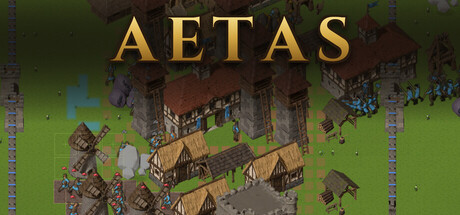
Aetas is designed, directed and built by a single developer. Generative AI was used as a development assistant: it helped write code and tools, the in-game texts and their English/Dutch localization, and the store page texts, all under the developer's direction and review. No AI image generation was used: all sprites and tiles are hand-drawn Liberated Pixel Cup art by human artists (credited in the game folder), or assembled programmatically from that art. The trailer music was produced by a synthesis script. The game does not generate any content with AI during gameplay and does not connect to any AI service.
This game uses generative AI in the creation of some 2D and 3D artwork, images and videos used for visual presentation, as well as assets for the Steam store page and marketing materials. Generative AI-assisted tools were also used for some text creation and localization. All generated content has been reviewed and edited by the developer before use. The game does not use generative AI to generate content in real time during gameplay.
Player portraits that will ship with the game will be generated in ComfyUI. Claude Code has been used for debugging, testing, and painful algorithm assistance (scheduling).
Generative AI was used during development to assist in creating and refining some pre-generated artwork, audio elements, text, and localized text. All content included with the game was selected, edited, and reviewed by the developer. The game does not generate AI content during gameplay and does not connect to external AI services.
Transparency is important--I built this game with extensive AI use, from coding to visual assets. If that's not your thing, I respect that. The game is free and I have no intention of adding anything in-game to buy. I just wanted to make something fun and see what I could do. Hopefully, it feels like some effort and creativity went into this and it's not just slop.
Concept Art and Design:
Generative AI tools were used during the pre-production phase to brainstorm visual aesthetics and generate early concept art for the title screen and in-game graphic elements.
Final Assets:
While AI was used to establish the artistic direction and conceptual frameworks, all final assets, title screen graphics, and in-game artwork appearing in the released version of the game were manually refined to ensure a cohesive, high-quality experience.
During development, we used generative AI to assist with some character art assets and early UI concepts. All related assets were subsequently refined and manually adjusted extensively by professional artists and other team members to ensure the finished work matched the game's distinctive style and quality standards.
Generative AI tools were used during development to assist in creating some visual artwork and image assets. These images were subsequently edited and modified by the developer using image-editing software before being incorporated into the game. Other game assets include original developer-created artwork and licensed assets purchased from third-party artists/asset creators. No AI-generated content is created live during gameplay.
Some 3D models in the game were created with the assistance of generative AI tools. The generated models were used as part of the art production process, with their final appearance, materials, placement, and artistic direction determined by the developer.
Generative AI was used solely to create placeholder card artwork during development, allowing the team to focus on refining the gameplay. The final card artwork will be created by human artists.
Some pre-production assets were generated with AI tools and then hand-finished by the team: 3D character bodies (Tripo) that were re-rigged, textured and animated by hand; concept and brand imagery (OpenAI image generation) redrawn or composited by hand; voice lines and sound effects (ElevenLabs); and music (Suno) under a commercial licence. No AI content is generated during gameplay, and the game connects to no AI service.
Some visual assets in PALADIN HC were created or recreated with the assistance of generative AI tools during development. All AI-assisted content was reviewed, selected, and integrated by the developer before being included in the game.
During the development of this game, AI tools were used to assist in creating some game assets and promotional materials for the store, as well as to assist in writing and optimizing some program codes. All the AI-assisted content was manually screened, adjusted, integrated, tested, and finally reviewed by the developers.
Some visual assets and store-related materials for this game were created with generative AI assistance, then reviewed and edited by humans before inclusion. In-game opponents use traditional search and position evaluation; moves are not generated by generative AI at runtime.
Generative AI was used during development to help create some character illustrations, artwork and animations, music and sound effects, drafts of in-game text, localization, and store-page materials. This content is prepared in advance and incorporated into the game or its store page. The game does not generate content using generative AI during gameplay.
I use generative technologies strictly in a supporting role, including: brain-storming; editing text; altering images; research; transcription…
Generated assets are never the first seed nor the last product of any content in my games.
I use generative technologies strictly in a supporting role, including: brain-storming; editing text; altering images; research; transcription…
Generated assets are never the first seed nor the last product of any content in my games.
I built my own Agentic AI harness, and then used it to build this game, including some assets & animations etc.. I'm not a developer, I'm a Functional/UX/Graphic Designer that finally found a tool that could help me build my dream games... There is no AI running in the game or generating anything live. I wouldn't consider the game "vibe coded", it has been months of obsessive iterations to ensure the functionality and user experience is of the highest level, which was 100% designed and directed by me, using Agentic AI to build to order. It's far from a "one-shot" prompt hope and prayer... and I think you'll be surprised when you see it.
Generative AI tools were used during development to assist in creating pre-generated content included in the game and its Steam store presence. This includes selected in-game UI icons, unit and building artwork, other visual assets, Steam capsule and library artwork, promotional/store graphics, and AI-assisted localization and translated text. All AI-assisted content is pre-generated, reviewed, and manually selected by the developer before inclusion. The game does not use generative AI to generate content or code during gameplay and does not connect to external generative AI services while running.
This game uses pre-generated AI-assisted artwork for character portraits, store images, and some illustrations. No AI content is generated during gameplay.
Generative AI was used in a limited and disclosed way while making this game.
Artwork: the logo and wordmark were created with the help of a generative
AI image tool, then edited, recoloured and assembled by hand into the store
and library artwork you see here.
Text: parts of this store page description were drafted with AI assistance
and edited before publication.
Nothing in the game itself is generated by AI. The match engine, the
simulation, the player and club database, the match commentary and every
other piece of in-game text are hand-built and hand-written. The game does
not call any AI service, and no content is generated while you play.
Generative AI was used during development for a small number of visual assets and background music. All AI-generated content was carefully directed, reviewed, and edited by the developer to maintain the game's quality, consistency, and artistic vision. No AI-generated content is created during gameplay.
Generative AI assisted with promotional/key artwork, icons, interface content, and portions of written catalogue and store-page text during development. These assets and text were selected and edited during development. The game does not generate AI content during gameplay and does not connect to an AI service. Generated artwork is illustrative and is not presented as documentary imagery.
Pre-generated generative AI tools were used during development to assist with some UI assets, text, and localization. All AI-assisted content was reviewed and edited by the developer before inclusion in the game or store materials. No generative AI is used at runtime.
Some in-game assets were created with the assistance of generative AI tools during development. All AI-assisted content has been reviewed, edited, and curated by our team before being included in the game. The game does not use generative AI at runtime — no content is generated while you play.
During development, I used procedural and AI-based tools to assist with content creation. The final game reflects my own creative direction and design choices.
Some icons and character sprites were created with the assistance of generative AI, then edited and refined by hand. The remaining artwork consists of pre-made assets and hand-drawn work.
Some images were created with AI image generation: the crew portraits, loading-screen image, and the current store capsule artwork and logo (commissioned artwork will replace the capsule). The game's code was written with AI coding assistants under the developer's direction; ships, weapons and effects are drawn procedurally by that code. All in-game text is written by the developer.
Generative AI tools assisted with pre-generated artwork, including Steam store capsules and library images, and some localization text. The game does not generate AI content during play or connect to external AI services.
AI tools were used in the creation of some of the game's artwork. All AI-generated assets were subsequently reviewed, edited, and refined by me or a family member before being incorporated into the game.
No AI-generated content was added to the game without prior human review and editing.
Pre-generated AI was used to create background music with Suno, localized in-game text for supported languages, and artwork for the Steam store page, library assets, and other marketing materials. No AI-generated images are used during gameplay. All AI-generated content is created before release and does not change during play. The game does not use live-generated AI.
Shogi: Magic & Mischief was developed with the assistance of generative AI tools in the following areas.
■ Illustrations and images
Generative AI was used to create 2D visual assets, including character portraits, backgrounds, title illustrations, and other game and promotional artwork. The developer directed the visual concepts, character designs, composition, and colors, and selected the images for inclusion, with editing, cropping, and compositing where needed.
■ Music
Background music was created using music generation AI. The developer defined the intended mood, generated candidates, and selected and edited tracks for the game.
■ Voices
The male voice assets are pre-existing human-recorded audio from T-Sta. The female voice assets were created using audio generation AI and selected and edited by the developer. These descriptions refer to the voice asset sets, rather than the gender of every character using them.
■ Text
AI writing assistance was used to draft or revise some character descriptions and store-page text, including English promotional text. The developer determines the final wording.
■ Program code
AI coding assistance tools were used during implementation, debugging, and testing.
■ Non-AI assets
Sound effects are pre-existing human-created audio assets from providers including Soundeffect Lab, Kurage Kosho, T-Sta, and DOVA-SYNDROME, rather than AI-generated sound effects. The game uses the fonts Zen Kaku Gothic New and Shippori Mincho, distributed under the SIL Open Font License 1.1.
■ How AI is used
Generative AI is used during development, not to generate new artwork, music, voices, or dialogue during gameplay. The computer-controlled shogi opponents use game logic and move-search algorithms; they are separate from the generative AI tools used to develop the game.
■ Developer responsibility
The developer is responsible for the content included in the game, reviewing it for inappropriate or potentially infringing material, and checking the applicable licenses and terms of use for third-party assets and AI tools.
Generative AI was used to create and refine the game's store capsule art and logo. No other in-game assets were generated with generative AI, and to the best of my knowledge, the same is true of third-party assets. Separately, a model trained with reinforcement learning controls enemy behavior. It does not generate content.
Some of this game's art was stylized or created with AI image generation tools from original prompts and project reference material: character portraits, tables, backgrounds, and Steam store and community artwork. Initial translations were AI-assisted. All of it was edited and reviewed before shipping. The soundtrack is chip-synth music generated at build time by the game's own code, no audio model and no sampled audio in the shipped files. Several tracks are AI-stylized arrangements of original songs written by a member of the development team; others were composed with AI assistance to our direction. Nothing is generated by AI while you play.
Generative AI tools were used during development to help create artwork, including character and environment art, music, voice narration, story text, and promotional materials. These are pre-generated assets included in the game or its marketing. The game does not generate AI content during gameplay or connect to external AI services while playing.
Some artwork, sound effects, music and written content were created with the help of generative AI tools during development, then selected, refined and integrated by the developer.
I used an AI coding assistant while building the game, and it helped come up with the achievement names and descriptions, which I edited. Nothing else in the game is AI generated: the soundtrack is licensed from its creators, the radio voices are my own recordings, and the art and sounds are produced by the game's own code.
Some 2D artwork and visual assets in Tank Commander: Major FOE were created with the assistance of generative AI tools. These assets were reviewed, selected, edited, and integrated by the developer. The game does not generate AI content during gameplay and does not connect to external AI services while being played.
Aetas is designed, directed and built by a single developer. Generative AI was used as a development assistant: it helped write code and tools, the in-game texts and their English/Dutch localization, and the store page texts, all under the developer's direction and review. No AI image generation was used: all sprites and tiles are hand-drawn Liberated Pixel Cup art by human artists (credited in the game folder), or assembled programmatically from that art. The trailer music was produced by a synthesis script. The game does not generate any content with AI during gameplay and does not connect to any AI service.
This game uses generative AI in the creation of some 2D and 3D artwork, images and videos used for visual presentation, as well as assets for the Steam store page and marketing materials. Generative AI-assisted tools were also used for some text creation and localization. All generated content has been reviewed and edited by the developer before use. The game does not use generative AI to generate content in real time during gameplay.
Player portraits that will ship with the game will be generated in ComfyUI. Claude Code has been used for debugging, testing, and painful algorithm assistance (scheduling).
Generative AI was used during development to assist in creating and refining some pre-generated artwork, audio elements, text, and localized text. All content included with the game was selected, edited, and reviewed by the developer. The game does not generate AI content during gameplay and does not connect to external AI services.
Transparency is important--I built this game with extensive AI use, from coding to visual assets. If that's not your thing, I respect that. The game is free and I have no intention of adding anything in-game to buy. I just wanted to make something fun and see what I could do. Hopefully, it feels like some effort and creativity went into this and it's not just slop.
Concept Art and Design:
Generative AI tools were used during the pre-production phase to brainstorm visual aesthetics and generate early concept art for the title screen and in-game graphic elements.
Final Assets:
While AI was used to establish the artistic direction and conceptual frameworks, all final assets, title screen graphics, and in-game artwork appearing in the released version of the game were manually refined to ensure a cohesive, high-quality experience.
During development, we used generative AI to assist with some character art assets and early UI concepts. All related assets were subsequently refined and manually adjusted extensively by professional artists and other team members to ensure the finished work matched the game's distinctive style and quality standards.
Generative AI tools were used during development to assist in creating some visual artwork and image assets. These images were subsequently edited and modified by the developer using image-editing software before being incorporated into the game. Other game assets include original developer-created artwork and licensed assets purchased from third-party artists/asset creators. No AI-generated content is created live during gameplay.
Some 3D models in the game were created with the assistance of generative AI tools. The generated models were used as part of the art production process, with their final appearance, materials, placement, and artistic direction determined by the developer.
Generative AI was used solely to create placeholder card artwork during development, allowing the team to focus on refining the gameplay. The final card artwork will be created by human artists.
Some pre-production assets were generated with AI tools and then hand-finished by the team: 3D character bodies (Tripo) that were re-rigged, textured and animated by hand; concept and brand imagery (OpenAI image generation) redrawn or composited by hand; voice lines and sound effects (ElevenLabs); and music (Suno) under a commercial licence. No AI content is generated during gameplay, and the game connects to no AI service.
Some visual assets in PALADIN HC were created or recreated with the assistance of generative AI tools during development. All AI-assisted content was reviewed, selected, and integrated by the developer before being included in the game.
During the development of this game, AI tools were used to assist in creating some game assets and promotional materials for the store, as well as to assist in writing and optimizing some program codes. All the AI-assisted content was manually screened, adjusted, integrated, tested, and finally reviewed by the developers.
Some visual assets and store-related materials for this game were created with generative AI assistance, then reviewed and edited by humans before inclusion. In-game opponents use traditional search and position evaluation; moves are not generated by generative AI at runtime.
Generative AI was used during development to help create some character illustrations, artwork and animations, music and sound effects, drafts of in-game text, localization, and store-page materials. This content is prepared in advance and incorporated into the game or its store page. The game does not generate content using generative AI during gameplay.
I use generative technologies strictly in a supporting role, including: brain-storming; editing text; altering images; research; transcription…
Generated assets are never the first seed nor the last product of any content in my games.
I use generative technologies strictly in a supporting role, including: brain-storming; editing text; altering images; research; transcription…
Generated assets are never the first seed nor the last product of any content in my games.
I built my own Agentic AI harness, and then used it to build this game, including some assets & animations etc.. I'm not a developer, I'm a Functional/UX/Graphic Designer that finally found a tool that could help me build my dream games... There is no AI running in the game or generating anything live. I wouldn't consider the game "vibe coded", it has been months of obsessive iterations to ensure the functionality and user experience is of the highest level, which was 100% designed and directed by me, using Agentic AI to build to order. It's far from a "one-shot" prompt hope and prayer... and I think you'll be surprised when you see it.
Generative AI tools were used during development to assist in creating pre-generated content included in the game and its Steam store presence. This includes selected in-game UI icons, unit and building artwork, other visual assets, Steam capsule and library artwork, promotional/store graphics, and AI-assisted localization and translated text. All AI-assisted content is pre-generated, reviewed, and manually selected by the developer before inclusion. The game does not use generative AI to generate content or code during gameplay and does not connect to external generative AI services while running.
This game uses pre-generated AI-assisted artwork for character portraits, store images, and some illustrations. No AI content is generated during gameplay.
Generative AI was used in a limited and disclosed way while making this game.
Artwork: the logo and wordmark were created with the help of a generative
AI image tool, then edited, recoloured and assembled by hand into the store
and library artwork you see here.
Text: parts of this store page description were drafted with AI assistance
and edited before publication.
Nothing in the game itself is generated by AI. The match engine, the
simulation, the player and club database, the match commentary and every
other piece of in-game text are hand-built and hand-written. The game does
not call any AI service, and no content is generated while you play.