Public Steam disclosure research25,376 disclosures tracked
Where do games disclose AI use?
Search developers’ Steam disclosures, compare classified AI use across
games, and follow recorded changes.
This index adds cross-game classifications and statistics to
statements published on individual store pages.
Groups reflect automatic analysis of public disclosures; mature records are excluded. These counts do not measure AI use across all of Steam.
Missing or unclear statements cannot establish whether a game uses AI.
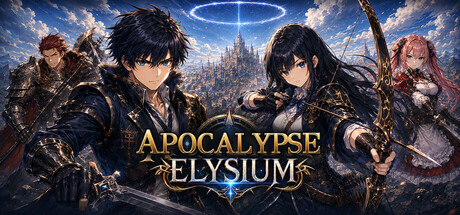
This game uses generative AI to create visual assets, including character portraits, event CGs, and background images. All generated images were selected, adjusted, and finalized by the developer.
The scenario, dialogue, game design, and system programming were created by the developer. AI translation assistance was used as part of the localization process, with the results reviewed by the developer.
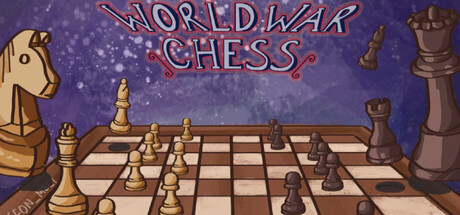
Portions of this game's artwork were created with generative AI tools under human direction, curation, and editing — including aircraft counter sprites, scene illustrations, character portraits, achievement icons, and some store/marketing images. The store trailer's narration is AI-generated voiceover. Some code was developed with AI assistance and human review. The game does not generate any content with AI while running.
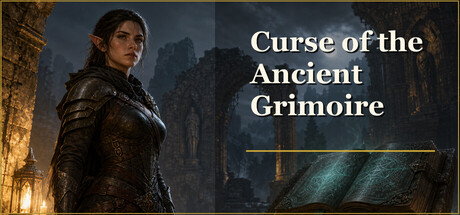
Some code elements and visual assets in Curse of the Ancient Grimoire were created or refined with the assistance of generative AI tools, including character portraits, monster images, scene illustrations, and store capsule artwork. All AI-assisted assets were reviewed, selected, edited, and integrated by the developer.
Generative AI is not used during gameplay to create dynamic content, dialogue, player-facing text, decisions, or game mechanics.
Generative AI is not used during gameplay to create dynamic content, dialogue, player-facing text, decisions, or game mechanics.
Generative AI was used during development to support early concept exploration and rapid prototyping, including testing visual directions, compositions, and placeholder ideas. All AI-assisted material was reviewed and refined by the development team, with final creative and design decisions made by humans. The game does not generate content using AI during gameplay.
This game uses pre-generated AI-assisted content during development, including some artwork and visual assets. All AI-generated content has been reviewed, edited, and integrated by the developer. The game does not generate AI content during gameplay.
Some of this game's assets were made with the assistance of generative AI tools and were reviewed, curated and hand-finished by the developer. No content is generated while you play.
These translations were generated with the help of AI. As an indie developer, I currently don't have the budget to hire professional translators, but I hope to do so in the future.
Emergence uses generative AI as a development tool. It has been used to assist in the creation of certain visual assets (illustrations, icons, and concept art), text, and to help with software development and feature prototyping.
All content included in the game is reviewed, edited, approved, and ultimately authored by the developer. Generative AI is not used to create player-facing content during gameplay unless explicitly stated in the game's feature descriptions.
Some pre-created content in SPELLSTEEL was developed with the assistance of generative AI as part of a human-directed creative process. SPELLSTEEL does not use generative AI to generate gameplay content or player-facing content in real time.
Some visual assets and promotional materials were initially created with the assistance of AI and then reviewed, edited, and integrated by the developer. All gameplay, game design, programming, balancing, and final content were created and curated by the developer.
Pre-generated generative AI tools were used during production to create or assist with 2D artwork, animation assets, music, and sound effects. All AI-assisted content is selected, edited as needed, and integrated by the developer. The game does not generate content during gameplay.
Some pre-generated artwork and visual assets used in the game and its store and marketing materials were created with generative AI tools, then selected, edited, and integrated by the development team. The game does not generate AI content during gameplay and does not connect to external AI services while you play.
The developer used generative AI tools during the development process to assist in coding, generate and retouch art assets, write game text, and create background music, voiceovers, and sound effects. All AI-generated assets have been reviewed, edited, and curated by the developer.
This game uses generative AI tools during development to help create some character voice lines and cutscene video sequences. AI is not used to generate live, novel content during gameplay - all AI-assisted content is pre-produced and reviewed by the development team before shipping.
applying filters and effect to artwork for promotional materials on the Steam page
generating simple sounds/audio for later editing and mixing in Audacity
Prismals is a hand-crafted project built by a dedicated one-man band. To bring this project to life, AI tools were utilized strictly as a collaborative assistant, refining original coding, polishing hand-drawn artwork and mastering the soundtrack. Every core idea, story beat and artistic vision is entirely human-made.
Generative AI is used to post-process capsule and marketing artwork on this game's Steam page; the underlying compositions and creative direction are the developer's own.
本游戏在开发过程中使用了生成式人工智能工具辅助制作预生成内容。
游戏中绝大部分美术素材,包括角色形象、角色序列帧动画、战斗场景背景、用户界面图形、物品与武器图标以及部分视觉特效,使用AI图像生成功能制作。所有生成图片均在加入游戏前经过开发者人工筛选,并根据实际需要进行裁切、缩放、色彩调整、组合、动画帧整理、局部修正和游戏内适配。
开发过程中也使用了 AI 编程辅助工具,帮助编写、整理、重构和排查部分程序代码。所有 AI 辅助代码均由开发者人工审阅、修改、整合和测试后才会加入游戏。
本游戏运行时不会连接生成式 AI 服务,也不会根据玩家输入实时生成图片、文本、音频、代码或其他内容。玩家无法通过游戏生成、上传、分享或导出 AI 内容。
This game extensively utilizes AI technology in character design, UI, visual effects, sound effects, music, and promotional artwork to enhance production efficiency and explore innovative styles.
This game uses content created or assisted by generative AI. Generative AI was used to help create and edit some visual assets, music/sound materials, and scripts. All final content was reviewed, selected, and adjusted by the developer before being included in the game.
Some pre-rendered UI art (menu borders and decorative icons) was created with the assistance of generative AI tools during development. No content is generated live during gameplay.
This game uses generative AI tools to create some of its artwork: promotional art such as the key visual and store capsule images, and some in-game image assets such as character portraits and map textures. All of it was reviewed, curated, and adjusted by the developer before use. Every screenshot shown on the store page is captured from actual gameplay and is not AI-generated. The shipped game does not use any AI to generate images, text, or audio at runtime.
AI was used strictly to block out a few initial base meshes, which I then manually reworked to fit the game's style & performance.
No AI runs at runtime.
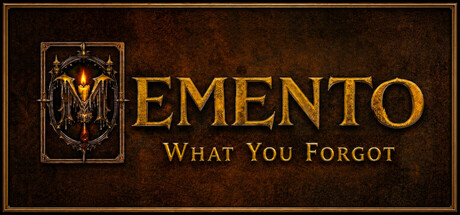
The development of Memento made use of generative AI tools across several stages of production. Cutscenes are created using AI-based video generation tools. Graphic elements such as environments, characters, and card illustrations were created or refined with the help of generative AI tools. Parts of the soundtrack and text were also produced with AI assistance. All content was manually selected, edited, and integrated by the developer.
The core game mechanics, game design, and overall creative direction are 100% my original vision. No AI tools were used for conceptualizing ideas or narrative structure. The programming code was generated utilizing the Rosebud AI platform, and the 2D visual assets were initially created with generative art tools. Code, artwork, and music were reviewed, manually edited, and arranged by me to bring my specific creative vision to life.
AI generated art and other assets were referenced and partly used during development, but every effort is taken to make the game original. At UWS, we make every effort to support our art/design team and use AI very rarely to meet our production needs
Generative AI was used to assist in the creation of certain Steam store page artwork (excluding screenshots and trailers) and in the multilingual localization of the store page.
Some character and environment artwork, and portions of marketing/store text, were created with the assistance of generative AI tools. All assets were selected, edited, and integrated by the developer, who has the rights to use them. No AI runs at runtime in the game.
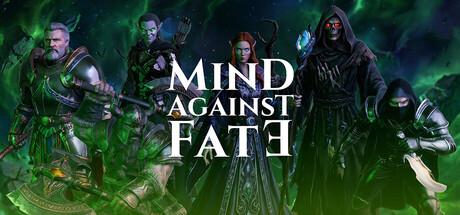
The development of Mind Against Fate utilized Artificial Intelligence (AI) tools to assist in the creation of specific pre-generated assets and coding workflows:
- Visual Assets: The portraits for heroes and in-game item icons were initially generated using Kling.AI and Google generative tools, and were subsequently refined, detailed, and polished using graphic design software.
- 3D Models: Certain 3D asset bases and models in the game were created with the assistance of Meshy.AI before being finalized and integrated into the game engine.
- Coding Assistance: Development and implementation speed were enhanced using AI-assisted coding tools (Cursor AI utilizing Google Gemini and Anthropic Claude versions).
We ensure that all generated content has been thoroughly reviewed and edited to meet quality standards, and contains no copyrighted or infringing materials.
Some pre-made assets (3D models, sound effects, portraits, and some textures) were created with generative AI tools and then curated and integrated by hand. Music is human-composed and licensed. No AI content is generated while you play.
This project is built by a one-man team. I use AI tools as a supportive assistant to help with development. However, every line of code, piece of text, and design decision has been manually reviewed, edited, and finalized by me to ensure the quality and soul of the game.
Campaign Forge uses generative AI as a core, opt-in feature. Worlds, characters, regions, and stories are generated live, on demand, at the player's direction, using an AI provider and model the player chooses (paid cloud, free cloud, or a fully local/offline model — bring your own API key or run locally).
This game may use pre-generated AI-assisted visual assets in some store/marketing materials and placeholder art. All such assets are reviewed and edited by the developer. The game does not use live generative AI during gameplay.
Some static art candidate assets were assisted by generative AI tools during development. Any such assets included in the game are manually reviewed, selected, edited, cleaned, style-matched, and checked before being shipped as fixed static game assets. The game does not use generative AI at runtime and does not generate text, images, audio, video, or other content in response to player input while the game is running.
Generative AI was used to:
- Create some of 3D models
- Create some of textures
- Create some of 2D background arts
Also, some parts of the programming code was written with AI help.
Severwood uses generative AI as part of its development. Many visual assets — including character art, backgrounds, and card illustrations — were created with the assistance of AI image-generation tools, then selected, edited, and assembled by the developer to fit the game's art direction. Some code was written with AI assistance, directed and reviewed by the developer. Game design, writing, planning, and systems are created and directed by the human developer. No AI-generated content is produced live during gameplay; all assets are fixed and were finalized during development.
This game utilizes artificial intelligence (AI) tools to assist in generating some of the promotional materials on
the store page, as well as certain in-game visual assets
1. Some character art utilizes hand-drawn original sketches and designs, with AI used for coloring and lighting effects.
2. Background illustrations are AI-generated and then manually refined.
3. The script is AI-generated, with manual editing and content additions.
4. For languages other than Traditional Chinese, AI translation is used, followed by manual proofreading of terminology and content.
This game uses generative AI to create visual assets, including character portraits, event CGs, and background images. All generated images were selected, adjusted, and finalized by the developer.
The scenario, dialogue, game design, and system programming were created by the developer. AI translation assistance was used as part of the localization process, with the results reviewed by the developer.
Portions of this game's artwork were created with generative AI tools under human direction, curation, and editing — including aircraft counter sprites, scene illustrations, character portraits, achievement icons, and some store/marketing images. The store trailer's narration is AI-generated voiceover. Some code was developed with AI assistance and human review. The game does not generate any content with AI while running.
Some code elements and visual assets in Curse of the Ancient Grimoire were created or refined with the assistance of generative AI tools, including character portraits, monster images, scene illustrations, and store capsule artwork. All AI-assisted assets were reviewed, selected, edited, and integrated by the developer.
Generative AI is not used during gameplay to create dynamic content, dialogue, player-facing text, decisions, or game mechanics.
Generative AI is not used during gameplay to create dynamic content, dialogue, player-facing text, decisions, or game mechanics.
Generative AI was used during development to support early concept exploration and rapid prototyping, including testing visual directions, compositions, and placeholder ideas. All AI-assisted material was reviewed and refined by the development team, with final creative and design decisions made by humans. The game does not generate content using AI during gameplay.
This game uses pre-generated AI-assisted content during development, including some artwork and visual assets. All AI-generated content has been reviewed, edited, and integrated by the developer. The game does not generate AI content during gameplay.
Some of this game's assets were made with the assistance of generative AI tools and were reviewed, curated and hand-finished by the developer. No content is generated while you play.
These translations were generated with the help of AI. As an indie developer, I currently don't have the budget to hire professional translators, but I hope to do so in the future.
Emergence uses generative AI as a development tool. It has been used to assist in the creation of certain visual assets (illustrations, icons, and concept art), text, and to help with software development and feature prototyping.
All content included in the game is reviewed, edited, approved, and ultimately authored by the developer. Generative AI is not used to create player-facing content during gameplay unless explicitly stated in the game's feature descriptions.
Some pre-created content in SPELLSTEEL was developed with the assistance of generative AI as part of a human-directed creative process. SPELLSTEEL does not use generative AI to generate gameplay content or player-facing content in real time.
Some visual assets and promotional materials were initially created with the assistance of AI and then reviewed, edited, and integrated by the developer. All gameplay, game design, programming, balancing, and final content were created and curated by the developer.
Pre-generated generative AI tools were used during production to create or assist with 2D artwork, animation assets, music, and sound effects. All AI-assisted content is selected, edited as needed, and integrated by the developer. The game does not generate content during gameplay.
Some pre-generated artwork and visual assets used in the game and its store and marketing materials were created with generative AI tools, then selected, edited, and integrated by the development team. The game does not generate AI content during gameplay and does not connect to external AI services while you play.
The developer used generative AI tools during the development process to assist in coding, generate and retouch art assets, write game text, and create background music, voiceovers, and sound effects. All AI-generated assets have been reviewed, edited, and curated by the developer.
This game uses generative AI tools during development to help create some character voice lines and cutscene video sequences. AI is not used to generate live, novel content during gameplay - all AI-assisted content is pre-produced and reviewed by the development team before shipping.
applying filters and effect to artwork for promotional materials on the Steam page
generating simple sounds/audio for later editing and mixing in Audacity
Prismals is a hand-crafted project built by a dedicated one-man band. To bring this project to life, AI tools were utilized strictly as a collaborative assistant, refining original coding, polishing hand-drawn artwork and mastering the soundtrack. Every core idea, story beat and artistic vision is entirely human-made.
Generative AI is used to post-process capsule and marketing artwork on this game's Steam page; the underlying compositions and creative direction are the developer's own.
本游戏在开发过程中使用了生成式人工智能工具辅助制作预生成内容。
游戏中绝大部分美术素材,包括角色形象、角色序列帧动画、战斗场景背景、用户界面图形、物品与武器图标以及部分视觉特效,使用AI图像生成功能制作。所有生成图片均在加入游戏前经过开发者人工筛选,并根据实际需要进行裁切、缩放、色彩调整、组合、动画帧整理、局部修正和游戏内适配。
开发过程中也使用了 AI 编程辅助工具,帮助编写、整理、重构和排查部分程序代码。所有 AI 辅助代码均由开发者人工审阅、修改、整合和测试后才会加入游戏。
本游戏运行时不会连接生成式 AI 服务,也不会根据玩家输入实时生成图片、文本、音频、代码或其他内容。玩家无法通过游戏生成、上传、分享或导出 AI 内容。
This game extensively utilizes AI technology in character design, UI, visual effects, sound effects, music, and promotional artwork to enhance production efficiency and explore innovative styles.
This game uses content created or assisted by generative AI. Generative AI was used to help create and edit some visual assets, music/sound materials, and scripts. All final content was reviewed, selected, and adjusted by the developer before being included in the game.
Some pre-rendered UI art (menu borders and decorative icons) was created with the assistance of generative AI tools during development. No content is generated live during gameplay.
This game uses generative AI tools to create some of its artwork: promotional art such as the key visual and store capsule images, and some in-game image assets such as character portraits and map textures. All of it was reviewed, curated, and adjusted by the developer before use. Every screenshot shown on the store page is captured from actual gameplay and is not AI-generated. The shipped game does not use any AI to generate images, text, or audio at runtime.
AI was used strictly to block out a few initial base meshes, which I then manually reworked to fit the game's style & performance.
No AI runs at runtime.
The development of Memento made use of generative AI tools across several stages of production. Cutscenes are created using AI-based video generation tools. Graphic elements such as environments, characters, and card illustrations were created or refined with the help of generative AI tools. Parts of the soundtrack and text were also produced with AI assistance. All content was manually selected, edited, and integrated by the developer.
The core game mechanics, game design, and overall creative direction are 100% my original vision. No AI tools were used for conceptualizing ideas or narrative structure. The programming code was generated utilizing the Rosebud AI platform, and the 2D visual assets were initially created with generative art tools. Code, artwork, and music were reviewed, manually edited, and arranged by me to bring my specific creative vision to life.
AI generated art and other assets were referenced and partly used during development, but every effort is taken to make the game original. At UWS, we make every effort to support our art/design team and use AI very rarely to meet our production needs
Generative AI was used to assist in the creation of certain Steam store page artwork (excluding screenshots and trailers) and in the multilingual localization of the store page.
Some character and environment artwork, and portions of marketing/store text, were created with the assistance of generative AI tools. All assets were selected, edited, and integrated by the developer, who has the rights to use them. No AI runs at runtime in the game.
The development of Mind Against Fate utilized Artificial Intelligence (AI) tools to assist in the creation of specific pre-generated assets and coding workflows:
- Visual Assets: The portraits for heroes and in-game item icons were initially generated using Kling.AI and Google generative tools, and were subsequently refined, detailed, and polished using graphic design software.
- 3D Models: Certain 3D asset bases and models in the game were created with the assistance of Meshy.AI before being finalized and integrated into the game engine.
- Coding Assistance: Development and implementation speed were enhanced using AI-assisted coding tools (Cursor AI utilizing Google Gemini and Anthropic Claude versions).
We ensure that all generated content has been thoroughly reviewed and edited to meet quality standards, and contains no copyrighted or infringing materials.
Some pre-made assets (3D models, sound effects, portraits, and some textures) were created with generative AI tools and then curated and integrated by hand. Music is human-composed and licensed. No AI content is generated while you play.
This project is built by a one-man team. I use AI tools as a supportive assistant to help with development. However, every line of code, piece of text, and design decision has been manually reviewed, edited, and finalized by me to ensure the quality and soul of the game.
Campaign Forge uses generative AI as a core, opt-in feature. Worlds, characters, regions, and stories are generated live, on demand, at the player's direction, using an AI provider and model the player chooses (paid cloud, free cloud, or a fully local/offline model — bring your own API key or run locally).
This game may use pre-generated AI-assisted visual assets in some store/marketing materials and placeholder art. All such assets are reviewed and edited by the developer. The game does not use live generative AI during gameplay.
Some static art candidate assets were assisted by generative AI tools during development. Any such assets included in the game are manually reviewed, selected, edited, cleaned, style-matched, and checked before being shipped as fixed static game assets. The game does not use generative AI at runtime and does not generate text, images, audio, video, or other content in response to player input while the game is running.
Generative AI was used to:
- Create some of 3D models
- Create some of textures
- Create some of 2D background arts
Also, some parts of the programming code was written with AI help.
Severwood uses generative AI as part of its development. Many visual assets — including character art, backgrounds, and card illustrations — were created with the assistance of AI image-generation tools, then selected, edited, and assembled by the developer to fit the game's art direction. Some code was written with AI assistance, directed and reviewed by the developer. Game design, writing, planning, and systems are created and directed by the human developer. No AI-generated content is produced live during gameplay; all assets are fixed and were finalized during development.
This game utilizes artificial intelligence (AI) tools to assist in generating some of the promotional materials on
the store page, as well as certain in-game visual assets
1. Some character art utilizes hand-drawn original sketches and designs, with AI used for coloring and lighting effects.
2. Background illustrations are AI-generated and then manually refined.
3. The script is AI-generated, with manual editing and content additions.
4. For languages other than Traditional Chinese, AI translation is used, followed by manual proofreading of terminology and content.