Public Steam disclosure research25,376 disclosures tracked
Where do games disclose AI use?
Search developers’ Steam disclosures, compare classified AI use across
games, and follow recorded changes.
This index adds cross-game classifications and statistics to
statements published on individual store pages.
Groups reflect automatic analysis of public disclosures; mature records are excluded. These counts do not measure AI use across all of Steam.
Missing or unclear statements cannot establish whether a game uses AI.
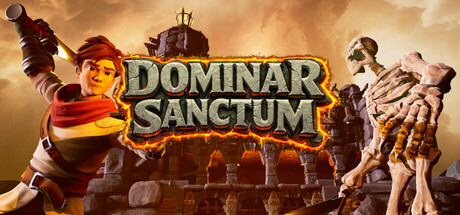
The vast majority of Dominar Sanctum has been created and developed without generative AI. Generative AI has only been used selectively for a small number of 2D icons, slide narration and a narrative voiceover, primarily for early prototyping and development. Even those icons have been manually reworked.
These few AI-assisted assets are not representative of the game's overall art, design, programming, or development process. They may be replaced or further refined before the full release.
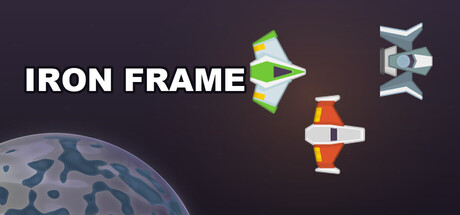
All art, sound and music in Iron Frame are human-made. The sprites and sound
effects are CC0 assets by Kenney, the music is CC0 work by nene, and the store
capsules are composed from those same sprites — nothing you see or hear was
generated by AI.
Generative AI was used as a writing assistant for some in-game text: weapon,
frame and enemy names and their one-line descriptions, and this store page.
Everything was reviewed and edited by the developer, and no content is generated
while you play.
This game includes AI-generated voice performances for certain characters. Players have the option to disable AI-generated voices in the game settings. During development, AI-assisted tools were also used as part of the concept and reference creation process for some visual assets. Final in-game artwork has been substantially modified or created by the development team and is not presented as raw AI-generated content.
This game makes extensive use of generative AI in the creation of most game assets, including 3D modeling, voice, sound, video, images, textures, scenario and narrative writing, and translation/localization. As a result, various content and assets included in the game may be generated or assisted using generative AI.
Generative AI tools were used during development to assist with the creation of pre-generated visual assets, including some game artwork and Steam store/marketing assets. All generated content is reviewed and curated before inclusion in the game or its marketing materials. The game does not generate AI content during gameplay.
Generative AI was used as an auxiliary tool during development and to make minor edits and compositions to graphical assets, including logos. No generative AI is used to generate content dynamically during gameplay.
Generative AI tools were used during development to assist in creating various game assets, including visual assets, UI elements, and some audio content. All AI-assisted content was reviewed, selected, and integrated by the developer as part of the game's overall creative direction. The game does not use generative AI to create content in real time during gameplay.
Generative AI was used selectively during development for certain materials; all final content was refined by the developer. No real-time AI generation is used.
This game was developed with the help of generative AI tools in the following areas:
Some art assets, including characters, backgrounds, UI, and effects
Store page capsule images and key art
English localization of in-game text
Portions of the source code
All generated output was reviewed, edited, and integrated by the developer, and the final content is the developer's responsibility. No content is generated by AI while the game is running.
The game's software architecture, logic scripts, and localization texts were drafted and optimized during the development process with the assistance of Rosebud AI. All assets, graphics, and code within the final application package are static, pre-rendered, and permanently compiled. No live or real-time AI generation occurs during gameplay, and the application does not connect to any external AI services.
The game's core visual presentation is built around human-created playable character sprite sheets and map artwork, while the level layouts and game design are created by the developer. Generative AI was used for selected pre-generated audio, localization, and supporting visual content such as the logo and key art. No generative AI content is generated during gameplay.
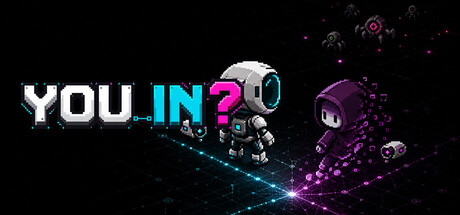
YOU IN? uses pre-generated instrumental music created with Suno for its title, stage, and boss tracks. Generative AI is also used to create promotional artwork for the Steam store page, including capsule artwork, and to assist with portions of the store-page and marketing text. All AI-assisted material is directed, selected, reviewed, and edited by the developer. The game does not generate AI content during gameplay or connect to external AI services.
Generative AI tools were used during development to assist with pre-generated content. No generative AI content is created during gameplay, and the game does not connect to external AI services.
Generative AI tools were used during the development of the game in the following areas:
Programming & Code: The vast majority of the game's codebase was written with the assistance of AI.
Graphics & Visuals: A portion of the 2D artwork, promotional graphics, and UI icons were generated or created using AI tools.
Audio & Music: AI tools were used to generate some of the soundtrack.
All AI-generated content was reviewed, edited, and integrated into the final game by human developers.
This game was developed with the assistance of generative AI tools for certain content, including:
Some visual art assets (images/textures)
Some narrative and story text
Programming assistance
All AI-generated content has been reviewed, edited, and integrated by the developer to ensure final quality and stylistic consistency.
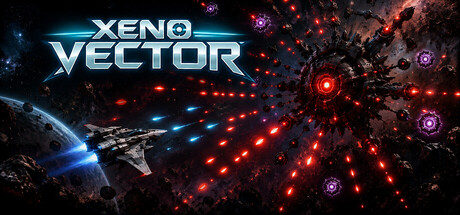
AI-assisted coding was used in the development of Xenovector, including systems responsible for procedural environments, visual effects and dynamically assembled in-game scenery.
AI-generated or AI-assisted artwork was also used for in-game backgrounds and graphical elements, in addition to promotional/store assets.
Some of the artwork in this game was created with the help of generative AI (Google Gemini). All AI-generated assets are pre-rendered and shipped with the game; no content is generated in real time during gameplay.
Some art, icons, music, sound effects, and marketing or store assets were created or assisted with generative AI tools during development, then reviewed and curated by the team. The game does not generate new AI content in real time during gameplay and does not connect to external AI services while you play.
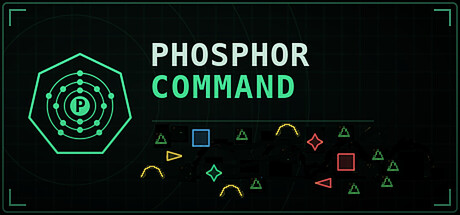
Some of Phosphor Command's store and marketing artwork. Notably, the library/hero image was created using a generative AI image tool, based on our own in‑game screenshots, and finalized by the developer. All AI‑generated content is pre‑generated; the game generates no AI content during gameplay. We hold the rights to use this content.
Generative AI tools were used to assist with translations of user interface text and game descriptions into some supported languages. All localization content is pre-generated and included in the game files. The game does not generate any content using AI at runtime.
AI is used in part for translating text from Japanese into the supported languages.
AI is not used for game development, content generation, or any purposes other than translation.
Generative AI tools were used in the creation of some visual assets in the game. Some generated artwork was used directly after review, while other generated artwork was edited, modified, or used as a starting point for final assets.
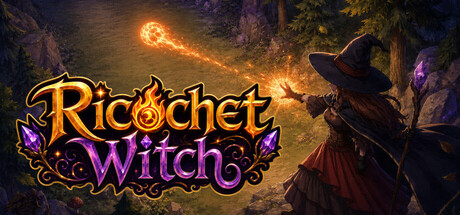
Ricochet Witch includes content created with the assistance of generative AI tools. Every AI-assisted element was directed, selected and edited by the developer, and all of it was reviewed before release.
- 2D artwork (title illustration, game logo, clear end card, scoreboard background, and the application icon, which is a crop of the title illustration): generated with Google Gemini and OpenAI ChatGPT, then selected and edited by the developer.
- Achievement icons: base images generated with OpenAI ChatGPT; the grayscale (locked) versions were made by the developer in Photoshop.
- The player character 3D model: generated with Meshy AI, then adjusted and integrated into the game by the developer.
- English localization text: translated with the assistance of a generative AI tool (Anthropic Claude), then reviewed and adjusted by the developer.
- Store page description text (Simplified Chinese, Korean, Traditional Chinese, Brazilian Portuguese, German and Spanish): translated with the assistance of generative AI tools (OpenAI ChatGPT and Anthropic Claude), then reviewed and adjusted by the developer.
- Store page images: these use the AI-assisted artwork described above.
No content is generated by AI while the game is running.
Some images in the current version were created with the assistance of generative AI. These assets are planned to be replaced with original artwork during development.
AI tools were used to create some of the game's artwork, UI elements, backgrounds, music and sound effects. Visual effects generally combine or modify multiple generated assets, while sound effects are edited and layered from multiple generated sounds. Some generated artwork, including backgrounds and UI elements, is used largely as originally created. No AI content is generated during gameplay.
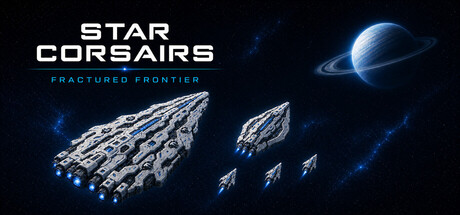
I'm not a professional game developer or artist. Making my own game had been a dream for years, but I never knew how to turn that dream into reality. Generative AI became the tool that finally made it possible.
With its help, I created many of the game's visual and audio assets, including item, UI, skill, and module icons, character portraits, ships, space stations, backgrounds, the game icon, the Steam store artwork, and some of the sound effects. It also assisted me with programming.
But Star Corsairs is not a game that AI simply generated. Every asset was reviewed, rejected, refined, or replaced until it matched the vision I had in mind. Every gameplay system was designed, tested, and reworked repeatedly until it felt right. The economy, ship balance, pirate AI, combat, and progression were all shaped through countless hours of playtesting and manual iteration. The story, world, and all of the writing were created by me.
Without generative AI, this game would probably never have existed. But without the countless creative decisions, revisions, and work behind every part of it, Star Corsairs wouldn't exist either.
Generative AI tools were used during development to assist with programming and localization. All AI-assisted code and text were reviewed, edited, tested, and integrated by the developer. No generative AI is used while the game is running.
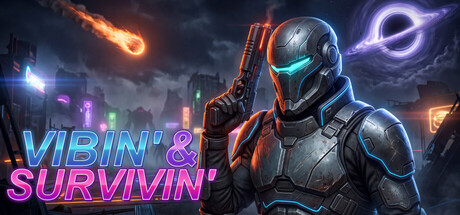
As a solo project, Vibin & Survivin leverages AI assistance for asset design, audio generation, and coding support. This allowed me to punch above my weight class as a single developer and focus on crafting tight, responsive action-roguelike gameplay!
The vast majority of Dominar Sanctum has been created and developed without generative AI. Generative AI has only been used selectively for a small number of 2D icons, slide narration and a narrative voiceover, primarily for early prototyping and development. Even those icons have been manually reworked.
These few AI-assisted assets are not representative of the game's overall art, design, programming, or development process. They may be replaced or further refined before the full release.
All art, sound and music in Iron Frame are human-made. The sprites and sound
effects are CC0 assets by Kenney, the music is CC0 work by nene, and the store
capsules are composed from those same sprites — nothing you see or hear was
generated by AI.
Generative AI was used as a writing assistant for some in-game text: weapon,
frame and enemy names and their one-line descriptions, and this store page.
Everything was reviewed and edited by the developer, and no content is generated
while you play.
This game includes AI-generated voice performances for certain characters. Players have the option to disable AI-generated voices in the game settings. During development, AI-assisted tools were also used as part of the concept and reference creation process for some visual assets. Final in-game artwork has been substantially modified or created by the development team and is not presented as raw AI-generated content.
This game makes extensive use of generative AI in the creation of most game assets, including 3D modeling, voice, sound, video, images, textures, scenario and narrative writing, and translation/localization. As a result, various content and assets included in the game may be generated or assisted using generative AI.
Generative AI tools were used during development to assist with the creation of pre-generated visual assets, including some game artwork and Steam store/marketing assets. All generated content is reviewed and curated before inclusion in the game or its marketing materials. The game does not generate AI content during gameplay.
Generative AI was used as an auxiliary tool during development and to make minor edits and compositions to graphical assets, including logos. No generative AI is used to generate content dynamically during gameplay.
Generative AI tools were used during development to assist in creating various game assets, including visual assets, UI elements, and some audio content. All AI-assisted content was reviewed, selected, and integrated by the developer as part of the game's overall creative direction. The game does not use generative AI to create content in real time during gameplay.
Generative AI was used selectively during development for certain materials; all final content was refined by the developer. No real-time AI generation is used.
This game was developed with the help of generative AI tools in the following areas:
Some art assets, including characters, backgrounds, UI, and effects
Store page capsule images and key art
English localization of in-game text
Portions of the source code
All generated output was reviewed, edited, and integrated by the developer, and the final content is the developer's responsibility. No content is generated by AI while the game is running.
The game's software architecture, logic scripts, and localization texts were drafted and optimized during the development process with the assistance of Rosebud AI. All assets, graphics, and code within the final application package are static, pre-rendered, and permanently compiled. No live or real-time AI generation occurs during gameplay, and the application does not connect to any external AI services.
The game's core visual presentation is built around human-created playable character sprite sheets and map artwork, while the level layouts and game design are created by the developer. Generative AI was used for selected pre-generated audio, localization, and supporting visual content such as the logo and key art. No generative AI content is generated during gameplay.
YOU IN? uses pre-generated instrumental music created with Suno for its title, stage, and boss tracks. Generative AI is also used to create promotional artwork for the Steam store page, including capsule artwork, and to assist with portions of the store-page and marketing text. All AI-assisted material is directed, selected, reviewed, and edited by the developer. The game does not generate AI content during gameplay or connect to external AI services.
Generative AI tools were used during development to assist with pre-generated content. No generative AI content is created during gameplay, and the game does not connect to external AI services.
Generative AI tools were used during the development of the game in the following areas:
Programming & Code: The vast majority of the game's codebase was written with the assistance of AI.
Graphics & Visuals: A portion of the 2D artwork, promotional graphics, and UI icons were generated or created using AI tools.
Audio & Music: AI tools were used to generate some of the soundtrack.
All AI-generated content was reviewed, edited, and integrated into the final game by human developers.
This game was developed with the assistance of generative AI tools for certain content, including:
Some visual art assets (images/textures)
Some narrative and story text
Programming assistance
All AI-generated content has been reviewed, edited, and integrated by the developer to ensure final quality and stylistic consistency.
AI-assisted coding was used in the development of Xenovector, including systems responsible for procedural environments, visual effects and dynamically assembled in-game scenery.
AI-generated or AI-assisted artwork was also used for in-game backgrounds and graphical elements, in addition to promotional/store assets.
Some of the artwork in this game was created with the help of generative AI (Google Gemini). All AI-generated assets are pre-rendered and shipped with the game; no content is generated in real time during gameplay.
Some art, icons, music, sound effects, and marketing or store assets were created or assisted with generative AI tools during development, then reviewed and curated by the team. The game does not generate new AI content in real time during gameplay and does not connect to external AI services while you play.
Some of Phosphor Command's store and marketing artwork. Notably, the library/hero image was created using a generative AI image tool, based on our own in‑game screenshots, and finalized by the developer. All AI‑generated content is pre‑generated; the game generates no AI content during gameplay. We hold the rights to use this content.
Generative AI tools were used to assist with translations of user interface text and game descriptions into some supported languages. All localization content is pre-generated and included in the game files. The game does not generate any content using AI at runtime.
AI is used in part for translating text from Japanese into the supported languages.
AI is not used for game development, content generation, or any purposes other than translation.
Generative AI tools were used in the creation of some visual assets in the game. Some generated artwork was used directly after review, while other generated artwork was edited, modified, or used as a starting point for final assets.
Ricochet Witch includes content created with the assistance of generative AI tools. Every AI-assisted element was directed, selected and edited by the developer, and all of it was reviewed before release.
- 2D artwork (title illustration, game logo, clear end card, scoreboard background, and the application icon, which is a crop of the title illustration): generated with Google Gemini and OpenAI ChatGPT, then selected and edited by the developer.
- Achievement icons: base images generated with OpenAI ChatGPT; the grayscale (locked) versions were made by the developer in Photoshop.
- The player character 3D model: generated with Meshy AI, then adjusted and integrated into the game by the developer.
- English localization text: translated with the assistance of a generative AI tool (Anthropic Claude), then reviewed and adjusted by the developer.
- Store page description text (Simplified Chinese, Korean, Traditional Chinese, Brazilian Portuguese, German and Spanish): translated with the assistance of generative AI tools (OpenAI ChatGPT and Anthropic Claude), then reviewed and adjusted by the developer.
- Store page images: these use the AI-assisted artwork described above.
No content is generated by AI while the game is running.
Some images in the current version were created with the assistance of generative AI. These assets are planned to be replaced with original artwork during development.
AI tools were used to create some of the game's artwork, UI elements, backgrounds, music and sound effects. Visual effects generally combine or modify multiple generated assets, while sound effects are edited and layered from multiple generated sounds. Some generated artwork, including backgrounds and UI elements, is used largely as originally created. No AI content is generated during gameplay.
I'm not a professional game developer or artist. Making my own game had been a dream for years, but I never knew how to turn that dream into reality. Generative AI became the tool that finally made it possible.
With its help, I created many of the game's visual and audio assets, including item, UI, skill, and module icons, character portraits, ships, space stations, backgrounds, the game icon, the Steam store artwork, and some of the sound effects. It also assisted me with programming.
But Star Corsairs is not a game that AI simply generated. Every asset was reviewed, rejected, refined, or replaced until it matched the vision I had in mind. Every gameplay system was designed, tested, and reworked repeatedly until it felt right. The economy, ship balance, pirate AI, combat, and progression were all shaped through countless hours of playtesting and manual iteration. The story, world, and all of the writing were created by me.
Without generative AI, this game would probably never have existed. But without the countless creative decisions, revisions, and work behind every part of it, Star Corsairs wouldn't exist either.
Generative AI tools were used during development to assist with programming and localization. All AI-assisted code and text were reviewed, edited, tested, and integrated by the developer. No generative AI is used while the game is running.
As a solo project, Vibin & Survivin leverages AI assistance for asset design, audio generation, and coding support. This allowed me to punch above my weight class as a single developer and focus on crafting tight, responsive action-roguelike gameplay!