


Disclosure
Game text translations and parts of the store page and marketing text were created with AI assistance. All art, music and sound effects are made without generative AI.
- Creator
- hakantrkmn
- Reviews
- -
- Added
- Oct 12, 2026
Public Steam disclosure research 25,376 disclosures tracked
Search developers’ Steam disclosures, compare classified AI use across games, and follow recorded changes. This index adds cross-game classifications and statistics to statements published on individual store pages.
Code help, debugging and other development work.
Capsule art, trailers and promotional material.
Pre-made art, audio, writing and other game assets.
Interactive or runtime AI features disclosed by the developer.
Groups reflect automatic analysis of public disclosures; mature records are excluded. These counts do not measure AI use across all of Steam. Missing or unclear statements cannot establish whether a game uses AI.
Game text translations and parts of the store page and marketing text were created with AI assistance. All art, music and sound effects are made without generative AI.
AI was used for some portions of code. All art is hand drawn and all game design and ideas are our own.
Only alien images were generated using AI.
Some images in the game were generated using AI tools and then refined by the game's developer. All the music in the game was written by the game's developer, but the mastering was done using AI tools. The 3D character models (all except the zombie mutants) were initially generated via AI and later refined and adapted by the game's developer.
Steam store and library, including capsule images, the logo and icons Gameplay screenshots were captured directly from the game.
Generative AI tools were used during development to create some in-game artwork, including robot sprites and relic icons, and promotional artwork, including the game logo and Steam store artwork. These assets are pre-generated. The game does not generate AI content or connect to AI services during gameplay.
Some sound effects, music, and artwork were made with the help of AI. All artwork involved human creation or adjustment and processing.
The game's artwork, audio and other assets are not AI-generated. The game engine is written from scratch over the course of 8 months in C++ and Simple DirectMedia Layer 2; in which Codex assistance was used for programming. No content is generated by AI during gameplay. No AI service is used during gameplay. All AI actions in the game are classic decision tree based intelligence made.
AI tools were used under the developer’s creative direction to assist with implementation, interface text, localization, documentation, procedural visuals, and selected promotional artwork, including the manual’s cover. No generative AI runs during gameplay.
Some in-game artwork (sprites, icons and illustrations), sound effects, music and localized text were created with the help of generative AI tools, then edited, curated and reviewed by the developer. No content is generated by AI during gameplay.
AI tools assisted the creation of in-game text and localization, and the development of code used to render pixel artwork and synthesize music and sound effects. The game does not use a generative AI model or service during gameplay.
Generative AI was used during development to create selected pre-generated visual assets, including some character models, weapon presentation models and related images, as well as some promotional artwork for the store. These assets were selected, post-processed and integrated by the developer. Store gameplay screenshots are captured from the running game and have not been generatively altered; they may show game content that uses pre-generated AI assets. The current game does not call generative AI services or generate new content during play.
Generative AI was used to help create some of the game's art assets, concept art, and promotional images, which were then selected, refined, and integrated by the developer.
Some illustrations, sound effects, and voices are generated by AI.
Generative AI tools were used during development to assist with some artwork, text and localization, and English announcer voice clips created using text-to-speech. This content is prepared in advance and used as fixed assets in the game or on its Steam store page. No AI-generated content is created during gameplay.
Generative AI was used during development to create some environment artwork and branding, and to assist with localization and store text. The game does not generate AI content during play or connect to external AI services.
Deckbound was designed and directed by a solo developer. Generative AI was used as a tool during development to help write in-game text (card, item and enemy descriptions), and produce the pixel artwork. All of it was reviewed, edited and curated by hand. The game itself does not use AI while you play — nothing is generated in real time.
Punk Dog Wars uses AI-assisted tools during development. Character, effect and environment art, the music, and the announcer and dog voices were generated with AI models and then selected, composited and edited by our team. The store art was made the same way. No content is generated while you play.
AI aided the production of the game.
Was only used to make the store description fo the the game.
Generative AI tools were used during development to assist with the creation of selected visual assets, concept artwork, and development content. AI-assisted programming tools were also used during development. All content included in the final game is reviewed, selected, edited, and integrated by the development team. The game does not generate AI content during gameplay.
Generative AI is used during production to help create some visual assets and promotional materials.
Generative AI was used to create promotional artwork for the store page and marketing materials for this game.
Audio sound effects, translated localization text, and promotional trailer videos in this game were produced with the assistance of generative AI tools. All AI-assisted assets have been reviewed, edited and finalized by the development team.
The game's characters, environment tiles, and totem were created by the developer in Aseprite. Additional enemy variants and animation frames were produced with the help of an AI coding assistant that draws sprites programmatically from authored pixel data. The menu music was created with the help of AI music tools. All promotional and store artwork was created by a human artist. No content is generated by AI while the game is running.
Some visual assets (artwork and cinematic scenes) and some music and sound effects were created with the help of generative AI tools, then reviewed and curated by the developer. No content is generated by AI during gameplay.
Some artwork in the game and its Steam store and marketing materials was created or refined with generative AI tools before release. Some music tracks were generated offline with ACE-Step. These are fixed, pre-generated assets. The game does not generate AI content during gameplay or connect to an external AI service.
This game used AI assistance to help arrange the store page artwork and to support programming. AI assistance was also used to write the store page text, and the multi-language localization in the current version was produced with AI assistance. All AI-related work was carried out under the direction and planning of the developer.
Generative AI tools were used extensively throughout development. Most of the game's visual content, user interface, written text, audio, narrative and localization, and program code were created with the assistance of generative AI, then selected, edited, integrated, and refined by the developer. Generative AI is used only during development. The game does not connect to AI services or generate content in real time during gameplay.
Generative AI tools were used during development to assist with the creation and iteration of some game assets and development code. AI-assisted content included in the final game is pre-generated and reviewed by the developer. The game does not generate AI content during gameplay.
Bloodloader was made by one developer with generative AI tools in the pipeline. Character, enemy and item sprites, tiles, icons and the store key art began as AI generations (PixelLab) and were selected, cleaned up, recoloured and assembled by the developer. Sound effects and music were generated with ElevenLabs and edited into final effects and seamless loops. Some in-game text was drafted with AI assistance and edited by the developer. Nothing is generated while you play.
Some visual assets were created with the assistance of generative AI and were subsequently edited and modified by the developer.
Generative AI was used for art and sound.
This game's pixel art was created with AI assistance. The English translation was also produced with AI and reviewed for accuracy and natural phrasing before release.
Some of the game's artwork was created from the developer's own sketches and refined using AI image tools. Some sound effects were produced with the help of AI audio tools. The in-game text was translated into the supported languages with the help of AI tools. All content is reviewed and approved by the developer before release.
Music and Localization made by AI
Music and sounds were produced with ElevenLabs.
Generative AI tools were used during development to assist with game localization and code generation.
We only utilized AI to generate store page promotional art for the game, to better convey the feeling of post-apocalyptic survival.
This game utilizes generative AI in the creation of some images, background music, and sound effects. All such content is reviewed and edited before being incorporated into the game.
Generative AI tools were used to create some pre-generated visual assets for the game and its Steam store materials. All outputs were reviewed and edited by the developer. The game does not generate content during gameplay.
Generative AI tools were used to assist in the creation of 2D pre-rendered artwork for this game. Specifically, AI was used to generate the promotional library capsules on the store page, as well as the 2D icon graphics for the upgrade cards shown during gameplay. All AI-generated assets were reviewed and manually edited to ensure quality and consistency with the game's art style.
During development we use AI assistance in certain tasks, such as generative fill to extend artist drawn artwork. All major art has been drawn by human artists. The game has optional computer generated voice overs.
HELIOBANE was made with the help of generative AI tools. - Assets: AI was used to generate some of the game's assets, including artwork, voice lines, sound effects, in-game text and translations. Artwork was edited and fitted to the game's 32-colour palette and style before use. - Music: the soundtrack was made with a custom tracker built for agentic work, by an AI trained on a curated collection of public-domain tracker (MOD) music. - Some store page and marketing art is also AI-assisted. Nothing is generated while you play. All content is fixed in the build, and the game does not connect to any AI service.
This game uses a mix of human and generative AI tools. AI was used in some visual art assets, code generation, and portions of the store page text. All writing in the game, voice acting, and music are fully human-created.
Some visual assets in this game were generated using AI. Specifically: planet sprites/textures are AI-generated. All other in-game art is purchased/licensed, not AI-generated, and all audio is purchased/licensed, not AI-generated.
Generative AI was used to create some pre-generated artwork, audio, and text included in the game and its promotional materials. The game does not generate AI content during gameplay.
The music and much of the artwork in Rift Ward were created with generative AI tools, then chosen and edited.
This game was made with the help of generative AI tools. The in-game relic, element, rune and skill icons are AI-generated. The tutorial illustrations were AI-generated and then edited by hand. Some sound effects, and the localization of the interface text into the game's supported languages, were produced with AI assistance. Some of the source code was also written with AI tools. All of it was reviewed and adjusted by a human before release. Nothing is generated while you play, and the game never connects to any external AI service.
Some images shipped in the game were created with generative AI during development and then selected and reviewed by the developer. No other shipped content was generated by AI.
| Title⇅ | Disclosure | Creator⇅ | Src | Reviews⇅ | Added↓ |
|---|---|---|---|---|---|
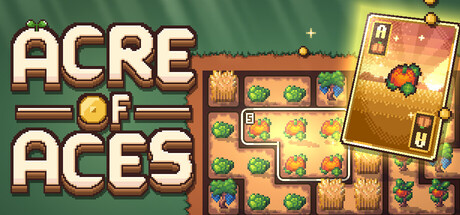
 Bounty on Grandpa Store/marketing text | Game text translations and parts of the store page and marketing text were created with AI assistance. All art, music and sound effects are made without generative AI. | hakantrkmn | - | Oct 12, 2026 | |
 Keystrike Dev only code | AI was used for some portions of code. All art is hand drawn and all game design and ideas are our own. | Usiah Barnes | - | Oct 12, 2026 | |
 QSO7 In-game content art | Only alien images were generated using AI. | John Nash | - | Oct 11, 2026 | |
 The Last UNION In-game content artaudio | Some images in the game were generated using AI tools and then refined by the game's developer. All the music in the game was written by the game's developer, but the mastering was done using AI tools. The 3D character models (all except the zombie mutants) were initially generated via AI and later refined and adapted by the game's developer. | DevStoria | - | Oct 10, 2026 | |
 Emberquiver Store/marketing art | Steam store and library, including capsule images, the logo and icons Gameplay screenshots were captured directly from the game. | Emberquiver Studio | - | Oct 10, 2026 | |
 Junkyard Overdrive In-game content art | Generative AI tools were used during development to create some in-game artwork, including robot sprites and relic icons, and promotional artwork, including the game logo and Steam store artwork. These assets are pre-generated. The game does not generate AI content or connect to AI services during gameplay. | AfterGlow Games | - | Oct 10, 2026 | |
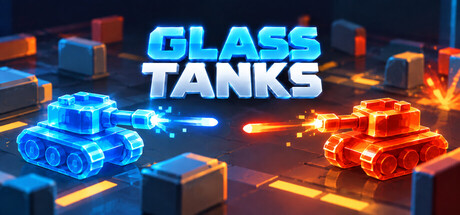 Glass Tanks In-game content artaudio | Some sound effects, music, and artwork were made with the help of AI. All artwork involved human creation or adjustment and processing. | Wutot Games | - | Oct 10, 2026 | |
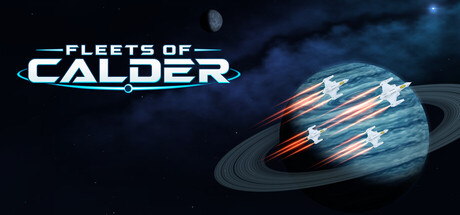 Fleets of Calder Dev only code | The game's artwork, audio and other assets are not AI-generated. The game engine is written from scratch over the course of 8 months in C++ and Simple DirectMedia Layer 2; in which Codex assistance was used for programming. No content is generated by AI during gameplay. No AI service is used during gameplay. All AI actions in the game are classic decision tree based intelligence made. | Strike Wings Games | - | Oct 10, 2026 | |
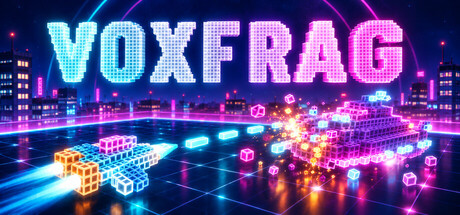 VOXFRAG In-game content textart | AI tools were used under the developer’s creative direction to assist with implementation, interface text, localization, documentation, procedural visuals, and selected promotional artwork, including the manual’s cover. No generative AI runs during gameplay. | Gaboo Arts Entertainment | - | Oct 9, 2026 | |
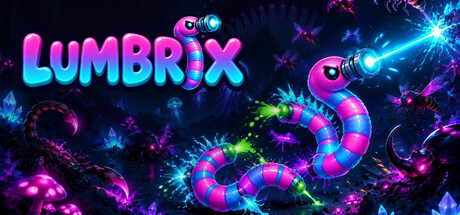 Lumbrix In-game content artaudiotext | Some in-game artwork (sprites, icons and illustrations), sound effects, music and localized text were created with the help of generative AI tools, then edited, curated and reviewed by the developer. No content is generated by AI during gameplay. | JSM games | - | Oct 9, 2026 | |
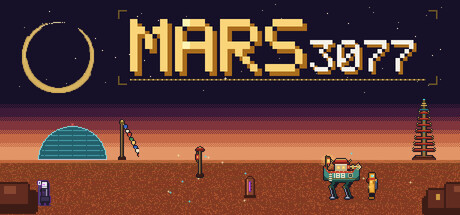 MARS3077 In-game content textcode | AI tools assisted the creation of in-game text and localization, and the development of code used to render pixel artwork and synthesize music and sound effects. The game does not use a generative AI model or service during gameplay. | NAMEK GAME STUDIO | - | Oct 9, 2026 | |
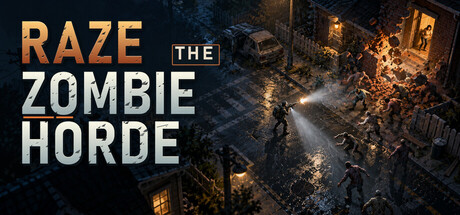 Raze the Zombie Horde In-game content art | Generative AI was used during development to create selected pre-generated visual assets, including some character models, weapon presentation models and related images, as well as some promotional artwork for the store. These assets were selected, post-processed and integrated by the developer. Store gameplay screenshots are captured from the running game and have not been generatively altered; they may show game content that uses pre-generated AI assets. The current game does not call generative AI services or generate new content during play. | Moonwrought Studio | - | Oct 9, 2026 | |
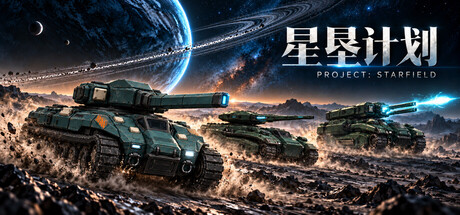 星垦计划 Store/marketing art | Generative AI was used to help create some of the game's art assets, concept art, and promotional images, which were then selected, refined, and integrated by the developer. | Liam Mactavish | - | Oct 9, 2026 | |
 めろんぱんさばいば~ In-game content artaudio | Some illustrations, sound effects, and voices are generated by AI. | pixelpassion | - | Oct 9, 2026 | |
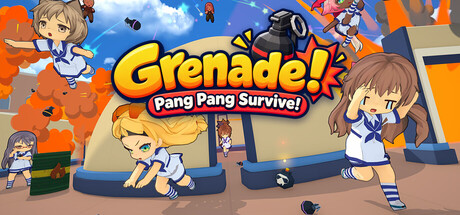 Grenade! : Pang Pang Survive! In-game content arttextaudio | Generative AI tools were used during development to assist with some artwork, text and localization, and English announcer voice clips created using text-to-speech. This content is prepared in advance and used as fixed assets in the game or on its Steam store page. No AI-generated content is created during gameplay. | SillyToolValley | - | Oct 9, 2026 | |
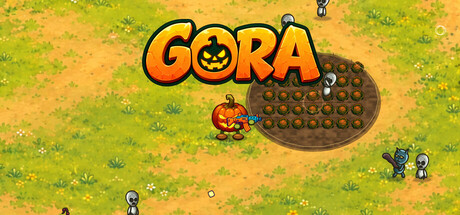 GORA In-game content arttext | Generative AI was used during development to create some environment artwork and branding, and to assist with localization and store text. The game does not generate AI content during play or connect to external AI services. | Saleen | - | Oct 8, 2026 | |
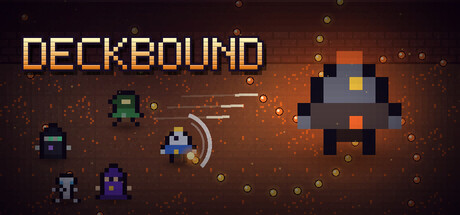 Deckbound In-game content arttext | Deckbound was designed and directed by a solo developer. Generative AI was used as a tool during development to help write in-game text (card, item and enemy descriptions), and produce the pixel artwork. All of it was reviewed, edited and curated by hand. The game itself does not use AI while you play — nothing is generated in real time. | Yuri Murray-Alves | - | Oct 7, 2026 | |
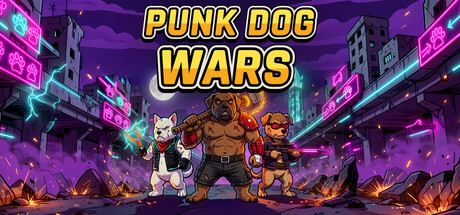 Punk Dog Wars MOBA 2D In-game content artaudiotext | Punk Dog Wars uses AI-assisted tools during development. Character, effect and environment art, the music, and the announcer and dog voices were generated with AI models and then selected, composited and edited by our team. The store art was made the same way. No content is generated while you play. | Westie Game Studios | - | Oct 7, 2026 | |
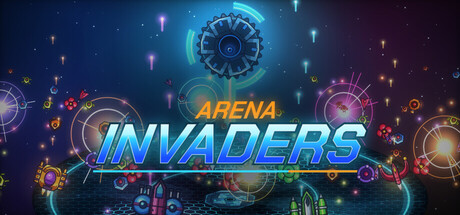 Arena Invaders Unclear | AI aided the production of the game. | PD Design Studio | - | Oct 7, 2026 | |
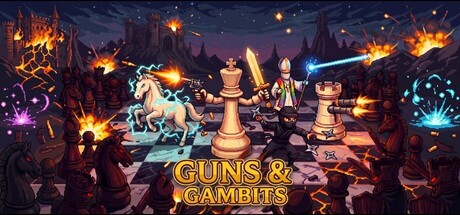 Guns & Gambits Store/marketing text | Was only used to make the store description fo the the game. | SHIFT. Games | - | Oct 7, 2026 | |
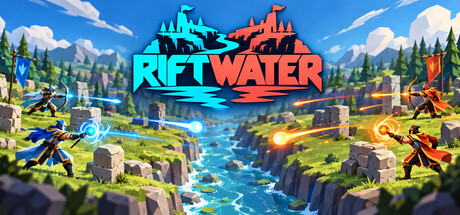 Riftwater Dev only artcode | Generative AI tools were used during development to assist with the creation of selected visual assets, concept artwork, and development content. AI-assisted programming tools were also used during development. All content included in the final game is reviewed, selected, edited, and integrated by the development team. The game does not generate AI content during gameplay. | TP108 Studio | - | Oct 7, 2026 | |
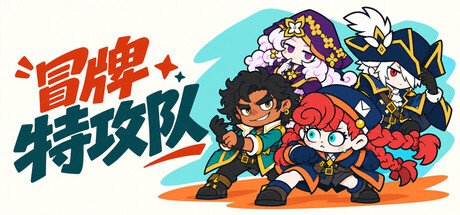 冒牌特攻队 Store/marketing art | Generative AI is used during production to help create some visual assets and promotional materials. | 玄火 | - | Oct 7, 2026 | |
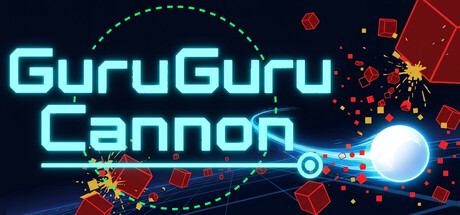 GuruGuru Cannon Store/marketing art | Generative AI was used to create promotional artwork for the store page and marketing materials for this game. | FuruGura | - | Oct 7, 2026 | |
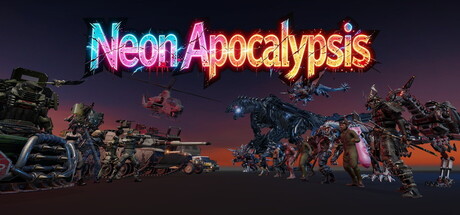 Neon Apocalypsis In-game content audiotext | Audio sound effects, translated localization text, and promotional trailer videos in this game were produced with the assistance of generative AI tools. All AI-assisted assets have been reviewed, edited and finalized by the development team. | 4 Cats Studio | - | Oct 7, 2026 | |
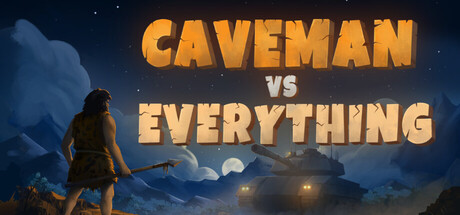 Caveman vs Everything In-game content artaudio | The game's characters, environment tiles, and totem were created by the developer in Aseprite. Additional enemy variants and animation frames were produced with the help of an AI coding assistant that draws sprites programmatically from authored pixel data. The menu music was created with the help of AI music tools. All promotional and store artwork was created by a human artist. No content is generated by AI while the game is running. | Nice Try Studios | - | Oct 7, 2026 | |
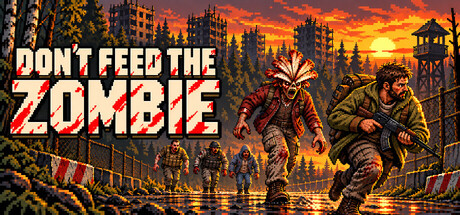 Don't Feed the Zombie In-game content artaudio | Some visual assets (artwork and cinematic scenes) and some music and sound effects were created with the help of generative AI tools, then reviewed and curated by the developer. No content is generated by AI during gameplay. | HYDRA GAMES | - | Oct 6, 2026 | |
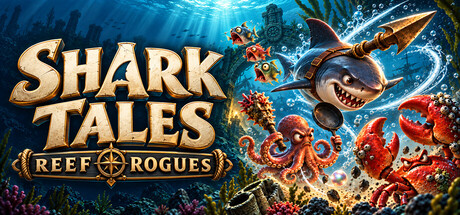 Shark Tales: Reef Rogues In-game content artaudio | Some artwork in the game and its Steam store and marketing materials was created or refined with generative AI tools before release. Some music tracks were generated offline with ACE-Step. These are fixed, pre-generated assets. The game does not generate AI content during gameplay or connect to an external AI service. | RadDad Basement Studio | - | Oct 6, 2026 | |
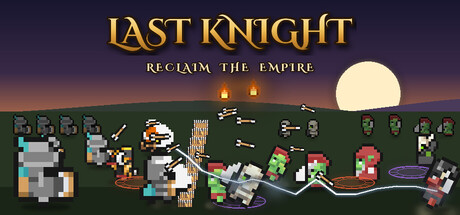 Last Knight ~ Reclaim the Empire ~ In-game content arttext | This game used AI assistance to help arrange the store page artwork and to support programming. AI assistance was also used to write the store page text, and the multi-language localization in the current version was produced with AI assistance. All AI-related work was carried out under the direction and planning of the developer. | Honga Games Inc. | - | Oct 6, 2026 | |
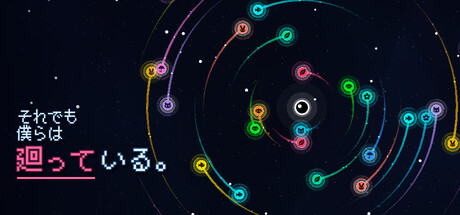 それでも僕らは廻っている。 In-game content arttextaudiocode | Generative AI tools were used extensively throughout development. Most of the game's visual content, user interface, written text, audio, narrative and localization, and program code were created with the assistance of generative AI, then selected, edited, integrated, and refined by the developer. Generative AI is used only during development. The game does not connect to AI services or generate content in real time during gameplay. | おまど | - | Oct 4, 2026 | |
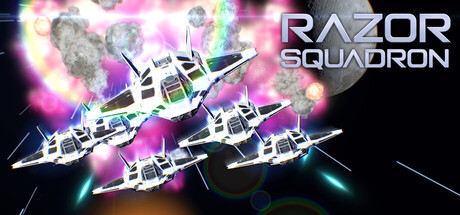 Razor Squadron In-game content artcode | Generative AI tools were used during development to assist with the creation and iteration of some game assets and development code. AI-assisted content included in the final game is pre-generated and reviewed by the developer. The game does not generate AI content during gameplay. | BlueGamer Productions | - | Oct 4, 2026 | |
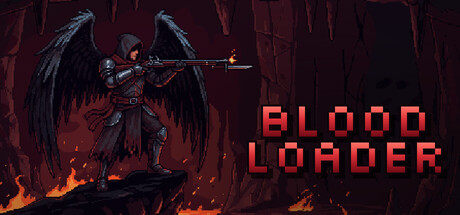 Bloodloader In-game content artaudiotext | Bloodloader was made by one developer with generative AI tools in the pipeline. Character, enemy and item sprites, tiles, icons and the store key art began as AI generations (PixelLab) and were selected, cleaned up, recoloured and assembled by the developer. Sound effects and music were generated with ElevenLabs and edited into final effects and seamless loops. Some in-game text was drafted with AI assistance and edited by the developer. Nothing is generated while you play. | Nukeborn Studio | - | Oct 4, 2026 | |
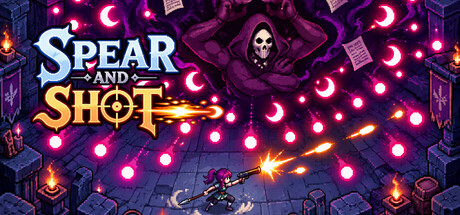 Spear and Shot In-game content art | Some visual assets were created with the assistance of generative AI and were subsequently edited and modified by the developer. | Markolo | - | Oct 3, 2026 | |
 Wargrown In-game content artaudio | Generative AI was used for art and sound. | Drowning Donkey | - | Oct 3, 2026 | |
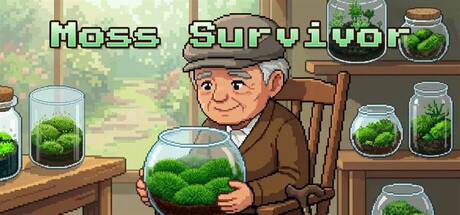 Moss Survivor In-game content arttext | This game's pixel art was created with AI assistance. The English translation was also produced with AI and reviewed for accuracy and natural phrasing before release. | Maronn | - | Oct 3, 2026 | |
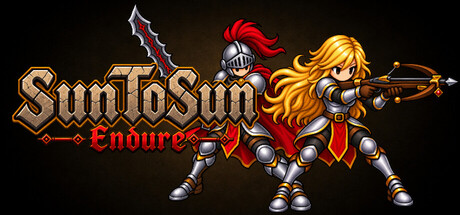 Sun To Sun: Endure In-game content artaudiotext | Some of the game's artwork was created from the developer's own sketches and refined using AI image tools. Some sound effects were produced with the help of AI audio tools. The in-game text was translated into the supported languages with the help of AI tools. All content is reviewed and approved by the developer before release. | Titan L.E.M.A.R Studios | - | Oct 1, 2026 | |
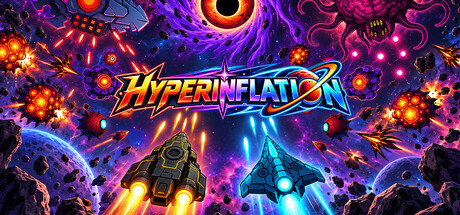 HYPERINFLATION In-game content audiotext | Music and Localization made by AI | Nethound Games | - | Oct 1, 2026 | |
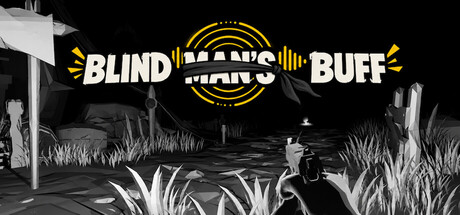 Blind Man's Buff In-game content audio | Music and sounds were produced with ElevenLabs. | sanzyman | - | Oct 1, 2026 | |
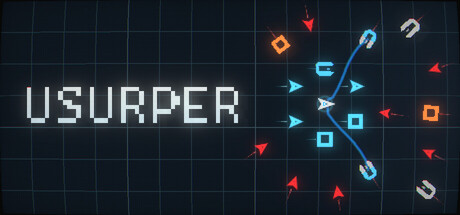 Usurper In-game content textcode | Generative AI tools were used during development to assist with game localization and code generation. | IndieRaven | - | Oct 1, 2026 | |
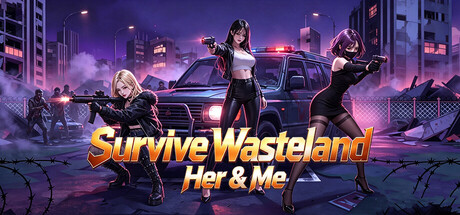 Survive Wasteland: Her & Me Store/marketing art | We only utilized AI to generate store page promotional art for the game, to better convey the feeling of post-apocalyptic survival. | HotPlay Studio | - | Oct 1, 2026 | |
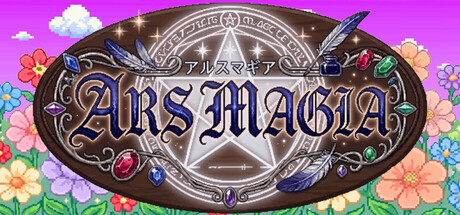 アルスマギア In-game content artaudio | This game utilizes generative AI in the creation of some images, background music, and sound effects. All such content is reviewed and edited before being incorporated into the game. | PracticalStudy | - | Oct 1, 2026 | |
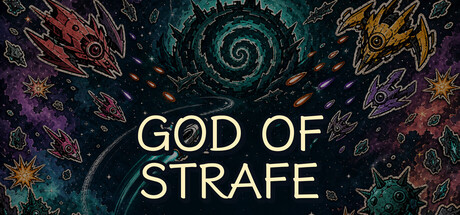 God of Strafe In-game content art | Generative AI tools were used to create some pre-generated visual assets for the game and its Steam store materials. All outputs were reviewed and edited by the developer. The game does not generate content during gameplay. | Ren You Suo Cao Studio | - | Oct 1, 2026 | |
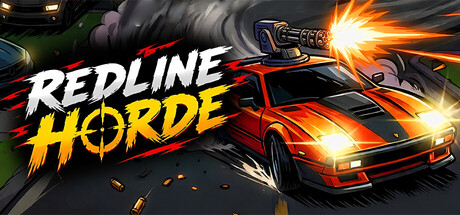 Redline Horde In-game content art | Generative AI tools were used to assist in the creation of 2D pre-rendered artwork for this game. Specifically, AI was used to generate the promotional library capsules on the store page, as well as the 2D icon graphics for the upgrade cards shown during gameplay. All AI-generated assets were reviewed and manually edited to ensure quality and consistency with the game's art style. | DevGoneWild | - | Oct 1, 2026 | |
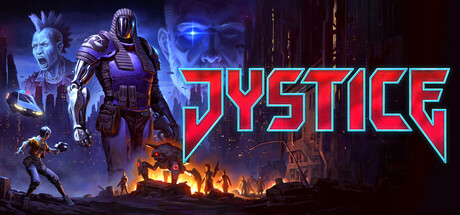 JYSTICE In-game content artaudio | During development we use AI assistance in certain tasks, such as generative fill to extend artist drawn artwork. All major art has been drawn by human artists.
The game has optional computer generated voice overs. | 10tons Ltd | - | Sep 30, 2026 | |
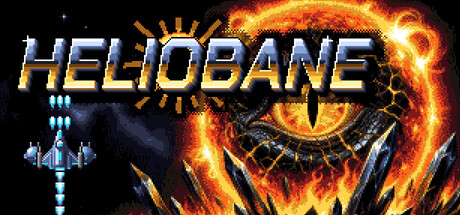 Heliobane In-game content artaudiotext | HELIOBANE was made with the help of generative AI tools.
- Assets: AI was used to generate some of the game's assets, including artwork, voice lines, sound effects, in-game text and translations. Artwork was edited and fitted to the game's 32-colour palette and style before use.
- Music: the soundtrack was made with a custom tracker built for agentic work, by an AI trained on a curated collection of public-domain tracker (MOD) music.
- Some store page and marketing art is also AI-assisted.
Nothing is generated while you play. All content is fixed in the build, and the game does not connect to any AI service. | Gand | - | Sep 30, 2026 | |
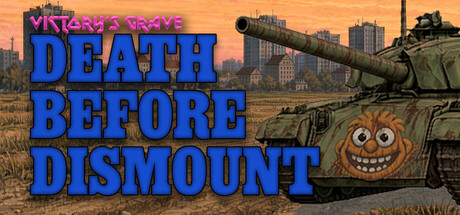 Victory's Grave: Death Before Dismount In-game content artcodetext | This game uses a mix of human and generative AI tools. AI was used in some visual art assets, code generation, and portions of the store page text. All writing in the game, voice acting, and music are fully human-created. | Old Glory Studios | - | Sep 30, 2026 | |
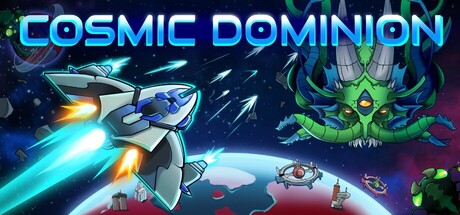 Cosmic Dominion In-game content art | Some visual assets in this game were generated using AI. Specifically: planet sprites/textures are AI-generated. All other in-game art is purchased/licensed, not AI-generated, and all audio is purchased/licensed, not AI-generated. | DMarshallGaming | - | Sep 30, 2026 | |
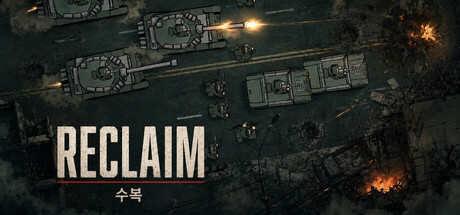 수복 In-game content artaudiotext | Generative AI was used to create some pre-generated artwork, audio, and text included in the game and its promotional materials. The game does not generate AI content during gameplay. | 시월스튜디오 | - | Sep 30, 2026 | |
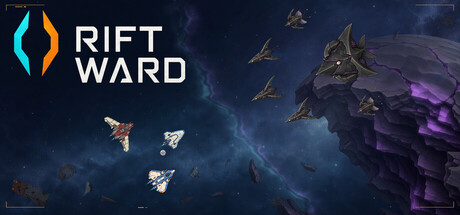 Rift Ward In-game content artaudio | The music and much of the artwork in Rift Ward were created with generative AI tools, then chosen and edited. | Shamak | - | Sep 30, 2026 | |
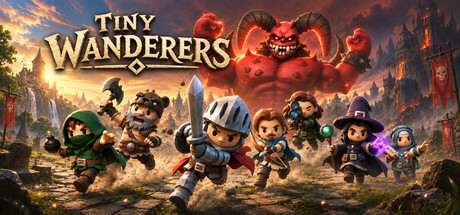 小小行者 In-game content artaudiotextcode | This game was made with the help of generative AI tools. The in-game relic, element, rune and skill icons are AI-generated. The tutorial illustrations were AI-generated and then edited by hand. Some sound effects, and the localization of the interface text into the game's supported languages, were produced with AI assistance. Some of the source code was also written with AI tools. All of it was reviewed and adjusted by a human before release. Nothing is generated while you play, and the game never connects to any external AI service. | TPAI Entertainment | - | Sep 29, 2026 | |
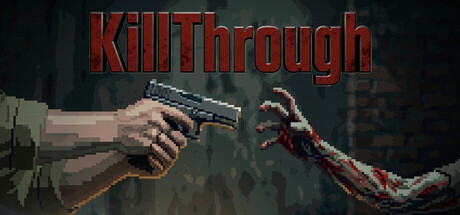 Kill Through In-game content art | Some images shipped in the game were created with generative AI during development and then selected and reviewed by the developer. No other shipped content was generated by AI. | Holy Terra team | - | Sep 29, 2026 |


