Public Steam disclosure research25,376 disclosures tracked
Where do games disclose AI use?
Search developers’ Steam disclosures, compare classified AI use across
games, and follow recorded changes.
This index adds cross-game classifications and statistics to
statements published on individual store pages.
Groups reflect automatic analysis of public disclosures; mature records are excluded. These counts do not measure AI use across all of Steam.
Missing or unclear statements cannot establish whether a game uses AI.
AI image tools supported the creation of some 2D illustrations and promotional assets. Every asset was designed, reworked, and finished by our artists, and all writing, game design, and code are entirely human-made. Nothing in the game is AI-generated at runtime.
Generative AI was used during development to create selected 2D artwork, including crew portraits, environmental elements, user interface icons, and key art. Generated assets were selected, edited, and adapted to match the game’s visual style and technical requirements. The game does not generate any AI content at runtime and does not send player data to generative AI services.
Some pre-rendered assets in this game and its store presence were created with the assistance of generative AI tools: portions of the 2D artwork (such as backdrop and ramp textures, marketing and capsule images) and some sound effects. All AI-assisted assets were reviewed, selected, and edited by the developer before inclusion. The game's design, code, gameplay systems, writing, and balance are entirely human-made. No content is generated by AI at runtime.
Some of the artwork in this game was created with the help of generative AI (Google Gemini). All AI-generated assets are pre-rendered and shipped with the game; no content is generated in real time during gameplay.
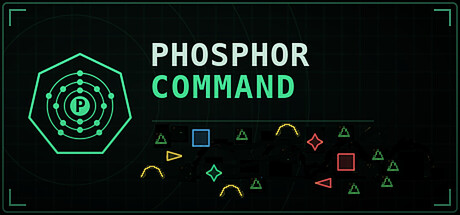
Some of Phosphor Command's store and marketing artwork. Notably, the library/hero image was created using a generative AI image tool, based on our own in‑game screenshots, and finalized by the developer. All AI‑generated content is pre‑generated; the game generates no AI content during gameplay. We hold the rights to use this content.
Generative AI tools were used during development to assist with the creation and refinement of certain visual assets, including some user interface graphics, promotional artwork, and other supporting art elements. All AI-assisted content was reviewed, edited, and selected by the developer before being included in the game. Generative AI is not used to create content during gameplay.
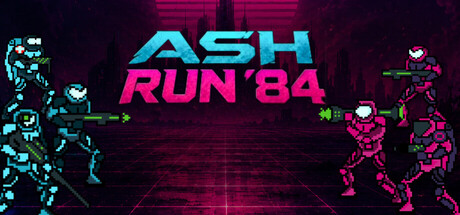
Ash Run '84 is a human-designed game built with the assistance of AI tools in specific areas of development.
*Gameplay, mechanics, game design, level design, balance, pixel art units, buildings, tiles, UI, and production direction were created by our two-person development team.*
AI Created:
- Commander portraits are currently AI-assisted placeholder artwork. We plan to replace them with original human-created artwork as development continues.
- Music is currently AI-generated for this release. If the game receives sufficient support, we intend to commission an original soundtrack composed by a human musician.
- Programming was developed by our team with AI-assisted coding tools used to accelerate implementation, debugging, testing, and iteration. All code was reviewed, integrated, and directed by the developers.
Some of Nation's 2D artwork — character portraits, card illustrations, backgrounds, and store/marketing images — was created with the assistance of generative AI tools, then selected, edited, and composited by our team. All game design, rules, writing, and code are human-made. The game does not generate content with AI while you play.
Pre-generated AI-assisted content is used in some 2D artwork, including unit sprites, character portraits, card illustrations, battlefield backgrounds, visual effects, UI decorative elements, and store and marketing artwork. AI assistance was also used for portions of in-game text and English/Japanese localization. All such content is generated before release and curated and edited by the developer. The game does not generate content during gameplay and does not connect to a generative AI service at runtime.
The non-English text is AI machine-translated for now (English is the only hand-written one), and it's labelled as AI in-game. If you're a native speaker and want to help fix the rough spots, there'll be an open localization repo for corrections, which ship in updates.
Generative AI was used during development to create some 2D artwork, specifically cover art and certain in-game officer portraits. These assets were reviewed and integrated by the developer before release. They are pre-generated static files included with the game. The game does not use generative AI at runtime, and no content is generated or modified based on player input.
We used generative AI as a coding assistant during development to help write and debug the game's source code. All AI-assisted code was reviewed and tested by the developer. The game contains some AI-generated sounds and visual content at runtime however most is non AI. The game sends no player data to any AI service.
Generative AI tools were used in the creation of certain art assets, audio materials and descriptive text during game development. All AI-generated content has been manually reviewed, edited and integrated by the developer. No new content is dynamically generated by AI while the game is running.
This game contains pre-generated AI-assisted visual assets, including promotional images, icons, artwork, character portraits, and some UI elements. No live or runtime AI is used during gameplay. All gameplay, mechanics, code, and player interactions are handcrafted.
This game utilized generative AI tools to assist with code writing and creative design during development. All AI-generated content has been strictly tested, reviewed, and optimized to ensure game quality and stability.
Some graphical elements of the user interface (menus, icons, and buttons), as well as store page assets (capsule images, header, and screenshots containing generated elements), were created with the assistance of generative AI tools and manually reviewed and edited by the developer
Development is AI-assisted: source code, the procedural asset factories (meshes, MetaSound hero sounds, code-driven UMG) and docs are written with AI tooling under human review in-repo. No external generative-AI image/audio assets are imported; everything ships from the code-authored pipeline.
The game's design, rules, simulation, scenarios, and text are all authored by people. Some event background illustrations and background music were produced with generative tools run in-house by the development team, and every asset was then accepted or rejected by a human. The game does not generate any content while it runs.
Portions of this game's artwork were created with generative AI tools under human direction, curation, and editing — including aircraft counter sprites, scene illustrations, character portraits, achievement icons, and some store/marketing images. The store trailer's narration is AI-generated voiceover. Some code was developed with AI assistance and human review. The game does not generate any content with AI while running.
Generative AI tools were used to create part of this game's visual assets: 2D unit and building sprites, terrain textures, background art, and 3D models. Some store page and marketing images were created the same way. Every generated asset was selected, edited and assembled by hand, and the game generates no content at runtime.
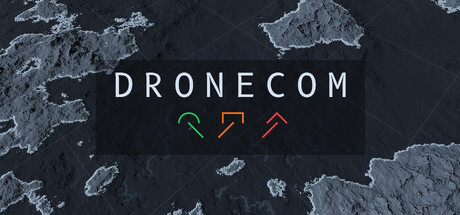
The drone images on the website and Steam game page, (not used in the actual game), were generated by AI. The Symbology of the in-game tactical display was generated by AI under close human supervision and iteration. The music in this game was not generated by AI.
This game was developed with the assistance of generative AI tools during production. AI-generated 2D artwork (building icons, unit portraits, background illustrations, and UI elements) was created and curated by the development team as part of the game's visual assets. AI is not used to generate content dynamically during gameplay -- all art assets are fixed and shipped with the game. In-game opponent behavior uses traditional programmed game logic, not generative AI.
Some of the game's 2D artwork (illustrations, icons, and backgrounds) was created with the assistance of generative AI tools and then curated and edited by the development team. Some non-English text is translated with AI assistance and reviewed before shipping. No AI content is generated live during gameplay.
These translations were generated with the help of AI. As an indie developer, I currently don't have the budget to hire professional translators, but I hope to do so in the future.
Some pre-generated visual assets and localization text were created with the assistance of generative AI and were reviewed and edited by the developer. The game does not generate AI content during gameplay.
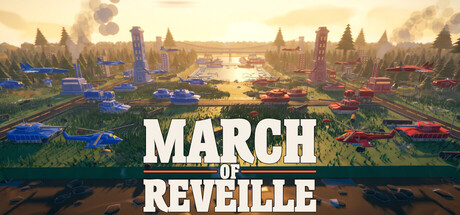
Some non-gameplay assets in March of Reveille were made with the help of generative AI tools.
Music — composed using AI music generation.
Store page and marketing artwork — the key art on this page began as renders captured in-engine from the game's own 3D models, terrain and units, then restyled using AI image editing. It depicts the actual game.
All 3D models, environments, unit designs, UI and game design are the developer's own work, built from scratch in Blender and Godot.
CivEconomy: Future Leader uses locally-running AI for two optional gameplay features. All AI processing runs entirely on the player's machine — no data is sent to external servers.
Text AI (Command Processing): An on-device language model (Llama 3.2 1B via Ollama) interprets natural language player commands and classifies them into game actions. A keyword-matching fallback system works identically without AI enabled.
Image AI (Chieftain Portraits): An on-device Stable Diffusion 1.5 model generates decorative chieftain portrait images. These are purely cosmetic with no gameplay impact.
Both features are completely optional. The game is fully functional and playable without any AI features active.
AI image tools supported the creation of some 2D illustrations and promotional assets. Every asset was designed, reworked, and finished by our artists, and all writing, game design, and code are entirely human-made. Nothing in the game is AI-generated at runtime.
Generative AI was used during development to create selected 2D artwork, including crew portraits, environmental elements, user interface icons, and key art. Generated assets were selected, edited, and adapted to match the game’s visual style and technical requirements. The game does not generate any AI content at runtime and does not send player data to generative AI services.
Some pre-rendered assets in this game and its store presence were created with the assistance of generative AI tools: portions of the 2D artwork (such as backdrop and ramp textures, marketing and capsule images) and some sound effects. All AI-assisted assets were reviewed, selected, and edited by the developer before inclusion. The game's design, code, gameplay systems, writing, and balance are entirely human-made. No content is generated by AI at runtime.
Some of the artwork in this game was created with the help of generative AI (Google Gemini). All AI-generated assets are pre-rendered and shipped with the game; no content is generated in real time during gameplay.
Some of Phosphor Command's store and marketing artwork. Notably, the library/hero image was created using a generative AI image tool, based on our own in‑game screenshots, and finalized by the developer. All AI‑generated content is pre‑generated; the game generates no AI content during gameplay. We hold the rights to use this content.
Generative AI tools were used during development to assist with the creation and refinement of certain visual assets, including some user interface graphics, promotional artwork, and other supporting art elements. All AI-assisted content was reviewed, edited, and selected by the developer before being included in the game. Generative AI is not used to create content during gameplay.
Ash Run '84 is a human-designed game built with the assistance of AI tools in specific areas of development.
*Gameplay, mechanics, game design, level design, balance, pixel art units, buildings, tiles, UI, and production direction were created by our two-person development team.*
AI Created:
- Commander portraits are currently AI-assisted placeholder artwork. We plan to replace them with original human-created artwork as development continues.
- Music is currently AI-generated for this release. If the game receives sufficient support, we intend to commission an original soundtrack composed by a human musician.
- Programming was developed by our team with AI-assisted coding tools used to accelerate implementation, debugging, testing, and iteration. All code was reviewed, integrated, and directed by the developers.
Some of Nation's 2D artwork — character portraits, card illustrations, backgrounds, and store/marketing images — was created with the assistance of generative AI tools, then selected, edited, and composited by our team. All game design, rules, writing, and code are human-made. The game does not generate content with AI while you play.
Pre-generated AI-assisted content is used in some 2D artwork, including unit sprites, character portraits, card illustrations, battlefield backgrounds, visual effects, UI decorative elements, and store and marketing artwork. AI assistance was also used for portions of in-game text and English/Japanese localization. All such content is generated before release and curated and edited by the developer. The game does not generate content during gameplay and does not connect to a generative AI service at runtime.
The non-English text is AI machine-translated for now (English is the only hand-written one), and it's labelled as AI in-game. If you're a native speaker and want to help fix the rough spots, there'll be an open localization repo for corrections, which ship in updates.
Generative AI was used during development to create some 2D artwork, specifically cover art and certain in-game officer portraits. These assets were reviewed and integrated by the developer before release. They are pre-generated static files included with the game. The game does not use generative AI at runtime, and no content is generated or modified based on player input.
We used generative AI as a coding assistant during development to help write and debug the game's source code. All AI-assisted code was reviewed and tested by the developer. The game contains some AI-generated sounds and visual content at runtime however most is non AI. The game sends no player data to any AI service.
Generative AI tools were used in the creation of certain art assets, audio materials and descriptive text during game development. All AI-generated content has been manually reviewed, edited and integrated by the developer. No new content is dynamically generated by AI while the game is running.
This game contains pre-generated AI-assisted visual assets, including promotional images, icons, artwork, character portraits, and some UI elements. No live or runtime AI is used during gameplay. All gameplay, mechanics, code, and player interactions are handcrafted.
This game utilized generative AI tools to assist with code writing and creative design during development. All AI-generated content has been strictly tested, reviewed, and optimized to ensure game quality and stability.
Some graphical elements of the user interface (menus, icons, and buttons), as well as store page assets (capsule images, header, and screenshots containing generated elements), were created with the assistance of generative AI tools and manually reviewed and edited by the developer
Development is AI-assisted: source code, the procedural asset factories (meshes, MetaSound hero sounds, code-driven UMG) and docs are written with AI tooling under human review in-repo. No external generative-AI image/audio assets are imported; everything ships from the code-authored pipeline.
The game's design, rules, simulation, scenarios, and text are all authored by people. Some event background illustrations and background music were produced with generative tools run in-house by the development team, and every asset was then accepted or rejected by a human. The game does not generate any content while it runs.
Portions of this game's artwork were created with generative AI tools under human direction, curation, and editing — including aircraft counter sprites, scene illustrations, character portraits, achievement icons, and some store/marketing images. The store trailer's narration is AI-generated voiceover. Some code was developed with AI assistance and human review. The game does not generate any content with AI while running.
Generative AI tools were used to create part of this game's visual assets: 2D unit and building sprites, terrain textures, background art, and 3D models. Some store page and marketing images were created the same way. Every generated asset was selected, edited and assembled by hand, and the game generates no content at runtime.
The drone images on the website and Steam game page, (not used in the actual game), were generated by AI. The Symbology of the in-game tactical display was generated by AI under close human supervision and iteration. The music in this game was not generated by AI.
This game was developed with the assistance of generative AI tools during production. AI-generated 2D artwork (building icons, unit portraits, background illustrations, and UI elements) was created and curated by the development team as part of the game's visual assets. AI is not used to generate content dynamically during gameplay -- all art assets are fixed and shipped with the game. In-game opponent behavior uses traditional programmed game logic, not generative AI.
Some of the game's 2D artwork (illustrations, icons, and backgrounds) was created with the assistance of generative AI tools and then curated and edited by the development team. Some non-English text is translated with AI assistance and reviewed before shipping. No AI content is generated live during gameplay.
These translations were generated with the help of AI. As an indie developer, I currently don't have the budget to hire professional translators, but I hope to do so in the future.
Some pre-generated visual assets and localization text were created with the assistance of generative AI and were reviewed and edited by the developer. The game does not generate AI content during gameplay.
Some non-gameplay assets in March of Reveille were made with the help of generative AI tools.
Music — composed using AI music generation.
Store page and marketing artwork — the key art on this page began as renders captured in-engine from the game's own 3D models, terrain and units, then restyled using AI image editing. It depicts the actual game.
All 3D models, environments, unit designs, UI and game design are the developer's own work, built from scratch in Blender and Godot.
CivEconomy: Future Leader uses locally-running AI for two optional gameplay features. All AI processing runs entirely on the player's machine — no data is sent to external servers.
Text AI (Command Processing): An on-device language model (Llama 3.2 1B via Ollama) interprets natural language player commands and classifies them into game actions. A keyword-matching fallback system works identically without AI enabled.
Image AI (Chieftain Portraits): An on-device Stable Diffusion 1.5 model generates decorative chieftain portrait images. These are purely cosmetic with no gameplay impact.
Both features are completely optional. The game is fully functional and playable without any AI features active.