Public Steam disclosure research25,508 disclosures tracked
Where do games disclose AI use?
Search developers’ Steam disclosures, compare classified AI use across
games, and follow recorded changes.
This index adds cross-game classifications and statistics to
statements published on individual store pages.
Groups reflect automatic analysis of public disclosures; mature records are excluded. These counts do not measure AI use across all of Steam.
Missing or unclear statements cannot establish whether a game uses AI.
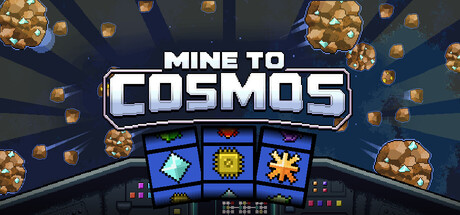
This game's background music was generated using Suno (AI music generation).
Some sprite and store artwork was created programmatically using Python scripts with
AI-assisted design. No AI content is generated during gameplay.
Blacksmith Idle used pre-generated AI tools during development for parts of the visual asset pipeline, some music/audio creation, and limited development assistance. All shipped content was reviewed, edited, and integrated by the developer. The game does not use live-generated AI during gameplay, does not connect players to AI services, and does not generate player-facing content in real time.
We have utilized AI tools during development to help make our peaceful sanctuary accessible to players worldwide in their native languages. All AI-assisted elements fall under pre-generated content:
In-Game Translations: Game texts and quests were translated from the Slovak original using AI. We actively work with community volunteers to review these. Any languages that have not yet undergone human verification are clearly marked within the game settings as AI/machine translations.
Marketing Copy: AI was used extensively to draft and translate store descriptions and marketing materials for international storefronts (without subsequent human verification).
The core game design, mechanics, storyline, and atmosphere are entirely our own original work. AI served purely as a technical tool to deliver faster localization.
During the development of this game, generative artificial intelligence tools (such as language models) were used to assist in the generation of code, game logic, and certain content elements.
All systems have been manually integrated, validated, and fine-tuned by the developer. Artificial intelligence does not operate in real time within the game nor does it generate dynamic content for the end user.
Measures have been taken to ensure that the generated content complies with the required intellectual property and quality policies.
This game uses generative AI during development for some images, music drafts, and programming assistance. All AI-assisted content was reviewed, edited, and curated by the developer before release.
During the development process AI-based tools used to assist with content creation. In all such cases, the final product reflects the creativity and expression of the development team.
The game does not use AI-generated art, music, character assets, or gameplay content. Generative AI tools were used only to assist with localization drafts for some in-game and store page text, and the final text was reviewed and edited by the developer.
Art: Certain background, character, and animation assets were generated by AI, then manually cropped, composited, and post-processed.
Audio: Some in-game music and sound effects were generated by AI, then manually selected, edited, and integrated.
Code: Some foundational functional code was generated with AI assistance, then reviewed, modified, compiled, and integrated by the developers.
The core game design, gameplay logic, and final integration were all completed manually.
Some visual assets in the game, including promotional images and artwork, were created or assisted using AI tools. All assets were reviewed and adjusted before use.
Some visual assets in this game, such as the capsule art, were generated with the assistance of AI tools and then edited and refined by the developer. No gameplay, mechanics, or code were generated by AI.
Most in-game visual assets were generated using AI tools, while all implementation, including placement and animation, was handled by the developers.
The user interface was created using non-AI assets and implemented by the development team.
Mix a Meow uses AI generation tools to create some assets, including character illustrations, icons, music, and sound effects. All character concepts and design directions were crafted by the developer; AI was used as a tool to bring them to life. No content is generated by AI during gameplay — all AI-assisted assets were reviewed and finalized by the developer before release.
Some visual assets in this game, including backgrounds and certain enemy designs, were created using AI-assisted tools and then edited, modified, and integrated into the game by the developer.
This game uses generative artificial intelligence to assist in writing portions of its code during development. All AI-generated content has been manually reviewed, modified, and tested by the development team to ensure the game's stability, security, and content compliance. No real-time AI content is generated during gameplay.
Some visual assets in this game were created with the assistance of AI tools. All content has been reviewed, curated, and integrated by the developer to ensure a cohesive gameplay experience.
Generative AI has been used for proofreading in-game and store texts. It has also been used to localize the game and as a voice-over in the cinematic trailer.
Some visual assets (such as the app icon) and store page text were created with the assistance of AI tools. All game content — puzzles, code, and gameplay — is handcrafted by the developer.
Developer's Note: This is a solo-developed indie game, and the developer is not a professional artist. Therefore, generative AI was used during the production of art assets.
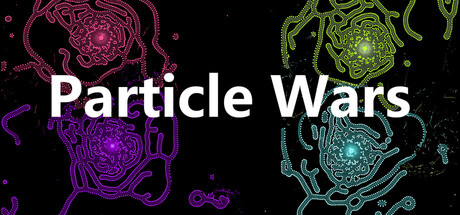
This game expands upon an open-source fluid physics framework, implementing real-time multi-particle physics simulation and strategic gameplay. Generative AI tools were used during development to assist with UI interface coding.
Important Note: The game does NOT contain any AI-generated content during runtime. All particle physics are procedurally simulated using SPH (Smoothed Particle Hydrodynamics) methods, with core physics calculations derived from open-source implementations.
This game's background music was generated using Suno (AI music generation).
Some sprite and store artwork was created programmatically using Python scripts with
AI-assisted design. No AI content is generated during gameplay.
Blacksmith Idle used pre-generated AI tools during development for parts of the visual asset pipeline, some music/audio creation, and limited development assistance. All shipped content was reviewed, edited, and integrated by the developer. The game does not use live-generated AI during gameplay, does not connect players to AI services, and does not generate player-facing content in real time.
We have utilized AI tools during development to help make our peaceful sanctuary accessible to players worldwide in their native languages. All AI-assisted elements fall under pre-generated content:
In-Game Translations: Game texts and quests were translated from the Slovak original using AI. We actively work with community volunteers to review these. Any languages that have not yet undergone human verification are clearly marked within the game settings as AI/machine translations.
Marketing Copy: AI was used extensively to draft and translate store descriptions and marketing materials for international storefronts (without subsequent human verification).
The core game design, mechanics, storyline, and atmosphere are entirely our own original work. AI served purely as a technical tool to deliver faster localization.
During the development of this game, generative artificial intelligence tools (such as language models) were used to assist in the generation of code, game logic, and certain content elements.
All systems have been manually integrated, validated, and fine-tuned by the developer. Artificial intelligence does not operate in real time within the game nor does it generate dynamic content for the end user.
Measures have been taken to ensure that the generated content complies with the required intellectual property and quality policies.
This game uses generative AI during development for some images, music drafts, and programming assistance. All AI-assisted content was reviewed, edited, and curated by the developer before release.
During the development process AI-based tools used to assist with content creation. In all such cases, the final product reflects the creativity and expression of the development team.
The game does not use AI-generated art, music, character assets, or gameplay content. Generative AI tools were used only to assist with localization drafts for some in-game and store page text, and the final text was reviewed and edited by the developer.
Art: Certain background, character, and animation assets were generated by AI, then manually cropped, composited, and post-processed.
Audio: Some in-game music and sound effects were generated by AI, then manually selected, edited, and integrated.
Code: Some foundational functional code was generated with AI assistance, then reviewed, modified, compiled, and integrated by the developers.
The core game design, gameplay logic, and final integration were all completed manually.
Some visual assets in the game, including promotional images and artwork, were created or assisted using AI tools. All assets were reviewed and adjusted before use.
Some visual assets in this game, such as the capsule art, were generated with the assistance of AI tools and then edited and refined by the developer. No gameplay, mechanics, or code were generated by AI.
Most in-game visual assets were generated using AI tools, while all implementation, including placement and animation, was handled by the developers.
The user interface was created using non-AI assets and implemented by the development team.
Mix a Meow uses AI generation tools to create some assets, including character illustrations, icons, music, and sound effects. All character concepts and design directions were crafted by the developer; AI was used as a tool to bring them to life. No content is generated by AI during gameplay — all AI-assisted assets were reviewed and finalized by the developer before release.
Some visual assets in this game, including backgrounds and certain enemy designs, were created using AI-assisted tools and then edited, modified, and integrated into the game by the developer.
This game uses generative artificial intelligence to assist in writing portions of its code during development. All AI-generated content has been manually reviewed, modified, and tested by the development team to ensure the game's stability, security, and content compliance. No real-time AI content is generated during gameplay.
Some visual assets in this game were created with the assistance of AI tools. All content has been reviewed, curated, and integrated by the developer to ensure a cohesive gameplay experience.
Generative AI has been used for proofreading in-game and store texts. It has also been used to localize the game and as a voice-over in the cinematic trailer.
Some visual assets (such as the app icon) and store page text were created with the assistance of AI tools. All game content — puzzles, code, and gameplay — is handcrafted by the developer.
Developer's Note: This is a solo-developed indie game, and the developer is not a professional artist. Therefore, generative AI was used during the production of art assets.
This game expands upon an open-source fluid physics framework, implementing real-time multi-particle physics simulation and strategic gameplay. Generative AI tools were used during development to assist with UI interface coding.
Important Note: The game does NOT contain any AI-generated content during runtime. All particle physics are procedurally simulated using SPH (Smoothed Particle Hydrodynamics) methods, with core physics calculations derived from open-source implementations.